Stuffed animals live dramatic little lives. One day they are tea-party guests, the next day they are superhero sidekicks, and by Friday they have somehow collected cookie crumbs, couch dust, playground mystery grit, and one suspiciously sticky patch no one wants to claim. The good news? Most plush toys can be cleaned safely at home with a little patience, the right method, and the emotional strength to tell a toddler that Bear needs “spa time.”
This guide explains 6 ways to clean a stuffed animal, from quick spot cleaning to full machine washing, hand washing, odor removal, steam freshening, and special care for delicate plush toys. The goal is simple: get the toy clean without turning it into a lumpy, tragic version of itself.
Before you begin, always check the care label. If the stuffed animal has batteries, a music box, glued-on decorations, leather details, fragile stitching, foam beads, antique fabric, or sentimental value beyond calculation, choose the gentlest method first. When in doubt, test a hidden area and avoid soaking.
Why Stuffed Animals Need Cleaning
Stuffed animals are soft, comforting, and excellent at absorbing daily life. They can collect dust, allergens, crumbs, pet hair, sweat, drool, and germs from hands and surfaces. For kids with allergies or asthma, dusty plush toys may make symptoms worse. For babies and toddlers, toys that are frequently hugged, dragged, or chewed deserve extra attention.
Cleaning does more than improve appearance. It helps reduce odors, keeps fabric pleasant to touch, and may extend the life of the toy. The secret is matching the cleaning method to the toy’s material and condition. A sturdy polyester teddy can usually handle more than a vintage mohair bear with one heroic button eye hanging on by a thread.
Before You Clean: Do This Quick Safety Check
Read the Care Tag
The care tag is the stuffed animal’s tiny instruction manual. It may say machine washable, surface wash only, hand wash, or dry clean. If the tag is missing, assume the toy needs gentle treatment.
Inspect for Damage
Look for loose seams, weak stitching, missing eyes, cracked plastic parts, or stuffing peeking out. Repair small tears before washing so the toy does not shed its insides in the laundry like a tiny fabric volcano.
Check for Electronics or Special Fillings
Do not submerge stuffed animals with batteries, sound boxes, lights, wires, or mechanical parts. Avoid machine washing toys filled with foam pellets, beans, natural fibers, or materials that may clump or hold moisture.
Remove Loose Dirt First
Shake the toy gently outdoors, use a lint roller, or vacuum it with a brush attachment on low suction. Removing dry dirt first prevents it from turning into muddy paste once water enters the conversation.
1. Spot Clean for Small Stains
Spot cleaning is the best first step for small spills, sticky fingerprints, and plush toys labeled “surface wash only.” It is also ideal for stuffed animals with delicate features, glued-on eyes, or decorative accessories.
What You Need
- Mild liquid detergent or gentle dish soap
- Cool water
- Two clean white cloths
- A soft toothbrush or baby brush
- A dry towel
How to Spot Clean a Stuffed Animal
- Mix a few drops of mild soap with a cup of cool water.
- Dampen a white cloth with the solution. Do not soak it.
- Blot the stained area gently, working from the outside of the stain inward.
- Use a soft toothbrush for matted or textured fabric, brushing lightly.
- Wipe the area with a second cloth dampened with plain water to remove soap residue.
- Press with a dry towel and allow the toy to air dry completely.
Avoid scrubbing aggressively. Plush fabric can mat, pill, or lose its softness if treated like a dirty frying pan. For food stains, fresh spills are easier to remove than dried ones, so act quickly when possible.
2. Machine Wash Sturdy Stuffed Animals
Machine washing works well for many modern stuffed animals made from washable synthetic fabrics. It is practical, efficient, and especially useful when a toy has survived a sleepover, a car trip, or a close encounter with chocolate milk.
Good Candidates for Machine Washing
- Newer plush toys with care tags that allow machine washing
- Polyester-filled stuffed animals
- Toys without electronics, batteries, or sound boxes
- Stuffed animals with securely stitched eyes and decorations
How to Machine Wash a Stuffed Animal
- Repair any loose seams before washing.
- Place the stuffed animal in a mesh laundry bag or zippered pillowcase.
- Use cold water and the gentle or delicate cycle.
- Add a small amount of mild detergent. More soap does not mean more clean; it often means more rinsing.
- Wash with towels or soft items to cushion the toy, but avoid heavy items like jeans.
- Run an extra rinse cycle if the toy feels soapy.
Cold water is safer for colors, glue, and fabric texture. Hot water may shrink fabric, loosen adhesives, or damage plastic features. If the toy has a heavy stain, pretreat it gently before washing rather than relying on heat.
How to Dry After Machine Washing
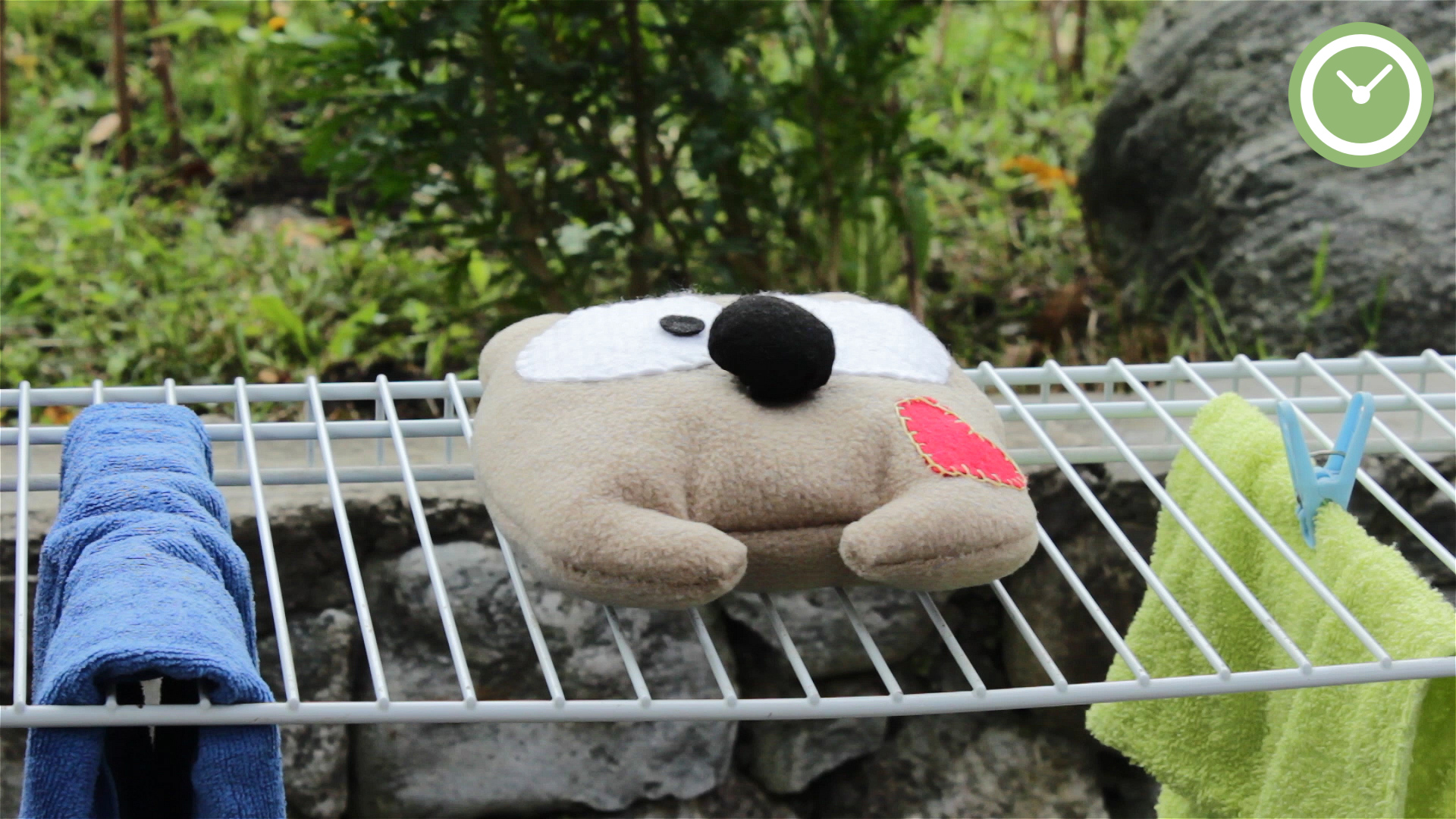
Air drying is usually safest. Roll the toy in a towel to remove extra water, reshape it with your hands, and place it in a well-ventilated spot. A fan can help. Avoid high heat, which may melt synthetic fibers or make fur feel rough. If the care label allows tumble drying, use the lowest or no-heat setting and keep the toy in a protective bag.
3. Hand Wash Delicate Plush Toys
Hand washing gives you more control than a washing machine. It is a smart option for older stuffed animals, toys with delicate stitching, sentimental plushies, or items that need deeper cleaning than spot treatment but are not tough enough for the spin cycle rodeo.
What You Need
- A clean basin or sink
- Cool water
- Mild detergent
- Clean towels
- A soft brush
How to Hand Wash a Stuffed Animal
- Fill a basin with cool water and add a small amount of mild detergent.
- Submerge the toy only if it has no electronics and the materials can handle water.
- Gently squeeze the soapy water through the plush. Do not twist or wring.
- Use a soft brush on dirty areas, working carefully around eyes, noses, and seams.
- Drain the basin and refill it with clean water.
- Rinse by pressing clean water through the toy until the soap is gone.
- Press out water with a towel, reshape, and air dry fully.
The biggest mistake with hand washing is leaving soap behind. Soap residue attracts dirt and can make fur feel stiff. Rinse patiently, even if it feels like the stuffed animal has become a small, waterlogged sponge with opinions.
4. Deodorize With Baking Soda
Sometimes a stuffed animal is not visibly dirty, but it smells like a gym bag that made poor life choices. Baking soda can help absorb odors without soaking the toy, making it useful for plush animals that cannot be washed often.
How to Freshen a Stuffed Animal Without Water
- Place the stuffed animal in a large sealable bag.
- Add enough baking soda to lightly coat the toy.
- Seal the bag and shake gently.
- Let it sit for 30 minutes to several hours, depending on the odor.
- Remove the toy and shake off excess baking soda outdoors.
- Vacuum gently with a brush attachment to remove remaining powder.
This method is best for odors, dust, and light freshening. It will not remove sticky stains or disinfect a toy. Avoid using strong perfumes or fabric sprays on children’s stuffed animals, especially toys that may touch a child’s face. Fresh should smell like clean fabric, not like a department store fragrance counter had a wrestling match with a bunny.
5. Use Steam for Surface Freshening
Steam can help freshen some plush toys and reduce surface germs without fully soaking the stuffing. It is especially helpful for toys that need a quick refresh but are not machine washable. However, steam is not right for every stuffed animal.
When Steam May Work
- The toy has no batteries, wires, or sound parts.
- The fabric is not delicate, vintage, leather, suede, wool, or silk.
- The color does not bleed when tested with a damp white cloth.
- The toy can dry quickly and completely afterward.
How to Steam a Stuffed Animal Safely
- Check the care tag and test a hidden area first.
- Hold the steamer a few inches away from the surface.
- Move continuously in light, sweeping motions.
- Do not saturate one spot.
- Blot excess moisture with a clean towel.
- Air dry completely in a ventilated place.
Never steam directly over glued-on decorations, painted features, or fragile seams. Moisture trapped inside stuffing can lead to mildew, so drying matters as much as cleaning. A stuffed animal should not go back into a toy bin until it is fully dry from ears to tail.
6. Deep Clean or Retire Heavily Soiled Stuffed Animals
Some situations call for more than ordinary cleaning. If a stuffed animal has been exposed to vomit, urine, floodwater, mold, pests, or outdoor contamination, treat it carefully. For washable toys, machine washing with detergent may be enough for ordinary accidents, followed by complete drying. For non-washable toys exposed to unsafe contamination, replacement may be the safest choice.
How to Handle Serious Messes
- Wear disposable gloves when handling heavily soiled toys.
- Remove solids carefully before washing.
- Wash washable plush toys separately from regular laundry.
- Use the warmest water allowed by the care label.
- Dry thoroughly to prevent mildew.
- Discard toys that cannot be cleaned safely after floodwater, mold, or pest exposure.
It can be hard to throw away a beloved stuffed animal, but safety comes first. If the toy is irreplaceable, consider consulting a textile restoration specialist, especially for heirloom bears, collectible plush toys, or handmade animals.
Special Cases: How to Clean Different Types of Stuffed Animals
Stuffed Animals With Batteries or Sound Boxes
Do not soak or machine wash electronic toys unless the electronic unit is removable and the care label allows washing. Remove batteries if possible, then spot clean the fabric with a lightly damp cloth. Keep moisture away from battery compartments and sound openings.
Vintage or Collectible Stuffed Animals
Older plush toys may have fragile fabric, natural fibers, excelsior stuffing, glass eyes, or hand-sewn details. Use dry dusting, gentle vacuuming through a mesh screen, or professional cleaning. Avoid soaking, heat, and aggressive brushing.
Stuffed Animals With Long Fur
Long plush fibers can mat during washing. Brush the toy gently before and after cleaning with a soft brush. Once dry, fluff the fur with your fingers or a pet slicker brush used very lightly.
White or Light-Colored Plush Toys
White stuffed animals show every stain like they are filing a formal complaint. Use mild detergent, rinse thoroughly, and avoid chlorine bleach unless the care label specifically allows it. Bleach can weaken fibers, discolor parts, and irritate skin if not fully rinsed.
How Often Should You Clean a Stuffed Animal?
For display-only stuffed animals, dusting or vacuuming every few weeks may be enough. For toys that are hugged daily, slept with, or dragged around the house, clean them every few weeks or whenever they smell, look dirty, or have been exposed to illness. After a child has been sick, wash the toy if the care label allows it.
For children with allergies, keeping stuffed animals clean and limiting how many live on the bed can help reduce dust buildup. Rotating plush toys is also useful: keep a few favorites available and store the rest in a clean bin. Fewer toys on the bed means fewer dust collectors and fewer midnight negotiations about why twelve bears cannot all share one pillow.
Common Mistakes to Avoid
Using Too Much Detergent
More detergent can leave residue inside the stuffing. Use a small amount and rinse well.
Skipping the Drying Step
A damp stuffed animal can develop musty odors. Always dry completely before returning it to a bed, shelf, or toy box.
Washing Fragile Toys in the Machine
If the toy has loose parts, delicate fabric, glued decorations, or sentimental value, choose spot cleaning or hand washing instead.
Using High Heat
High dryer heat can damage fur, melt plastic features, and change the toy’s shape. Low heat or air drying is usually safer.
Ignoring Color Bleeding
Before wet cleaning, dab a hidden area with a damp white cloth. If color transfers, avoid soaking and use a minimal-moisture method.
Real-Life Experience: What Cleaning Stuffed Animals Actually Teaches You
Cleaning stuffed animals sounds simple until you are standing over the washing machine holding a teddy bear with a mysterious stain and a child asking whether Teddy will “feel dizzy” in the spin cycle. In real life, the best method is not always the fastest one. The most successful cleaning sessions start with a small inspection. I have learned that a thirty-second check for loose seams can save twenty minutes of fishing stuffing out of a washer drum. A mesh laundry bag is not optional; it is the tiny seat belt every plush passenger deserves.
One useful experience is separating toys by emotional importance. The everyday plush dinosaur that has survived juice spills, backyard dirt, and being used as a pillow by the dog can usually handle a careful machine wash. The heirloom bear from Grandma, however, deserves royal treatment: spot cleaning, soft cloths, and absolutely no dramatic laundry experiments. Sentimental toys should be cleaned like old photographsslowly, gently, and with respect.
Another practical lesson is that drying takes longer than expected. A stuffed animal may feel dry on the outside while the inside is still damp. That hidden moisture is where musty smells begin. After washing, I like to press the toy between towels, reshape the face and limbs, and let it dry near a fan. Turning it every few hours helps. If the toy has thick stuffing, give it extra time. Nobody wants a teddy bear that smells like a basement wearing pajamas.
Spot cleaning is often underrated. Parents sometimes assume a full wash is necessary for every mark, but a damp cloth, a little mild soap, and patience can remove many stains without stressing the entire toy. This is especially helpful for bedtime favorites because the toy can be cleaned and dried faster. For sticky hands, chocolate smudges, and surface dirt, spot cleaning is the household equivalent of a magic trickless dramatic than a full bath, but often enough.
Odor removal is another area where gentle methods shine. Baking soda in a bag can freshen a toy that smells stale but is not truly dirty. It is especially useful for stuffed animals stored in closets or bins. Just remember to vacuum thoroughly afterward, because nobody wants a plush rabbit that puffs baking soda like a tiny flour bomb.
The biggest experience-based tip is to involve kids when possible. Explain that their stuffed animal is getting cleaned so it can stay healthy, soft, and ready for more adventures. Let them choose a sunny drying spot or “wrap” the toy in a towel afterward. This turns cleaning from a crisis into a care routine. And when the toy comes back fluffy and fresh, the child learns something valuable: taking care of beloved things helps them last longer.
Conclusion
Knowing how to clean a stuffed animal is part laundry skill, part detective work, and part emotional diplomacy. The right method depends on the toy’s fabric, filling, age, and features. For small stains, spot clean. For sturdy toys, machine wash on gentle with cold water. For delicate plush animals, hand wash carefully. Use baking soda for odors, steam for compatible surface freshening, and extra caution with serious messes.
The golden rule is simple: clean gently, rinse well, and dry completely. With the right approach, a favorite stuffed animal can come back looking brighter, smelling fresher, and ready for its next big assignmentwhether that is bedtime guard duty, couch decoration, or being invited to a very serious pretend picnic.
Note: Always follow the toy’s care label and manufacturer instructions first. If a stuffed animal contains electronics, delicate materials, antique fabric, or irreplaceable sentimental value, use the gentlest cleaning method or consult a professional cleaner.