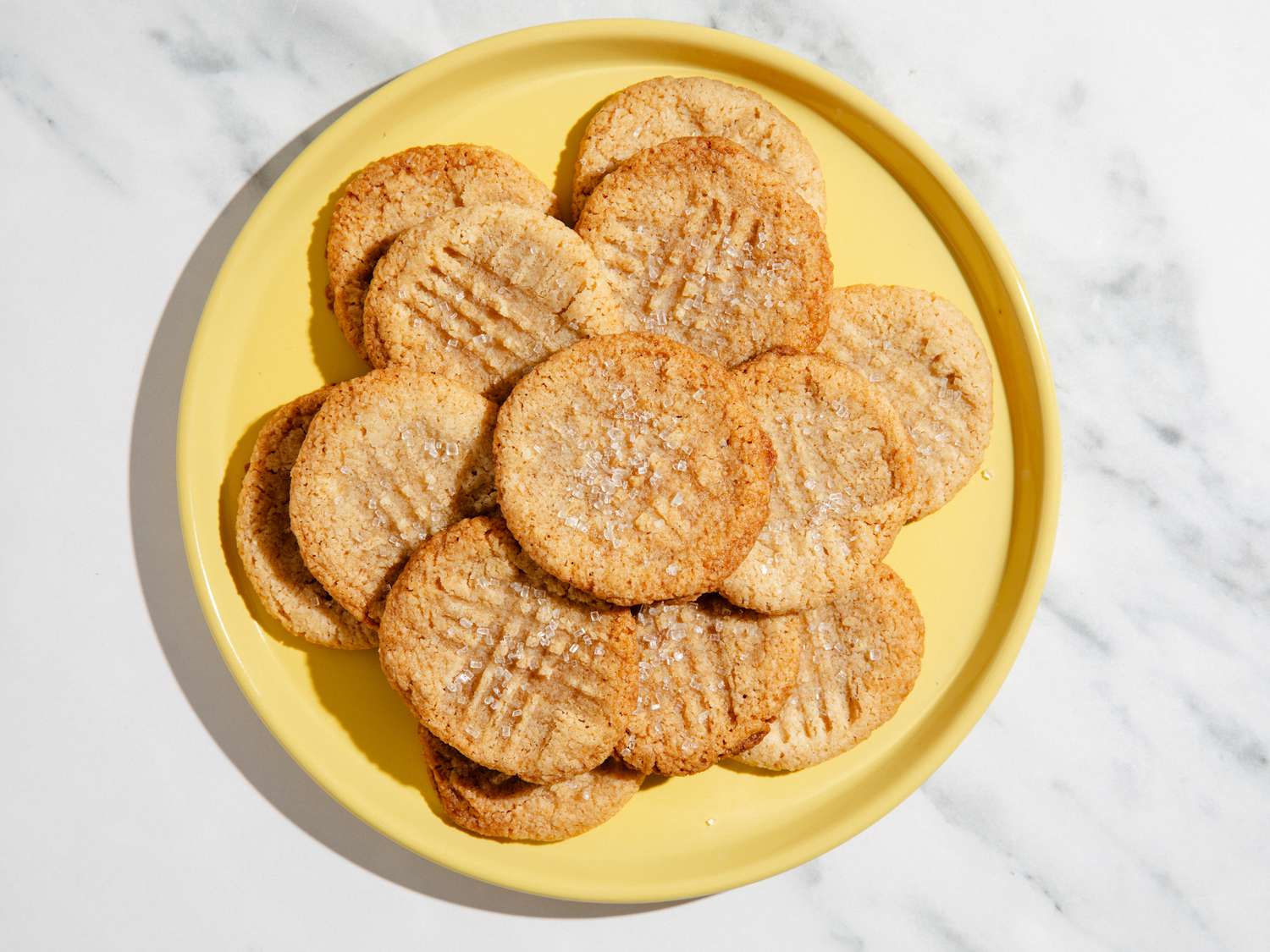
Some recipes are precise. Others are more like a wink from your great-grandmother: “Use enough flour,” “Bake until done,” and “Don’t overthink it.” This 150-year-old cookie recipe belongs to the second category, and that’s exactly why people love it. It feels less like a formula and more like a handoffa small, buttery baton passed from one generation to the next.
What makes an old cookie recipe a true family heirloom isn’t just the age. It’s the story baked into it: the handwritten notes, the smudged corner, the way someone in the family always says, “No, no, the dough should look a little shaggy before you chill it.” The recipe may be simple, but the memory is deluxe.
And yes, the viral version of this old-school cookie is charmingly minimal: butter, brown sugar, and self-rising flour. That’s it. No dramatic ingredient list. No 14-step process. Just pantry basics and a little faith. In an era of ultra-styled desserts and ingredient lists long enough to qualify as reading assignments, that kind of simplicity feels almost rebellious.
Why This Heirloom Cookie Recipe Still Works
Simple ingredients, big payoff
The beauty of a 150-year-old cookie recipe is that it proves a timeless point: a great cookie doesn’t need a cast of thousands. Butter brings richness, brown sugar adds sweetness and moisture, and self-rising flour supplies structure plus leavening. Together, they create a cookie that can be crisp at the edges, tender in the middle, and deeply satisfying in that “just one more” way that nobody has ever solved.
It also explains why these cookies keep reappearing in family recipe boxes. The ingredients are familiar, affordable, and easy to keep on hand. This is the kind of cookie you can make on a cold Sunday afternoon, a snow day, or the night before a school event when you suddenly remember you signed up for “homemade treats.”
Heirloom recipes survive because they are flexible
Older recipes often leave room for judgment. That’s not a flawit’s the feature. Many historic home recipes were written for cooks who already knew the rhythms of baking: what “softened butter” should feel like, how dough changes when mixed by hand, and what “golden” looks like in their own oven.
That flexibility is why heirloom cookies adapt so well to modern kitchens. You can measure more precisely, line your pans with parchment, weigh your flour if you want extra consistency, and still keep the soul of the recipe intact. Think of it as preserving the spirit while upgrading the oven.
A Quick History of Heirloom Cookies in American Kitchens
If you want to understand why family cookie recipes matter so much, look at the history of home baking in the United States. Community and household cookbooks were a major part of American kitchen culture, and many recipes in those books were collected from real peoplenot test kitchens. In other words, your family’s “old cookie recipe” fits into a much bigger tradition.
Library collections and food-history archives show just how common these shared recipe books were. They were practical, local, and personal. One cookie recipe might be attached to a church fundraiser. Another might come from a neighbor down the road. A third might survive only because someone copied it onto an index card and tucked it inside a flour tin.
There’s also a reason old cookie recipes can feel slightly mysterious. Nineteenth-century recipes often assumed bakers knew their ovens and tools. Temperature and bake time weren’t always clearly stated, especially in earlier household cookbooks. That’s not because the recipe was bad. It’s because the original baker was working from experience, often with wood- or coal-fired stoves and no modern temperature dial.
By the late 19th and early 20th centuries, American recipe writing became more standardized as home economics and domestic science grew more influential. Measurements got more consistent. Instructions became more detailed. But even then, families kept modifying recipes to match their tastes, ingredients, and local habitswhich is how heirloom recipes kept evolving without ever really disappearing.
And cookies? They became a perfect heirloom vehicle. They’re portable, giftable, and tied to holidays, school events, and family gatherings. Once a cookie becomes “the cookie” in a family, it tends to stick around for generations.
How to Make This 150-Year-Old Style Cookie Recipe in a Modern Kitchen
If you’re recreating the viral heirloom-style version, the process is wonderfully straightforward. The dough is typically made by mixing softened butter, brown sugar, and self-rising flour, then chilling it briefly before portioning and baking. The texture depends on how warm your butter is, how tightly you pack your brown sugar, and how much room you give the cookies to spread.
Modern method that respects the old-school spirit
- Start with softened butter. Not melted. Soft enough to press with a finger, but not greasy.
- Mix gently. You can mix by hand (very traditional, very satisfying) or use a mixer on low speed.
- Chill the dough. A short rest in the refrigerator helps the dough firm up and makes it easier to portion.
- Space the cookies generously. Old recipes are famous for assuming you know this part. Give them room.
- Bake until lightly golden. Don’t wait for dramatic browning. Pull them when the edges look set and golden.
One of the smartest upgrades you can make is parchment paper. It reduces sticking, helps with even browning, and makes cleanup easier than scrubbing a sheet pan while muttering, “These better be worth it.” (They usually are.)
What to expect from the flavor and texture
These cookies are not flashy. They are buttery, toasty, and quietly excellent. Brown sugar gives them a warm, almost caramel-like depth, while the self-rising flour keeps the crumb tender and a little airy. If you like cookies that taste like they came from a tin on your grandmother’s counter, you’re in the right place.
They also make a great base for family personalization. Some households add a fork-press pattern. Others dust the tops with sugar. Some keep them plain and let the butter flavor do all the talking. A recipe like this doesn’t just survive; it invites participation.
The Baking Science Behind the Heirloom Magic
Butter does more than add flavor
Butter is the engine here. It provides flavor, tenderness, and spread. In old-fashioned cookies, the state of your butter matters a lot. If it’s too cold, the dough can be hard to mix evenly. If it’s too warm, the cookies may spread too fast and turn thin. The sweet spot is room-temperature butter that still holds its shape.
Some bakers cream butter and sugar for more lift, while others use a simpler hand-mix method for a denser, more rustic texture. Both approaches can work. That’s part of the heirloom charm: texture can vary a little from house to house and still be “right.”
Why brown sugar makes these cookies taste old-fashioned
Brown sugar brings moisture and molasses notes, which help create that familiar buttery-butterscotch flavor. It also affects spread and chew. Even in a stripped-down cookie recipe, brown sugar pulls a lot of weight. Swap it for all white sugar and the cookie can taste flatter and crisperstill good, but less cozy.
Self-rising flour keeps it easy
Self-rising flour is one of the reasons this recipe feels so effortless. It combines flour, leavening, and salt in one ingredient, which cuts down on measuring and reduces the chance of skipping a step. It also explains why so many family bakers kept recipes like this on repeat: less fuss, fewer bowls, and fewer opportunities to lose the teaspoon halfway through.
If your cookies come out too dense, the flour may have been overpacked. If they spread too much, the butter may have been too soft or the dough too warm. Old recipes often teach through repetition, and honestly, that’s still one of the best baking teachers around.
How to Store, Freeze, and Gift Heirloom Cookies
Heirloom cookies tend to vanish fast, but if you’re making a double batch (smart move), storage matters. A few practical habits can keep them tasting fresh instead of “mystery tin from the back of the pantry.”
Best storage tips for homemade cookies
- Use airtight containers. This is the single best way to keep texture and flavor.
- Store cookie types separately. Soft cookies can make crisp cookies soggy, and crisp cookies can dry out softer ones.
- Layer with wax paper or parchment. Especially helpful for delicate or decorated cookies.
- Don’t crowd warm cookies. Let them cool first so steam doesn’t get trapped.
For longer storage, freezing works beautifully. Baked cookies freeze well, and many doughs do too. That means you can make heirloom cookies ahead for holidays, birthdays, or care packages without baking at midnight the day before. (You can, of course. But you don’t have to.)
Freezer-friendly heirloom baking
You can freeze portioned dough for later baking or freeze fully baked cookies once cooled. If you freeze baked cookies, stack them with layers of parchment or wax paper in an airtight container. If you freeze dough, label it clearly so future-you doesn’t have to play “Is this cookie dough or a very optimistic meatball mix?”
One practical note: if a family recipe is truly old, the original instructions may not mention food safety in modern terms. In today’s kitchen, don’t taste raw dough made with untreated flour or raw eggs. It’s one of those modern updates that’s worth adopting, even if your great-grandma would have waved you off and handed you the spoon anyway.
How to Preserve the Recipe Card Like a Real Family Heirloom
The cookies are the edible heirloom. The card, notebook page, or clipped recipe is the physical heirloom. If you’ve got one, protect it. Food stains and flour fingerprints are part of the charm, but paper is fragile, and kitchen humidity is not exactly archival.
Practical ways to preserve family recipes
- Store recipe cards flat whenever possible.
- Use clear protective sleeves if you cook from the original card.
- Avoid adding new folds or taping torn edges with regular tape.
- Scan or photograph recipes for backup and easier sharing.
- Keep originals in a dry, safe storage box or archival folder.
Digitizing family recipes is especially helpful because it lets everyone in the family use them without wearing out the original. You can preserve the handwriting, the side notes, even the odd abbreviations that nobody understands but everyone refuses to change. That’s the point: the imperfections are part of the inheritance.
Common Mistakes When Baking Old Cookie Recipes
1) Treating an heirloom recipe like a lab test
Precision helps, but some flexibility is expected. If the dough looks a little softer or stiffer than you expected, pause before you panic. Chill it. Rest it. Adjust slightly. Heirloom baking often rewards observation more than blind obedience.
2) Not accounting for modern ovens
Old recipes were written for different equipment. Your oven may run hotter than the dial says. Use an oven thermometer if you bake often. A few degrees can make the difference between golden and overbaked.
3) Crowding the pan
This is the classic “I can fit two more” mistake. Then the cookies merge into one giant cookie continent. Still delicious, but harder to serve unless your plan was “rustic shards,” in which case, nice save.
4) Overworking the dough
Mix until combined, then stop. Overmixing can make cookies tougher, especially when flour is involved. Old-fashioned recipes usually benefit from a lighter hand.
Why Family Heirloom Cookie Recipes Matter More Than Ever
Heirloom recipes give us something rare: continuity. In a world where trends move fast and everything seems to refresh every five minutes, a cookie recipe that has lasted 150 years is a small act of resistance. It says, “This still matters. We still make this. We still gather around the same smell.”
And unlike a lot of family traditions, cookie recipes are easy to share. You don’t need special equipment or a huge budget. You just need a bowl, a baking sheet, and a little time. The barrier to entry is low. The emotional return is high.
That’s why these recipes endure. Not because they are fancy. Because they are repeatable, lovable, and attached to people. A family heirloom cookie recipe is a memory you can remake on purpose.
Experience: What It Feels Like to Bake a Family Heirloom Cookie
Baking a family heirloom cookie recipe feels different from baking a new recipe you found five minutes ago. Even before the oven is on, there’s a little ceremony to it. You pull out the recipe card, and suddenly the kitchen gets quieter. Maybe the handwriting leans hard to the right. Maybe the ink is fading. Maybe there’s a tiny butter stain in the corner that has probably been there since the first Reagan administration. It doesn’t matter. The card feels alive.
The first experience is usually hesitation. “Wait, that’s all the ingredients?” “Is that measurement right?” “Why doesn’t this say how long to bake?” Old recipes can make modern bakers nervous because they assume confidence. But once you start mixing, that anxiety shifts into something better: curiosity. You stop trying to control every variable and start paying attention instead. How does the dough feel in your hands? Does it need a few more minutes to chill? Is the butter too soft? You become part baker, part detective, part time traveler.
Then comes the smell. This is where heirloom cookies really win. The butter starts to warm, the sugar deepens, and the kitchen smells like the kind of afternoon people remember for years. It’s not just “something sweet is baking.” It’s a smell that feels familiar even if you’ve never made the recipe before. That’s the weird magic of old cookies: they can taste new and nostalgic at the same time.
If you bake with other peoplekids, siblings, a parent, a grandparentthe experience gets even better. Someone always rolls the dough a little unevenly. Someone asks if they can add cinnamon “just this once.” Someone insists the cookies should be flatter because “that’s how Nana made them.” These small arguments are basically the soundtrack of family baking, and honestly, they’re part of the recipe now.
And when the cookies come out, there’s usually a moment of collective judgment. Everyone stares. Are they too pale? Too crisp? Too puffy? Then somebody tries one while it’s still a little too warm, burns their fingers slightly, and announces, with complete authority, “These are perfect.” That is the official beginning of the tradition, whether the recipe is 150 years old or you just inherited it last month.
The best part comes later, though. A cookie gets packed into a lunchbox. A few go into a tin for neighbors. Someone texts for the recipe. Someone else asks if they can make them for the holidays. That’s when you realize the heirloom isn’t just the card or the age of the recipe. It’s the repetition. It’s the fact that the cookies leave your kitchen and show up in someone else’s. It’s the memory being copied, one batch at a time.
That’s why heirloom cookies matter. They don’t just preserve flavor. They preserve rhythm: mix, chill, bake, share, repeat. A 150-year-old cookie recipe survives because it still works, surebut also because people keep choosing it. And every time they do, the recipe gets another chapter.
Conclusion
This 150-year-old cookie recipe is a family heirloom for all the right reasons: it’s simple, dependable, deeply comforting, and easy to pass on. It reminds us that great baking doesn’t always come from complexity. Sometimes it comes from three ingredients, a worn recipe card, and a tradition sturdy enough to survive changing kitchens, changing ovens, and changing generations.
If you have an old cookie recipe in your family, bake it. If you don’t, start with one like this and make it your own. That’s how heirlooms beginnot in museums, but in kitchens, on ordinary days, with butter on the counter and a tray of cookies cooling by the window.