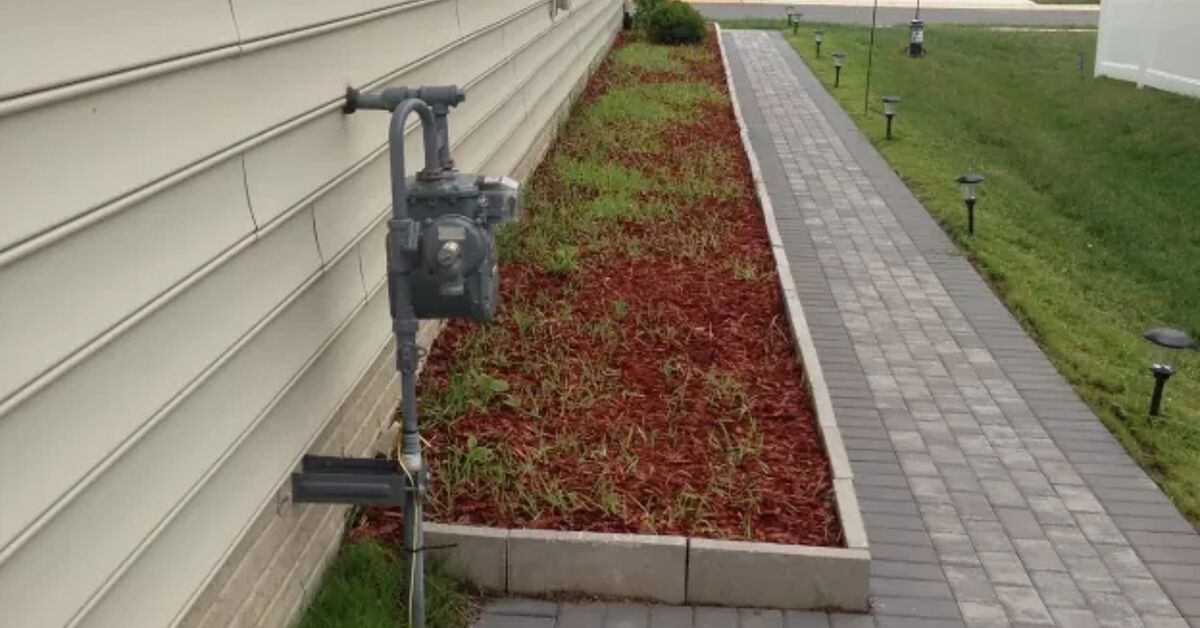
Grass in a lawn is charming. Grass in a flower bed is a tiny green villain wearing a disguise. One week, your roses are standing proudly like garden royalty; the next, Bermuda grass, crabgrass, quackgrass, or some mystery blade from the lawn next door is creeping through the mulch like it owns the deed. The good news is that the best way to kill grass in flower beds is not one single trick. It is a smart, layered approach: identify the grass, remove or smother what is already growing, protect your flowers from damage, and prevent new grass from returning.
The best method depends on whether the grass is annual or perennial, how established your flower bed is, and how close the grass is to desirable plants. A few stray blades near marigolds can often be pulled by hand. A tangled patch of Bermuda grass under daylilies may need repeated digging, targeted herbicide, mulch, edging, and patience. In other words, this is gardening, not instant noodles.
This guide explains the safest and most effective ways to kill grass in flower beds while keeping your flowers, shrubs, soil, and sanity intact.
Why Grass Invades Flower Beds in the First Place
Grass gets into flower beds because it is very good at being grass. Some types spread by seed, some creep by aboveground stems called stolons, and others move underground through rhizomes. Many lawn grasses are bred or naturally adapted to survive mowing, heat, drought, foot traffic, and the occasional forgotten sprinkler. A flower bed, with loose soil, fertilizer, water, and open space, can feel like a luxury resort for invasive grass.
Common ways grass enters flower beds include lawn edges that are not well defined, grass clippings blown into beds after mowing, contaminated mulch or compost, bird-dropped seeds, shallow mulch layers, and underground runners from aggressive perennial grasses. Once grass settles in, it competes with flowers for water, nutrients, sunlight, and root space. Left alone, it can turn a neat border into what looks like a lawn with floral accessories.
The Best Way to Kill Grass in Flower Beds: Start With Identification
Before grabbing a trowel, spray bottle, or dramatic gardening hat, identify what kind of grass you are dealing with. The right control method depends heavily on the grass type.
Annual Grasses
Annual grasses, such as crabgrass and annual bluegrass, grow from seed, complete their life cycle, and die within a year. These are often easier to manage because they do not usually have deep perennial root systems. If you remove them before they set seed and keep the soil covered with mulch, you can dramatically reduce future outbreaks.
Perennial Grasses
Perennial grasses are tougher customers. Bermuda grass, quackgrass, torpedograss, and kikuyugrass can spread through rhizomes or stolons. Pulling the top growth may make you feel productive, but if root pieces remain, the grass can return. Some perennial grasses can even get worse when chopped into pieces by aggressive hoeing or tilling because the fragments may resprout.
Method 1: Hand Pulling Grass in Flower Beds
For small infestations, hand pulling is usually the best first step. It is inexpensive, precise, chemical-free, and oddly satisfying in the same way peeling a sticker cleanly off a jar is satisfying.
How to Hand Pull Grass Correctly
Water the bed the day before or wait until after a gentle rain. Moist soil releases roots more easily than dry, compacted soil. Hold the grass low near the soil line and pull slowly. For clumping grasses, use a hand fork or weeding knife to loosen the soil around the roots. For grasses with runners, follow the stem carefully and remove as much of the underground or aboveground runner as possible.
Do not toss pulled grass with seed heads or living rhizomes onto the soil surface. Some weeds can continue developing seeds or reroot if conditions are favorable. Bag aggressive grass pieces or let them dry thoroughly in the sun before composting, unless your compost pile gets hot enough to kill seeds and roots.
When Hand Pulling Works Best
Hand pulling works best for young grass seedlings, small patches, loose soil, raised beds, and areas around delicate plants where herbicide drift would be risky. It is less effective for established Bermuda grass or quackgrass unless you are willing to repeat the process several times and remove every sneaky root fragment you can find.
Method 2: Digging Out Perennial Grass Roots
When grass has developed a network of roots or rhizomes, digging may be necessary. This is especially true when the grass is wrapped around perennial flowers, shrubs, or ornamental grasses you want to save.
How to Dig Without Making the Problem Worse
Use a garden fork instead of a sharp shovel when possible. A fork loosens soil and lifts roots with less slicing. Start at the edge of the infestation and work inward. Shake soil from the roots and remove every visible white or tan runner. For thick mats, you may need to temporarily lift nearby perennials, clean the grass roots from their root balls, and replant them.
Avoid rototilling a bed full of rhizomatous grass. Tilling can chop underground stems into many small pieces, and each piece may become a new plant. That is not weed control; that is grass confetti with consequences.
Method 3: Smother Grass With Cardboard and Mulch
For a larger area, sheet mulching is one of the best ways to kill grass in flower beds without spraying. This method blocks sunlight, weakens existing grass, and creates a weed-suppressing layer under mulch.
How to Sheet Mulch a Flower Bed
First, cut the grass as low as possible. Remove seed heads and obvious clumps. Next, place plain brown cardboard or several sheets of newspaper over the grass, overlapping edges by at least several inches so grass cannot slip through the seams like a tiny green escape artist. Wet the cardboard thoroughly so it conforms to the soil and begins breaking down. Then cover it with two to four inches of organic mulch, such as shredded bark, arborist wood chips, pine straw, or leaf mold.
If existing flowers are in the bed, cut openings around the plants rather than burying their crowns. Keep mulch a few inches away from stems to prevent rot. If you are creating a new flower bed, you can sheet mulch in fall and plant in spring, giving the grass time to die and the cardboard time to soften.
When Sheet Mulching Is Best
Sheet mulching is excellent for new beds, wide borders, pathways, and areas where grass is spread across the surface. It is less ideal when aggressive perennial grass is deeply tangled through valuable plant roots. In that case, dig first, then sheet mulch to prevent regrowth.
Method 4: Use Mulch as Long-Term Grass Prevention
Mulch does not magically kill every established grass plant, but it is one of the best tools for preventing new grass from sprouting. A bare flower bed is an open invitation. Mulch is the polite but firm “no vacancy” sign.
How Much Mulch Do You Need?
A two- to three-inch layer of organic mulch is usually enough for established flower beds. For coarser materials such as wood chips, three to four inches may be appropriate in open areas. Avoid piling mulch against stems, trunks, or crowns. Mulch volcanoes may look dramatic, but they trap moisture and can harm plants.
Refresh mulch as it decomposes. Organic mulch improves soil structure over time, moderates soil temperature, conserves moisture, and reduces weed seed germination. For best results, weed the bed first, then mulch. Mulching over living grass without a barrier can work for light seedlings, but established grass may push through like it has a gym membership.
Method 5: Use a Grass-Selective Herbicide Carefully
When grass is growing among broadleaf flowers and shrubs, a grass-selective herbicide may be useful. These products are designed to control grasses without injuring many broadleaf ornamentals, but the label always decides where and how they can be used. Common active ingredients in grass-selective products include sethoxydim, fluazifop, and clethodim, depending on the product and availability.
When a Grass-Selective Herbicide Makes Sense
This option may help when perennial grass is scattered through established ornamental beds and hand removal would damage plant roots. It can be especially useful against grass growing through groundcovers, daylilies, shrubs, or mixed perennial borders, provided the product is labeled for those plants and that site.
Read the label before buying and again before applying. Some products are safe around certain ornamentals but not others. Some require repeated applications for established grasses. Spray only the grass foliage, avoid windy days, wear protective gear listed on the label, and keep children and pets away until the treated area is dry or as directed by the product instructions.
Method 6: Use Non-Selective Herbicide Only as a Targeted Spot Treatment
Non-selective herbicides, such as glyphosate products, can kill most plants they contact. That includes the grass you hate and the flowers you love. Used carelessly, they can turn a weed problem into a “where did my petunias go?” problem.
How to Use Spot Treatment Safely
Use non-selective herbicide only for targeted applications on grass that is not touching desirable plants, or use a shield such as cardboard to block spray drift. Some gardeners apply herbicide with a sponge, foam brush, or wick applicator to wipe the product onto grass blades while avoiding flowers. This is slower than spraying, but in a crowded flower bed, slower is often smarter.
Never spray on windy days. Avoid spraying during extreme heat or drought stress. Do not use extended-control or soil-active weed killers in flower beds unless the label specifically allows it for that exact situation. Some products remain active in soil and can injure desirable plants later. The most important rule is simple: the pesticide label is not decorative reading material. It is the law and the instruction manual.
Method 7: Solarization and Tarping for Empty Beds
If you are renovating an entire bed, solarization or tarping can be effective. Solarization uses clear plastic during hot, sunny weather to trap heat and kill weeds, seeds, and some soil pests near the surface. Tarping or occultation uses black plastic, silage tarp, or similar material to block light until the plants underneath die.
Best Uses for Tarping
Tarping is useful when you can leave an area covered for several weeks or months. It is not ideal for a planted bed unless you are willing to remove or work around existing flowers. For a new border, mow low, water the area, cover securely, and wait. Once the grass is dead, remove the tarp, loosen the soil minimally, add compost if needed, plant, and mulch immediately.
What Not to Do When Killing Grass in Flower Beds
Some popular grass-killing ideas sound clever but are risky, unreliable, or damaging to soil and nearby plants.
Do Not Pour Salt on Grass
Salt can damage soil structure and make it difficult for desirable plants to grow. It may wash into nearby root zones and cause long-term problems. Save salt for fries, not flower beds.
Be Careful With Vinegar
Household vinegar may burn young weed leaves, but it often does not kill established grass roots. Strong horticultural vinegar can be hazardous to skin and eyes and may injure nearby plants. It is non-selective, meaning it can damage flowers just as easily as grass.
Avoid Boiling Water Near Desired Plants
Boiling water can kill small weeds in cracks or paths, but in flower beds it may damage roots of nearby flowers. It is hard to control underground, and one splash can injure you or your plants.
Do Not Rely on Landscape Fabric Forever
Landscape fabric may help temporarily in some situations, but in permanent flower beds it often becomes clogged with soil and organic debris. Weeds can germinate on top, roots can grow through it, and future planting becomes annoying. Cardboard and organic mulch are usually easier to manage in mixed flower beds.
How to Prevent Grass From Coming Back
Killing existing grass is only half the job. Prevention is what keeps the flower bed from hosting a reunion tour.
Create a Clean Edge
A physical edge between lawn and bed helps stop creeping grass. Use metal edging, brick, stone, plastic edging, or a narrow trench edge. For aggressive grasses like Bermuda grass, deeper edging may be necessary because runners can sneak under shallow barriers.
Mow Carefully
Point mower discharge away from flower beds when possible. Grass clippings can contain seeds or small pieces that may root. Trimming along bed edges also reduces seed heads and runners before they enter the bed.
Use Drip Irrigation
Water the plants you want, not the open soil between them. Drip irrigation and soaker hoses keep moisture near desirable roots while making the surface less inviting for weed seeds.
Plant Densely
Healthy flowers and groundcovers shade the soil, leaving less light for grass seedlings. A full bed is not just prettier; it is more competitive. Choose plants suited to your climate, sunlight, and soil so they grow vigorously without needing constant rescue.
Apply Pre-Emergent Herbicide When Appropriate
Pre-emergent herbicides can prevent many annual grass seeds from germinating, but they do not kill established perennial grass. They must be applied before seeds sprout and only where the label allows. They can also interfere with desired flower seeds, so avoid using them where you plan to direct-sow annuals.
Best Strategy by Situation
For a Few Grass Blades
Pull by hand after watering, remove the roots, and refresh mulch. Check again in one week.
For Grass Along the Bed Edge
Cut a clean edge, remove runners, install edging, and mulch heavily. Monitor monthly during the growing season.
For Grass Growing Through Perennials
Lift affected plants if needed, clean grass roots from the root balls, replant, and mulch. Consider a labeled grass-selective herbicide if digging would cause too much damage.
For a Bed Taken Over by Grass
Remove valuable plants, dig or treat the grass, use tarping or sheet mulching, rebuild the bed, then plant densely and mulch. This sounds like a lot because it isbut it is usually faster than fighting the same grass for five years.
My Practical Experience: What Actually Works in Real Flower Beds
After dealing with grass in flower beds, the biggest lesson is this: the earlier you act, the less dramatic the battle becomes. A small grass seedling removed today is a two-second job. The same plant ignored for a month may become a root-tangled little monster that requires gloves, tools, muttering, and possibly a snack break.
The most reliable routine begins with a slow walk through the garden once a week. I like to check bed edges first because that is where most trouble begins. If grass is creeping in from the lawn, I do not just pull the visible blade. I trace it back to the runner, loosen the soil, and remove the entire piece. This takes longer, but it prevents the classic mistake of snapping off the top and leaving the underground engine running.
Mulch has been the best long-term helper. A bare bed seems to grow weeds the way a refrigerator grows mystery leftovers. Once the soil is covered with cardboard in problem areas and topped with shredded bark or wood chips, grass pressure drops sharply. The key is overlapping the cardboard well. Tiny gaps become tiny invitations. Grass does not need a front door; it will happily use a crack in the wallpaper.
For established beds, I have found that a hand fork is better than a hoe when dealing with perennial grass. Hoeing feels efficient, but with grasses that spread by rhizomes, it can create more pieces. A fork lifts and loosens instead of chopping. Around perennials, I work slowly and shake soil away from the roots. If the flower is tough, such as a daylily or hosta, lifting and cleaning the entire clump may be the cleanest solution.
Targeted herbicide has a place, but it should be treated like a scalpel, not a paint roller. In crowded beds, a shielded spray or sponge application is far safer than spraying freely. The goal is to touch only the grass blades. If a desirable plant is leaning over the target area, I tie it back or cover it before applying anything. I also avoid treating on windy days because wind has a talent for turning careful plans into plant drama.
Prevention matters more than heroic cleanup. A crisp edge, mulch refreshed before weeds explode, and dense planting make a huge difference. Once flowers fill in and shade the soil, grass seedlings have fewer chances to establish. The garden starts helping defend itself, which is ideal because gardeners have other responsibilities, such as watering, pruning, and staring proudly at plants while holding coffee.
The best overall approach is a combination: pull small grass early, dig perennial roots carefully, smother larger areas with cardboard and mulch, use labeled herbicides only when necessary, and maintain a strong edge between lawn and bed. Grass is persistent, but it is not magical. With consistent attention and the right method for the right situation, your flower beds can return to doing what they were meant to do: showing off flowers, not raising a surprise lawn.
Conclusion
The best way to kill grass in flower beds is to match the method to the problem. Hand pulling works for small seedlings, digging is better for rooted perennial grasses, sheet mulching is excellent for larger areas, and targeted herbicides can help when used carefully according to the label. Long-term success depends on prevention: clean edging, proper mulch depth, careful mowing, drip irrigation, and dense planting.
Think of grass control as a garden routine, not a one-time wrestling match. Remove what is growing, block what wants to sprout, and make the bed less welcoming to future invaders. With patience and a practical plan, your flowers can finally stop sharing the spotlight with unwanted lawn grass.
Note: Herbicide recommendations vary by product, plant type, location, and label restrictions. Always read and follow the label on the exact product you use, and avoid applying any weed-control product where it may contact desirable flowers, shrubs, vegetables, pets, or people.