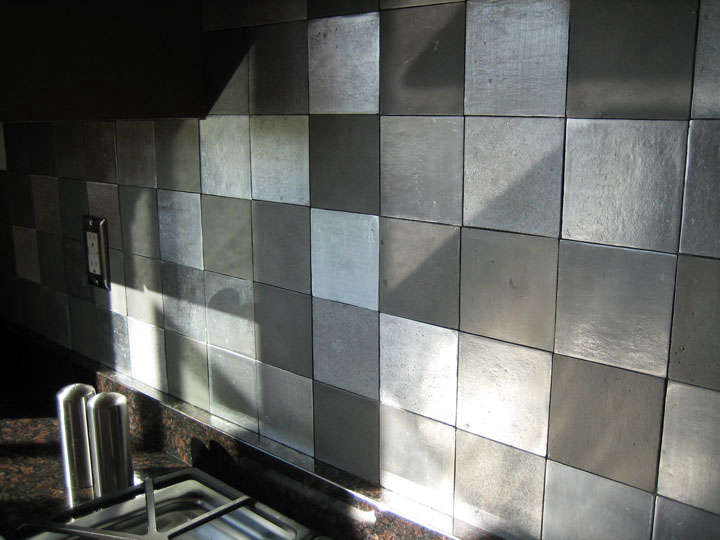
Recycled metal tiles are proof that a building material can have a second actand look ridiculously good while doing it. Instead of sending valuable scrap metal to the landfill, manufacturers can transform aluminum, stainless steel, copper, brass, and other metals into decorative tiles for backsplashes, accent walls, fireplace surrounds, countertops, and even commercial interiors. The result is a surface that feels modern, durable, and just a little bit dramaticin the best possible way.
For homeowners, designers, builders, and sustainability-minded renovators, recycled metal tiles offer a useful blend of beauty and practicality. They can add shine to a small kitchen, texture to a bathroom wall, or an industrial edge to a restaurant bar. They are also part of a larger movement toward circular design: using materials that already exist, reducing waste, and choosing products with longer life spans.
Of course, recycled metal tile is not magic. It still needs proper installation, thoughtful design, and regular maintenance. But when chosen well, it can turn an ordinary wall into a conversation starter. And unlike some design trends that disappear faster than leftover pizza at a contractor meeting, metal tile has the advantage of durability, recyclability, and timeless visual punch.
What Are Recycled Metal Tiles?
Recycled metal tiles are tiles made fully or partially from reclaimed metal. The metal may come from post-consumer sources, such as used aluminum products, or pre-consumer sources, such as manufacturing scrap. The recycled material is cleaned, melted, formed, cast, stamped, or bonded into tile products that can be used in residential and commercial interiors.
Some recycled metal tiles are solid cast metal. Others are thin metal caps bonded to a ceramic, porcelain, resin, or composite backing. Some are mosaics mounted on mesh sheets, while others are larger field tiles designed for a cleaner, more architectural look. The term “recycled metal tiles” can describe a wide range of products, so it is important to check the actual recycled content, finish, backing material, and recommended applications before buying.
Common Metals Used in Recycled Tile
The most common metals used in recycled metal tile include aluminum, stainless steel, copper, brass, and bronze. Aluminum is lightweight and highly recyclable, making it popular for decorative wall tile. Stainless steel is known for its clean, professional look and resistance to stains. Copper and brass bring warmth, patina, and a handcrafted feel. Bronze can create a rich, aged appearance that works beautifully in traditional, rustic, or luxury spaces.
Each metal has its own personality. Stainless steel says, “I own a very organized spice drawer.” Copper says, “I enjoy character, history, and possibly artisan bread.” Aluminum says, “I am modern, practical, and easy to work with.” The right choice depends on your design goals, budget, maintenance preferences, and where the tile will be installed.
Why Recycled Metal Tiles Are a Smart Sustainable Choice
The sustainability story behind recycled metal tiles starts with a simple idea: metals are valuable resources. Many metals can be recycled repeatedly without losing their essential properties. That makes them well suited for circular building products, especially when compared with materials that are difficult to recover or reuse at the end of their life.
Using recycled content can help reduce demand for newly mined raw materials. It can also support waste reduction by turning scrap into something useful and attractive. In construction and remodeling, where debris can pile up quickly, choosing recycled or recyclable materials is one way to design with less waste in mind.
Aluminum is especially notable because recycling it uses far less energy than producing primary aluminum from raw ore. Steel is also one of the world’s most recycled materials and can be made into new steel products again and again. When these metals are incorporated into tile, they bring that broader recycling advantage into everyday surfaces.
Recycled Content vs. Recyclability
One detail worth understanding is the difference between recycled content and recyclability. Recycled content means the product contains material that has already been recycled. Recyclability means the product can potentially be recycled after use. A tile can have one quality, both, or neither depending on its composition.
For example, a solid recycled aluminum tile may contain a high percentage of recycled metal and may also be recyclable at the end of its service life. A metal-faced tile bonded to a non-metal backing may still contain recycled metal, but it may be harder to separate and recycle later. This does not automatically make it a bad product, but it does mean buyers should read product documentation carefully.
Best Places to Use Recycled Metal Tiles
Recycled metal tiles are most often used as decorative surface materials. They are especially strong in spaces where a little shine, texture, or contrast can make the design feel complete.
Kitchen Backsplashes
The kitchen backsplash is one of the best places for recycled metal tiles. Metal naturally suits the kitchen because it pairs well with appliances, cabinet hardware, range hoods, and plumbing fixtures. Stainless steel tiles create a professional chef’s-kitchen feel, while recycled aluminum or copper tiles can soften the look with hammered, brushed, or aged finishes.
For a small kitchen, a metal backsplash can reflect light and make the room feel brighter. For a large kitchen, metal mosaics can add movement without overwhelming the design. The key is balance. If your countertops are busy and your cabinets already have a strong grain pattern, choose a simpler metal tile. If your kitchen is mostly white or neutral, a textured recycled metal tile can be the star of the room.
Bathroom Accent Walls
Recycled metal tiles can work beautifully in bathrooms, particularly as accent walls, vanity backsplashes, or decorative borders. However, wet areas require caution. Not every metal tile is suitable for direct shower exposure, and some metals may react to moisture if they are not properly sealed or finished.
In bathrooms, stainless steel and aluminum are often more practical than untreated copper or brass. If you love the look of copper, choose a product designed for damp environments and follow the manufacturer’s sealing and cleaning instructions. A bathroom should feel relaxing, not like a science experiment in oxidation.
Fireplace Surrounds
Metal tiles are a natural match for fireplace surrounds because they can provide heat resistance, reflect light, and add architectural texture. Recycled aluminum, bronze, copper, and stainless steel tiles can all create a striking frame around a fireplace.
Before installation, confirm the tile’s heat rating and recommended clearance from direct flame or high temperatures. Some decorative metal tiles are suitable for fireplace surrounds but not for fireboxes. Adhesives, backings, and finishes matter just as much as the visible metal surface.
Commercial Interiors
Restaurants, hotels, boutiques, offices, and bars often use metal tiles because they offer visual impact and durability. A recycled metal tile wall behind a reception desk can make a lobby feel polished. A metallic bar front can catch evening light and create atmosphere. In retail spaces, metal tile can add a premium look without relying on heavy stone slabs.
For commercial use, durability, cleanability, fire ratings, and code compliance should always be reviewed. The good news is that metal tiles can be both practical and memorable, which is a rare combination in design. Many materials are either gorgeous but fussy, or tough but boring. Metal tile can do both.
Design Styles That Work Well With Recycled Metal Tiles
Recycled metal tiles are surprisingly flexible. They can look sleek, rustic, industrial, vintage, modern, or handmade depending on the finish and layout.
Modern and Minimalist
For modern spaces, choose brushed aluminum, satin stainless steel, or smooth large-format metal tiles. Keep grout lines narrow and use a simple grid or stacked pattern. Pair the tile with flat-panel cabinets, quartz countertops, and matte black or chrome fixtures for a clean, streamlined look.
Industrial and Urban
Industrial interiors welcome metal with open arms. Recycled metal tiles pair well with exposed brick, concrete floors, reclaimed wood, black steel frames, and Edison-style lighting. A hammered or weathered finish can add depth, while stainless steel mosaics can bring a sharper, loft-like energy.
Rustic and Farmhouse
Rustic design does not have to mean shiplap on every vertical surface known to humanity. Copper, bronze, and aged brass metal tiles can bring warmth to farmhouse kitchens and cozy bathrooms. Look for hand-cast, hammered, or patinated surfaces that feel imperfect in a beautiful way.
Luxury and Art Deco
Metal tile can also lean glamorous. Brass, bronze, and geometric metallic mosaics work well in Art Deco-inspired interiors. Use them in powder rooms, wet bars, or small accent areas where a little drama is welcome. Think of it as jewelry for the wallsparkly enough to notice, but not so much that the room starts demanding a velvet rope.
Pros and Cons of Recycled Metal Tiles
Benefits
One major advantage of recycled metal tiles is durability. Metal surfaces can resist heat, stains, and general wear when properly finished and installed. Many metal tiles are easy to wipe clean, which makes them useful in kitchens and high-traffic areas.
Another benefit is design impact. Metal tile can add texture, reflection, and contrast in ways that ceramic or stone sometimes cannot. Recycled metal also supports sustainability goals by incorporating reclaimed materials into a long-lasting product.
Recycled metal tiles may also be lighter than natural stone, depending on the product construction. That can make them easier to install on walls. Many mosaic sheets are designed for standard tile installation methods, though product-specific instructions should always be followed.
Potential Drawbacks
The biggest drawback is cost. Recycled metal tiles can be more expensive than basic ceramic tile, especially if they are hand-cast or made from premium metals like copper or bronze. Installation may also cost more if the tile requires special cutting tools or careful handling.
Metal can scratch, dent, or show fingerprints depending on the finish. Highly polished tiles may reveal smudges more easily, while brushed or hammered finishes tend to be more forgiving. Some metals, especially copper and brass, may develop patina over time. Many people love that natural aging process, but others prefer a finish that stays consistent.
Another consideration is compatibility. Not all metal tiles are suitable for floors, showers, exterior walls, or high-heat areas. Always check the manufacturer’s recommendations before falling in love with a tile sample. Tile samples are charming little objects, but they do not always tell the whole story.
How to Choose High-Quality Recycled Metal Tiles
Start by asking for the recycled content percentage. A reputable supplier should be able to explain whether the content is pre-consumer, post-consumer, or a mix of both. If sustainability is a priority, look for documentation rather than vague claims like “eco-inspired” or “green-looking.” A leaf icon on a label is nice, but it is not a technical specification.
Next, review the tile construction. Is it solid metal, cast metal, metal over ceramic, or metal over resin? What adhesive or backing is used? Can it be cut with standard tools? Is it approved for the surface where you want to install it?
Also compare finishes. Brushed, hammered, sandblasted, polished, antiqued, and patinated finishes all behave differently. Textured finishes can hide fingerprints and small scratches. Smooth mirror-like finishes can look dramatic but may require more cleaning.
Finally, order samples. Metal changes dramatically under different lighting. A tile that looks warm and subtle online may look bold in your kitchen at noon. A sample lets you test color, reflection, texture, and compatibility with cabinets, countertops, flooring, and fixtures.
Installation Tips for Recycled Metal Tiles
Installation depends on the exact tile type, but a few principles apply to most recycled metal tile projects.
Prepare the Surface
The wall or substrate should be clean, flat, dry, and stable. Uneven surfaces can cause metal tiles to reflect irregularly, making flaws more visible. If the tile is being installed behind a stove, sink, or fireplace, the substrate and adhesive must be appropriate for heat and moisture conditions.
Use the Right Adhesive
Some metal tiles require specific thinset, epoxy, or adhesive products. Others may not be compatible with certain mortars because of chemical reactions or bonding issues. Follow the manufacturer’s instructions exactly. This is not the moment to freestyle with whatever bucket is left in the garage.
Cut Carefully
Cutting metal tile can require a wet saw with the correct blade, a metal-cutting blade, aviation snips, or specialty tools depending on the product. Edges can be sharp, so gloves and eye protection are important. If the layout involves many outlets, corners, or detailed cuts, hiring an experienced installer may be worth the money.
Choose Grout Wisely
Some metal tiles are installed with grout, while others are designed for tight joints or special edge treatments. Sanded grout can scratch certain finishes, so unsanded grout is often recommended for delicate metal surfaces. Always test grout on a sample before committing to the full wall.
Cleaning and Maintenance
Most recycled metal tiles are easy to maintain with mild soap, warm water, and a soft cloth. Avoid abrasive pads, harsh cleaners, bleach, ammonia, and acidic products unless the manufacturer specifically approves them. Metal tile is tough, but it is not asking to be attacked by a scouring pad with something to prove.
Stainless steel may benefit from cleaning along the grain to avoid visible streaks. Copper and brass may require special care if you want to preserve the original finish. If the tile has a clear protective coating, use gentle cleaners that will not strip or cloud the surface.
In kitchens, wipe splashes and grease regularly. In bathrooms, keep ventilation strong and dry surfaces when needed. For fireplace surrounds, dust gently and avoid cleaners that could react with heat-exposed finishes.
Cost and Value Considerations
Recycled metal tile pricing varies widely. Basic metal mosaic sheets may be moderately priced, while hand-cast recycled aluminum, artisan copper, or custom bronze tiles can cost significantly more. Installation can also add to the budget if the product requires special handling.
However, value should not be measured only by square-foot cost. Metal tile is often used in smaller feature areas where a modest quantity can create a large visual effect. A backsplash, niche, fireplace surround, or powder-room wall may require far less material than a full floor installation.
For budget-conscious projects, consider using recycled metal tile as an accent rather than covering an entire room. A vertical strip behind a range, a framed panel above a vanity, or a small bar backsplash can deliver the look without turning your renovation budget into modern art.
Recycled Metal Tiles vs. Other Eco-Friendly Tile Options
Recycled metal tiles are not the only sustainable tile choice. Recycled glass, recycled ceramic, porcelain with recycled content, reclaimed clay tile, terrazzo, and responsibly manufactured ceramic tile can all be strong options. The best choice depends on your project goals.
Metal tile stands out for reflectivity, durability, and a modern design language. Glass tile offers color depth and translucency. Ceramic and porcelain provide broad style variety and excellent long-term performance. Reclaimed tile offers character and reuse value. In many projects, the smartest sustainable design uses a mix of materials in the right places.
If your priority is a sleek kitchen backsplash, recycled metal tile may be ideal. If you need a slip-resistant bathroom floor, porcelain may be better. If you want a colorful accent wall, recycled glass could win. Sustainability is not about choosing the trendiest “green” product; it is about choosing the right material for the job so it lasts.
Buying Checklist for Recycled Metal Tiles
- Confirm the recycled content percentage and whether it is post-consumer or pre-consumer.
- Check whether the tile is solid metal, metal-faced, cast, stamped, or backed with another material.
- Verify approved applications: backsplash, bathroom wall, fireplace surround, floor, commercial wall, or exterior use.
- Ask about heat, moisture, stain, and scratch resistance.
- Review cleaning and sealing requirements.
- Order samples and view them in your actual lighting.
- Follow manufacturer installation instructions for adhesive, grout, cutting, and sealing.
Real-World Experience: Living With Recycled Metal Tiles
Working with recycled metal tiles feels different from working with ordinary wall tile. The first thing most people notice is the weight and texture. A recycled aluminum tile, for example, can feel substantial without being as heavy as stone. A hammered finish catches light in small flashes, so the wall changes throughout the day. In morning light, it may look soft and brushed. At night, under warm kitchen lighting, it can glow like the room suddenly learned how to dress for dinner.
One practical experience stands out in kitchen projects: metal tile makes a strong design statement even in small doses. A full wall of shiny metal can sometimes feel intense, especially in a compact kitchen. But a carefully placed backsplash behind the range can look intentional and high-end. It creates a focal point without making the entire room feel like the inside of a very stylish toaster.
Another lesson is that finish matters more than many buyers expect. Smooth polished metal looks glamorous in a showroom, but it can show fingerprints, water spots, and cleaning streaks. Brushed, hammered, antiqued, or sandblasted finishes are usually more forgiving in everyday life. For families who cook often, textured recycled metal tile can be a friendlier choice because it hides minor marks better.
Installation also deserves respect. Metal tiles can be less forgiving than ceramic when cuts are messy or walls are uneven. Around outlets, corners, and trim pieces, precision matters. A skilled installer will plan the layout before spreading adhesive, check how cut edges will be finished, and protect the tile surface during grouting. This preparation prevents the classic remodeling tragedy: beautiful tile, awkward edge, silent regret.
Cleaning is usually simple, but gentle habits are important. A soft cloth and mild soap handle most splashes. Abrasive cleaners can scratch finishes, and acidic cleaners may affect copper, brass, or protective coatings. In kitchens, wiping grease before it builds up keeps the surface looking fresh. In bathrooms, good ventilation helps reduce moisture issues. The maintenance routine is not difficult; it just requires avoiding the “more chemicals must mean cleaner” mindset.
From a design perspective, recycled metal tiles pair especially well with natural materials. Wood cabinets, stone counters, clay accessories, linen shades, and plants can balance the coolness of metal. Without that balance, the space may feel a little too hard or commercial. With it, the metal becomes a highlight rather than a takeover.
The most satisfying part of using recycled metal tile is the story behind it. Guests notice the surface first because it shines, reflects, or adds texture. Then they learn it is made from reclaimed metal, and suddenly the design has substance as well as style. That combination is powerful. It proves sustainable materials do not have to look plain, preachy, or like they belong in a science-fair booth. They can be elegant, durable, and full of character.
Conclusion
Recycled metal tiles bring together sustainability, durability, and serious design personality. They can transform kitchens, bathrooms, fireplaces, bars, and commercial interiors with texture, shine, and long-lasting performance. The best results come from choosing the right metal, finish, and installation method for the space. Look for verified recycled content, review product specifications, order samples, and treat installation as a precision job rather than a weekend guessing game.
Whether you prefer brushed stainless steel, warm copper, hand-cast recycled aluminum, or bold metallic mosaics, recycled metal tiles offer a smart way to make a surface feel special. They are not the cheapest tile option, and they do require thoughtful care, but their mix of beauty and responsible material use makes them a strong choice for modern remodeling. In a world full of forgettable walls, recycled metal tile gives your space something better: a surface with shine, strength, and a second life.