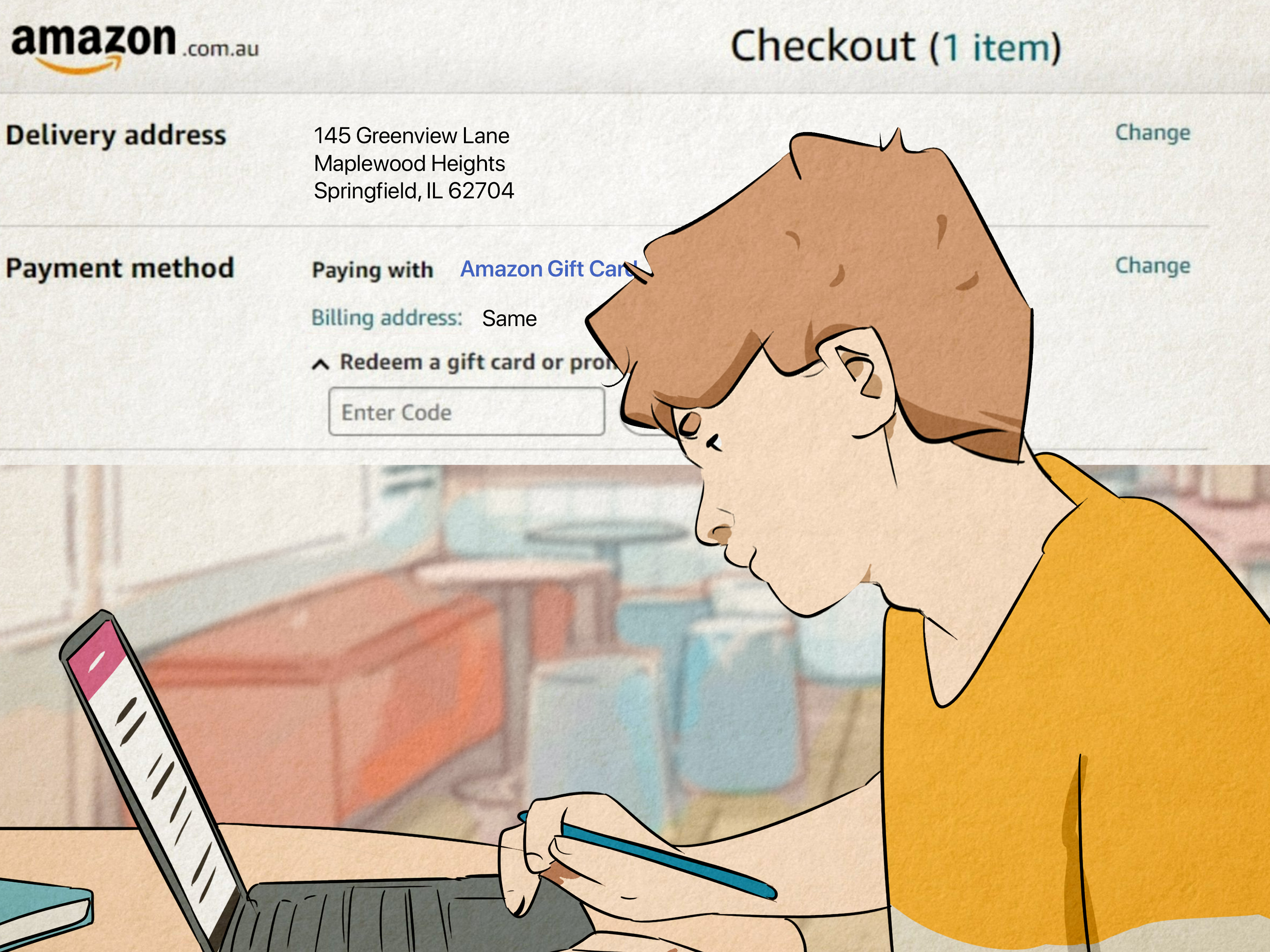
Let’s be honest: paying full price for anything feels a little dramatic when there’s a discount hiding two clicks away. Amazon Prime is no exception. Between free trials, student-style pricing, government-assistance discounts, and a few lesser-known ways to lower your real cost, there are legitimate ways to get Prime for free for a whileor at least stop paying more than necessary.
If you came here hoping for a secret lifetime hack involving coupon codes, smoke, and mirrors, bad news: there is no legal “free forever” button. But the good news is better. There are real, above-board ways to get Amazon Prime free temporarily, cut the price in half, or skip the full membership and still get some of the benefits you actually care about.
This guide breaks down the smartest ways to save on Amazon Prime, who qualifies, when a free trial makes sense, and when the cheapest move is actually not buying full Prime at all.
What Amazon Prime Costs Right Now
Before you start hunting for savings, it helps to know the baseline. A standard Amazon Prime membership costs more when you pay month to month than when you pay annually. That means the first “discount” is not even a promoit’s simply choosing the cheaper billing structure if you know you’ll keep the service.
For many shoppers, the monthly plan feels painless because it hides in plain sight. It is the subscription version of ordering dessert because the menu said “only $8.” But over a full year, monthly billing adds up to much more than the annual plan. If you use Prime all year, the annual option is usually the better value. If you only need Prime during heavy shopping months, a monthly plan or trial may be smarter.
How to Get Amazon Prime Free
1. Use the standard 30-day free trial
The most direct way to get Amazon Prime free is the official 30-day trial for eligible new members. This is the cleanest option because it gives you the full Prime experience without paying upfront. You get the headline perks people actually sign up for: fast shipping, Prime Video, Prime deals, Prime Gaming, and more.
This route is ideal if you want to test whether Prime fits your life or if you want temporary access around a specific shopping moment. Maybe you are moving, furnishing an apartment, replacing half your life after your old headphones died, or trying to survive a gift-buying season without losing your mind. A free month can be enough.
The catch is simple: you have to be eligible, and the trial auto-renews unless you cancel. So the truly elite money-saving move is not “sign up and forget.” It is “sign up, use it intelligently, and set a cancellation reminder the second you join.” Future you will be deeply impressed.
2. Get the six-month free trial through Prime for Young Adults
If you are between 18 and 24, or you are a qualifying higher-education student, Prime for Young Adults is one of the best legitimate deals Amazon offers. This program replaced what many shoppers still think of as Prime Student, which is why people often search for both names.
The big perk is the six-month free trial. Six months is not a trial. Six months is basically a relationship. After that, the membership continues at about half the standard Prime price, making it one of the strongest long-term savings options for eligible users.
This plan makes the most sense for college students, recent grads, and younger shoppers who use Prime for textbooks, dorm supplies, streaming, everyday basics, and last-minute “I forgot we had a group project” purchases. If you qualify, this is usually a better play than taking the standard 30-day trial.
3. Time your free trial around a high-value month
Not all free trials are created equal. A random month in February can be nice. A month timed around a major shopping event, a move, a school semester, the holidays, or a bunch of back-to-back purchases is much more valuable.
For example, if you know you plan to buy kitchen gear, electronics, toiletries, pet food, and birthday gifts in one stretch, that is a great time to use the trial. You can stack free shipping, member-only deals, and entertainment perks during the same month and squeeze more value out of the free period.
In other words, do not waste your free month on a quiet shopping season if you can schedule it for a moment when Prime actually works hard for you.
How to Get Amazon Prime at a Discount
4. Apply for Prime Access if you qualify
Prime Access is one of the most important Amazon discounts because it cuts the membership price roughly in half for eligible customers. It is designed for people who receive qualifying government assistance or who can verify income eligibility.
If you qualify, this is usually the best long-term way to reduce your cost without giving up the regular Prime benefits. You still get the core Prime experience, but at a much lower monthly rate than the standard plan. That makes a huge difference over time, especially if Prime is something you use every month for household essentials, grocery orders, streaming, or recurring family purchases.
And here is the detail many people miss: if you are already paying full price and later realize you qualify, switching can save you a meaningful amount every year. That is not a small tweak. That is dinner-money, gas-money, or “I can finally replace that broken toaster” money.
5. Choose annual billing instead of monthly
This is not glamorous, but it is real savings. If you know you rely on Prime year-round, paying annually is cheaper than sticking with the monthly plan. The difference over 12 months is enough to matter, especially if you are the kind of person who says, “It’s only fifteen bucks,” twelve times and then wonders where your money went.
Annual billing works best for frequent Amazon shoppers, families who order basics all the time, and people who already use several Prime perks beyond shipping. If you shop only occasionally, however, paying monthly only when needed can be the better move.
6. Use Amazon Household the right way
Another way to reduce the real cost of Prime is sharing eligible benefits through Amazon Household. This is not the same thing as casually tossing your password at every cousin, roommate, ex-roommate, and person who once helped you move a couch. It is an official sharing option designed for a household setup.
If you share Prime with another adult in your household, the effective cost per person can drop dramatically. That turns a full-price membership into something much easier to justify. Just remember that household sharing comes with rules, and it is meant for legitimate household usenot a creative social experiment in subscription chaos.
When Full Prime Is Not Your Cheapest Option
7. Get Prime Video only if streaming is all you want
A lot of people say they “need Prime,” but what they really mean is they want to watch shows on Prime Video. Those are not the same thing. If streaming is your main goal and you do not care much about delivery perks, Prime Video on its own may be a lower-cost alternative.
This matters because a full Prime membership includes a lot of extras. That can be great if you actually use them. But if you only want video, paying for the entire bundle can feel like buying a theme park ticket just to use the bathroom.
So before you subscribe to full Prime, ask yourself a brutally honest question: am I here for the shipping, or am I here for the shows? Your bank account deserves the truth.
8. Skip Prime entirely if you only want to use SNAP EBT on Amazon
Another overlooked point: you do not need a Prime membership just to shop with SNAP EBT on Amazon. That is important because some people assume Prime is required for every useful Amazon feature. It is not.
If your main goal is using SNAP EBT to buy eligible groceries and household basics online, you may be able to do that without paying for full Prime at all. That makes a big difference for budget-conscious shoppers who want convenience but do not need the whole Prime bundle.
9. Consider the lower-cost grocery subscription if that is your priority
If grocery delivery is the main reason you are eyeing Prime, look at the grocery-specific options available to registered EBT customers and members. In some cases, the lower-cost grocery subscription can be a better match than a full Prime membership.
This is one of those practical savings moves that does not sound glamorous in conversation but works beautifully in real life. You do not win money by buying the fanciest option. You win money by buying the option that matches your actual habits.
Other Amazon-Related Discounts Worth Knowing
10. Watch for add-on savings if you are already a Prime member
Once you have Prime, Amazon layers in extra member-only perks that can increase your value. Depending on what you use, that might include grocery deals, prescription savings, fuel discounts, Grubhub+ access, photo storage, gaming perks, or special sale access.
These extras should not be the only reason you subscribe. But if you are already paying for Prime, they can make the membership feel more worthwhile. The important thing is to count only the perks you actually use. A benefit you never touch is not savings. It is just decorative marketing.
11. Pair Prime with a cash-back strategy
If you are already a Prime member and shop on Amazon often, a cash-back strategy can lower your effective cost. That may mean using an eligible Prime rewards card, timing purchases around rotating bonus categories, or paying your annual renewal when your card offers stronger cash-back rewards.
This is especially useful for households that already buy paper towels, pet supplies, electronics, supplements, cleaning products, and gifts on Amazon. Small percentages back on routine purchases can quietly offset a chunk of the membership cost over time.
Just keep one rule in mind: a rewards strategy only saves money if you would buy the item anyway. “I earned 5% back” is not a financial victory if you also bought three unnecessary storage bins and a novelty waffle maker at 1 a.m.
How to Decide Which Option Is Best for You
If you want Prime for free right now
Go with the standard 30-day trial if you are eligible, or the six-month Young Adults trial if you qualify for that program. Use the trial during a month when you will actually shop or stream enough to benefit.
If you want the cheapest long-term Prime plan
Prime Access is usually the best answer for eligible customers. If you do not qualify for that, Prime for Young Adults is the next strongest discount for younger shoppers and students.
If you only care about one Prime perk
Do not assume you need the full bundle. Prime Video-only, grocery-specific options, or simply shopping Amazon without Prime may be cheaper than paying for every bell and whistle.
If you live with another adult
Check whether Amazon Household can reduce your effective cost. Shared legitimate household use can be much smarter than two separate full-price memberships.
Mistakes to Avoid When Trying to Save on Prime
Do not trust sketchy “free Prime forever” hacks. If it sounds like something discovered in a dim forum at 2:13 a.m., back away slowly.
Do not forget the renewal date. The free trial is fantastic right up until it becomes a paid subscription you forgot about.
Do not buy full Prime when you only need one benefit. Bundles are useful, but only when you actually use the bundle.
Do not ignore eligibility-based pricing. Many people qualify for a lower price and keep paying full price simply because they never checked.
Do not confuse “discount” with “deal.” A lower price on a membership is helpful. A lower price on a membership you still do not need is just a cheaper mistake.
Final Thoughts
If you want to get Amazon Prime free, the real options are straightforward: use the official 30-day trial or qualify for the six-month trial through Prime for Young Adults. If you want to keep Prime without paying full price, Prime Access and Young Adults pricing are the standout discounts. And if you only want streaming or grocery perks, you may not need a full Prime membership at all.
The smartest strategy is not finding the most complicated trick. It is matching the membership to your real life. Use the free trial when the timing is valuable. Take the discount if you qualify. Share benefits properly if your household setup allows it. And if full Prime is overkill, skip it without guilt. Jeff Bezos will be okay.
Real-World Experiences: What This Looks Like in Practice
In real life, the best Amazon Prime strategy usually depends less on the membership itself and more on how people shop. A college freshman, for example, often gets the most value from the six-month Young Adults trial because the first semester tends to involve a parade of urgent purchases: bedding, chargers, laundry supplies, notebooks, snacks, and a desk lamp that somehow becomes an emergency at 11:47 p.m. For that person, free shipping plus streaming plus the lower price after the trial can make perfect sense. The membership is not magical, but it removes friction during a chaotic season.
For a budget-conscious family already stretching every dollar, the experience can be different. If someone qualifies for Prime Access, the lower monthly rate may be the reason Prime becomes realistic instead of feeling like a luxury. In that situation, the value is often less about flashy perks and more about convenience and predictability. Being able to order household basics, compare prices, and avoid some last-minute store runs can genuinely help. But even then, the smartest users tend to stay picky. They use the benefits they need, skip the ones they do not, and do not let the phrase “free shipping” turn into a personality trait.
Then there is the occasional shopper who signs up for a free trial during a high-spending month and treats it like a tactical mission. This person does not need Prime all year. They need Prime for one apartment move, one holiday season, or one chaotic month when five family birthdays and a broken coffee maker all happen at once. For them, the trial works best as a temporary tool, not a permanent subscription. That is often the most cost-effective move of all.
Another common experience is the streaming-first customer who assumes full Prime is the only path to Prime Video. Once they realize a standalone video option exists, the math changes. If they are not ordering products frequently, paying less for just the entertainment side can be the smarter solution. The same logic applies to grocery-focused shoppers who may benefit more from a grocery-specific setup than from a full Prime membership.
What all of these experiences have in common is simple: people save the most when they stop treating Prime like a status symbol and start treating it like a tool. The shoppers who feel happiest with Prime are usually the ones who know exactly why they signed up. The ones who regret it are often the people who joined because everyone else had it, then forgot it was renewing quietly in the background like a very polite little vacuum cleaner for their wallet.