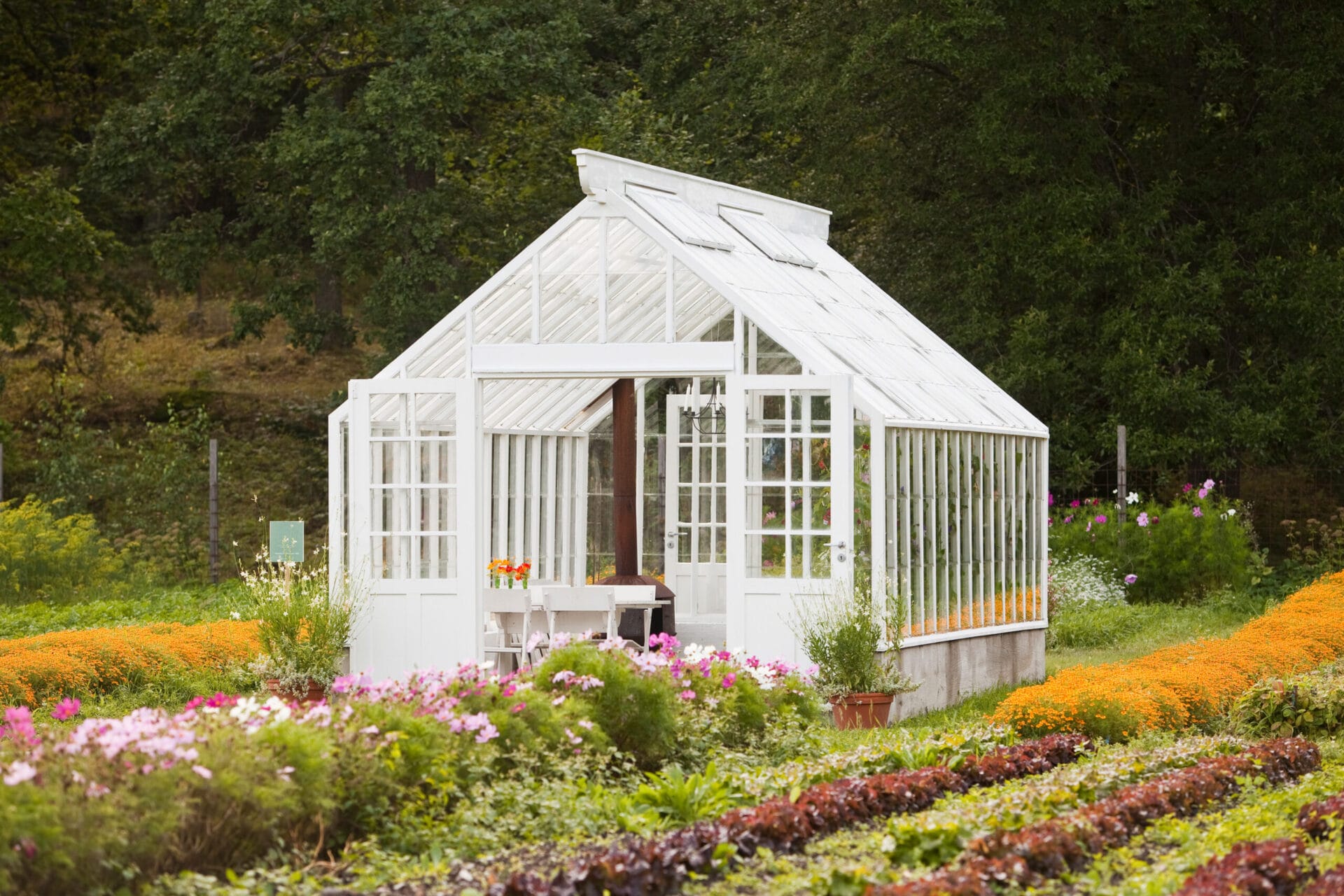
Some people see a stack of old windows and think, “That belongs in a landfill.” Gardeners, being wonderfully strange creatures, see the same stack and think, “That is clearly a tomato palace waiting for its crown.” That is the magic behind greenhouses made from recycled windows: they turn yesterday’s remodeling leftovers into tomorrow’s seed-starting sanctuary.
A recycled window greenhouse is more than a charming backyard project. It is a practical way to reuse salvaged materials, save money, extend the growing season, and build a structure with genuine character. No two old-window greenhouses look exactly alike, which is part of the fun. One may resemble a tiny Victorian conservatory. Another may look like a cheerful garden shed that accidentally joined a farmers market.
But before grabbing a drill and declaring yourself the mayor of Greenhouse Town, it helps to understand what works. Old windows are beautiful, but they are not magic. A good greenhouse still needs sunlight, airflow, a stable frame, safe materials, weather protection, and enough room to move around without knocking over a tray of basil like a sitcom character.
Below are four smart greenhouse ideas made from recycled windows, plus design tips, safety notes, and practical experience to help you build something that is useful, sturdy, and worthy of being shown off to every visitor who makes the mistake of asking, “So, what’s new in the garden?”
Why Build a Greenhouse From Recycled Windows?
Recycled window greenhouses are popular because they hit the sweet spot between sustainability and style. New greenhouse kits can be expensive, especially if you want real glass, a solid frame, or a structure large enough to do more than shelter three nervous lettuce seedlings. Salvaged windows, by contrast, can often be found through remodeling projects, architectural salvage stores, community reuse centers, yard sales, online local marketplaces, or generous neighbors who are thrilled someone will haul away the evidence of their home renovation.
The benefits are easy to love. Reused windows reduce waste. The glass allows sunlight to reach plants. The individual panes add texture and personality. And because many old windows come in different sizes, the final structure often has a whimsical patchwork look that feels more handcrafted than store-bought.
That said, practical planning matters. Greenhouses should receive strong winter light, ideally from a sunny south or southeast exposure. They also need ventilation, because glass structures can overheat quickly on bright days. A greenhouse is basically a sun-powered box, and without airflow, it can turn from “cozy plant spa” into “leafy sauna of doom.”
Before You Build: Important Safety and Planning Tips
Check Old Windows for Lead Paint
Many salvaged windows are older than they look, and some may contain lead-based paint. This is especially important with pre-1978 windows or doors. Scraping, sanding, or disturbing painted surfaces can create hazardous dust. If the paint history is unknown, test the windows or consult local rules before using them. Do not sand mystery paint in your garage while telling yourself, “It’s probably fine.” That is not a safety plan; that is a plot twist.
Choose a Sunny, Well-Drained Site
A greenhouse made from recycled windows should sit where it receives at least several hours of unobstructed sunlight during the cooler months. South and southeast locations are usually best in much of the United States. Avoid low spots that collect water, and think about wind exposure. A slightly protected site can reduce stress on the structure, but too much shade will limit plant growth.
Design Around the Windows You Actually Have
This is the golden rule of old-window greenhouse design: do not design your dream greenhouse first and then demand that random windows behave like custom building materials. Measure every window. Group similar sizes together. Sketch wall sections on paper. Use the biggest, strongest windows where they make structural sense, and save odd pieces for upper walls, decorative panels, or cold-frame-style vents.
Plan Ventilation From Day One
Operable windows are your best friends. Roof vents, hinged upper windows, doors that open wide, and cross-ventilation help control heat and humidity. Even a small recycled window greenhouse can become too hot for seedlings on a sunny spring afternoon. Ventilation is not an optional luxury; it is plant insurance.
1. The Patchwork Cottage Greenhouse
The patchwork cottage greenhouse is the classic recycled-window look: a freestanding structure built with a wood frame and mismatched windows arranged like a cheerful puzzle. It may have a peaked roof, a salvaged door, and walls filled with glass panes of different shapes and sizes. If greenhouses had personalities, this one would wear linen, bake sourdough, and know the names of all its heirloom tomatoes.
Best For
This style works well for gardeners with a medium-sized yard and a decent collection of salvaged windows. It is ideal for seed starting, growing herbs, overwintering hardy plants, and creating a beautiful garden focal point.
How It Works
The safest way to build a patchwork greenhouse is to construct a strong frame first, usually with exterior-grade lumber. The windows are then installed into framed openings rather than being expected to support the whole structure. Old windows should be treated as glazing, not as the bones of the building.
A simple rectangular footprint is easiest. Many builders use pressure-treated lumber or rot-resistant wood for the base, then frame the walls with studs. The windows can be seated with exterior caulk or glazing compound, secured with trim strips, and protected from water intrusion with proper flashing or overhangs.
Design Tip
Group windows by height when possible. A row of similarly sized windows makes the walls look intentional, even if the panes came from three different houses and one suspiciously enthusiastic estate sale. Use smaller windows near the roofline or on gable ends where custom fitting is easier.
2. The Lean-To Greenhouse Against a Shed or Garage
A lean-to greenhouse made from recycled windows is a clever choice when space is limited. Instead of building four full walls, the greenhouse uses an existing wall of a garage, shed, barn, or house as one side. This saves materials, adds wind protection, and can make the project feel less intimidating.
Best For
This design is excellent for small yards, side gardens, urban lots, and gardeners who want a compact propagation space. It is also helpful when you want your greenhouse near electricity, water, tools, or a potting bench.
How It Works
The structure usually has a sloped roof that drains away from the existing building. Recycled windows can form the front and side walls, while clear polycarbonate panels, corrugated greenhouse panels, or carefully framed glass can cover the roof. In snowy or windy areas, roof strength matters. A charming roof that collapses under winter weather is not charming; it is a very expensive birdbath.
The lean-to design should be attached properly and flashed to prevent water from entering the existing wall. The base should be level and well-drained. If the greenhouse is attached to a heated structure, consider whether heat transfer, moisture, and building codes apply.
Design Tip
Install at least one upper vent or hinged window near the high side of the structure. Warm air rises, and a high vent allows heat to escape. Pair it with a lower opening or door for better airflow.
3. The Mini Greenhouse for Seed Starting
Not every greenhouse has to be large enough to host a tea party for the neighborhood gardening club. A mini greenhouse made from recycled windows can sit over a raised bed, against a fence, or beside a potting area. Think of it as a cold frame that went to finishing school.
Best For
This option is ideal for beginners, renters with permission, small-space gardeners, and anyone who wants to start seeds earlier in spring without committing to a full backyard structure. It is also a smart test project before building something larger.
How It Works
A mini greenhouse can be built from a few old windows hinged to a wooden box or low frame. The windows act as lids or angled glass panels, trapping warmth and protecting seedlings from chilly nights, wind, and heavy rain. During sunny days, the lids must be propped open to prevent overheating.
Because mini greenhouses are low to the ground, drainage is crucial. Use rot-resistant lumber, leave space for airflow, and avoid placing wood directly on soggy soil. A gravel base or raised bed foundation can help keep the structure dry.
Design Tip
Use automatic vent openers if your budget allows. These temperature-sensitive devices can open a vent when the greenhouse warms up. They are especially useful for gardeners who cannot sprint outside every time the sun appears like a dramatic garden superhero.
4. The Greenhouse-Potting Shed Hybrid
The greenhouse-potting shed hybrid is the dream build for gardeners who want both plant space and workspace. One side may be mostly glass for growing, while the other includes solid walls, shelves, hooks, a bench, and storage for pots, soil, labels, and the forty-seven pairs of pruners that somehow disappear every season.
Best For
This design is great for serious hobby gardeners, flower growers, seed starters, and anyone who wants a beautiful backyard destination rather than a simple plant shelter. It can also double as a cozy garden retreat, though plants will absolutely judge your decorating choices.
How It Works
The hybrid design usually requires more planning because it combines two functions. The greenhouse side needs sunlight, glazing, and ventilation. The shed side needs weather resistance, storage, and enough headroom to work comfortably. Recycled windows can be used on the sunny wall, around the door, or as clerestory panels above solid lower walls.
A solid floor makes this design more comfortable. Pavers, gravel, brick, or concrete can work, depending on budget and drainage. Many DIY builders prefer pavers with gravel joints because they drain well, look natural, and can be repaired without hiring a construction crew named “Budget Regret.”
Design Tip
Keep the door opening outward. This preserves interior space and prevents the door from knocking into benches, seed trays, bags of potting mix, or your dignity.
Materials That Work Well With Recycled Windows
Old windows are only one part of the greenhouse. The supporting materials matter just as much. Exterior-grade lumber is common for framing. Cedar, redwood, treated lumber, or properly sealed wood can resist rot better than untreated boards. Galvanized screws, exterior nails, hurricane ties, and weather-resistant hinges help the structure survive real outdoor conditions.
For roofing, many DIY builders choose polycarbonate panels instead of old windows. Polycarbonate is lighter than glass, easier to fasten, and safer overhead. Recycled glass can look beautiful on walls, but roof glass must be handled with great caution. Tempered or laminated safety glass is better than ordinary fragile panes, especially where falling glass could injure someone.
For the floor, gravel is affordable and drains well. Pavers create a cleaner walking surface. Brick adds charm. A concrete slab is durable but more expensive and less forgiving if you later decide the greenhouse should have been twelve inches to the left, as gardeners often do immediately after finishing a project.
How to Make an Old-Window Greenhouse Look Intentional
The biggest design challenge with recycled windows is visual chaos. Mismatched panes can look artistic, but they can also look like a window truck crashed politely into your zucchini bed. The trick is repetition.
Paint all frames the same color. Align window tops where possible. Use consistent trim around each opening. Repeat materials on corners, baseboards, and roof edges. Add a simple door, matching hardware, and tidy paths leading to the entrance. Suddenly, the structure looks designed rather than assembled during a caffeine emergency.
Black, white, soft green, deep blue, and natural wood finishes all work well. Dark colors can unify mismatched parts, while white gives a classic cottage-garden effect. The right paint can make fifteen unrelated windows look like they attended the same design meeting.
What Can You Grow Inside?
A recycled window greenhouse can support many gardening goals, depending on climate, insulation, and whether you add heat. In spring, it is excellent for starting tomatoes, peppers, herbs, flowers, and cool-season vegetables. In fall, it can protect greens, herbs, and potted plants from light frosts. In winter, its usefulness depends heavily on local temperatures, glazing, sealing, and supplemental heat.
Do not assume a glass greenhouse will stay warm enough for tropical plants during freezing weather. Single-pane old windows lose heat quickly. If you want year-round production in a cold climate, you may need insulation, thermal mass, row covers inside the greenhouse, a safe heating system, or a more advanced passive solar design.
Common Mistakes to Avoid
Using Windows as Structure
Old windows should fill openings; they should not carry the load of the roof. Build a real frame first.
Forgetting Ventilation
Always include operable windows, vents, or doors. Plants need fresh air, and heat must escape.
Ignoring Water
Water is relentless. Use sloped roofing, flashing, caulk, overhangs, and a drained base to prevent rot.
Skipping Safety Checks
Inspect glass for cracks, test suspicious paint, wear protective gear, and avoid using fragile glass overhead.
Building Too Small
A tiny greenhouse fills up shockingly fast. Seed trays multiply. Pots appear from nowhere. Leave room for walking, working, and changing your mind.
Real-World Experience: What Building With Recycled Windows Teaches You
Building a greenhouse from recycled windows sounds romantic, and it is. It is also a very effective way to discover that old houses apparently had no universal window-size agreement. The first lesson is simple: collect more windows than you think you need. Some will be cracked, warped, too heavy, too small, or painted in a color that can only be described as “haunted mustard.” Extras give you flexibility.
The second lesson is that measuring is not a one-time event. Measure before you design, measure before you cut, measure before you install, and then measure again while quietly apologizing to the board you just trimmed too short. Recycled materials reward patience. Unlike new construction supplies, salvaged windows rarely arrive in neat identical stacks. That irregularity is beautiful, but only when the frame is planned carefully.
Ventilation is another experience-based reality check. Many first-time greenhouse builders focus on capturing warmth, then discover that spring sunshine can overheat seedlings faster than expected. A greenhouse does not need to be huge to get hot. Hinged windows near the top, a door that opens wide, and vents on opposite sides can make the difference between healthy plants and steamed lettuce.
Another practical tip: build comfort into the design. A narrow greenhouse may look cute online, but if you cannot turn around while holding a watering can, you will eventually resent it. Leave a walkway. Add shelves at useful heights. Create a landing spot for tools. Include hooks for gloves and twine. The best greenhouse is not just photogenic; it works on a Tuesday afternoon when you are tired, muddy, and trying to transplant seedlings before dinner.
Weatherproofing also deserves more attention than it usually gets. Old windows often have gaps, loose glazing, and worn frames. A bead of exterior caulk, fresh glazing compound, new trim, and careful flashing can extend the life of the greenhouse. Paint or seal exposed wood before installation when possible. It is much easier to coat a board on sawhorses than to crouch behind a tomato plant later, pretending you enjoy painting at ankle level.
Finally, recycled window greenhouses teach a valuable gardening mindset: perfection is not the goal. Usefulness is the goal. Beauty often arrives through problem-solving. A mismatched window becomes a charming vent. A leftover door becomes the entrance. Old pavers become the floor. Scrap lumber becomes a bench. The finished greenhouse carries a story in every pane, and that story is far more interesting than anything pulled straight from a catalog.
Conclusion
Greenhouses made from recycled windows combine sustainability, creativity, and practical gardening in one delightful project. Whether you choose a patchwork cottage greenhouse, a lean-to, a mini seed-starting structure, or a greenhouse-potting shed hybrid, the essentials remain the same: choose a sunny site, build a sturdy frame, plan ventilation, manage water, and handle old materials safely.
The best recycled window greenhouse does not have to be perfect. In fact, perfection would ruin half the charm. What matters is that it gives discarded materials a second life and gives your plants a protected place to grow. That is a pretty good deal: fewer windows in the waste stream, more seedlings on the bench, and one more reason to walk into the garden with coffee and pretend you are supervising a very tiny glass kingdom.