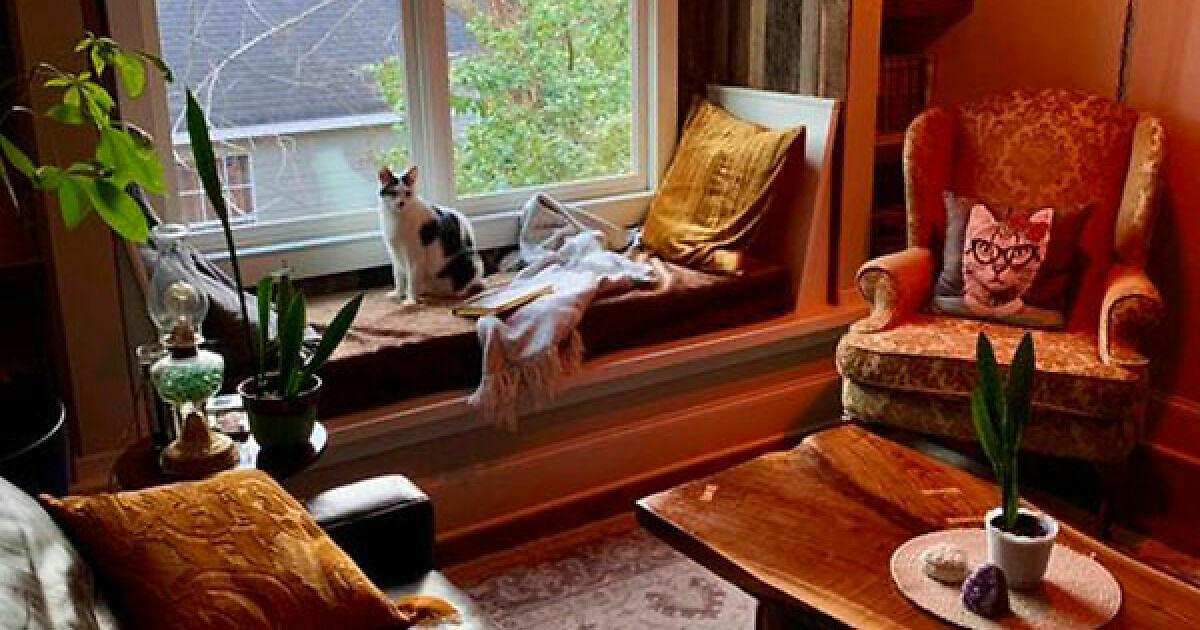
Every home has a spot that quietly says, “You’ve done enough today. Sit down. Bring snacks.” It might be a sunlit reading corner, a blanket-loaded couch, a tiny bedroom nook, a kitchen chair beside the coffee maker, or even a perfectly claimed section of the floor where the dog definitely thinks rent is included. The coziest place in your home is rarely the most expensive, most polished, or most magazine-ready space. More often, it is the place where comfort, personality, warmth, and daily ritual meet.
The phrase “Hey Pandas, show us the coziest place in your home” feels like an invitation to share more than decor. It asks people to reveal where they feel safe, relaxed, inspired, and most like themselves. In a world where homes often double as offices, classrooms, gyms, storage units, snack headquarters, and emotional support caves, the cozy corner has become more important than ever.
Based on ideas commonly recommended by reputable American home, design, wellness, and lifestyle sources, a cozy home is not about stuffing a room with pillows until it resembles a marshmallow landslide. It is about creating a space that supports the senses: soft texture, warm lighting, personal objects, practical comfort, clean air, gentle color, natural elements, and a feeling of being tucked away from the noise of the day.
What Makes a Place in Your Home Feel Truly Cozy?
Cozy is not one single style. It is a feeling. A minimalist apartment can be cozy. A farmhouse living room can be cozy. A small studio, a rented room, a dorm, or a family house with mysterious cereal crumbs in the sofa can all have a cozy place. The secret is emotional comfort plus physical ease.
Interior designers often talk about layers, and that idea matters. A cozy space usually includes layered lighting, layered textures, layered memories, and layered function. Instead of relying on one overhead light that makes everyone look like they are being questioned by airport security, a cozy room uses lamps, candles, shaded light, or natural sunlight to create softness. Instead of one cold surface, it adds throws, rugs, cushions, curtains, woven baskets, wood, plants, books, or fabric.
Cozy Is Personal, Not Perfect
The coziest place in your home should not look like it is afraid of human contact. A room can be beautiful and still feel stiff. Real coziness welcomes the evidence of life: a book left open, a blanket folded imperfectly, a mug on a side table, a pet bed nearby, family photos, travel souvenirs, handmade art, or that one ridiculous pillow nobody admits to loving but everyone uses.
Perfection can make a home feel like a furniture showroom. Personality makes it feel like yours. That is why the best cozy home ideas are not about copying a trend exactly. They are about asking, “What helps me exhale when I walk into this space?”
The Most Common Cozy Places People Love at Home
When people share the coziest place in their homes, a few favorites appear again and again. Each one works because it offers a specific kind of comfort.
1. The Reading Nook
A reading nook is the classic cozy champion. It can be a built-in bench under a window, a chair in the corner, a spot beside a bookshelf, or a transformed closet that now says, “I read novels here and absolutely do not fold laundry.”
To make a reading nook work, start with seating that supports your body. A comfortable chair, a small loveseat, a window seat, or a cushioned bench can all work. Add a side table for a book, tea, glasses, or phone. Then add focused lighting, such as a floor lamp or wall sconce, so the space is functional at night. Finish with a throw blanket, a pillow, and a small personal object, such as framed art or a plant.
2. The Couch Corner
The couch corner may be the most democratic cozy spot in the house. It asks very little of us. Sit, lean, tuck feet under blanket, become one with the cushions. A cozy couch corner often includes soft upholstery, warm throws, a good view of the television or fireplace, and enough table space for snacks. Snacks are not officially required by interior design law, but emotionally, yes, they are.
For extra comfort, pull furniture slightly away from the wall if space allows. This can make a living room feel more intentional and less like all the furniture is trying to escape. Add a rug to define the seating area, use lamps instead of only ceiling lights, and mix textures such as linen, wool, cotton, velvet, leather, rattan, or wood.
3. The Bedroom Sanctuary
The bedroom is often the most private room in the home, which gives it serious cozy potential. A comfortable bed is the obvious star, but the surrounding details matter. Soft bedding, breathable sheets, layered blankets, blackout curtains, warm bedside lighting, and clutter control all help turn a bedroom from “place where laundry gathers to discuss strategy” into a restful retreat.
Small bedrooms can feel especially cozy when they are planned well. Built-in storage, under-bed drawers, floating shelves, and multi-purpose furniture can reduce visual clutter. The goal is not to remove personality, but to give every item a home so the room feels calm instead of chaotic.
4. The Kitchen Comfort Spot
Not every cozy place involves a sofa. For many people, the coziest place in the home is in the kitchen. Maybe it is the breakfast table where morning light lands. Maybe it is a counter stool near the coffee machine. Maybe it is the place where someone always ends up chatting while dinner cooks.
Kitchens feel cozy when they combine function and warmth. A washable rug, under-cabinet lighting, open shelves with favorite mugs, a bowl of fruit, wooden cutting boards, plants, and warm metal finishes can soften the hard surfaces. Even a small kitchen can feel inviting when it smells good, works well, and has one small place to pause.
5. The Window Seat or Sun Spot
Humans are basically houseplants with responsibilities. We love light. A sunny window seat or corner can become a favorite home retreat because it connects the indoors with the outside world. Natural light, a view of trees, a city street, a garden, or even dramatic weather can make a small spot feel alive.
To build a cozy sun spot, add a cushion, a throw, a small table, and a plant that enjoys the available light. If privacy is an issue, sheer curtains can filter brightness while keeping the space soft. This kind of nook is perfect for reading, journaling, stretching, sipping coffee, or pretending to be the main character in a quiet indie film.
Design Elements That Make Any Home Feel Cozier
Whether your favorite place is a grand living room or a tiny corner beside the radiator, several design principles can increase comfort without requiring a full renovation.
Warm Lighting
Lighting is one of the fastest ways to change the mood of a room. Bright overhead lighting is useful for cleaning, cooking, and finding the earring you dropped in 2019. But for coziness, softer light usually wins. Table lamps, floor lamps, shaded bulbs, dimmers, string lights, and candles can create a more relaxing atmosphere.
Warm white bulbs often feel more comfortable in living spaces and bedrooms than cool, blue-toned bulbs. Layering different light sources also gives you control. A cozy room should be able to shift from bright and useful to soft and restful.
Texture You Can Feel
Texture is the difference between a room that looks finished and a room that feels inviting. Add textiles through blankets, pillows, rugs, curtains, upholstered furniture, wall hangings, or even fabric lampshades. Mix smooth, nubby, soft, woven, fluffy, and natural textures so the eye has somewhere to land.
A chunky knit blanket, a cotton quilt, a wool rug, a velvet pillow, or a woven basket can do more for coziness than another decorative object that nobody is allowed to touch.
Natural Materials and Plants
Wood, stone, clay, rattan, linen, cotton, and greenery bring a grounded feeling into the home. Biophilic design, which focuses on connecting indoor spaces with nature, has become popular because many people feel calmer around natural light, organic materials, and plants.
You do not need to turn your living room into a jungle unless that is your dream, in which case congratulations on your future watering schedule. A few low-maintenance plants, a wooden tray, fresh flowers, or nature-inspired artwork can make a room feel warmer and more restorative.
Personal Objects With Meaning
Cozy spaces tell a story. Display items that mean something: family photos, framed postcards, books you actually read, handmade ceramics, heirlooms, travel finds, children’s art, or a framed concert ticket. These objects create emotional warmth because they remind you of people, places, and experiences.
The key is editing. Too many objects can feel cluttered, while too few can feel impersonal. Choose pieces that make you smile, not pieces that merely fill space.
How to Create a Cozy Place in a Small Home
Small homes and apartments can be incredibly cozy because they naturally create intimacy. The challenge is preventing cozy from becoming cramped. The difference is organization, proportion, and smart use of space.
Use Corners Intentionally
A forgotten corner can become a mini retreat with one chair, one lamp, one pillow, and one small table. If there is no room for a chair, try a floor cushion, storage bench, or narrow wall-mounted shelf. The point is to create a destination, even if it is only three feet wide.
Choose Furniture That Works Hard
Storage ottomans, benches with drawers, nesting tables, wall shelves, and beds with storage help small spaces stay functional. Clutter is one of coziness’s sneakiest enemies. A room can have warmth and personality, but when every surface is overloaded, the brain starts making dial-up internet noises.
Keep Pathways Clear
A cozy space should be easy to enter and use. If you have to climb over a basket, rotate sideways past a chair, and negotiate with a laundry pile, the space is not cozy; it is an obstacle course with throw pillows. Clear pathways make even a small room feel calmer and more welcoming.
The Wellness Side of a Cozy Home
Cozy design is not just about aesthetics. The home environment can affect stress, focus, rest, and emotional well-being. A tidy, comfortable, and personal space can support a sense of control and calm. That does not mean your house must be spotless. Real homes get messy. The goal is not perfection; it is restoration.
Think of your coziest place as a recovery station. It should help you transition from doing to being. That may mean a quiet corner for reading, a meditation cushion, a craft table, a bedroom chair for journaling, or a porch seat where you listen to birds and pretend email does not exist.
Engage the Senses
The best cozy spaces appeal to more than sight. Consider touch, smell, sound, and temperature. A soft blanket, a favorite candle, a playlist, a mug of tea, fresh sheets, or a gentle fan can all help create a comforting ritual. Cozy is often built through repeated small experiences, not one big shopping trip.
Budget-Friendly Cozy Home Ideas
You do not need a celebrity designer, a giant sectional, or a suspiciously perfect throw blanket toss to make your home cozier. Start with what you already own.
Shop Your Home First
Move a lamp from one room to another. Swap pillows. Bring a chair closer to a window. Turn a tray into a coffee station. Gather scattered books into one attractive stack. Put your favorite mug where you can see it. Sometimes a home feels new simply because familiar items are arranged with more intention.
Add One Cozy Anchor
If you can buy one thing, choose the item that will make the biggest comfort difference. That might be a soft rug, a warmer lamp, better bedding, a reading chair, a storage basket, blackout curtains, or a throw blanket. Avoid buying random decor just because it is cute. Cute is nice. Useful and cute is the dream team.
Create a Ritual Zone
Design a spot around something you already love doing. If you drink coffee every morning, make a small coffee corner. If you read at night, create a bedside book nook. If you knit, draw, game, journal, or call friends, give that activity a comfortable home base.
Experiences: The Coziest Place in Your Home Is Where Life Softens
Ask people to show the coziest place in their home, and you will rarely get the same answer twice. One person will point to a velvet armchair by the window where the afternoon light turns everything golden. Another will show a sofa corner guarded by three blankets, two cats, and a remote control that has not been lost since Tuesday, which is basically a household miracle. Someone else may choose the kitchen table, not because it is beautifully styled, but because it is where homework gets finished, soup gets served, and family stories grow louder as the evening goes on.
The experience of coziness is deeply connected to memory. A chair becomes cozy because it is where you called your best friend after a hard day. A bedroom becomes cozy because it smells like clean laundry and feels separate from the world. A porch becomes cozy because it holds the small ritual of morning coffee. Even a messy craft desk can be cozy if it is where ideas come alive.
One of the most comforting home experiences is the slow transformation of an ordinary corner. At first, it may be nothing special: a blank wall, an unused chair, a window with decent light. Then you add a lamp. A week later, a blanket appears. A book lands on the table. A plant joins the scene, looking brave and slightly judgmental. Soon, the corner becomes a place you choose on purpose. That is the magic of cozy design: it is built through attention.
Another familiar experience is the seasonal shift. In summer, the coziest place may be near a breezy window with iced tea and linen curtains moving softly. In fall, it becomes the couch with a plaid blanket and something cinnamon-scented nearby. In winter, the bed may win every contest, especially if there are thick socks involved. In spring, a sunny breakfast chair or balcony corner might suddenly feel like the happiest place in the house.
Pets also have a way of identifying cozy spaces before humans do. If a cat sleeps in a spot, that location has passed a strict comfort inspection. If a dog curls up beside your chair every evening, congratulations, you have created a successful relaxation zone. Animals understand warmth, softness, light, and emotional safety better than most design trend reports.
The coziest place in your home may also be humble. It does not need built-ins, designer furniture, or dramatic before-and-after photos. It may be a corner of the bed where you read, a floor cushion beside a low table, a desk with a warm lamp, or a bathroom shelf with a candle and a tiny plant that deserves applause for surviving. What matters is that the space gives something back to you.
When readers share their cozy places online, the most engaging examples usually include a little imperfection. A blanket is rumpled. A mug is half full. A stack of books leans like it has secrets. A child’s toy sits under the chair. These details make the scene believable. They remind us that home is not a product photo; it is a living place.
So, if someone says, “Hey Pandas, show us the coziest place in your home,” do not worry about whether your space is impressive enough. Show the spot that feels like relief. Show the chair that knows your evening routine. Show the window where your plants gather. Show the sofa dent shaped suspiciously like you. The coziest place in your home is not defined by square footage or budget. It is defined by comfort, memory, and the quiet joy of having somewhere to land.
Conclusion
The coziest place in your home is where design becomes personal. It may be a reading nook, bedroom corner, kitchen seat, sunny window, or couch cushion kingdom. What makes it special is the combination of comfort, warmth, function, and meaning. By using soft lighting, layered textures, natural elements, personal objects, and thoughtful organization, anyone can create a cozy home retreat without starting from scratch.
In the end, a cozy place does not need to impress guests or follow every trend. It needs to support your real life. It should invite rest, creativity, connection, or quiet. And if it also has a blanket within arm’s reach, excellent. That is not clutter. That is strategy.
Note: This article was written in original American English and synthesized from current home design, interior decor, small-space living, and wellness concepts from reputable U.S.-focused sources.