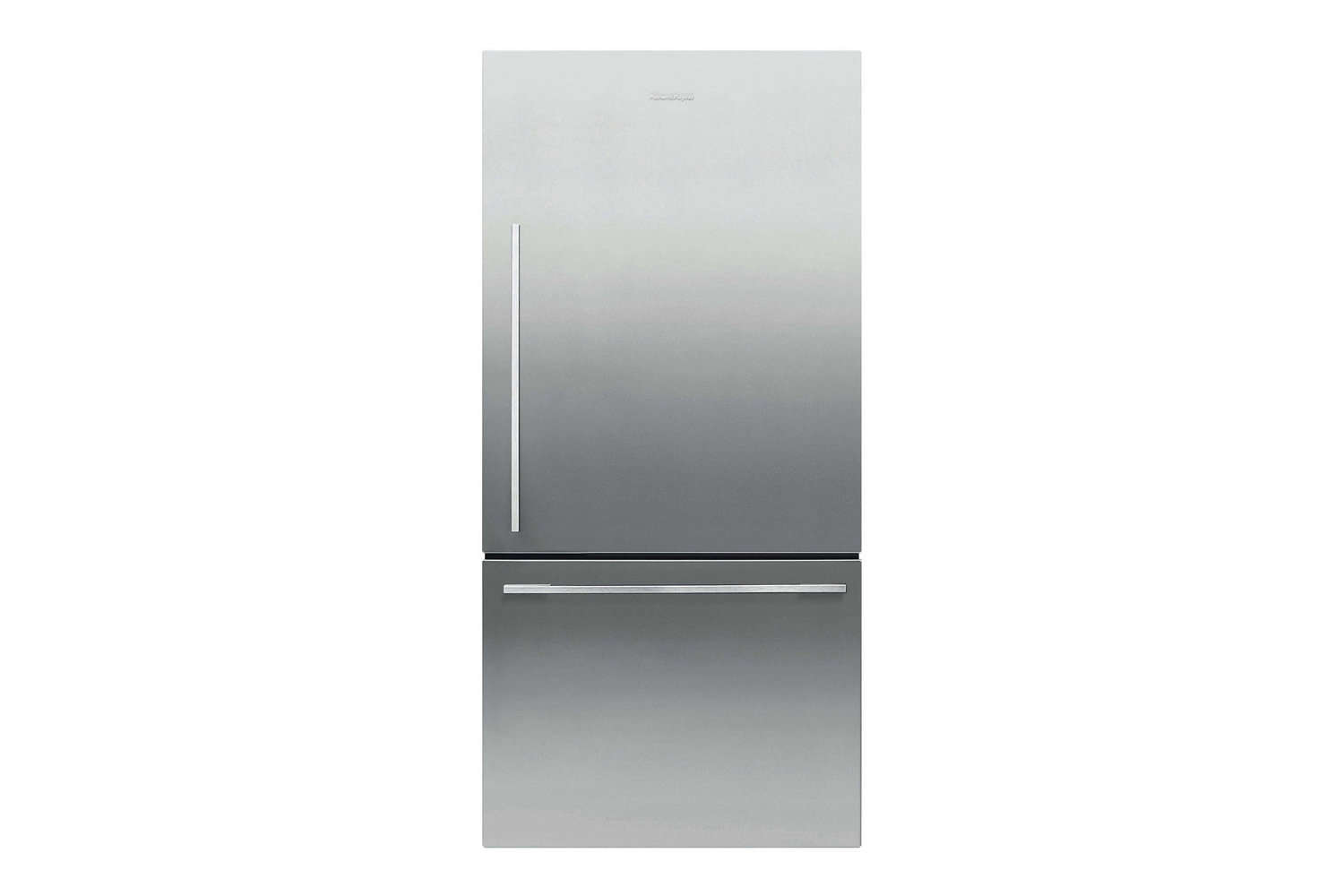
If your dream kitchen mood board is basically “minimalist calm” with a side of “where did the refrigerator go?” then welcome:
a 30-inch fully integrated, panel-ready bottom-freezer is your love language. Liebherr’s PremiumPlus lineup in this size is built
for people who want luxury refrigeration that does its job quietly, preserves food like a tiny Swiss vault, and doesn’t photobomb every
kitchen photo with a shiny stainless-steel rectangle.
This guide breaks down what the Liebherr PremiumPlus 30-inch fully integrated bottom-freezer is, why designers love it, which features
actually matter in daily life, and what you should plan before your cabinetmaker and plumber start sending you “quick question…” texts.
We’ll keep it detailed, practical, and just funny enough to make appliance specs feel less like homework.
What “PremiumPlus” Means in Plain English
“PremiumPlus” is Liebherr’s way of saying: you’re getting the brand’s nicer cooling toolkit packaged for seamless installation.
In the 30-inch fully integrated bottom-freezer category, that typically translates to three priorities:
longer-lasting freshness (specialized storage zones), better compartment separation (so odors don’t mingle),
and less maintenance (no manual freezer defrosting, smart temperature modes, and thoughtful drawer mechanics).
The best part? None of this requires you to become the kind of person who says things like “microclimates” at dinner partiesunless you want to.
The fridge just keeps your berries from turning into sad science experiments by Thursday.
Quick Spec Snapshot (AKA: The Stuff Your Cabinetmaker Will Ask)
While exact details can vary by specific model number and hinge orientation, the PremiumPlus 30-inch fully integrated bottom-freezer platform
commonly lands around the following:
- Width: about 30 inches (commonly listed near 29 13/16″)
- Height: about 80 inches (commonly listed near 79 13/16″)
- Depth: counter-depth style, commonly around 24″ cabinet depth (plus clearance planning)
- Total capacity: about 14.1 cubic feet (typical split: refrigerator up top, freezer drawers below)
- Configuration: single refrigerator door + bottom freezer drawers
- Integrated/panel-ready: designed to accept custom cabinetry panels for a “disappearing” look
- Ice: many variants include a plumbed IceMaker (check your exact SKU)
- Efficiency: typically ENERGY STAR® listed on retailer/manufacturer materials (verify current listings)
Model-number reality check: You’ll often see close cousins of this product described with model numbers like HC 1580G / HC 1581G
(commonly tied to hinge orientation) and HCB 1580 / HCB 1581 (often used in panel-ready listings). Retailers sometimes present the same platform
with slightly different naming conventions, so the best move is to match the spec sheet and installation guide to the unit you’re buying.
Design: Fully Integrated, Not “Kinda Built-In”
“Fully integrated” is a big deal. It means the refrigerator is intended to sit behind cabinetry panels so it blends into your kitchen like a secret door
in a movie mansionminus the dramatic organ music. The goal is visual continuity: the fridge looks like another tall cabinet run.
Door-on-door panel system
With Liebherr’s integrated approach, the cabinet panel mounts to the appliance door so they move together. That sounds simple, but it has real-world impact:
smoother alignment, a cleaner reveal, and fewer “why is my panel rubbing?” moments once everything is installed and leveled.
Venting and toe-kick: the part nobody puts on Instagram
Integrated refrigerators still need airflow. The PremiumPlus integrated designs typically route ventilation through the toe-kick area.
Translation: that vent grille at the bottom is not decorative. Don’t block it, don’t bury it, and don’t let your contractor treat it like optional trim.
This is how your expensive refrigerator continues enjoying life.
Freshness Tech: BioFresh + DuoCooling + NoFrost
Here’s the “why it costs more than the fridge in your first apartment” section. The PremiumPlus stack generally focuses on controlling three enemies of fresh food:
temperature swings, humidity chaos, and odor transfer.
BioFresh: the “produce stays cute longer” drawers
BioFresh compartments are designed to store foods at temperatures near freezing (without actually freezing them) and often manage humidity to suit different categories
like fruits/vegetables versus meats/dairy. In daily life, this can mean:
- Leafy greens staying crisp longer instead of wilting into a limp apology.
- Berries lasting more than two days without turning into “jam, but make it accidental.”
- Cheese and deli items holding texture and aroma better over the week.
Is it magic? No. Is it extremely convenient when you’re trying to eat healthier without grocery shopping like it’s a competitive sport? Yes.
DuoCooling: separate climates, fewer weird smells
DuoCooling typically refers to independent cooling circuits (or functionally separate refrigeration systems) for the refrigerator and freezer compartments.
The practical benefit is simple: less air exchange between compartments. That helps reduce odor migration and helps foods avoid drying out.
It also supports more stable temps in each zone, which is exactly what your foodand your ice creamwants.
NoFrost: because defrosting is not a personality
NoFrost means the freezer automatically defrosts so you don’t have to. That saves time, but it also preserves usable space.
Frost buildup is basically the freezer’s version of clutter; it steals room and makes drawers harder to glide. With NoFrost,
the freezer stays more consistent and the drawers stay smoother over time.
Daily Use: Storage, Layout, and the Two-Drawer Freezer Advantage
A 30-inch integrated unit isn’t trying to be a warehouse. It’s trying to be efficient and organized, especially in tighter luxury kitchens
where every inch matters and you don’t want a fridge sticking out like it’s late for a meeting.
Refrigerator compartment: GlassLine shelves and smart organization
Many PremiumPlus listings highlight Liebherr’s GlassLine shelvingsleek, sturdy, and designed to maximize space without feeling flimsy.
You’ll typically get a clean interior layout with adjustable shelves and door storage configured for real groceries, not just
“three eggs and a single lemon.”
A nice touch often mentioned for this platform is a stainless steel back wall. Beyond looking premium, it can help reduce dripping and
resist that “mystery moisture patch” situation that sometimes happens in busy fridges.
Bottom freezer drawers: the unsung hero of sanity
Bottom freezer drawers are underrateduntil you live with one. Instead of excavating frozen peas like an archaeologist, you get compartments you can assign:
meats in one, veggies in another, “emergency garlic bread” in a clearly labeled bag because you’re an adult with priorities.
Many units in this family include smooth-gliding drawer systems designed to stay stable even when fully loaded.
That matters when you’re stacking frozen Costco optimism (a.k.a. dumplings) for the future.
IceMaker: built-in ice without the countertop drama
Depending on the exact model, the integrated IceMaker is a big win for entertainingwithout putting a dispenser on the door.
That keeps the exterior clean and panel-ready. Retailer specs for closely related models commonly list daily production around
about 3 pounds per day and an internal storage bin sized for typical household use.
Performance Notes: Temperature Modes, Noise, and Energy
SuperCool and SuperFrost: the “we just got groceries” buttons
SuperCool is designed to rapidly chill the refrigerator compartment after you load fresh items.
SuperFrost boosts freezing performance to help freeze new additions quickly while protecting existing frozen foods from temperature rise.
This is the difference between “my groceries recovered fast” and “why does my lettuce taste like the inside of a warm backpack?”
Energy and refrigerant: premium doesn’t have to mean wasteful
The 30-inch platform is commonly listed with annual energy use in the neighborhood of ~507 kWh/year (varies by exact configuration and certification revision),
and many listings reference ENERGY STAR® status. In addition, documentation for the installation platform references R600a refrigerant,
which is widely used in modern efficient refrigeration designs (with important flammability handling guidelines for service/installation).
Alarms, controls, and “quiet luxury”
Premium integrated units tend to focus on subtle controls: clean electronic interfaces, temperature alarms, door alarms, and child-lock style protections.
The “quiet” part matters toobecause a luxury kitchen is not the place for a fridge that sounds like it’s practicing for a percussion solo.
Exact decibel ratings vary by model; the practical takeaway is that this category is designed for unobtrusive operation.
Installation & Ownership: What to Plan Before Delivery Day
A fully integrated refrigerator is part appliance, part construction project. That’s not scaryjust important to plan.
Here are the big checkpoints that prevent headaches.
1) Confirm your niche dimensions (and don’t improvise)
Many 30-inch Liebherr integrated bottom-freezer models are designed around an 80-inch class installation, often calling for an
80–82 inch niche height range. That means your cabinet opening, leveling, and finished floor height all need to be aligned.
If your kitchen is set up for an 84-inch built-in standard from another brand, that’s not a deal-breakerbut it does affect your cabinet plan.
2) Panel specs: thickness and weight limits matter
Because the unit is built to carry custom panels, there are published limits on panel thickness and weight.
In practical terms: you can’t slap a solid slab of “this oak tree had a great childhood” on the door and hope for the best.
Work with your cabinetmaker to meet the requirements so hinges, alignment, and closing mechanisms behave properly over the long run.
3) Ventilation: don’t block the airflow
Toe-kick ventilation must remain open and properly gridded. This is a “quiet failure” risk: the fridge can technically run with poor airflow,
but performance and longevity can suffer. Think of it like making a marathon runner breathe through a straw.
4) Water line planning for IceMaker
If your model includes a fixed water connection IceMaker, confirm the line routing, shutoff valve placement, and service access.
It’s easier to plan this now than to discover later that your shutoff is behind a permanently installed drawer stack.
Pros, Cons, and Who This Fridge Is For
Pros
- Seamless design: truly integrated, panel-ready look that disappears into cabinetry.
- Food freshness focus: BioFresh-style storage zones can reduce waste and keep produce appealing longer.
- Compartment separation: DuoCooling-style systems help limit odor transfer and drying.
- NoFrost convenience: no manual defrosting, more consistent freezer space and performance.
- Bottom drawer usability: easier organization, easier access, less “frozen avalanche.”
Cons (or “be honest with yourself” points)
- Installation complexity: requires precise cabinetry, venting, and often plumbing.
- Capacity trade-off: 30-inch integrated means efficient space, not mega-fridge volume.
- Upfront cost: premium pricing reflects build, engineering, and integrated design.
- Model nuance: features can vary by exact SKUalways confirm IceMaker, hinge side, and certification details.
How It Compares (Without Starting a Kitchen War)
In the luxury built-in world, comparisons are inevitable. The most useful way to think about the Liebherr PremiumPlus 30-inch integrated bottom-freezer is:
it’s a design-first, freshness-first unit in a width that fits many upscale but space-conscious kitchens.
Liebherr vs. larger built-in formats
If you’re coming from a bigger built-in (or planning a 36-inch or 42-inch showpiece), the main difference is volume and sometimes
standard niche height. Many 30-inch integrated plans are built around the ~80-inch class opening, while some other luxury lines often assume an 84-inch niche.
That’s not a value judgmentit’s a cabinet design decision.
Liebherr vs. “built-in look” freestanding fridges
Plenty of counter-depth freestanding refrigerators claim a built-in look. Fully integrated is different: it’s about panels, alignment, and flush installation.
If your priority is a seamless wall of cabinetry, fully integrated wins. If your priority is price and easy replacement, freestanding wins.
Choose your adventure.
Buying Checklist (Print This Before You Visit Showrooms)
- Pick hinge orientation: right- or left-hinged refrigerator door based on traffic flow and adjacent walls.
- Confirm IceMaker: and plan the water line early (don’t leave it to “later”).
- Verify niche dimensions: height range, depth, toe-kick ventilation, and finished floor alignment.
- Review panel requirements: thickness and weight limits with your cabinetmaker.
- Plan service access: ensure the unit can be removed if needed without demolishing the kitchen.
- Match the spec sheet: to the exact model number you’re purchasing, not just the marketing name.
Conclusion
The Liebherr PremiumPlus 30-inch fully integrated bottom-freezer is for people who want their kitchen to look like a calm, cohesive design statement
and their groceries to last like they’re training for a longevity marathon. It’s not the biggest refrigerator on the planet, and it doesn’t try to be.
Instead, it leans into smart storage, stable cooling, and an integrated look that makes your cabinetry feel intentional.
If you value freshness tech (especially specialized produce/meat/dairy storage), love the organization of freezer drawers, and want a refrigerator that blends in
rather than shouting “HELLO I AM AN APPLIANCE,” this is a serious contender. Just do the planning work up frontbecause the only thing that should be seamless here
is the finished install, not the troubleshooting.
Real-World Experiences: Living With a Liebherr PremiumPlus 30-Inch Integrated Bottom-Freezer
People who choose a fully integrated Liebherr in the 30-inch class usually aren’t doing it for bragging rights. They’re doing it for a specific lifestyle:
a kitchen that looks “built,” not “assembled,” and a refrigerator that behaves like a reliable background characterquiet, competent, and never needy.
In everyday use, a few patterns tend to show up again and again.
Weeknight rhythm feels smoother. The top refrigerator compartment keeps the items you reach for mostmilk, leftovers, sauces, produceat eye and hand level.
That sounds obvious until you realize how much time you spend opening and closing the fridge in a normal week. The layout encourages quick scans and quick grabs,
especially when you have a “what can I make in 20 minutes?” moment staring you in the face.
Produce storage is where the premium feeling shows up. Owners often notice that delicate items (berries, herbs, leafy greens) don’t crash and burn as quickly.
It’s not that food becomes immortalnothing can save a forgotten bag of spinach from your future selfbut the specialized storage zones and stable temperatures
tend to stretch the window where food stays appealing. That translates to fewer “we should toss this” decisions and fewer emergency grocery runs.
The bottom freezer drawers are a quality-of-life upgrade. Instead of stacking frozen items into a single cavern, you can organize by category:
proteins in one drawer, vegetables and meal components in the other, desserts wherever your conscience allows. You also avoid the classic problem of things
disappearing into the back like a sitcom character leaving the show without explanation. Drawers make inventory visible, and visibility reduces waste.
Entertaining is easier in subtle ways. If your model includes a plumbed IceMaker, it’s one of those features you forget about until the first party.
You’re not filling trays, you’re not buying bags of ice, and you’re not sacrificing freezer space to awkward plastic bins. It’s not a flashy door dispenser,
but it’s consistent, clean, and it keeps the outside of the unit panel-ready and uncluttered.
The “it disappears” design is genuinely satisfying. In a finished kitchen, the integrated panel look often becomes the favorite detailespecially
for people who like calm visual lines. The refrigerator stops being the centerpiece and starts being part of the architecture. And yes, guests will ask
where the fridge is. You are allowed to enjoy that moment.
Maintenance is mostly boringin the best way. With NoFrost, you’re not dealing with freezer ice buildup. Cleaning tends to be straightforward:
wipe shelves, clear spills, keep vents unobstructed, and occasionally do the kind of responsible adult things like checking the door seals.
The “boring” part is a compliment. It means the appliance is doing its job without requiring a new hobby called “appliance management.”
The biggest real-world advice people share is simple: get the install right. Because a fully integrated refrigerator is a systemcabinetry, panels,
ventilation, leveling, and sometimes plumbingmost satisfaction stories start with careful planning. When it’s installed properly, the day-to-day experience
tends to feel quietly premium: food stays fresher, organization feels easier, and the kitchen looks exactly the way you imagined on that mood board.