Some hobbies involve golf clubs. Others involve yoga mats. Magnet fishing involves tossing a powerful magnet into the water and hoping it comes back with something more exciting than a bottle cap and less exciting than a police report. That sweet spot is exactly why so many beginners get hooked on it.
At its best, magnet fishing is part treasure hunt, part cleanup project, and part “what on earth is that?” It can be surprisingly affordable, easy to start, and oddly satisfying. One pull might bring up a rusty wrench, an old chain, or a clump of metal junk that absolutely no fish were planning to use. Another day, you may find nothing but mud, weeds, and a renewed appreciation for hand soap. Both outcomes count.
This beginner’s guide to magnet fishing explains what the hobby is, what gear you actually need, where to go, how to stay safe, and what beginners should know before making their first cast. The goal is not to turn you into a river pirate by Saturday. The goal is to help you start smart, stay legal, and enjoy the process.
What Is Magnet Fishing?
Magnet fishing is the practice of using a strong magnet, usually attached to a rope, to pull ferromagnetic metal objects out of rivers, canals, ponds, lakes, and other waterways. In plain English, that means you are usually searching for iron and steel items rather than every shiny object at the bottom. Gold, silver, aluminum, and most stainless steel are not likely to leap dramatically onto your magnet like they are auditioning for an action movie.
That detail matters because beginners often imagine finding jewelry on day one. In reality, magnet fishing is more about iron-based objects: nails, tools, chains, bolts, old hardware, bike parts, safes, and a shocking amount of random scrap metal that somehow ended up underwater. That may sound less glamorous, but there is still real excitement in every pull. Even a bent railroad spike feels weirdly heroic when it emerges from the water like you personally rescued history.
The hobby also appeals to people who enjoy cleaning up waterways. Removing metal debris can make an area look better and reduce hazards, especially in places where people paddle, fish, or walk along the shore. That cleanup angle is one reason magnet fishing has grown from niche pastime to mainstream outdoor hobby.
Why Magnet Fishing Has Become So Popular
Magnet fishing sits in a very attractive middle ground. It has the mystery of treasure hunting, the accessibility of casual fishing, and the low barrier to entry of a hobby that does not require a garage full of specialized equipment. You do not need a boat, bait, or a perfect cast. You need patience, decent gear, and a willingness to get a little dirty.
Social media has helped, of course. Videos of people pulling bikes, scooters, safes, and old tools from the water have turned magnet fishing into a “maybe I could do that” hobby for curious beginners. But beyond internet fame, the hobby sticks because it feels different every time. No two locations behave the same way, and no two outings tell the same story.
It also scratches a very specific itch: the joy of discovery. Adults do not get enough harmless mystery in daily life. Magnet fishing brings some of that back. You throw, drag, pull, and wonder. Was that a rock? A wrench? A legendary lost object? Usually it is a rusty hunk of metal. But for a moment, it is pure suspense.
What Gear You Need to Start
1. A Magnet Fishing Magnet
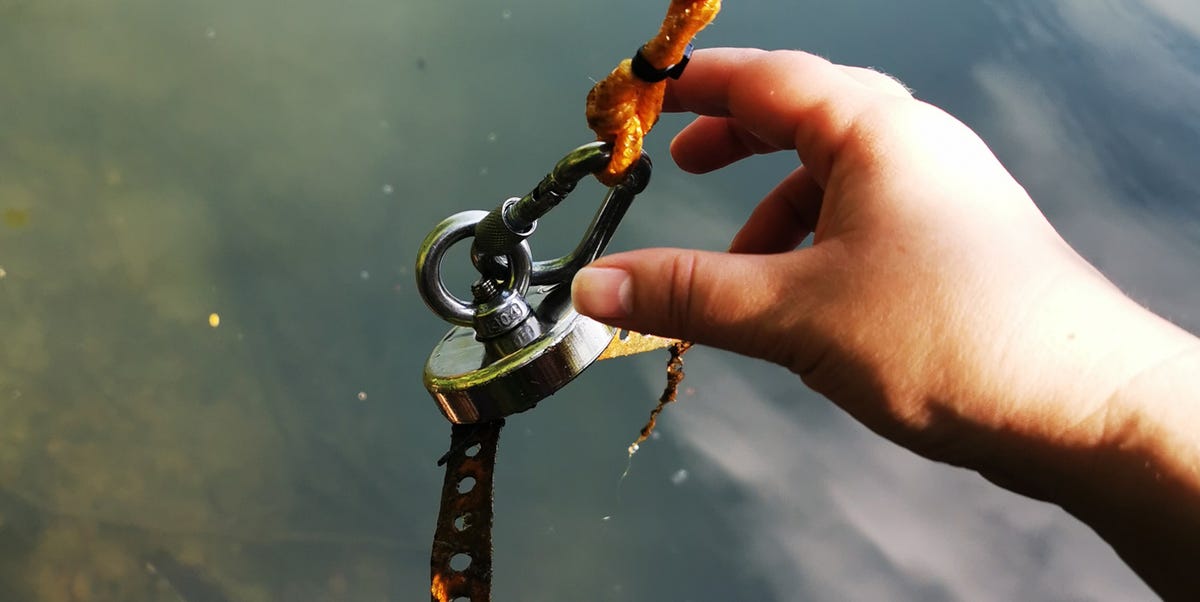
The star of the show is a strong neodymium magnet. Beginners do not need the biggest, baddest, truck-lifting monster on the market. In fact, starting too aggressively can make the hobby harder. A moderate-strength beginner magnet is often easier to control and less likely to turn your first outing into a dramatic episode called Why Is My Magnet Permanently Attached to a Bridge Support?
If you are shopping for your first setup, look for a beginner-friendly magnet fishing kit rather than buying random parts separately. Kits are often the easiest entry point because they bundle the basics and remove some guesswork.
2. A Durable Rope
Your rope matters more than beginners expect. A weak or cheap rope can fray, slip, or fail under tension. Choose a sturdy rope designed for pulling weight, not a leftover cord from a storage bin that still smells faintly like holiday decorations. The rope should feel dependable in wet conditions and be comfortable enough to grip for repeated throws.
3. Gloves
Wear gloves. Seriously. This is not optional style advice. Underwater metal is often rusty, sharp, slimy, or all three at once. Good gloves help protect your hands from cuts, scrapes, rope burn, and the deeply unpleasant experience of grabbing a jagged piece of hidden junk with your bare fingers.
4. A Carabiner or Secure Attachment System
Your magnet and rope need a secure connection. The last thing you want is a successful pull followed by the sudden realization that the magnet stayed in the water and your rope came back alone, looking very innocent about the whole thing.
5. A Bucket or Container
Once you start pulling metal out, you need somewhere to put it. A bucket, bin, or heavy-duty container keeps your finds organized and helps you leave the area cleaner than you found it. It also prevents the classic beginner move of setting slimy scrap on the ground and then stepping on it five minutes later.
6. Optional Extras
Some magnet fishers bring a grappling hook, towel, hand sanitizer, extra rope, and a basic first-aid kit. These extras are not mandatory for a first outing, but they can make the experience easier and more comfortable.
Where Beginners Should Go Magnet Fishing
The best beginner locations are usually places with easy access, calmer water, and a history of human activity. Think public canals, older bridges where magnet fishing is allowed, fishing access areas, riverwalk edges, docks, and urban waterfronts. Areas where people have gathered, worked, or traveled for years often produce better finds than remote water that has barely seen a dropped screwdriver in decades.
That said, the legal side matters a lot. Magnet fishing rules are not the same everywhere. Some parks and public lands allow it, some require permits, and some ban it outright. Certain National Park Service locations prohibit magnet fishing because of safety risks, cultural-resource concerns, and environmental issues. Local park systems may also restrict magnet fishing from bridges, boats, or protected habitat areas.
So before your first trip, check city, county, state, and park-specific rules for the exact place you want to visit. Do not assume “it’s just a magnet” will be a convincing legal defense. It will not. Waterways can have rules related to permits, archaeology, habitat protection, boating, or public safety that affect where and how you can magnet fish.
For beginners, stable shoreline access is often the smartest choice. You want a spot where footing is solid, visibility is decent, and there is enough room to work without crowding anglers, paddlers, or pedestrians.
How to Start Magnet Fishing Without Making Rookie Mistakes
Keep Your First Trip Simple
Your first session is not the time to chase viral-video glory. Pick one legal location, bring basic gear, and focus on learning how the magnet feels in the water. You are learning rhythm, drag, resistance, and retrieval. Even a short outing can teach you a lot.
Expect More Rust Than Riches
This is the healthiest beginner mindset. If you go out hoping for pirate coins, you may come home disappointed. If you go out hoping to explore, clean up debris, and maybe find something cool, the day will feel much more rewarding.
Work Slowly
Magnet fishing is not a speed sport. Dragging too fast can cause missed objects, snags, and sloppy handling. Slow, controlled movements are usually more productive. Think “patient treasure hunter,” not “chaotic lawn mower.”
Watch Your Surroundings
Pay attention to footing, current, traffic, wildlife, and other people nearby. The hobby may look easy in videos, but real environments come with slippery banks, hidden edges, and distracting conditions that deserve respect.
Magnet Fishing Safety Tips Every Beginner Should Know
Safety is what separates a fun hobby from a bad decision with a muddy backstory.
Never Handle Suspicious Weapons or Munitions
This is the biggest rule. If you pull up something that appears to be a firearm, ammunition, explosive device, or military ordnance, do not touch it more than necessary to disengage yourself from danger. Do not “check if it still works.” Do not clean it. Do not take a triumphant selfie with it. Stop, move away, and contact local law enforcement or emergency services. Old ordnance can remain dangerous even when it looks corroded and harmless.
Be Careful With Sharp Metal
Most hazards are less dramatic but more common: hooks, nails, sheet metal, sharp edges, and rusted scrap. Handle all finds carefully and assume every object is awkward until proven otherwise.
Avoid Fast Water and Unstable Edges
Beginners should stay away from strong currents, steep embankments, and slick surfaces. If a spot feels sketchy, it probably is. No hidden object is worth losing your balance over.
Do Not Fish Alone in Risky Areas
In quiet or unfamiliar locations, going with another person is a smart move. At minimum, let someone know where you are and when you expect to be back.
Be Mindful Around Children
Powerful magnets are not toys. Keep them out of reach of children and separate from loose metal objects, electronics, and anything else that can be damaged or pinched.
Think About Transport
If you plan to travel with your gear, remember that strong magnets can create transport issues. Flying with them may involve restrictions, so check airline and safety rules ahead of time rather than discovering the answer at the airport security line while holding a suspiciously heavy backpack.
What You Might Find
Most beginners find a mix of practical junk and curious history. Common magnet fishing finds include tools, chains, rebar, bolts, screws, lures, knives, bike parts, scrap metal, and old cans. In urban waterways, it is not unusual to pull up piles of debris that have been sitting unnoticed for years.
Occasionally, people recover more unusual items such as safes, signs, old hardware, keys, or collectible objects. But that is the bonus round, not the baseline. The daily reality of magnet fishing is less “sunken treasure chest” and more “how did three shopping cart parts get down here?” And honestly, that mystery has its own charm.
What To Do With Your Finds
Responsible magnet fishers do not just admire what they pull out and leave it in a heap by the water. Trash should be disposed of properly. Recyclable metal should go to the appropriate facility when possible. If you believe you have found an item with potential historical, legal, or safety significance, do not pocket it casually. Contact the appropriate local authority, property manager, or park office.
This is especially important in places with archaeological sensitivity or protected waterways. An old object is not automatically a souvenir. Sometimes it is evidence, sometimes it is a cultural artifact, and sometimes it is a rusty problem that belongs in the correct disposal stream.
Is Magnet Fishing Good for the Environment?
It can be, when it is done responsibly. Pulling metal debris out of waterways can remove hazards and support local cleanup efforts. Many magnet fishers enjoy the hobby precisely because it combines curiosity with visible impact. A bucket of recovered scrap may not look glamorous, but it is still one less bucket of junk sitting in the water.
At the same time, beginners should understand that the hobby is not automatically harmless. Dragging magnets through sensitive habitat, disturbing vegetation, or removing protected cultural resources can create real problems. That is why responsible location choice matters so much. Clean up the water, yes. Accidentally damage habitat or protected history, no.
Beginner Mistakes to Avoid
- Starting with gear that is far too powerful for your skill level
- Skipping gloves because “it’s just one quick trip”
- Magnet fishing without checking local rules
- Choosing unsafe water access points
- Expecting treasure every time
- Leaving recovered junk behind
- Treating suspicious items like collectibles instead of hazards
Final Thoughts
Magnet fishing is one of those rare beginner hobbies that feels adventurous without being complicated. You do not need years of training or a giant budget to get started. You need curiosity, common sense, a few basic tools, and a healthy respect for the fact that waterways hold both surprises and risks.
If you start small, follow local rules, use the right gear, and treat safety as part of the hobby, magnet fishing can be a fun and genuinely satisfying way to spend an afternoon. Some days you will find nothing but rusty scrap. Some days you will pull up something that makes your whole week. Either way, you are outside, you are exploring, and you are taking part in a hobby that feels a little like detective work and a little like cleanup duty with better stories.
And that is the real charm of it. Magnet fishing is not only about what you find. It is about the mystery of the next pull, the weird joy of recovering something lost, and the tiny thrill of thinking, just for one second, “This could be incredible,” before hauling up the most dramatic old bolt you have ever seen.
Extra Experience Notes: What Beginner Magnet Fishing Really Feels Like
The first real experience most beginners have with magnet fishing is not finding treasure. It is realizing that water is excellent at hiding how much junk humans have dropped into it over the years. You arrive with big plans, a new magnet, and the energy of someone who has watched exactly three exciting videos online. Then you make your first throw, pull the rope back in, and proudly reveal a bottle cap, a nail, and what appears to be half of a very grumpy chain. Welcome to the club.
What surprises many first-timers is how physical the hobby can feel. Even a small outing works your hands, forearms, and patience. The rope gets wet. The magnet gets muddy. Your shoes somehow end up dirtier than seems scientifically reasonable. And yet the process is weirdly relaxing. Throw, wait, drag, pull, inspect, repeat. It becomes a rhythm, almost like meditation, except your meditation occasionally comes with rust flakes.
There is also a genuine learning curve. At first, every bit of resistance feels promising. You think you have found a hidden safe, a historic artifact, or at least a bicycle. Then you discover your magnet was lovingly attached to a chunk of submerged metal you are never getting back without changing your life plans. That is when beginners learn one of magnet fishing’s great lessons: not every strong pull is a great find. Sometimes it is just the water reminding you to stay humble.
Another memorable part of the experience is the way strangers react. People will stop and ask what you are doing. Some will be fascinated. Some will assume you are either an environmental hero or a person who has made several unusual life choices. Kids tend to think it is magic. Older passersby often have stories about what used to be in the area decades ago. In that way, magnet fishing becomes social in a low-pressure, accidental kind of way.
Over time, many beginners start appreciating the small wins more than the dramatic ones. A pocketknife, an old tool, a cluster of lures, or a heavy length of chain can feel oddly satisfying because you earned the find through patience. Even the trash tells a story. It reminds you that waterways collect history in a messy, accidental archive of everyday life.
That is why experienced magnet fishers often tell beginners to focus less on value and more on experience. The best outings are not always the ones with the rarest finds. They are the ones where you learn a new spot, pull out a bag of metal junk that no longer belongs in the water, laugh at your own overconfidence, and go home already thinking about the next trip. That is when you know the hobby has done its work. You are not just hunting for objects anymore. You are hooked on the mystery.