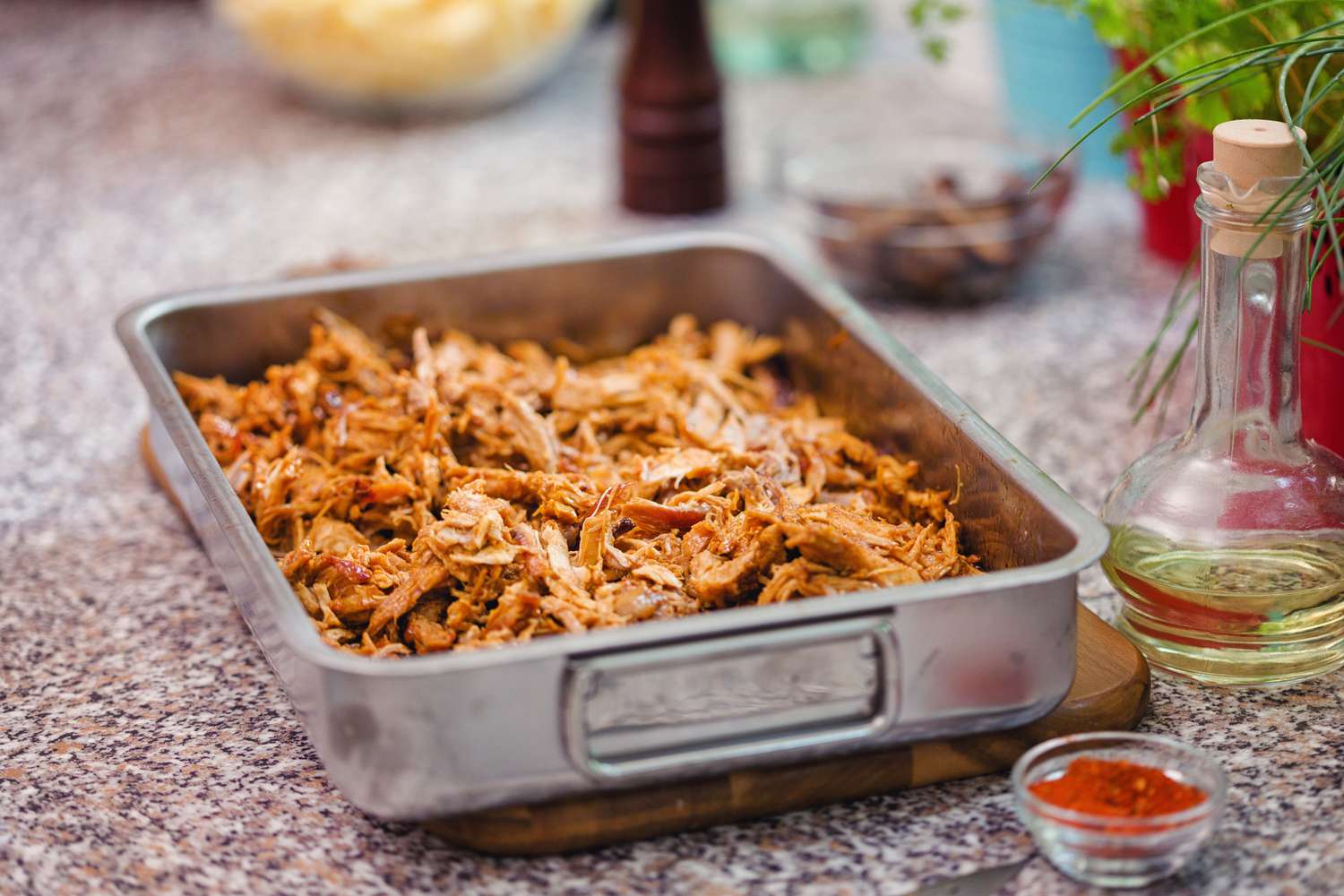
If your slow cooker has been sitting on the counter looking like it only knows how to make chili, it is time to give it a little passport stamp. This South American pulled pork slow cooker recipe takes a humble pork shoulder and transforms it into tender, juicy, citrusy, spice-kissed shredded pork that works in arepas, rice bowls, sandwiches, tacos, lettuce wraps, and the highly respected “standing at the fridge with a fork” format.
This recipe is not trying to copy one single traditional dish exactly. Instead, it is inspired by flavors commonly loved across South American and Latin American cooking: bright orange and lime, earthy cumin, oregano, garlic, onion, smoky paprika, optional chile paste, fresh cilantro, and a punchy chimichurri-style finish. Think of it as pulled pork that took a scenic route through Colombia, Peru, Argentina, and your very practical American kitchen.
The best part? The slow cooker does most of the heavy lifting. You season the pork, add aromatics and citrus, let it cook low and slow, then shred it into rich, saucy strands. By dinner, your kitchen smells like you have been working all day, even if your biggest effort was remembering to plug in the appliance. A culinary victory, frankly.
Why This South American Pulled Pork Slow Cooker Recipe Works
Pulled pork needs three things to become excellent: the right cut of meat, enough time, and a flavor base that balances richness. Pork shoulder, also called pork butt or Boston butt, is ideal because it contains marbling and connective tissue. When cooked slowly, that collagen softens and turns the meat tender enough to pull apart with two forks.
The South American-inspired flavor profile helps the pork avoid the common slow cooker problem: tasting soft but flat. Citrus wakes everything up. Garlic and onion create a savory backbone. Cumin and oregano bring warmth. Smoked paprika adds depth. Aji panca paste or aji amarillo paste, if you can find it, gives the dish a Peruvian-style chile character without overwhelming heat. A finishing splash of lime and fresh herbs keeps the pork lively instead of heavy.
Another reason this recipe works is the two-stage seasoning. First, the pork cooks with spices and aromatics so the flavor gets deep into the meat. Then, after shredding, the cooking liquid is reduced or spooned back in, and the pork gets a fresh finish. That final seasoning step is where good pulled pork becomes “why is everyone suddenly quiet at the table?” pulled pork.
What Makes This Pulled Pork South American-Inspired?
South America is huge, diverse, and deliciously complicated, so no one recipe can represent the entire continent. However, this slow cooker pulled pork borrows several flavor ideas that appear in different regional kitchens.
Citrus and Garlic
Orange, lime, and garlic are a classic combination in many Latin-style pork dishes. The acidity tenderizes the overall flavor, cuts through the richness of the pork, and gives the finished meat a bright aroma. Instead of a heavy barbecue sauce, this recipe uses citrus juice as part of the braising liquid.
Cumin, Oregano, and Chile
Cumin brings warm earthiness, oregano adds herbal depth, and chile paste or smoked paprika gives the pork a gentle smoky backbone. If you use aji panca paste, you will get a fruity, mild, slightly smoky flavor. If you use aji amarillo paste, expect a brighter, more floral heat. If neither is available, smoked paprika and a pinch of cayenne will still make the pork behave nicely.
Chimichurri-Style Freshness
Chimichurri, strongly associated with Argentina and Uruguay, is usually made with parsley, garlic, vinegar, oil, oregano, and chile flakes. Here, a quick chimichurri-inspired topping adds freshness to the slow-cooked pork. It is not required, but it is the difference between “good dinner” and “please put this on everything I eat this week.”
Ingredients
For the Pulled Pork
- 4 pounds boneless pork shoulder or pork butt
- 2 teaspoons kosher salt, plus more to taste
- 1 teaspoon black pepper
- 2 teaspoons ground cumin
- 2 teaspoons dried oregano
- 1 teaspoon smoked paprika
- 1/2 teaspoon ground coriander, optional
- 1 large yellow onion, sliced
- 5 garlic cloves, minced or thinly sliced
- 1 orange, juiced
- 2 limes, juiced
- 1 tablespoon apple cider vinegar or red wine vinegar
- 1 tablespoon brown sugar or honey
- 1 tablespoon tomato paste
- 1 to 2 tablespoons aji panca paste or aji amarillo paste, optional
- 1/2 cup chicken broth, pork broth, or water
- 1 bay leaf
- 1 tablespoon neutral oil, optional, for searing
For the Fresh Herb Finish
- 1/2 cup chopped cilantro or parsley
- 1 small garlic clove, finely grated
- 1 tablespoon red wine vinegar
- 1 tablespoon lime juice
- 2 tablespoons olive oil
- 1/4 teaspoon red pepper flakes
- Pinch of salt
Step-by-Step Instructions
1. Trim and Season the Pork
Pat the pork shoulder dry with paper towels. Trim away any very thick exterior fat, but do not remove every bit of fat. Some fat is your friend here. It melts into the pork during cooking and keeps the meat juicy.
In a small bowl, mix the salt, pepper, cumin, oregano, smoked paprika, and coriander if using. Rub the spice mixture all over the pork. If you have time, place the seasoned pork in the refrigerator for at least 2 hours or overnight. This dry-brining step gives the seasoning a better chance to settle in. If you do not have time, do not panic. Dinner will survive.
2. Sear for Extra Flavor
Searing is optional, but it adds a deeper roasted flavor. Heat the oil in a large skillet over medium-high heat. Brown the pork on all sides, about 2 to 3 minutes per side. You are not cooking it through; you are just building a flavorful crust. If your morning schedule is chaos with shoes, emails, and one suspiciously missing car key, skip the sear and keep moving.
3. Build the South American-Inspired Braising Base
Add the sliced onion and garlic to the bottom of the slow cooker. In a bowl, whisk together the orange juice, lime juice, vinegar, brown sugar, tomato paste, chile paste if using, and broth. Pour this mixture over the onion and garlic. Add the bay leaf.
Place the pork on top, fat side up if there is a clear fat cap. Spoon a little of the liquid over the meat, cover the slow cooker, and let the magic begin.
4. Cook Low and Slow
Cook on low for 8 to 10 hours, or on high for 5 to 6 hours, until the pork is very tender and pulls apart easily. Low heat gives the best texture because pork shoulder needs time for connective tissue to soften. The pork is safe at a lower internal temperature, but for pulled pork texture, you generally want it much more tender, usually around the point where a fork slides in with almost no resistance.
If your slow cooker runs hot, check closer to the early end of the range. If the pork resists shredding, it needs more time. Tough pulled pork is usually undercooked, not overcooked. Give it another 30 to 60 minutes and let the slow cooker finish its quiet masterpiece.
5. Shred the Pork
Transfer the cooked pork to a large cutting board or shallow bowl. Remove the bay leaf from the slow cooker. Use two forks to shred the meat, discarding any large pieces of fat. Do not shred it into dust. You want juicy strands and small chunks, not pork confetti.
6. Reduce or Season the Cooking Liquid
Skim excess fat from the surface of the cooking liquid. For a more concentrated sauce, pour the liquid into a saucepan and simmer it for 8 to 12 minutes until slightly reduced. If you prefer convenience, simply ladle some of the juices directly over the shredded pork.
Return the pork to the slow cooker and toss it with enough sauce to keep it moist but not soupy. Taste and adjust with salt, lime juice, or a tiny drizzle of honey. This final adjustment matters because slow cooking can mellow flavors. A little fresh acid at the end makes the entire dish pop.
7. Add the Fresh Herb Finish
Mix the cilantro or parsley, grated garlic, red wine vinegar, lime juice, olive oil, red pepper flakes, and salt in a small bowl. Spoon this over the pork right before serving, or serve it on the side so everyone can add their own. It brings a bright, chimichurri-style lift that makes the pork taste fresh, not heavy.
Serving Ideas for South American Pulled Pork
This pulled pork is flexible enough to become several meals, which is exactly what you want from a slow cooker recipe. Make it once and let it perform all week like a very hardworking dinner intern.
Arepas
Spoon the pork into warm arepas with avocado, pickled red onions, cilantro, and a little creamy sauce. This is one of the best ways to serve it because the crisp corn exterior and tender pork are a perfect match.
Rice Bowls
Build bowls with cilantro-lime rice, black beans, roasted sweet potatoes, sliced avocado, and extra herb sauce. Add a spoonful of salsa criolla or quick-pickled onions for crunch and brightness.
Sandwiches
Pile the pork onto toasted buns with cabbage slaw. A slaw made with lime juice, vinegar, and a little mayo is especially good because it balances the richness of the meat.
Plantain Plates
Serve the pulled pork with fried sweet plantains, rice, beans, and a simple tomato-cucumber salad. The sweet plantains play beautifully with the citrus, garlic, and cumin in the pork.
Tacos or Lettuce Wraps
Although tacos are not South American, they are a practical and delicious way to use leftovers. Warm tortillas, shredded pork, onion, cilantro, and lime will never hurt anyone’s dinner plans.
Recipe Variations
Spicier Version
Add 1 chopped jalapeño, 1 teaspoon chipotle powder, or an extra tablespoon of aji amarillo paste. For real heat, add cayenne carefully. Cayenne does not negotiate.
Sweeter Citrus Version
Add another tablespoon of honey or use a splash of pineapple juice with the orange and lime. This works well if you plan to serve the pork with spicy slaw or pickled onions.
Smokier Version
Increase the smoked paprika to 2 teaspoons, or add a small amount of chipotle in adobo. A little goes a long way, so start small unless you want your slow cooker to start acting like a barbecue pit.
Crispy Pulled Pork
Spread shredded pork on a baking sheet, spoon over a little cooking liquid, and broil for 3 to 5 minutes until the edges crisp. Watch closely. The line between crispy and “well, that was educational” is thin.
Storage, Freezing, and Reheating
Store leftover pulled pork in an airtight container with some of its juices. It will keep in the refrigerator for 3 to 4 days. For longer storage, freeze it in meal-size portions for up to 3 months. Flat freezer bags work especially well because they thaw faster and stack neatly.
To reheat, warm the pork gently in a covered skillet with a splash of broth, water, or reserved cooking liquid. You can also microwave it in short bursts, stirring between each round. Avoid reheating it dry, because even the juiciest pulled pork can lose its charm if treated like a forgotten office lunch.
Common Mistakes to Avoid
Using a Lean Cut
Pork loin and tenderloin are too lean for classic pulled pork. They can taste dry and stringy after long cooking. Pork shoulder or pork butt is the right choice because the fat and collagen create tenderness.
Not Cooking It Long Enough
If the pork does not shred easily, keep cooking. Slow cooker pulled pork is done when texture says it is done. A fork should pull the meat apart with very little effort.
Adding Too Much Liquid
A slow cooker traps moisture, so you do not need to drown the pork. Half a cup of broth plus citrus juice is enough. Too much liquid can dilute the flavor and make the final pork taste more boiled than braised.
Skipping the Final Taste
Always taste after shredding. Add salt, lime, vinegar, honey, or chile as needed. The final five minutes of seasoning can make the recipe taste balanced and intentional.
Experience Notes: What This Recipe Teaches You in a Real Kitchen
The first experience most cooks have with slow cooker pulled pork is surprise. You put a tough-looking piece of pork shoulder into the pot in the morning, and by evening it has become something tender enough to collapse under a fork. It feels slightly unfair, as if the slow cooker did the group project and still let you take the credit. That is part of the charm. This recipe is ideal for busy families, meal preppers, students, and anyone who enjoys maximum flavor with minimum stovetop babysitting.
One useful lesson is that pork shoulder rewards patience. Around hour six, the kitchen may smell amazing, and you may be tempted to declare victory. But when you poke the pork, it might still feel firm in the center. That is the moment to trust the process. The difference between sliced pork and pulled pork is time. Once the connective tissue breaks down, the texture changes dramatically. The meat goes from “I need a knife” to “I surrender completely.”
Another experience worth noting is how much the finishing touches matter. Straight from the slow cooker, the pork is rich, savory, and comforting. But once you add fresh lime, herbs, and a spoonful of reduced cooking juices, it becomes brighter and more layered. This is especially important with South American-inspired flavors because freshness is part of the personality. The pork should taste bold and juicy, not heavy and sleepy.
This recipe is also a great reminder that leftovers can be more exciting than the original dinner. On night one, serve the pork with rice, beans, and plantains. On night two, tuck it into arepas with avocado. On night three, crisp the edges under the broiler and make rice bowls with pickled onions. By night four, if there is still any left, you have either shown heroic restraint or made a very large pork shoulder. Either way, congratulations.
For gatherings, this dish is wonderfully forgiving. It can stay warm in the slow cooker, guests can build their own plates, and the toppings do the decorative work. Set out chopped cilantro, lime wedges, slaw, pickled onions, avocado, hot sauce, and warm bread or arepas. People love food that lets them customize without requiring a formal instruction manual. The pork becomes the centerpiece, but everyone gets to make it their own.
The biggest practical experience is learning that balance beats complexity. You do not need twenty spices or a secret sauce guarded by a dramatic family legend. You need pork shoulder, salt, garlic, citrus, warm spices, gentle heat, and time. The slow cooker handles tenderness; you handle brightness. Together, you get a dish that tastes festive enough for company but easy enough for a regular Tuesday when your energy level is somewhere between “fine” and “where did I put my coffee?”
Conclusion
This South American pulled pork slow cooker recipe is everything a great comfort meal should be: tender, flavorful, flexible, and secretly easy. The pork shoulder cooks low and slow with citrus, garlic, onion, cumin, oregano, smoked paprika, and optional chile paste until it becomes juicy enough to shred effortlessly. A fresh herb finish adds brightness, while serving options like arepas, rice bowls, sandwiches, plantains, and slaw make the recipe useful for more than one meal.
Whether you are feeding a crowd, stocking the freezer, or simply trying to make dinner feel more exciting without creating a mountain of dishes, this recipe earns a permanent place in the slow cooker rotation. It is practical, colorful, and deeply satisfyingthe kind of meal that makes your kitchen smell like you had a much more ambitious day than you actually did.
Note: This article is written in original standard American English and synthesizes reputable U.S.-based culinary and food-safety guidance without embedded source links, as requested.