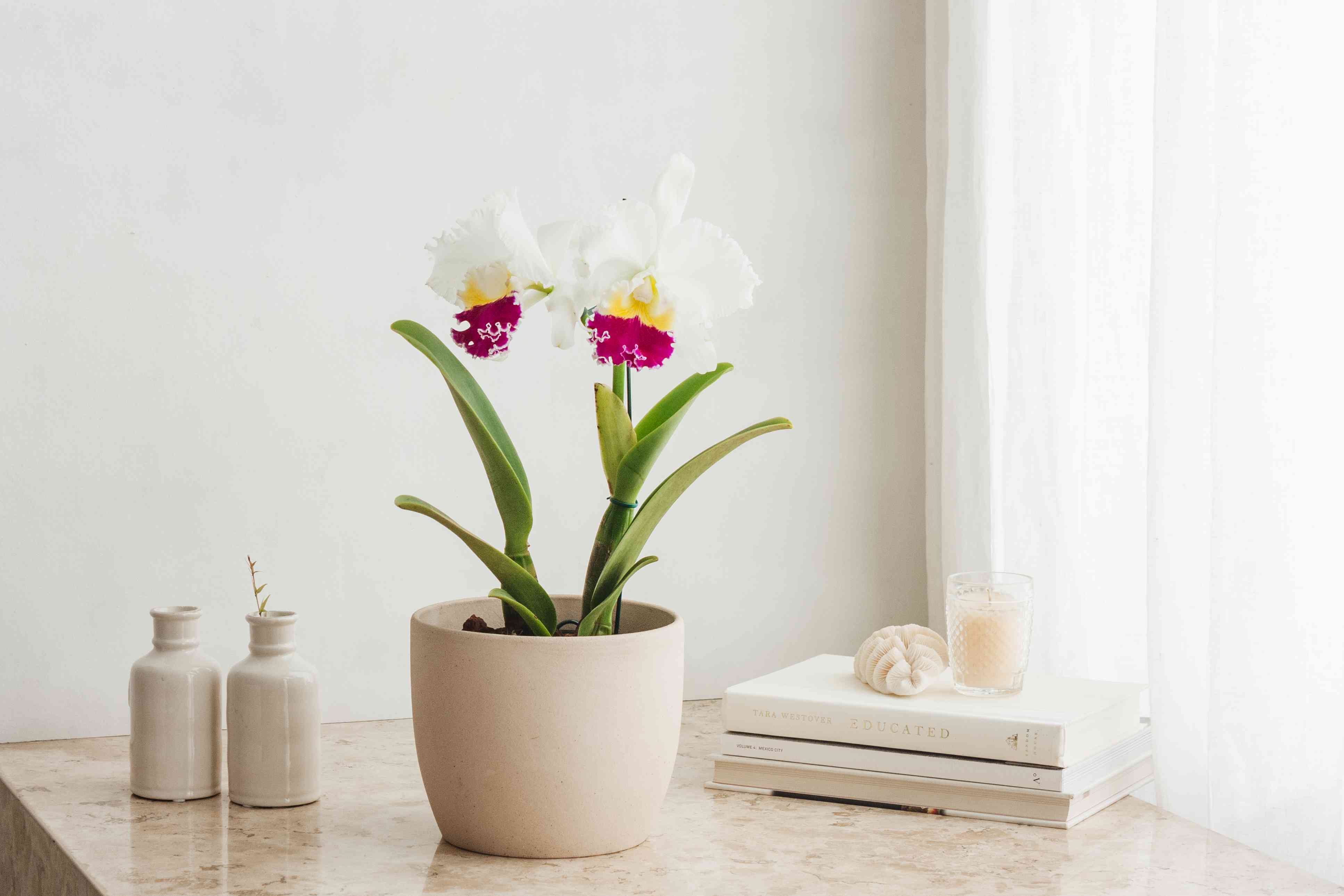
Cattleya orchids have a flair for drama. They are bold, fragrant, colorful, and just glamorous enough to make your windowsill feel like it has hired a tiny floral publicist. Often called the “corsage orchid,” Cattleya is famous for large, ruffled blooms that can look painted, perfumed, and mildly theatrical all at once. The good news? Learning how to grow and care for Cattleya orchids is not as intimidating as their red-carpet flowers suggest.
These orchids do ask for a few specific things: bright light, airy roots, careful watering, decent humidity, and patience. In return, they reward you with long-lasting flowers, sturdy growth, and the deep satisfaction of telling guests, “Oh yes, I grow Cattleyas,” as if you casually moonlight as a botanical genius.
This complete Cattleya orchid care guide explains the best light, water, temperature, potting mix, fertilizer, repotting routine, blooming tips, and common problem fixes for healthy plants and spectacular flowers.
What Are Cattleya Orchids?
Cattleya orchids are tropical orchids native mainly to Central and South America. Many grow as epiphytes, meaning they naturally attach to trees rather than growing in regular soil. They are not stealing food from the tree; they are simply using it as a living apartment building with excellent airflow.
This epiphytic habit explains almost everything about Cattleya orchid care. Their roots like moisture, but they also need air. Their leaves enjoy strong light, but not scorching midday sun. Their pseudobulbs store water and nutrients, so they prefer a wet-dry rhythm instead of constantly soggy conditions.
Best Light for Cattleya Orchids
Light is one of the biggest secrets to Cattleya success. These orchids need bright, indirect light to grow well and bloom reliably. A dim corner may keep the plant alive, but it will likely sulk in silence and refuse to flower.
Ideal indoor placement
An east-facing window is often excellent because it gives gentle morning sun. A west-facing window can work if the afternoon light is not too harsh. A south-facing window may be ideal in winter but often needs a sheer curtain during brighter months to prevent leaf burn.
The leaves will tell you how the plant feels. Healthy Cattleya leaves are usually medium green. Dark green leaves often mean the plant is not getting enough light. Yellowish leaves or brown scorched patches may mean the light is too intense. Think of Cattleya light like coffee: strong enough to wake things up, not so strong that it causes chaos.
How to Water Cattleya Orchids
Cattleyas like to dry out between waterings. That sentence deserves its own tiny parade because overwatering is one of the fastest ways to ruin an otherwise healthy orchid.
Water thoroughly with room-temperature or lukewarm water until it runs freely through the drainage holes. Then let the pot drain completely. Never let a Cattleya sit in standing water. If the potting mix still feels damp, wait another day. A Cattleya would rather be slightly dry than have its roots soaking in a swampy spa it never requested.
How often should you water?
Most indoor Cattleya orchids need water about once a week, but the real answer depends on pot size, pot material, temperature, humidity, season, and potting mix. Clay pots dry faster than plastic pots. Bark dries faster than sphagnum moss. A plant in bright summer light drinks more than one sitting in cool winter conditions.
Use the “lift test” by picking up the pot after watering and again when dry. Over time, you will learn the weight difference. You can also press a finger into the mix or use a wooden skewer to check moisture. If the skewer comes out damp, hold off. If it comes out dry, water deeply.
Humidity and Air Circulation
Cattleya orchids appreciate moderate to high humidity, generally around 40% to 60% or higher when possible. Most homes, especially in winter, are drier than orchids prefer. Dry air can cause wrinkled pseudobulbs, stalled growth, and buds that give up right before the big show.
To raise humidity, place the orchid on a pebble tray filled with water, keeping the pot above the waterline. Grouping plants together can also help create a more humid microclimate. A small humidifier is useful if you grow multiple orchids.
Humidity must come with airflow. Still, damp air encourages fungal and bacterial problems. A small fan running gently nearby can make a big difference. The goal is a soft breeze, not a wind tunnel audition.
Temperature Requirements
Cattleya orchids grow best in warm daytime temperatures and cooler nights. A common target is about 70°F to 85°F during the day and 55°F to 65°F at night, though many hybrids tolerate a wider range. A 10°F to 15°F drop at night can help support strong growth and blooming.
Keep plants away from cold drafts, heating vents, fireplaces, and air conditioners. Sudden temperature swings can stress the plant and cause bud blast, where developing buds dry up and fall off before opening. Bud blast is the orchid equivalent of canceling the concert after everyone bought tickets.
Best Potting Mix for Cattleya Orchids
Never plant a Cattleya orchid in regular potting soil. Standard soil stays too wet and suffocates orchid roots. Cattleyas need a chunky, fast-draining orchid mix that allows air to move around the roots.
A good Cattleya potting mix often includes medium-grade fir bark, charcoal, perlite, lava rock, or other coarse materials. Bark provides structure, charcoal helps reduce sour conditions and salt buildup, and perlite improves drainage. The exact recipe can vary, but the mix should drain quickly and never become muddy.
Choosing the right pot
Cattleyas prefer snug pots. Do not move a small orchid into a giant container “so it has room to grow.” That sounds generous, but it usually means the mix stays wet too long. Choose a pot that allows room for one or two years of new growth. Drainage holes are non-negotiable.
Clay pots are breathable and dry faster, which is helpful for growers who tend to overwater. Plastic pots retain moisture longer and are lighter. Slotted orchid pots can be excellent because they improve airflow around the roots.
Fertilizing Cattleya Orchids
Cattleyas are not heavy feeders, but regular light feeding helps them grow strong pseudobulbs and bloom well. A balanced orchid fertilizer works nicely during active growth. Many growers use the “weakly, weekly” approach: fertilize at a diluted strength during regular watering rather than using a strong dose once in a while.
Always fertilize after watering or when roots are already moist. Fertilizer on dry roots can cause burn. During active spring and summer growth, feed more regularly. In fall and winter, reduce fertilizer because the plant usually slows down.
Flush the pot with plain water occasionally to wash out fertilizer salts. Salt buildup can damage roots and make the potting mix unfriendly. Orchids are elegant, but their roots are not interested in mineral crust.
How to Repot Cattleya Orchids
Repot Cattleya orchids when the potting mix breaks down, when roots outgrow the pot, or when new growth reaches the edge of the container. Most plants need repotting about every two years, though fast-draining mixes may last longer and moisture-retentive mixes may break down sooner.
The best time to repot is when new roots are just beginning to emerge from the newest growth. This gives the plant the best chance to establish quickly. Avoid repotting while the plant is in full bloom unless there is an emergency such as root rot.
Simple repotting steps
Remove the orchid from its pot and gently shake away old mix. Trim dead, mushy, or hollow roots with sterilized scissors. Keep firm white, tan, or green roots. Place the oldest pseudobulbs toward the back of the pot and leave space in front for new growth. Add fresh orchid mix around the roots without packing it too tightly.
After repotting, keep the plant slightly drier for a short period while damaged roots heal, then resume normal watering as new roots develop.
How to Encourage Cattleya Orchids to Bloom
If your Cattleya looks healthy but refuses to bloom, the first suspect is usually light. Cattleyas need more light than many common houseplant orchids, especially Phalaenopsis. Move the plant gradually into brighter conditions and watch the leaves for signs of stress.
Blooming also depends on mature pseudobulbs. Each pseudobulb generally blooms once, and flowers appear from new mature growths. If the plant is too young, recently divided, underfed, or not growing strong new pseudobulbs, it may need more time.
Night temperature drop can also encourage flowering. Many Cattleyas respond well to cooler nights, especially after new growth matures. Do not freeze the plant or shock it, but do provide natural day-night variation when possible.
After-Bloom Care
Cattleya flowers may last several weeks, depending on the hybrid and growing conditions. Once blooms fade, remove spent flowers. Do not expect the same pseudobulb to bloom again. Instead, focus on helping the plant produce healthy new growth, because future flowers come from future pseudobulbs.
Continue providing bright light, careful watering, humidity, airflow, and light feeding. The after-bloom period is not failure; it is the plant’s backstage preparation for the next performance.
Common Cattleya Orchid Problems
Wrinkled pseudobulbs
Wrinkled pseudobulbs can mean underwatering, root damage, or old age. Check the roots before increasing water. If roots are dead, more water will not help; the plant needs fresh mix and root recovery.
Yellow leaves
Yellow leaves may result from too much direct sun, natural aging, or root trouble. One old yellowing leaf is not a crisis. Several yellow leaves at once deserve investigation.
No flowers
Insufficient light is the most common reason Cattleyas do not bloom. Other causes include immature growth, poor feeding, no night temperature drop, or recent repotting stress.
Black spots or soft rot
Soft, spreading dark areas can indicate bacterial or fungal disease. Improve airflow, avoid water sitting on leaves overnight, remove infected tissue with sterile tools, and isolate the plant if necessary.
Pests
Scale, mealybugs, spider mites, aphids, and thrips can attack Cattleyas. Inspect leaf undersides, sheaths, and pseudobulbs. Small infestations can often be treated with cotton swabs dipped in rubbing alcohol or with insecticidal soap. Repeat treatments may be needed because pests are annoyingly committed to their hobbies.
Can You Grow Cattleya Orchids Outdoors?
Yes, in warm climates or during mild seasons, Cattleyas can grow outdoors in bright filtered light. They often enjoy the increased air movement and humidity outside. However, protect them from direct midday sun, heavy storms, pests, and temperatures below their comfort range.
If you move an indoor Cattleya outside, do it gradually. Leaves that were used to indoor light can burn quickly in stronger outdoor conditions. Start in shade, then slowly increase brightness over one to two weeks.
Propagation: Dividing Cattleya Orchids
Cattleyas are usually propagated by division, not seed. Seed-grown orchids can take many years to bloom and require specialized conditions. Division is much more practical for home growers.
Divide only healthy, mature plants with enough pseudobulbs. A good division should have at least three to five pseudobulbs and active roots or new root growth. Tiny divisions may survive, but they often take years to recover. Use sterile tools, cut through the rhizome, and pot each division in fresh orchid mix.
Seasonal Cattleya Orchid Care
Spring
Spring is often the beginning of active growth. Increase watering as new roots and shoots appear. Resume regular diluted feeding and check whether the plant needs repotting.
Summer
Summer usually means faster drying, stronger light, and more growth. Water more often if the mix dries quickly, but never keep it soggy. Provide shade from intense sun and maintain humidity.
Fall
As growth matures, some Cattleyas prepare to bloom. Keep light bright, reduce fertilizer slightly, and allow cooler nights when safe.
Winter
Winter care depends on your home. Light may be weaker, air may be drier, and growth may slow. Water less often, maintain humidity, and keep plants away from cold windows and dry heating vents.
Extra Growing Experience: Practical Lessons From Caring for Cattleya Orchids
One of the most useful experiences with Cattleya orchids is learning that they do not want constant attention; they want consistent conditions. New growers often hover. They water because they are nervous, move the plant because they are impatient, fertilize because they want flowers faster, and repot because the roots look “messy.” Cattleyas, meanwhile, are quietly asking for bright light, air, and a chance to dry out.
A practical example: suppose you buy a blooming Cattleya from a garden center. It looks perfect, so naturally the first instinct is to place it in the prettiest spot in the house. Unfortunately, the prettiest spot may be a dark coffee table six feet from the window. The blooms may last, but the next growth could be weak. A better choice is near an east window or behind a sheer curtain in a bright south window. Beauty matters, but orchids vote for physics.
Another common lesson involves watering. Many people water on a calendar: every Saturday, no matter what. That can work sometimes, but it can also fail spectacularly. In a warm week with bright light, the plant may dry in four days. In a cool, cloudy week, it may still be damp after ten. The better experience-based method is to check the pot. Lift it. Feel the mix. Look at the roots if the pot is clear or slotted. The plant’s condition should set the schedule.
Repotting teaches patience too. A Cattleya may look awkward after repotting. It may wobble. It may pause growth. This does not always mean you did something wrong. Orchids often need time to grab the new mix with fresh roots. Stabilize the plant with a rhizome clip, stake, or twist tie if needed. A steady orchid roots faster than one that rocks in the pot every time someone walks by.
Light adjustment is another skill that improves with observation. If your Cattleya has dark green leaves and no blooms, increase light gradually. Do not move it from a dim shelf straight into hot afternoon sun. That is not encouragement; that is botanical whiplash. Move it closer to bright filtered light over several days or weeks. The ideal leaf color is often a lively medium green, sometimes with a slight yellow-green cast in very bright but safe conditions.
Many successful growers also learn to respect the pseudobulbs. These swollen stems are storage organs, and they reveal history. Plump pseudobulbs usually mean the plant has been receiving enough water and has functioning roots. Shriveled old pseudobulbs may simply be aging. But shriveling on new growth can mean the roots are struggling. Before adding more water, inspect the root system. A plant with rotten roots cannot drink properly, even if the pot is wet.
Finally, blooming requires trust in the growth cycle. A Cattleya does not bloom because we stare at it intensely, although many of us have tried. It blooms when the newest pseudobulb matures under good light, proper nutrition, suitable temperatures, and healthy roots. The best “trick” is not a trick at all: grow the plant well between flowering seasons. Strong growth is the deposit; flowers are the interest.
Once you understand that rhythm, Cattleya care becomes less mysterious. You stop treating the plant like a fragile decoration and start treating it like a living tropical epiphyte. Give it bright filtered light, soak-and-dry watering, airy potting mix, gentle feeding, humidity with airflow, and room to grow. Do that consistently, and your Cattleya orchid will eventually answer in the most dramatic way possible: with a bloom that looks like it came dressed for opening night.
Conclusion
Growing Cattleya orchids is a balance of brightness, air, moisture, and restraint. They are not ordinary houseplants, but they are not impossible divas either. Their roots need drainage, their leaves need light, their pseudobulbs need time to mature, and their flowers need you to stop overwatering out of love.
If you provide bright indirect light, allow the potting mix to dry between waterings, use a chunky orchid mix, maintain humidity and airflow, fertilize lightly, and repot at the right time, Cattleya orchids can thrive for years. And when those big fragrant blooms finally open, you will understand why growers become devoted to them. A blooming Cattleya does not whisper, “Good job.” It practically sings it from the windowsill.