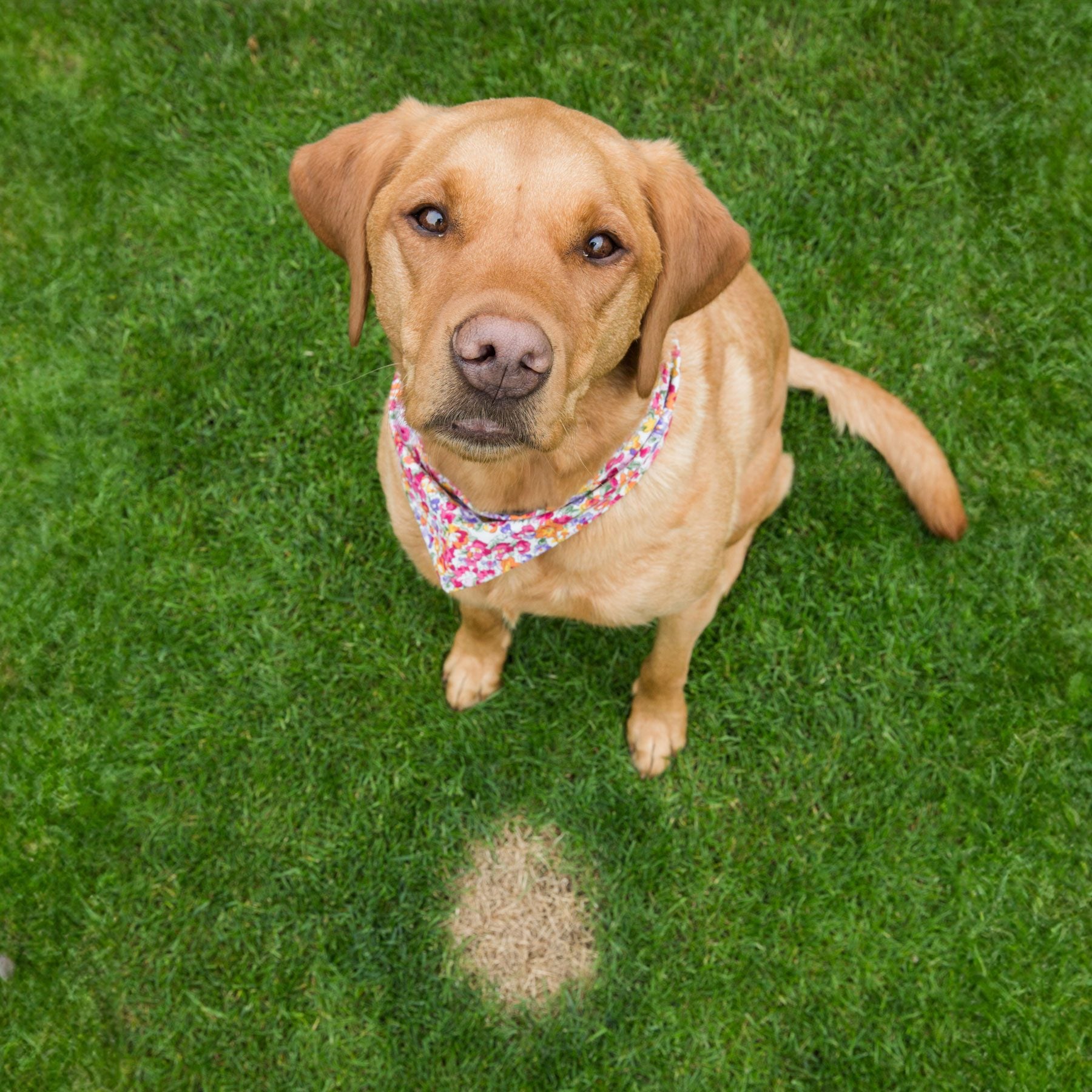
Few backyard mysteries are as oddly dramatic as the sudden appearance of yellow, brown, or crispy-looking circles in an otherwise green lawn. One day your yard looks like a suburban golf course. The next, it looks like a polka-dot science experiment supervised by a very guilty dog. Naturally, many pet owners ask the same question: Why does dog pee burn the grass?
The answer is not that your dog is secretly producing lawn-killing acid, plotting against your landscaping budget, or judging your mowing technique. Dog urine burns grass mainly because it contains concentrated nitrogen and salts. In small amounts, nitrogen helps grass grow. In large, repeated, concentrated doses, it overwhelms the turf and causes the familiar “dog urine lawn burn” patches.
The good news? Dog pee spots are common, understandable, and usually manageable. With a little lawn science, a few habit changes, and realistic expectations, you can protect your grass without blaming your dog for doing something completely normal. Let’s dig into why dog urine damages grass, why some lawns suffer more than others, and what actually works to prevent those crunchy brown circles.
What Causes Dog Urine to Burn Grass?
Dog urine contains several natural waste products, including urea, nitrogen compounds, salts, and minerals. When your dog pees on the lawn, those compounds land in one concentrated spot. The liquid soaks into the soil, and as water evaporates or drains away, the remaining nitrogen and salts can become too strong for the grass blades and roots.
Think of it like fertilizer. A proper amount of lawn fertilizer helps grass look green and healthy. But if you dump a handful of fertilizer in one tiny area, the grass may turn yellow, brown, or die. Dog pee works in a similar way. The problem is not that urine is “poison.” The problem is concentration.
The Nitrogen Problem
Nitrogen is one of the main nutrients grass needs for leafy growth. That is why many lawn fertilizers list nitrogen as a key ingredient. However, too much nitrogen in one place can burn plant tissue. Dog urine delivers nitrogen all at once, usually in a small circle. That sudden overload can damage the grass faster than the plant can use the nutrient.
This is also why dog urine spots often have a brown or yellow center with a darker green ring around the edge. The center receives the strongest dose and burns. The outer ring receives a more diluted dose, almost like a mini fertilizer treatment. It is the lawn-care version of “too much of a good thing.”
The Role of Salts
Salts in dog urine also contribute to lawn damage. Salt pulls moisture away from plant cells and can stress grass roots, especially when the lawn is already dry, heat-stressed, or poorly watered. During hot weather, urine spots can appear faster because grass is already struggling with moisture loss.
This is why dog pee damage often seems worse in summer. The grass has less water available to dilute the urine, and the soil may already be warm and dry. Add one enthusiastic bathroom break from your furry friend, and the lawn may respond with a dramatic little brown circle.
Is Dog Urine Acidic? The Big Lawn Myth
One of the most common myths about dog pee and grass is that urine burns lawns because it is too acidic. This idea has led many pet owners to try lime, tomato juice, supplements, or home remedies designed to “balance” urine pH. Unfortunately, that is usually not the real issue.
Dog urine can vary in pH, but lawn burn is mostly caused by concentrated nitrogen and salts, not acidity. Trying to change your dog’s urine pH without veterinary guidance is not a smart lawn-care strategy. Your dog’s urinary system is more important than your grass, even if the grass had a very promising spring.
Products or diets that claim to stop lawn burn by altering urine chemistry should be treated carefully. Some may not work, and some could affect your dog’s health. Before giving your dog any supplement for grass spots, ask a veterinarian. A green lawn is lovely, but a healthy dog wins every time.
Why Are Some Dogs More Likely to Cause Lawn Burn?
Not every dog creates the same amount of lawn damage. The size of the dog, urine volume, hydration level, diet, and bathroom style can all affect how much damage appears.
Large Dogs Produce More Urine
A larger dog usually produces more urine than a smaller dog. More urine means more nitrogen and salts landing in one spot. A tiny dog can still create dog pee spots, especially if it uses the same area repeatedly, but a large dog may create bigger patches simply because the “delivery amount” is larger.
Squatting Concentrates the Urine
Many people believe female dogs burn grass more than male dogs. The real difference is usually posture, not gender. Dogs that squat tend to deposit urine in one concentrated spot. Dogs that lift a leg often spread urine across vertical surfaces or over a wider area. A male dog that squats can cause just as much lawn burn as a female dog. A female dog that pees on mulch instead of turf may cause none at all.
Hydration Matters
A dog that drinks plenty of water usually produces more diluted urine. More diluted urine is less likely to overload the grass with nitrogen and salts. A dog that drinks less water may have more concentrated urine, which can increase the chance of lawn burn.
This does not mean you should force your dog to drink excessive amounts of water. Instead, make fresh water easy to access. Keep bowls clean, refill them often, and place water outdoors during supervised playtime. Some dogs also consume more moisture when their food includes wet food or added water, but diet changes should be reasonable and appropriate for your pet.
Does Dog Diet Affect Grass Burn?
Diet can influence urine composition, but this topic deserves a careful answer. Dogs need protein, and high-quality protein is part of a healthy canine diet. When dogs digest protein, nitrogen-containing waste is filtered through the kidneys and leaves the body in urine.
A diet that is unnecessarily high in protein for a dog’s lifestyle may contribute to more nitrogen waste, but that does not mean pet owners should randomly switch to low-protein food. Protein restriction can be harmful if done incorrectly. Puppies, active dogs, pregnant dogs, senior dogs, and dogs with health conditions all have different nutritional needs.
If you suspect your dog’s diet is contributing to very strong urine, talk to your veterinarian. The goal is not to “fix” your dog for the lawn. The goal is to make sure your dog is eating a balanced diet that suits its age, size, activity level, and health.
Why Some Lawns Show More Damage Than Others
Your dog is only half of the equation. The lawn itself matters, too. Some grass types tolerate urine better than others, and some lawn-care routines make burn marks more likely.
Grass Type Makes a Difference
Certain grasses recover better from stress because they grow faster, spread more aggressively, or have deeper roots. Tall fescue and perennial ryegrass are often considered more durable choices for dog-friendly lawns. Kentucky bluegrass can recover by spreading through underground rhizomes, but it may still show visible urine damage. Warm-season grasses such as Bermuda grass can be tough in the right climate, though results vary depending on heat, watering, and soil conditions.
No grass is completely immune to concentrated dog urine. Even tough turf can burn if the same spot receives repeated doses. Still, choosing a resilient grass type can make recovery easier.
Over-Fertilized Lawns Burn Faster
If your lawn already receives plenty of nitrogen fertilizer, dog urine may push it over the edge. The grass is already full from dinner, and then the dog arrives with dessert nobody asked for. Too much nitrogen from fertilizer plus urine can increase the risk of yellowing, browning, and root stress.
For dog owners, a lower-nitrogen or carefully timed fertilizer plan may be better than aggressive feeding. A soil test can help identify what the lawn actually needs instead of guessing. Guessing with fertilizer is how lawns get crispy and homeowners get philosophical.
Dry Lawns Are More Vulnerable
Water helps dilute urine and move salts through the soil. When grass is dry, urine remains more concentrated near the roots. This makes lawn burn more likely during hot, dry periods or in lawns with poor irrigation coverage.
A healthy watering routine can reduce damage. Deep, less frequent watering usually supports stronger roots better than shallow daily sprinkles. However, immediately rinsing a fresh urine spot with water is a special case because quick dilution can prevent a concentrated burn.
How to Identify Dog Urine Spots
Dog urine damage often appears as round or irregular patches of yellow, straw-colored, or brown grass. The spot may be a few inches wide or larger, depending on the size of the dog and the amount of urine. One of the most recognizable signs is a dead or pale center surrounded by a darker green ring.
However, not every brown patch is caused by dog pee. Lawn diseases, grubs, drought stress, spilled chemicals, mower damage, and uneven fertilizer application can also create dead areas. If the patches appear exactly where your dog urinates, dog pee is the likely suspect. If the lawn has widespread irregular patches, mushrooms, insect activity, or seasonal disease patterns, the cause may be more complicated.
How to Stop Dog Pee from Burning Grass
You do not need to choose between a dog and a decent lawn. The best solution is usually a combination of quick dilution, smart lawn care, and dog-friendly training.
1. Rinse the Spot Right Away
The simplest and most effective method is to water the area soon after your dog pees. A quick rinse dilutes nitrogen and salts before they can burn the grass. You do not need to flood the yard. A watering can, hose, or outdoor spray bottle can help, especially in high-use areas.
This method works best when you actually see where your dog peed. If your dog uses the yard while you are inside making coffee, the grass may already be negotiating its surrender by the time you notice.
2. Create a Designated Potty Area
Training your dog to use one bathroom zone can protect the rest of the lawn. This area can be covered with pea gravel, mulch, artificial turf designed for pets, or another dog-safe surface. Choose a spot with good drainage and easy access.
To train your dog, lead it to the same area for potty breaks, use a consistent cue, and reward success immediately. Be patient. Dogs are clever, but they are not born understanding landscape architecture.
3. Keep Your Dog Hydrated
Fresh water helps dilute urine naturally. Keep clean water available indoors and outdoors. Wash bowls often, especially in warm weather. If your dog is not a big drinker, ask your vet whether adding water to meals or including wet food makes sense.
Never add salt or unusual ingredients to make your dog drink more unless directed by a veterinarian. Hydration should support health, not create new problems.
4. Adjust Your Fertilizer Routine
Because dog urine adds nitrogen to the lawn, avoid over-applying nitrogen fertilizer. Follow label directions carefully, and consider soil testing before fertilizing. If your dog uses the lawn daily, a heavy nitrogen program may make burn spots worse.
Slow-release fertilizers may be gentler than quick-release products, but they still need to be applied correctly. More fertilizer is not more love. Sometimes it is just expensive grass drama.
5. Mow at the Right Height
Grass that is mowed too short becomes stressed and less able to recover from urine damage. Keeping turf at the recommended height for its species encourages deeper roots and better resilience. Taller grass also shades the soil, helping it retain moisture.
A good rule is to avoid removing more than one-third of the grass blade at a time. Scalping the lawn may make it look tidy for one afternoon, but it weakens the plant and invites problems.
6. Repair Dead Spots Properly
If a urine spot is already dead, rinsing will not magically resurrect it. You may need to rake out the dead grass, loosen the soil, add a thin layer of compost or topsoil, and reseed. Keep the area moist until the new grass establishes.
For repeated problem areas, patching alone may not be enough. If your dog returns to the same spot every day, new grass will face the same concentrated urine problem. In that case, training, barriers, or a non-grass potty zone may work better.
What Not to Do
Some popular fixes for dog urine lawn burn are ineffective or risky. Avoid giving your dog random supplements, baking soda, tomato juice, or pH-changing products without veterinary advice. These approaches often target the wrong problem and may interfere with your dog’s urinary health.
Also avoid using harsh lawn chemicals in areas where your dog plays. If you apply fertilizer, herbicide, or repair products, follow the product label exactly and keep pets away until the area is safe. Your lawn should be a place for fetch, rolling, sniffing, and dramatic squirrel surveillancenot chemical roulette.
Dog-Friendly Lawn Alternatives
If your yard is small, heavily used, or home to multiple dogs, a perfect grass lawn may not be realistic. That does not mean your yard has to look abandoned. Consider reducing turf in high-traffic areas and replacing it with dog-friendly landscaping.
Mulch, gravel, clover blends, stepping stones, ornamental grasses, and hardy groundcovers can reduce the amount of traditional turf you need to maintain. Always check that plants and materials are safe for dogs. Cocoa mulch, for example, is not a good choice around pets. Soft textures are better for paws, and good drainage helps control odor.
A mixed landscape can look attractive and perform better than a fragile all-grass yard. Sometimes the smartest lawn-care move is admitting that your dog has hobbies, and one of them is enthusiastic outdoor peeing.
When Dog Urine Spots Might Signal a Health Issue
Most lawn burn is not a sign that your dog is sick. However, changes in urination habits can matter. Contact your veterinarian if your dog suddenly urinates much more often, strains to pee, has accidents indoors, drinks excessively, produces bloody urine, seems painful, or shows signs of illness.
The lawn may be the first place you notice a change, but your dog’s health comes first. Grass can be reseeded. Dogs require a little more paperwork, emotional investment, and treats.
Real-Life Experiences: What Dog Owners Learn the Hard Way
Many dog owners discover urine burn through trial, error, and one too many suspicious circles near the patio. One common experience is the “new puppy surprise.” A family brings home a puppy, celebrates every successful potty trip outside, and then notices the lawn developing pale freckles. At first, they blame heat, bugs, or the neighbor’s mysterious sprinkler habits. Eventually, they realize every spot lines up perfectly with the puppy’s favorite bathroom route.
The first lesson is that repetition matters. A single pee may not destroy a healthy lawn, especially if rain or irrigation dilutes it. But when a dog uses the same spot every morning and evening, damage builds quickly. Many owners find that simply rotating potty areas reduces the severity of burn marks. It is not a perfect solution, but it spreads the nitrogen load so one patch does not receive the entire “gift basket.”
Another common lesson is that rinsing works best when it becomes routine. Some owners keep a watering can by the back door. After the dog pees, they pour water over the spot. It feels slightly ridiculous at first, like being a personal lawn butler for a creature that also barks at delivery boxes. But after a few weeks, the difference can be noticeable. Fresh spots fade less severely, and grass has a better chance of staying green.
Owners with larger dogs often learn that patch repair requires protection. Reseeding a dead spot is easy. Keeping a happy Labrador from charging through it like a furry bowling ball is the hard part. Temporary fencing, small garden stakes, or a lightweight barrier can help new seedlings survive. Without protection, the repaired patch may become a mud spa, and the dog will consider this an upgrade.
Some households eventually create a dedicated potty zone. At first, this can feel like a big project, but it often makes daily life easier. A gravel or mulch strip along the side yard can become the official bathroom area. Dogs usually learn faster when rewards are immediate and consistent. The trick is to go outside with the dog during training, use the same cue, and praise the dog right after success. Waiting until the dog comes inside to reward it is less clear. Dogs are smart, but they may think they are being praised for walking through the door with style.
Another experience many homeowners share is discovering that the lawn was already stressed before the dog got blamed. Poor watering, dull mower blades, compacted soil, heavy shade, and over-fertilizing can all make urine damage worse. Once owners improve basic lawn care, dog pee spots may still happen, but they are less dramatic. Healthy grass recovers better than stressed grass.
There is also the emotional lesson: perfection and pets rarely live in the same backyard. A dog-friendly yard may have a few worn paths, a favorite digging corner, or one suspiciously yellow patch near the fence. That does not mean the yard is a failure. It means the space is being used by a living creature with paws, preferences, and absolutely no concern for curb appeal.
The best results usually come from compromise. Rinse when possible. Train a potty area if practical. Choose tougher grass. Avoid over-fertilizing. Repair dead spots in the right season. Most importantly, do not panic over every patch. A beautiful yard is nice, but a happy, healthy dog enjoying that yard is the real win.
Conclusion
So, why does dog pee burn the grass? Because concentrated nitrogen and salts in urine can overwhelm turfgrass, especially when the same area is used repeatedly or the lawn is already dry, stressed, or over-fertilized. The brown center and dark green ring are classic signs of nitrogen overload: too much in the middle, just enough around the edges.
The most practical fixes are simple: dilute fresh urine with water, encourage healthy hydration, avoid excessive nitrogen fertilizer, mow properly, repair dead patches, and consider a designated potty area. Skip risky home remedies and do not change your dog’s diet or supplements just to save the grass without veterinary guidance.
In the end, dog urine lawn burn is not a moral failure by your dog or proof that your grass has given up on life. It is basic chemistry meeting backyard reality. With a little planning, you can have both a dog-friendly yard and a lawn that does not look like it lost a fight with a sprinkler-shaped dragon.
Note: This article is synthesized from reputable U.S. veterinary and university extension guidance. Source links are intentionally omitted as requested.