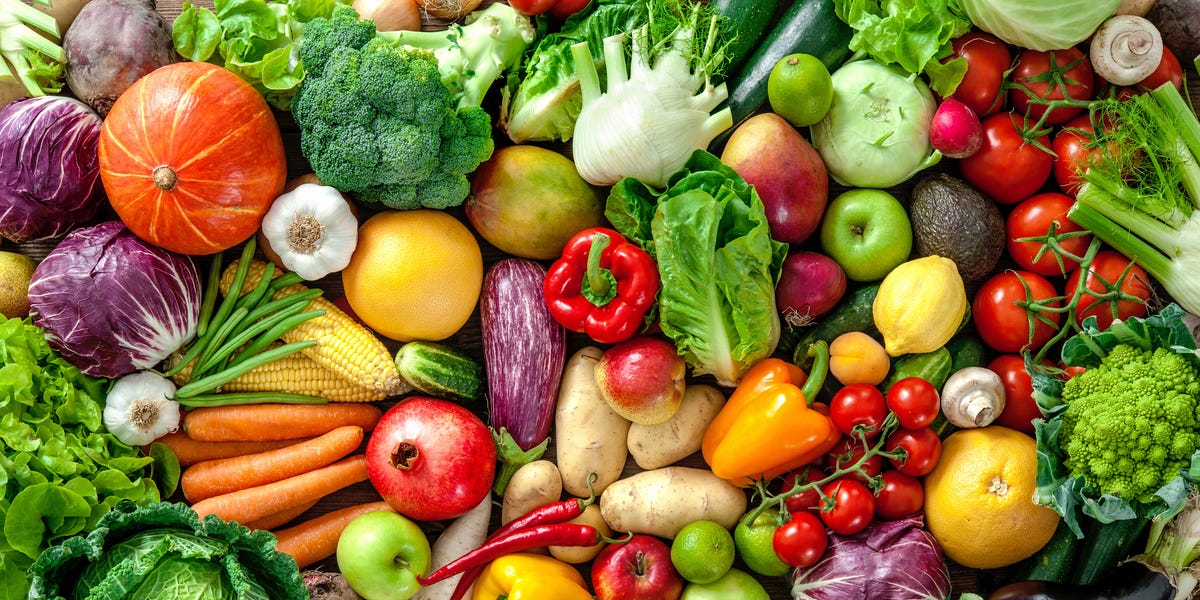
When people hear “vitamin C,” they picture oranges wearing tiny sunglasses. Cutebut vegetables deserve the spotlight, too.
Many of the best vitamin-C foods are crunchy, leafy, and suspiciously good at surviving in the back of your fridge for days.
(Not that we’re judging your produce drawer. It’s been through a lot.)
In this guide, you’ll find 11 vitamin-C rich vegetables, what makes them special, and easy ways to eat them without turning
dinner into a science experiment. We’ll also talk about how much vitamin C you actually need, how cooking affects it, and
how to build meals that hit your daily target without mega-dosing supplements like it’s a competitive sport.
Why Vitamin C Matters (Beyond “Immune Support”)
Vitamin C (ascorbic acid) is a water-soluble vitamin your body can’t make or store well, so you need a steady supply from
food. It plays several big roles:
- Collagen production: Collagen helps support skin, connective tissue, and wound healing.
- Antioxidant support: Vitamin C helps protect cells from oxidative stress.
- Immune function: It supports normal immune defenses (think “support,” not “invincibility cloak”).
- Iron absorption: It helps your body absorb non-heme iron from plant foodshandy if you eat lots of beans, greens, or fortified grains.
How Much Vitamin C Do You Need Per Day?
Most adults do well aiming around the daily recommended range (often listed as 90 mg/day for men and 75 mg/day for women).
Smokers typically need more. Food labels use a Daily Value (DV) of 90 mg for adults and kids 4+ to make comparisons easier.
More isn’t always better: very high intakes (especially from supplements) can cause stomach upset for some people. Food sources
are the easy, “your body actually likes this” option.
How Cooking and Storage Affect Vitamin C
Vitamin C is sensitive to heat and water. Long storage times, high heat, and boiling can reduce the vitamin C content of vegetables.
The good news: you don’t have to eat everything raw like a rabbit with a gym membership.
- Best cooking methods for vitamin C retention: quick steaming, microwaving, stir-frying, or roasting (short time, high satisfaction).
- Boiling tip: If you boil veggies, use the cooking liquid in soups or sauces so nutrients that leach out still make it into your meal.
- Prep smart: Cut produce closer to mealtime and store it cold to slow vitamin C loss.
The 11 Best Vitamin-C Rich Vegetables
Vitamin C amounts vary by variety, growing conditions, and serving size. The numbers below use common serving sizes so you can
plan meals in real life (not in a lab coat).
1) Red Bell Pepper (Sweet, Raw)
Vitamin C boost: About 95 mg per 1/2 cup chopped rawroughly a full day’s worth for many people.
Red bell peppers are basically vitamin C wearing a crunchy cape.
Why it’s great: Bright color often signals helpful plant compounds (like carotenoids). Plus, peppers are low-effort:
slice, dip, add to anything, pretend you’re “meal prepping.”
Easy ways to eat it: Stuff with hummus, toss into fajitas, or chop into a quick salad with olive oil, lemon, and salt.
2) Green Bell Pepper (Sweet, Raw)
Vitamin C boost: About 60 mg per 1/2 cup chopped raw.
Not as high as red, but still a strong source.
Why it’s great: Green peppers are widely available and usually cheaper. They also play well with heat if you prefer cooked meals.
Easy ways to eat it: Sauté with onions, add to omelets, or chop into tuna/chicken salad for extra crunch.
3) Kohlrabi (Raw)
Vitamin C boost: About 83.7 mg per 1 cup.
Kohlrabi is the underrated produce aisle character who turns out to be wildly talented.
Why it’s great: Crisp texture (like a mild radish meets broccoli stem), plus fiber.
If you’re bored of the same veggies, kohlrabi is a fun reset button.
Easy ways to eat it: Peel, slice into sticks, and dip; or shred into slaw with yogurt or vinaigrette.
It’s also great roastedjust keep cook time reasonable to preserve more vitamin C.
4) Broccoli (Cooked)
Vitamin C boost: About 51 mg per 1/2 cup cooked.
Broccoli is famous for a reasonnutrient density without drama.
Why it’s great: Broccoli brings vitamin C plus other beneficial compounds typical of cruciferous vegetables.
Easy ways to eat it: Steam for a few minutes and finish with lemon + parmesan, or stir-fry with garlic and sesame.
If you boil it into mush, it will still be broccoli… but it will also be sad.
5) Brussels Sprouts (Cooked)
Vitamin C boost: About 48 mg per 1/2 cup cooked.
Brussels sprouts have officially rebranded from “childhood trauma” to “actually delicious.”
Why it’s great: They’re filling, flavorful, and can easily become the star of the plate with the right technique.
Easy ways to eat it: Halve and roast at high heat until browned; finish with balsamic or a squeeze of lemon.
For faster cooking, shred and sauté for a few minutes.
6) Red Cabbage (Raw)
Vitamin C boost: About 50.7 mg per 1 cup chopped.
Red cabbage is like confetti you can eatand it’s not just for tacos.
Why it’s great: Its deep purple color comes from anthocyanins (plant pigments that act as antioxidants).
Bonus: cabbage stays crisp for days, which makes it a meal-prep hero.
Easy ways to eat it: Make a quick slaw with lime + salt, add to salads, or pile onto sandwiches for crunch.
7) Mustard Greens (Raw)
Vitamin C boost: About 39.2 mg per 1 cup chopped.
Mustard greens bring a peppery bitelike arugula’s bolder cousin.
Why it’s great: A little goes a long way in flavor, and it pairs well with rich foods (think beans, eggs, or roasted meats).
Easy ways to eat it: Chop into a salad mix, fold into wraps, or toss into hot soup at the end so it wilts gently.
8) Snow Peas (Raw)
Vitamin C boost: About 37.8 mg per 1 cup.
Snow peas are crunchy, sweet, and basically built for snacking.
Why it’s great: They’re easy to eat raw (no cooking skill required) and bring fiber plus a fresh snap.
Easy ways to eat it: Dip in hummus, add to stir-fries near the end, or toss into salads for crunch.
9) Turnip Greens (Raw)
Vitamin C boost: About 33 mg per 1 cup chopped.
Turnip greens are proof that “the tops” are often the best part.
Why it’s great: Leafy greens bring vitamin C plus a lineup of other micronutrients.
Their slightly bitter edge works well with savory, salty flavors.
Easy ways to eat it: Sauté quickly with olive oil and garlic, or add to soups and stews near the end.
10) Bok Choy (Raw)
Vitamin C boost: About 31.5 mg per 1 cup shredded.
Bok choy is crisp, mild, and perfect when you want leafy greens without the “salad fatigue.”
Why it’s great: It cooks fast, tastes clean, and works in a ton of cuisines.
Easy ways to eat it: Shred raw into slaw, or stir-fry quickly with ginger, garlic, and soy sauce.
Short cook time helps preserve more vitamin C.
11) Cauliflower (Raw)
Vitamin C boost: About 26 mg per 1/2 cup raw.
Cauliflower is the shapeshifter of vegetables: rice, pizza crust, mash, “steak”… it contains multitudes.
Why it’s great: Mild flavor makes it easy to use in meals where you want extra veggies without changing the whole vibe.
Easy ways to eat it: Snack on raw florets with dip, roast with spices, or pulse into “rice” and sauté briefly.
Putting It Into Practice: Vitamin C “Math” You Can Actually Use
If your goal is roughly the Daily Value (90 mg) most days, vegetables can get you there fastoften without you noticing.
Here are a few simple combos:
- Crunch plate: 1/2 cup red bell pepper (95 mg) + snow peas (37.8 mg) = over the DV, no stove required.
- Roasted dinner: 1/2 cup cooked broccoli (51 mg) + 1/2 cup cooked Brussels sprouts (48 mg) = about 99 mg.
- Slaw power-up: 1 cup red cabbage (50.7 mg) + 1 cup bok choy (31.5 mg) = about 82 mg, plus crunch.
You don’t have to “hit a number” perfectly every day. A consistent pattern of vitamin C foods over the week is what matters most.
And if you’re building plant-heavy meals, pairing vitamin C veggies with iron-containing foods (beans, lentils, tofu, spinach, fortified grains)
is a smart move for absorption.
Do You Need a Vitamin C Supplement?
Many people can meet vitamin C needs with foodespecially if you’re regularly eating vegetables like peppers, broccoli, cabbage, and greens.
Supplements can be useful in specific situations (limited diets, certain medical needs, or guidance from a clinician), but mega-doses aren’t automatically “healthier.”
If you’re prone to kidney stones, have kidney disease, or have iron overload conditions, talk with a healthcare professional before taking high-dose vitamin C supplements.
Food sources are generally safe for most people.
Real-World Experiences: What Happens When You “Go Veggie-C” for a Month (500+ Words)
People often expect vitamin C to feel like a superhero serumdrink it, glow instantly, defeat all germs with a single sneeze.
Real life is less dramatic and more… practical. When you start regularly eating vitamin-C rich vegetables, the “experience” tends to show up in
everyday ways that are easy to miss unless you’re paying attention.
One common shift is consistency. Instead of relying on a sporadic supplement habit (“I took one tablet the day I remembered I owned vitamins”),
you get vitamin C built into meals you already eat. That matters because vitamin C isn’t stored well in the body. People who add peppers to breakfast,
toss cabbage into lunch, and roast broccoli at dinner often find they’re no longer thinking, “Am I getting enough?”because the pattern does the work.
Another frequent experience is better meal satisfaction. Vitamin C vegetables often overlap with high-fiber, high-volume foods.
That means plates look bigger and feel more filling without adding a ton of calories. For example, adding a crunchy slaw (red cabbage + bok choy)
to a bowl meal changes the whole texture. Suddenly it’s not just “rice + protein,” it’s “a bowl with personality.” This makes it easier to stick with
balanced eatingbecause boredom is the sneakiest snack trigger.
Then there’s the kitchen confidence effect. A lot of vitamin-C rich vegetables are “starter-friendly.” You can eat peppers raw.
Snow peas practically come pre-packaged for snacking. Cabbage is forgiving and lasts longer than delicate greens. When people experience success with these,
they often start experimenting: quick stir-fries, sheet-pan roasts, simple salads with homemade dressing. That snowballs into a wider vegetable routine,
which tends to improve overall diet quality (not just vitamin C).
Many folks also report less dependence on ultra-processed add-ons. When vegetables bring color, crunch, and flavor, you don’t need as much
“help” from sugary sauces or heavy toppings. Try roasting Brussels sprouts until browned and finishing with lemonsuddenly you’re not reaching for a thick
bottled sauce out of habit. The food tastes good on its own. That’s a big deal if you’re trying to reduce excess sodium or added sugar without feeling like
you’re being punished by a bland dinner.
Finally, there’s the subtle “I’m taking care of myself” mental boost. Building a routine around vegetables can feel like a daily win.
It’s not perfection; it’s repetition. And when you’re busyschool, work, family, or all threesmall repeatable habits are the ones that actually survive.
Keeping bell peppers ready to grab, buying a bag of shredded red cabbage, or rotating broccoli and bok choy into weeknight meals are the kinds of choices
people keep doing because they’re easy, not because they require motivation. In the long run, that’s what “better health” usually looks like: not a single
heroic action, but a bunch of low-drama decisions that quietly add up.
Conclusion
If you want more vitamin C without turning your diet into a citrus-only fan club, vegetables are your best move. Red bell peppers, kohlrabi, broccoli,
Brussels sprouts, cabbage, and leafy greens can help you meet daily needs while also delivering fiber and a variety of beneficial plant compounds.
Aim for a mix of raw and lightly cooked options, keep cooking times short when you can, and build meals around what you’ll actually enjoy eating.
Consistency beats perfectionand it also tastes better.