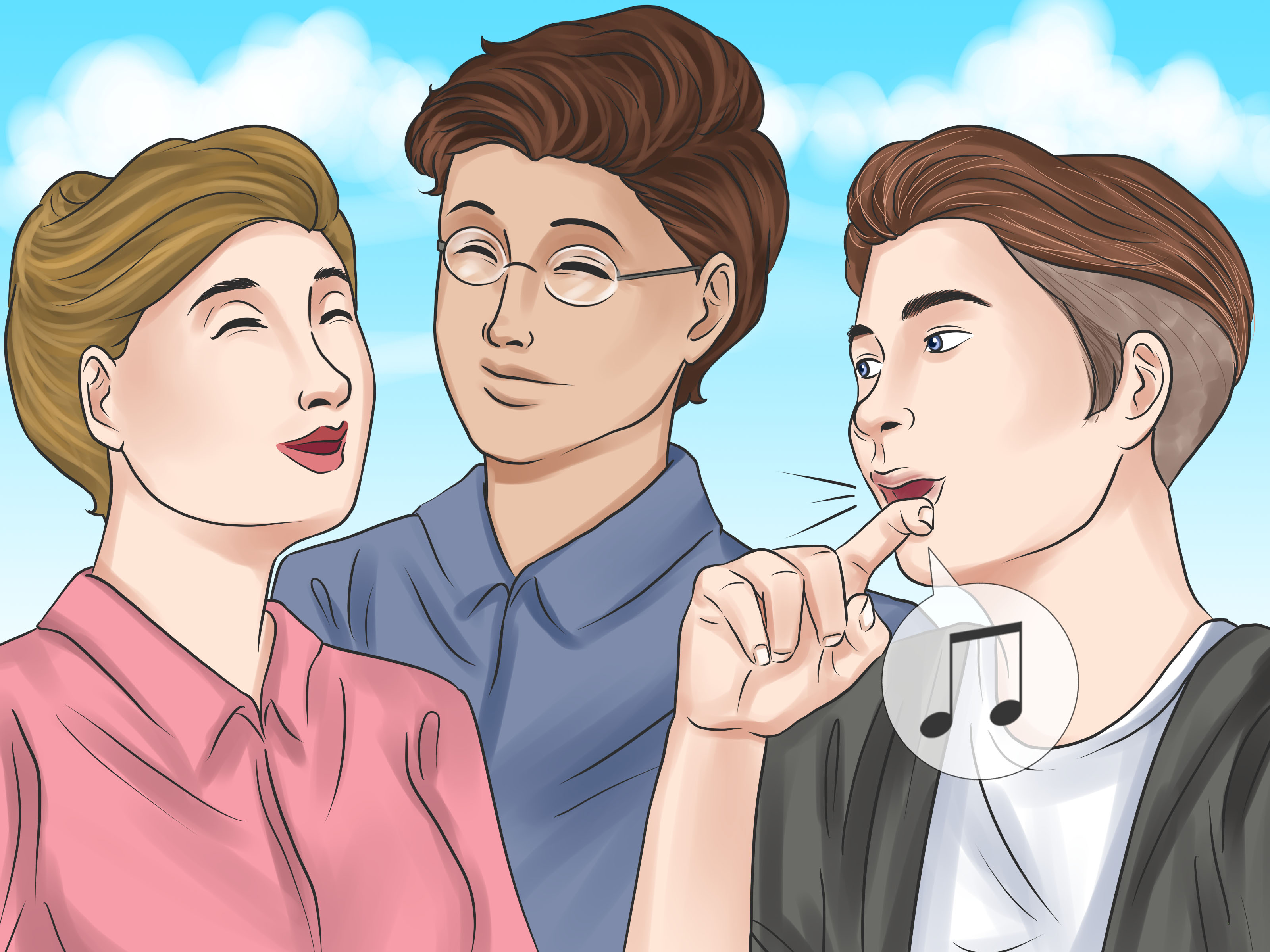
Some skills look impressive because they require expensive gear, years of training, or a heroic tolerance for paperwork. Then there is the mouth pop: tiny, funny, oddly satisfying, and available to anyone with lips, a tongue, a little patience, and the willingness to make suspicious noises in front of a mirror.
Learning how to do a pop sound with your mouth is useful for beatboxing, comedy, storytelling, sound effects, party tricks, theater warmups, voice play, and the classic “look what I can do” moment. The sound is created by building light pressure or suction inside the mouth, sealing part of the lips or tongue, and releasing that seal quickly. The result is a crisp “pop,” similar to a cartoon bubble, a bottle cork, a water drop, or a tiny percussion hit.
The good news? You do not need musical training. The better news? You also do not need to blast air from your lungs like a malfunctioning leaf blower. A clean mouth pop comes from controlled positioning, not brute force. This guide breaks the technique into 10 simple steps, explains common mistakes, and adds practical experience-based tips so you can make the sound louder, cleaner, and more consistent.
What Is a Mouth Pop Sound?
A mouth pop sound is a short percussive noise made by releasing trapped air or suction inside the mouth. Depending on the technique, you may use your lips, cheeks, tongue, palate, jaw, or a combination of all five. In speech science, many sounds depend on articulationthe way the lips, tongue, teeth, palate, and other parts of the vocal tract shape airflow. A pop sound uses that same basic idea, but instead of forming a word, you create a playful sound effect.
There are several types of mouth pops. The easiest is the lip pop, made by pressing the lips together and releasing them. Another popular version is the tongue pop, made by suctioning the tongue to the roof of the mouth and snapping it away. Beatboxers may use pop-like sounds as snares, clicks, clops, water-drop effects, or rhythmic accents. Foley artists and performers may use mouth pops to imitate tiny impacts, bubbles, drops, or cartoon-style gestures.
Before You Start: Keep It Gentle
A mouth pop should not hurt. It should not scrape your tongue, strain your jaw, dry out your throat, or make your lips feel like they have been through a tiny windstorm. If you feel pain, stop and reset. Drink water, relax your face, and try again later. The best pop sounds come from a quick release, not from forcing your mouth into battle mode.
For beginners, the goal is not volume. The goal is control. Once your mouth learns the shape, volume becomes much easier. Think of it like snapping your fingers: first you learn the motion, then you make it sharper.
How to Do a Pop Sound With Your Mouth: 10 Steps
Step 1: Relax Your Face, Jaw, and Lips
Start with a relaxed mouth. Let your jaw hang slightly open, then close it gently. Roll your lips together once or twice, as if you are spreading lip balm without using your hands. Keep your cheeks soft. If your face feels stiff, your pop will probably sound tight, weak, or squeaky.
Many beginners accidentally clench their jaw because they are trying too hard. That makes the sound smaller, not bigger. A good mouth pop needs a flexible seal and a fast release. Relaxation gives your lips and tongue room to move.
Step 2: Moisten Your Lips Slightly
Dry lips can make the sound scratchy or inconsistent. Lightly wet your lips or take a sip of water before practicing. Do not overdo it; you are making a mouth pop, not auditioning as a decorative fountain. A little moisture helps your lips seal smoothly and release cleanly.
If your lips are chapped, use lip balm and practice gently. Cracked lips can make popping uncomfortable, and discomfort usually leads to bad technique.
Step 3: Choose Your Pop Type
Pick one version to learn first. The two easiest options are:
- Lip pop: Press both lips together, build a small amount of pressure, and release.
- Tongue pop: Press your tongue to the roof of your mouth, create suction, and pull it away quickly.
If you are brand new, start with the lip pop. It is easier to feel because both lips are visible in the mirror. The tongue pop can be louder, but it takes more coordination because most of the action happens inside your mouth, where no one has installed helpful dashboard lights.
Step 4: Make a Gentle Lip Seal
For the basic lip pop, close your lips naturally. Do not press them so hard that your mouth turns into a vault door. You want a seal that can hold a little pressure but still release quickly.
Try saying the letter “p” silently. Notice how both lips come together and then separate. That “p” shape is a useful starting point because it uses both lips. The sound you want is like an exaggerated, playful version of that release, without needing to say a full word.
Step 5: Build a Small Pocket of Air
With your lips sealed, place a little air behind them. You can do this by slightly puffing your cheeks or gently pushing air forward with your tongue. Keep the amount small. Too much air makes the sound messy and can cause a breathy “puh” instead of a crisp “pop.”
The trick is to use mouth pressure more than lung power. Imagine you are holding a tiny bubble between your lips. You are not blowing up a balloon; you are preparing a mini sound effect.
Step 6: Release the Lips Quickly
Now open your lips fast. The release should be quick and clean, almost like your lips are letting go of a small suction cup. If done correctly, you should hear a short pop.
If the sound is weak, do not immediately add more force. First, check your seal. Most weak pops happen because air leaks out before the release. Press the lips together evenly, build a small pocket of pressure, and release in one quick motion.
Step 7: Add Cheek Support for a Louder Pop
Once you can make a small pop, add gentle cheek support. Puff your cheeks slightly, then use your cheek muscles to help push the air forward. This can make the pop louder and rounder.
Be careful not to overinflate your cheeks. A huge cheek puff often creates a silly “poof” instead of a sharp pop. Funny? Yes. Useful? Only if your goal is to sound like a disappointed balloon.
Step 8: Try the Tongue Pop Variation
For a tongue pop, place the front or middle of your tongue against the roof of your mouth. Create light suction by pressing the tongue upward and pulling slightly downward without releasing yet. Then snap the tongue away quickly.
The sound should come from the release of suction, not from slapping your tongue painfully against your mouth. Think “stick and release,” not “tongue karate.” If your tongue feels sore, use less pressure.
To make the tongue pop deeper, keep more space inside your mouth. Lower your jaw slightly and create a larger hollow area before releasing. To make it sharper, use a smaller space and a quicker tongue motion.
Step 9: Shape the Sound With Your Mouth
After you can make the basic sound, experiment with mouth shape. A wider mouth opening can create a brighter pop. A rounded lip shape can make it sound more like a bubble. A lower jaw position can make the pop deeper. Moving the sound to one side of the mouth can create a quirky beatbox-style effect.
Try these small adjustments:
- For a cartoon pop: round your lips slightly before release.
- For a sharper click-pop: use your tongue near the front of the palate.
- For a deeper pop: lower your jaw and create more space inside the mouth.
- For a beatbox accent: combine the pop with a light “b” or “p” motion.
Step 10: Practice in Short Bursts
Practice for two to five minutes at a time. Short, focused practice works better than a 40-minute mouth-pop marathon that leaves your face wondering what career choices led to this moment.
Try sets of 10 pops. After each set, pause and notice what changed. Was the sound louder when your lips were wetter? Cleaner when your cheeks were relaxed? Deeper when your jaw dropped? This kind of observation helps you improve faster than simply repeating the sound randomly.
Common Mistakes When Making a Mouth Pop
Using Too Much Air
More air does not always mean more sound. A crisp pop comes from pressure and release. If you blow too hard, you may get a breathy puff instead of a clean pop. Use less air and a better seal.
Clenching the Jaw
A tight jaw limits resonance and makes the sound smaller. Keep your jaw loose, especially for deeper tongue pops and water-drop-style effects.
Letting Air Leak Out Early
If your lips are not sealed evenly, the air escapes before the pop. Use a mirror to check whether one side of your mouth opens too soon. A tiny leak can turn a satisfying pop into a sad little whisper.
Hurting the Tongue
Tongue pops should use suction, not pain. If you feel scraping, pinching, or soreness, reduce the pressure. Good technique feels quick and springy, not rough.
Practicing While Your Throat Is Irritated
Although a mouth pop mostly uses the mouth, your throat and voice can still become irritated if you practice aggressively, combine pops with vocal sounds, or perform for a long time. Stay hydrated and rest if you feel hoarse or tired.
How to Make the Pop Sound Louder
To make your mouth pop louder, improve the seal before increasing force. A clean seal stores pressure more efficiently. Then release quickly. Speed matters more than strength.
For lip pops, press the lips together evenly, puff the cheeks slightly, and release with a quick opening motion. For tongue pops, increase the suction gently and create a larger hollow space inside your mouth. A bigger oral space can add resonance, making the sound fuller.
You can also practice near a wall or in a small room to hear the sound better. Bathrooms, closets, and quiet hallways often make mouth sounds seem louder because of reflection. Yes, this means your bathroom may become your first recording studio. Fame begins humbly.
How to Use Mouth Pops in Beatboxing
In beatboxing, mouth pops can act as accents, snares, fills, or comic breaks. A simple pattern might sound like:
Pop tss pop tss
Try combining a lip pop with a basic hi-hat sound like “tss.” Keep the rhythm slow at first. Once you can repeat the pattern evenly, add a kick-like “b” sound before the pop:
Boom pop tss pop
The goal is timing. A mouth pop does not need to be the loudest sound in your routine. Sometimes it works best as a tiny surprise, like a musical wink.
How to Use Mouth Pops for Sound Effects
Mouth pops are excellent for casual sound design. You can use them to imitate bubbles, cartoon impacts, corks, water drops, tiny explosions, or a character making an awkward exit. For storytelling, a well-timed pop can make a scene more vivid.
For example, if you are telling a story about opening a bottle, add a rounded lip pop at the moment the cork comes out. If you are describing a bubble bursting, use a lighter, higher pop. If you are doing a silly robot voice, add small pops between mechanical movements.
The secret is restraint. One pop is funny. Three pops can be funnier. Thirty-seven pops in a row may cause friends and family to lovingly ask whether you need a hobby. Technically, you now have one.
Troubleshooting: Why Can’t I Make the Pop Sound?
Your Mouth May Be Too Dry
Dry lips and a dry tongue make sealing difficult. Drink water and try again. You can also practice after brushing your teeth or rinsing your mouth, when everything feels cleaner and slightly more hydrated.
You May Be Releasing Too Slowly
A pop needs a quick release. If you open your lips or pull your tongue away slowly, the pressure leaks out gradually. Speed up the release while keeping the setup gentle.
Your Seal May Be Uneven
For lip pops, check both corners of the mouth. If one corner opens early, the sound weakens. Practice pressing the lips together evenly, then releasing from the center.
You May Be Trying Too Hard
This is the sneakiest problem. The harder you try, the more tense your mouth becomes. Relax, laugh at the weird noises, and reset. Mouth sounds improve when your muscles learn the motion, not when you declare war on your own face.
Experience-Based Tips for Learning the Mouth Pop Sound
Most people learn the mouth pop in stages. The first stage is confusion. You make a sound, but it is not exactly a pop. It might be a puff, a click, a squeak, or something that makes your dog leave the room. That is normal. Your mouth is figuring out the relationship between seal, pressure, shape, and release.
The second stage is the accidental perfect pop. This is when you suddenly make a crisp sound and immediately think, “Great! I have mastered it.” Then you try again and produce a noise like a noodle falling onto a tile floor. Also normal. The goal is to repeat the setup that created the good sound. Pay attention to what your lips, cheeks, jaw, and tongue were doing. Was your jaw lower? Were your cheeks slightly puffed? Was your tongue farther forward? These small details matter.
One useful experience trick is to practice in front of a mirror. Watch your lips as you make the sound. If your lips open unevenly, adjust them. If your cheeks puff too much, reduce the air. If your jaw looks tight, shake it loose and try again. A mirror gives you feedback before your ears fully understand the sound.
Another helpful trick is to record yourself. Your mouth pop may sound different to you than it does to others because you hear some sound through bone conduction and internal vibration. A phone recording gives you a more realistic sense of volume and clarity. Record five pops, listen back, change one thing, and record again. Do not change everything at once. That turns practice into a mystery novel, and unfortunately the villain is usually bad technique.
For lip pops, beginners often improve when they stop blowing from the lungs and start using the tongue and cheeks to move a small air pocket. Place the air right behind the lips, seal gently, and release fast. For tongue pops, the best results usually come from suction rather than impact. The tongue should pull away from the roof of the mouth quickly, creating the pop as the seal breaks.
If you want a deeper sound, create more space inside your mouth. Lower your jaw slightly, relax the tongue, and imagine the inside of your mouth as a tiny echo chamber. If you want a sharper sound, make the space smaller and release faster. This is why the same person can create several different mouth pops without changing tools. The mouth is already the tool; you are just learning where the buttons are.
When using the pop in performance, timing matters more than volume. A quiet pop placed perfectly can be funnier or more musical than a loud pop dropped randomly. Try adding it after a joke, between two beatbox sounds, or at the exact moment an imaginary bubble bursts. Practice with a metronome if you want to use it rhythmically. Start slow, then increase speed only after the sound stays clean.
Finally, be patient. Some people get the pop in five minutes. Others need a few days of short practice. Neither result means anything dramatic about your talent, destiny, or future as a human sound machine. Mouth sounds are motor skills. They improve with repetition, relaxation, and curiosity. Keep it playful, stay hydrated, and celebrate every weird little noise along the way.
Final Thoughts
Learning how to do a pop sound with your mouth is a small skill with surprisingly big entertainment value. It teaches control, timing, articulation, and a bit of playful performance. Start with a relaxed face, make a gentle lip or tongue seal, build a small pocket of air or suction, and release quickly. Once you can make the basic sound, experiment with jaw position, lip shape, cheek support, and rhythm.
The best part is that your instrument is always with you. No batteries. No cables. No subscription plan. Just your mouth, a little practice, and the courage to make funny noises until one of them becomes impressive.