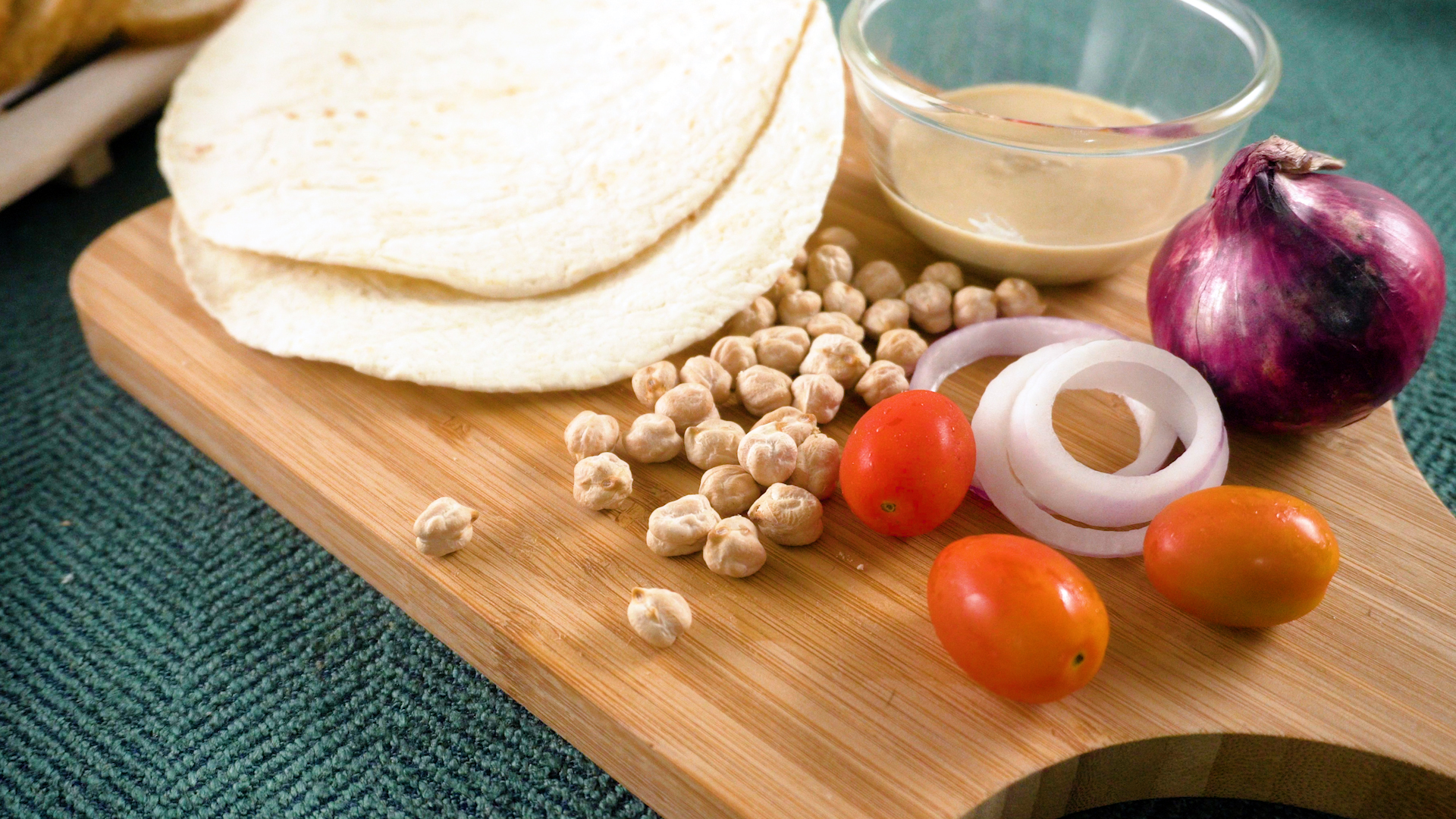
A great sandwich is one of life’s most reliable little miracles. It can be a fast lunch, a lazy dinner, a road-trip hero, a picnic show-off, or the reason you suddenly become very emotionally attached to a loaf of bread. Best of all, learning how to make a sandwich well does not require culinary school, a tiny mustache, or a cutting board made from reclaimed walnut. It just requires a few smart choices, a little balance, and the confidence to say, “Yes, this needs pickles.”
If you have ever made a sandwich that turned soggy before lunch, fell apart after one bite, or somehow tasted like dry disappointment, you are not alone. The secret is not using more ingredients. It is using the right ingredients in the right order. Bread matters. Texture matters. Spreads are not just there to look pretty. And seasoning? That is the difference between “fine” and “can I make this again tomorrow?”
In this guide, you will learn how to build a better sandwich from the ground up, avoid common mistakes, and try several tasty sandwich recipes that are easy enough for a weekday and good enough to impress your hungriest relatives. Whether you love a classic turkey sandwich, a melty grilled cheese, or a veggie-packed lunch that crunches in all the right ways, there is something here for your next delicious bite.
What Makes a Great Sandwich?
The best sandwich recipes have one thing in common: balance. You want soft and crisp, rich and fresh, savory and bright. A sandwich should feel intentional, not like leftovers got into a group project and hoped for the best.
1. Start with the right bread
Bread is not just a container. It is a structural engineer. Soft sandwich bread is perfect for simple builds like peanut butter and jelly, egg salad, or a straightforward turkey-and-cheese combo. Sourdough, rye, ciabatta, rolls, bagels, and brioche all bring different textures and personalities. Choose bread that matches the fillings. Delicate fillings like cucumber and cream cheese need a gentle base. A loaded chicken sandwich needs something sturdier.
If you are making sandwiches ahead of time, slightly hearty bread tends to hold up better. Whole grain bread, seeded loaves, and sturdy rolls offer flavor and texture while standing up to juicy fillings. Toasting can also help, especially if you are working with tomatoes, pickles, or spreads that like to wander into soggy territory.
2. Use spreads with purpose
Mayonnaise, mustard, hummus, pesto, aioli, cream cheese, smashed avocado, yogurt-based spreads, and vinaigrettes all deserve a seat at the sandwich table. A spread adds flavor, moisture, and sometimes a useful barrier between the bread and wetter ingredients. That barrier is not a small thing. It can save your lunch from becoming a damp paperweight by noon.
A smart sandwich often uses spread on both slices of bread. That way, every bite gets flavor instead of leaving one side dry and offended. For extra punch, season your spread. Add lemon juice to mayo, herbs to cream cheese, hot sauce to hummus, or a little garlic to softened butter.
3. Layer in protein and produce
Good sandwiches need a satisfying center. That can be sliced turkey, roast beef, tuna salad, chicken salad, eggs, cheese, tofu, tempeh, beans, or roasted vegetables. The trick is not piling on everything you own. Instead, choose a few ingredients that work together.
Then bring in the produce. Lettuce, spinach, arugula, cucumber, tomato, onion, avocado, sprouts, pickled vegetables, apples, and peppers add freshness, contrast, and color. A sandwich without produce can still be good, of course, but one with something crisp or bright usually feels more complete.
4. Season as you build
This is where many homemade sandwiches tap out. The ingredients may be good, but if the tomato is unseasoned and the lettuce is plain, the final result can taste flat. A little salt, pepper, lemon, vinegar, or olive oil can wake up your fillings without turning the sandwich into a science experiment.
5. Think about texture
Texture is the quiet genius of a tasty sandwich. Crunchy lettuce, creamy spread, tender meat, sharp pickles, melted cheese, and toasted bread create a layered eating experience. If everything is soft, the sandwich can feel sleepy. If everything is crunchy, it can feel like edible gravel. Aim for contrast.
How to Make a Sandwich Step by Step
If you want a basic formula for how to make a sandwich that actually tastes great, this is it:
- Choose your bread. Pick slices, rolls, wraps, pitas, biscuits, bagels, or English muffins based on the sandwich style.
- Toast if needed. Toasting improves flavor and helps sturdy up the surface.
- Add your spread. Use enough for flavor, but not so much that fillings skate around.
- Layer the protein. Fold deli meat loosely instead of stacking it flat like paperwork.
- Add cheese if using. Put it near warm ingredients when you want it to soften or melt.
- Finish with produce and crunch. Lettuce, tomato, onion, pickles, slaw, cucumbers, or even crushed potato chips can work.
- Close, press lightly, and slice. A gentle press helps everything settle. Then cut in halves or triangles if you enjoy feeling civilized.
For packed lunches, keep very wet ingredients separate until serving when possible. You can also place lettuce between juicy fillings and the bread to protect the loaf from moisture.
Tasty Sandwich Recipes to Try
1. Classic Turkey Avocado Crunch
This is the kind of turkey sandwich that makes sad desk lunches feel unnecessary. It is fresh, creamy, crunchy, and very easy to customize.
Ingredients:
- 2 slices whole grain bread, sourdough, or multigrain sandwich bread
- 2 to 3 ounces sliced turkey
- 1 to 2 slices cheddar, provolone, or Swiss cheese
- 1/4 avocado, sliced or mashed
- Tomato slices
- Lettuce or baby spinach
- Thin red onion slices
- Mayonnaise and Dijon mustard
- Salt and black pepper
How to make it: Toast the bread lightly. Spread mayonnaise on one slice and Dijon on the other. Layer turkey, cheese, avocado, tomato, onion, and lettuce. Season the tomato with a pinch of salt and pepper. Close the sandwich, slice, and try not to immediately make a second one.
Why it works: The avocado adds richness, the mustard gives sharpness, and the lettuce keeps everything crisp. It is a balanced lunch sandwich with good texture and satisfying flavor.
2. Ultimate Grilled Cheese
Grilled cheese is not just for rainy afternoons and cartoon-level comfort. Done well, it is a serious sandwich recipe with golden crust, stretchy cheese, and glorious contrast.
Ingredients:
- 2 slices sourdough or soft sandwich bread
- 1 tablespoon softened butter or mayonnaise for the outside
- 2 to 3 slices cheese, such as cheddar, mozzarella, provolone, Gruyere, or American
- Optional add-ins: tomato, caramelized onions, bacon, pickled jalapenos, or pesto
How to make it: Spread butter or mayonnaise on the outside of each bread slice. Place cheese between the unbuttered sides. Cook in a skillet over medium to medium-low heat until the bread turns golden brown and the cheese melts. If you are adding extras, keep them modest so the sandwich stays melty rather than chaotic.
Why it works: Mixing cheeses creates better flavor and melt. Medium-low heat gives the bread time to brown before the inside overheats or the outside burns. Serve with tomato soup if you want to turn lunch into a personality trait.
3. Chicken Salad Sandwich with Herbs and Crunch
This recipe is perfect for leftover chicken and wildly better than anything that tastes like it came from a sad plastic triangle.
Ingredients:
- 1 cup cooked shredded or chopped chicken
- 2 to 3 tablespoons mayonnaise or Greek yogurt
- 1 teaspoon Dijon mustard
- 1 celery stalk, finely chopped
- 1 tablespoon chopped parsley or dill
- 1 teaspoon lemon juice
- Salt and pepper
- Bread, croissants, or rolls
- Lettuce and sliced grapes or apples, optional
How to make it: Stir together the chicken, mayo or yogurt, mustard, celery, herbs, lemon juice, salt, and pepper. Spoon onto bread or a croissant. Add lettuce and fruit slices if you like a sweet-savory contrast.
Why it works: Celery adds crunch, herbs add brightness, and lemon keeps the filling from tasting heavy. It is one of the best make-ahead sandwich recipes because the filling improves after chilling.
4. Veggie Hummus Crunch Sandwich
If you think vegetarian sandwiches are just lettuce pretending to be lunch, this one would like a word.
Ingredients:
- 2 slices hearty whole wheat bread or seeded bread
- 3 tablespoons hummus
- Cucumber slices
- Roasted red peppers
- Shredded carrots
- Baby spinach or arugula
- Avocado slices
- Pickled onions or banana peppers, optional
- Black pepper and a squeeze of lemon
How to make it: Spread hummus generously on both slices. Layer the vegetables evenly, finishing with greens and avocado. Add pepper and lemon, then close and slice.
Why it works: Hummus brings creaminess and protein, while cucumbers, peppers, and carrots deliver major crunch. This is a fresh, colorful sandwich that does not feel like a compromise.
5. Breakfast Egg Sandwich
Breakfast sandwiches are proof that mornings can improve dramatically with enough cheese.
Ingredients:
- 1 English muffin, biscuit, bagel, or toasted sandwich bread
- 1 or 2 eggs
- 1 slice cheddar or American cheese
- Cooked bacon, sausage, or sliced avocado
- Butter or hot sauce, optional
- Salt and pepper
How to make it: Cook the egg to your preferred doneness. Add cheese while the egg is still hot so it softens nicely. Stack everything on your toasted base and finish with hot sauce or butter if that sounds like your kind of morning.
Why it works: It is portable, fast, satisfying, and endlessly adaptable. You can keep it simple or build it up with greens, tomato, or a swipe of pesto.
Common Sandwich Mistakes to Avoid
Using bread that does not match the fillings
Feather-light bread with heavy fillings often leads to collapse. Meanwhile, extremely crusty bread can squeeze the filling right out the back. Pick a loaf that suits the job.
Adding too many wet ingredients
Tomatoes, pickles, juicy meats, and loose spreads can create a soggy sandwich fast. Pat ingredients dry, use a spread barrier, or add juicy components right before serving.
Skipping seasoning
A tomato slice without salt is not tragic, but it is definitely missing an opportunity. Sandwiches love seasoning.
Overstuffing the build
There is a difference between generous and structurally reckless. If the sandwich needs the engineering skills of a suspension bridge, it may be time to scale back.
Not slicing thoughtfully
Cutting a sandwich is not only for aesthetics. Halves and triangles make a sandwich easier to eat and show off those lovely layers. Also, sandwiches simply taste more impressive when cut. Science has not confirmed this, but the heart has.
Food Safety Tips for Homemade Sandwiches
A sandwich should be delicious, not memorable for the wrong reasons. Clean your hands, wash produce, and keep raw foods away from ready-to-eat ingredients like bread, greens, and sliced vegetables. Cook meats, eggs, and other proteins fully, and refrigerate perishable sandwich fillings promptly.
If you are using leftovers like roast chicken, cooked ground beef, or sliced pork, cool and store them properly before building sandwiches. For packed lunches, use an insulated lunch bag and a cold pack when needed. If a hot sandwich is being served buffet-style, keep it hot enough and do not let it linger at room temperature for ages while everybody debates chips versus fries.
These simple habits matter whether you are making one sandwich at home or a tray of sliders for a party. Great flavor and good food safety should always share the same plate.
Conclusion
Learning how to make a sandwich is really about learning how to build flavor, texture, and convenience into one bite-friendly package. The best sandwich recipes are not necessarily the biggest or the fanciest. They are the ones that understand balance: a bread that supports the fillings, a spread that adds flavor and protects texture, produce that brings freshness, and enough seasoning to make every layer count.
Once you understand that formula, you can make almost any sandwich better. A turkey sandwich becomes a crunchy, creamy lunch worth looking forward to. A grilled cheese becomes a golden, melty masterpiece. A veggie sandwich turns into a bright, hearty meal instead of a backup plan. And a simple egg sandwich can rescue a rushed morning with heroic efficiency.
So the next time you are hungry and staring into the refrigerator like it owes you ideas, remember this: a truly tasty sandwich does not require fancy ingredients, only smart choices. Start with good bread, build with purpose, and do not be afraid to add that pickle. Your lunch will thank you.
Sandwich Experiences Worth Savoring
There is something wonderfully personal about sandwiches. Ask ten people for the best sandwich memory of their lives, and you will probably get ten wildly different stories. One person will talk about a perfect bacon, egg, and cheese eaten on a cold morning while running late. Another will remember a tomato sandwich in peak summer, made with white bread, mayo, salt, and pepper, eaten over the sink because waiting for a plate felt unnecessary. Someone else will bring up a picnic sandwich wrapped in wax paper, slightly compressed in the best possible way, tasting even better outdoors than it ever could at a kitchen table.
That is part of the magic. Sandwiches adapt themselves to real life. They fit busy days, lazy days, road trips, school lunches, work breaks, beach afternoons, and those strange evenings when cooking a full dinner feels a little too ambitious. A bowl of pasta asks you to sit down and commit. A sandwich says, “I understand. Let us keep moving.”
One of the best experiences related to making sandwiches is learning how small upgrades change everything. The first time you toast the bread just enough, season the tomatoes properly, and use a spread that actually complements the fillings, you realize homemade sandwiches can taste far better than the rushed versions many of us grew up with. Suddenly lunch feels less like a chore and more like a small daily victory. You begin buying better bread. You start keeping pickled onions in the fridge. You become a person with sandwich opinions, and honestly, that is growth.
Sandwiches also have a talent for carrying memory. A peanut butter and jelly sandwich can bring back school cafeteria chatter and the sound of a lunch box snapping open. A tuna melt can remind someone of a diner booth and a plate of fries. A grilled cheese with tomato soup can taste like weather, childhood, and comfort at the same time. Even a simple cucumber sandwich or egg salad can feel strangely elegant if it shows up at the right moment.
Then there is the joy of sharing sandwiches. Cutting a large sandwich into halves or quarters and putting it in the middle of the table invites conversation in a way some meals do not. Sliders at a party disappear quickly. A tray of breakfast sandwiches at a family gathering can make you feel like an absolute genius before 10 a.m. Picnic sandwiches become a group event, with everyone arguing pleasantly over the best bread, the right cheese, and whether arugula is sophisticated or just lettuce with ambition.
Making sandwiches can even become a quiet ritual. Maybe you build one every Sunday evening for Monday lunch. Maybe you make a breakfast sandwich while the coffee brews. Maybe you layer a chicken sandwich with leftovers from the night before and feel delightfully resourceful. These tiny routines matter. They make everyday meals feel less random and more cared for.
And perhaps that is why sandwiches stay so beloved. They are practical, yes, but they are also emotional. They offer comfort, creativity, nostalgia, speed, and satisfaction all at once. They can be humble or impressive, classic or inventive, tidy or gloriously messy. In the end, a good sandwich is never just food between bread. It is a little edible proof that simple things, done well, can be deeply enjoyable.