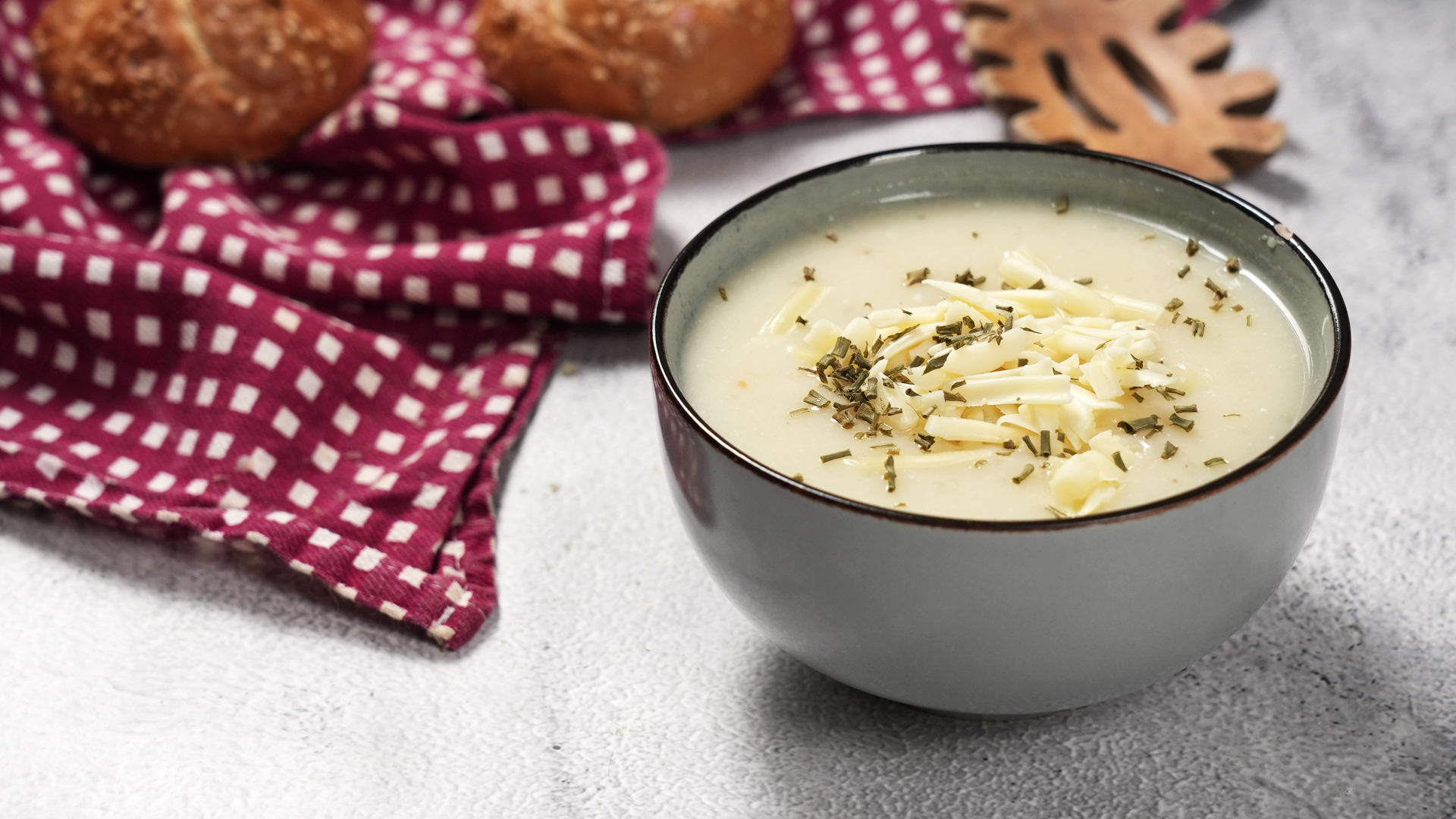
Potato soup should feel like a warm blanket in a bowl: creamy, cozy, and thick enough to hold a spoon upright for at least one dramatic second. But sometimes, despite your best potato-loving intentions, the pot looks more like potato-flavored broth than the hearty comfort food you pictured. The good news? Thin potato soup is not a kitchen tragedy. It is simply soup asking for a little structure.
Whether you made homemade potato soup from scratch, reheated leftovers, or added a little too much broth because you were cooking with confidence and vibes, you can fix the texture without starting over. The secret is choosing the right thickening method for the soup you already have. Some fixes keep the flavor pure and potato-forward. Others add richness, body, and that restaurant-style creamy finish. A few work almost instantly, which is helpful when hungry people are circling the kitchen like soup detectives.
In this guide, you will learn 3 simple ways to thicken potato soup: blending or mashing some of the potatoes, using a flour or starch thickener, and adding creamy or potato-based boosters. Each method includes step-by-step instructions, best-use tips, common mistakes, and real kitchen examples so you can rescue thin soup with confidence.
Why Potato Soup Turns Out Thin
Before we thicken the soup, let’s understand why it got watery in the first place. Potato soup usually becomes thin for one of five reasons: too much liquid, not enough potatoes, undercooked potatoes, too little fat or dairy, or not enough time for the starches to release. Potatoes naturally contain starch, which helps give soup body. But if the potato pieces are still firm, if the soup was diluted with extra broth or milk, or if the recipe depends on cream that was added too lightly, the final texture can feel flat.
Another common culprit is timing. Soup thickens as it simmers and often thickens even more as it cools. If you judge the texture too early, you may panic and add too much thickener. Then, twenty minutes later, your soup becomes potato pudding. Delicious? Maybe. Spoonable? Technically. Ideal? Not quite.
The best approach is to thicken gradually. Add a little, stir well, simmer briefly, and check again. Potato soup rewards patience. It also rewards bacon, but that is a separate conversation.
Way 1: Blend or Mash Some of the Potatoes
The easiest and most natural way to thicken potato soup is to use the potatoes already in the pot. As potatoes cook, they soften and release starch. When you mash or blend part of the soup, those softened potatoes turn into a creamy base that thickens the broth without adding flour, cornstarch, or extra dairy.
This method is especially useful if you want a thick potato soup that still tastes clean and homemade. It also works well for gluten-free potato soup, lighter potato soup, and recipes where you want the potatoes to be the star instead of hiding behind heavy cream.
How to Do It
Start by checking whether the potatoes are fully tender. A fork should slide through the pieces easily. If the potatoes are still firm, simmer the soup for another 5 to 10 minutes. Once tender, use a potato masher directly in the pot to crush some of the potatoes. Mash just enough to cloud the broth and create body while leaving plenty of chunks for texture.
If you prefer a smoother soup, transfer 1 to 2 cups of soup to a blender, blend until creamy, and stir it back into the pot. You can also use an immersion blender, but go slowly. Pulse in short bursts rather than blending the whole pot into a gluey cloud. Potatoes can become gummy when overworked, especially with aggressive blending.
After mashing or blending, let the soup simmer for 3 to 5 minutes. This gives the starch a chance to thicken the liquid evenly. If it is still too thin, repeat with another small portion of potatoes.
Best For
This method works best for chunky potato soup, loaded baked potato soup, potato leek soup, and rustic farmhouse-style soups. It is ideal when the flavor is already good but the texture needs more body. It is also a smart choice when you want to avoid extra calories from cream or butter.
Example
Suppose you made a pot of potato soup with 6 cups of broth and 4 large potatoes, but the broth still looks loose after simmering. Instead of adding flour right away, mash about one-third of the potatoes in the pot. Stir, simmer, and taste. The soup will become thicker while still keeping its chunky texture. Add shredded cheddar, chives, and crispy bacon on top, and nobody needs to know the soup had a watery phase. We all go through things.
Common Mistake to Avoid
Do not blend the soup continuously for too long. Over-blending can make potato soup sticky because the starches are worked too hard. For a velvety but not gluey texture, blend only part of the soup and keep the blender time short.
Way 2: Use a Flour, Roux, or Slurry Thickener
If your potato soup is very thin and needs a reliable fix, starch-based thickeners are your best friends. Flour, cornstarch, potato starch, and arrowroot can all add body quickly. The trick is using them correctly so you do not end up with lumps floating around like tiny dumplings nobody invited.
There are two main ways to thicken potato soup with starch: a roux or a slurry. A roux is made by cooking flour with fat, usually butter, before adding liquid. A slurry is made by mixing starch with cold liquid, then stirring it into hot soup.
Option A: Make a Roux
A roux is excellent when you are building potato soup from the beginning or when you do not mind using a separate pan to rescue a thin batch. It gives the soup a smooth, creamy texture and a subtle richness.
To make a quick roux, melt 2 tablespoons of butter in a small saucepan over medium heat. Whisk in 2 tablespoons of all-purpose flour. Cook for 1 to 2 minutes, stirring constantly, until the mixture looks smooth and smells slightly nutty. Do not let it burn. Slowly whisk in a ladle of hot soup broth until smooth, then stir the mixture back into the soup pot. Simmer for 5 to 10 minutes so the flour thickens fully and loses any raw taste.
A roux works beautifully in creamy potato soup because butter and flour blend naturally with milk, cream, cheese, and potatoes. It is also less likely to create a glossy texture than cornstarch, which makes it feel more classic and homemade.
Option B: Make a Slurry
A slurry is faster and easier when the soup is already cooked. Mix 1 tablespoon of cornstarch, potato starch, or flour with 2 tablespoons of cold water, cold broth, or cold milk. Stir until completely smooth. Slowly drizzle the slurry into simmering soup while stirring constantly.
Let the soup simmer for a few minutes before deciding whether to add more. Cornstarch thickens quickly, while flour needs a little more time to cook. Potato starch can thicken efficiently, but it is best added near the end because prolonged high heat may weaken its thickening power.
Best For
Use this method when your potato soup is clearly too watery and needs dependable thickening. It is also helpful when you are serving the soup soon and do not have time to simmer it down slowly. A roux is best for rich, creamy soups. A slurry is best for quick adjustment.
Example
Imagine your soup tastes great but looks thin after you added milk. Mix 1 tablespoon of cornstarch with 2 tablespoons of cold milk. Stir it into the simmering soup and wait 2 minutes. If the soup still needs more body, add another half batch. This slow approach prevents over-thickening and keeps the texture smooth.
Common Mistakes to Avoid
Never sprinkle dry flour or cornstarch directly into hot soup. It will clump almost instantly. Always mix starch with cold liquid first or cook flour with butter in a roux. Also, do not add too much thickener at once. Potato soup thickens as it sits, so stop just before it reaches your dream texture. By the time it hits the bowl, it may be perfect.
Way 3: Add Creamy or Potato-Based Boosters
The third way to thicken potato soup is to stir in ingredients that add both body and flavor. This includes heavy cream, half-and-half, sour cream, cream cheese, shredded cheese, instant potato flakes, leftover mashed potatoes, or extra cooked potatoes. This method is especially handy because it can make soup thicker and tastier at the same time. That is the kind of multitasking we support.
Use Instant Potato Flakes
Instant potato flakes are one of the quickest ways to thicken potato soup because they are made from dehydrated potatoes. They dissolve into the liquid and boost the potato flavor instead of diluting it. Start with 2 tablespoons of instant potato flakes for a medium pot of soup. Stir well, wait 2 minutes, and check the texture. Add more a tablespoon at a time if needed.
This is a great emergency fix because it does not require a blender, extra cooking, or a separate pan. It also keeps the soup tasting like potato soup, not “mystery thickened soup.” Use plain instant potato flakes, not flavored packets loaded with salt or artificial butter flavor, unless that is the exact flavor adventure you want.
Add Leftover Mashed Potatoes
Leftover mashed potatoes are another excellent thickener. Whisk them with a little warm broth first so they loosen up, then stir them into the soup. This prevents cold clumps from sinking to the bottom like potato boulders. Mashed potatoes add thickness, creaminess, and a comforting homemade flavor.
If the mashed potatoes already contain butter, milk, garlic, or cheese, they can make the soup even richer. Just taste before adding more salt because leftovers may already be seasoned.
Add Dairy for Richness
Heavy cream, half-and-half, sour cream, and cream cheese can make potato soup feel thicker, smoother, and more luxurious. Dairy does not thicken as powerfully as starch, but it adds richness that makes the soup feel fuller on the spoon.
For heavy cream or half-and-half, add 1/4 to 1/2 cup near the end of cooking. For sour cream or cream cheese, soften it first and whisk it with a small amount of warm soup in a separate bowl. Then stir that mixture back into the pot over low heat. This tempering step helps prevent curdling and keeps the soup silky.
Add Cheese Carefully
Cheddar, Monterey Jack, Parmesan, and Colby can make potato soup thicker and more flavorful. Add shredded cheese gradually over low heat and stir until melted. Avoid boiling the soup after adding cheese, because high heat can make cheese separate or turn grainy.
For loaded baked potato soup, cheddar is the obvious hero. For potato leek soup, Parmesan can add salty depth. For a mellow family-style soup, Monterey Jack melts smoothly and keeps the flavor gentle.
Best For
This method is best for loaded potato soup, creamy potato soup, leftover soup, and last-minute texture fixes. It is especially useful when the soup is not only thin but also tastes a little bland. A creamy booster can solve both problems at once.
Example
If your potato soup tastes watery after reheating, stir in 3 tablespoons of instant potato flakes and 1/4 cup of half-and-half. Simmer gently for 2 minutes. The flakes thicken the soup, while the dairy restores the creamy finish that leftovers sometimes lose in the fridge.
Bonus Tips for Perfectly Thick Potato Soup
Simmer Uncovered
If your soup is only slightly thin, remove the lid and simmer it uncovered for 10 to 15 minutes. This allows excess liquid to evaporate naturally. Stir occasionally so the potatoes do not stick to the bottom. Keep in mind that reducing soup also concentrates salt, so wait to adjust seasoning until after it thickens.
Choose the Right Potato
Russet potatoes are high in starch and break down easily, which makes them great for thick, creamy potato soup. Yukon Gold potatoes are naturally buttery and create a smooth texture, though they hold their shape better than russets. Red potatoes are waxier and less likely to fall apart, so they are better for chunky soups but may need extra help from mashing, cream, or a slurry.
Do Not Rush the Simmer
Potatoes need time to soften and release starch. If you add dairy too early or stop cooking while the potatoes are still firm, the soup may stay thin. Let the potatoes become fully tender before you judge the final consistency.
Season After Thickening
Thickening changes flavor. A soup that tastes perfectly salted when thin may taste too salty after reducing. A soup thickened with cream may need more pepper, garlic, herbs, or acid. Taste at the end and adjust with salt, black pepper, chives, parsley, smoked paprika, or a small splash of vinegar or lemon juice if the soup feels heavy.
Which Thickening Method Should You Choose?
Choose blending or mashing if you want the most natural potato flavor and a gluten-free-friendly option. Choose a roux or slurry if the soup is very thin and you need a dependable fix. Choose creamy or potato-based boosters if you want thickness plus richer flavor.
For the best result, you can combine methods. For example, mash some potatoes first, then add a splash of cream. Or stir in a small slurry, then finish with cheese. Just avoid using every thickener in your kitchen at once. Potato soup should be creamy, not structurally prepared for road construction.
Personal Kitchen Experiences: What Actually Works in Real Life
After making potato soup many different ways, one lesson becomes clear: the best thickening method depends on the personality of the soup. Yes, soup has personality. Some pots are gentle and cooperative. Others behave like they read the recipe and chose rebellion.
For a classic weeknight potato soup, mashing some of the potatoes is usually the first fix to try. It feels natural, it keeps the ingredient list simple, and it does not change the flavor. In a chunky soup with bacon, onion, celery, and garlic, mashing about one-third of the potatoes creates the perfect middle ground. The broth becomes creamy, but the bowl still has tender potato pieces. That texture feels homemade in the best way, like something that came from a big pot on a cold Sunday rather than a can.
The roux method is the one to use when you want a thicker, diner-style potato soup. Butter and flour create a cozy base that holds up well to milk, cheese, and toppings. The key is cooking the flour long enough before adding it to the soup. If the flour is rushed, the soup can taste flat or pasty. When the roux is cooked for a minute or two, it gives the soup a smooth body without shouting, “Hello, I am flour.”
A slurry is the practical rescue method. It is not glamorous, but it works. When a soup is already finished and guests are ten minutes away from arriving, a cornstarch or potato starch slurry can save dinner. The most important habit is to add it slowly. A little slurry can make a noticeable difference, especially after the soup sits for a few minutes. Add too much, and the soup can become shiny or overly thick. That is not failure, exactly, but it may require extra broth and a small pep talk.
Instant potato flakes are the underrated hero. They are especially useful for leftover potato soup that becomes watery after refrigeration. Stirring in a spoonful or two brings the texture back quickly without adding a new flavor. They also work well when the soup needs a stronger potato taste. The only caution is to use plain flakes and add them gradually. They thicken fast, and they do not ask permission.
Dairy is best for finishing, not fixing everything. Heavy cream, half-and-half, sour cream, and cream cheese add richness, but they do not always solve a seriously thin soup by themselves. They are wonderful after the soup already has some body. A little cream at the end can make mashed-potato-thickened soup taste silky. Sour cream adds tang, which is excellent in loaded potato soup with cheddar and bacon. Cream cheese makes the soup richer, but it should be softened and whisked before going into the pot so it melts smoothly.
The biggest real-life mistake is over-blending. It is tempting to attack the pot with an immersion blender until everything looks smooth, but potatoes can turn sticky when blended too aggressively. Short pulses are better. Leave some texture. A few potato chunks make the soup feel hearty and prevent the texture from becoming too heavy.
Another practical tip is to remember that toppings affect the final experience. A soup that seems only moderately thick in the pot may feel perfect once you add shredded cheese, bacon, scallions, croutons, or a dollop of sour cream. Texture is not only about the liquid. It is about the whole spoonful.
In the end, thickening potato soup is less about strict rules and more about small adjustments. Start with the potatoes. Add starch only if needed. Finish with dairy or cheese when you want richness. Taste as you go. Stir patiently. And if the soup still turns out thicker than expected, congratulations: you have invented rustic potato stew. Serve it proudly.
Conclusion
Learning how to thicken potato soup is one of those simple kitchen skills that makes homemade cooking feel easier and more forgiving. A thin pot of soup does not mean the recipe failed. It just needs the right finishing move. Mash or blend some potatoes for natural thickness, use a roux or slurry for reliable structure, or stir in cream, cheese, mashed potatoes, or instant potato flakes for extra body and flavor.
The smartest strategy is to thicken gradually and taste often. Potato soup continues to change as it simmers and cools, so small steps lead to the best texture. With these three simple methods, you can turn a watery bowl into a creamy, comforting meal that tastes intentional, satisfying, and ready for toppings.