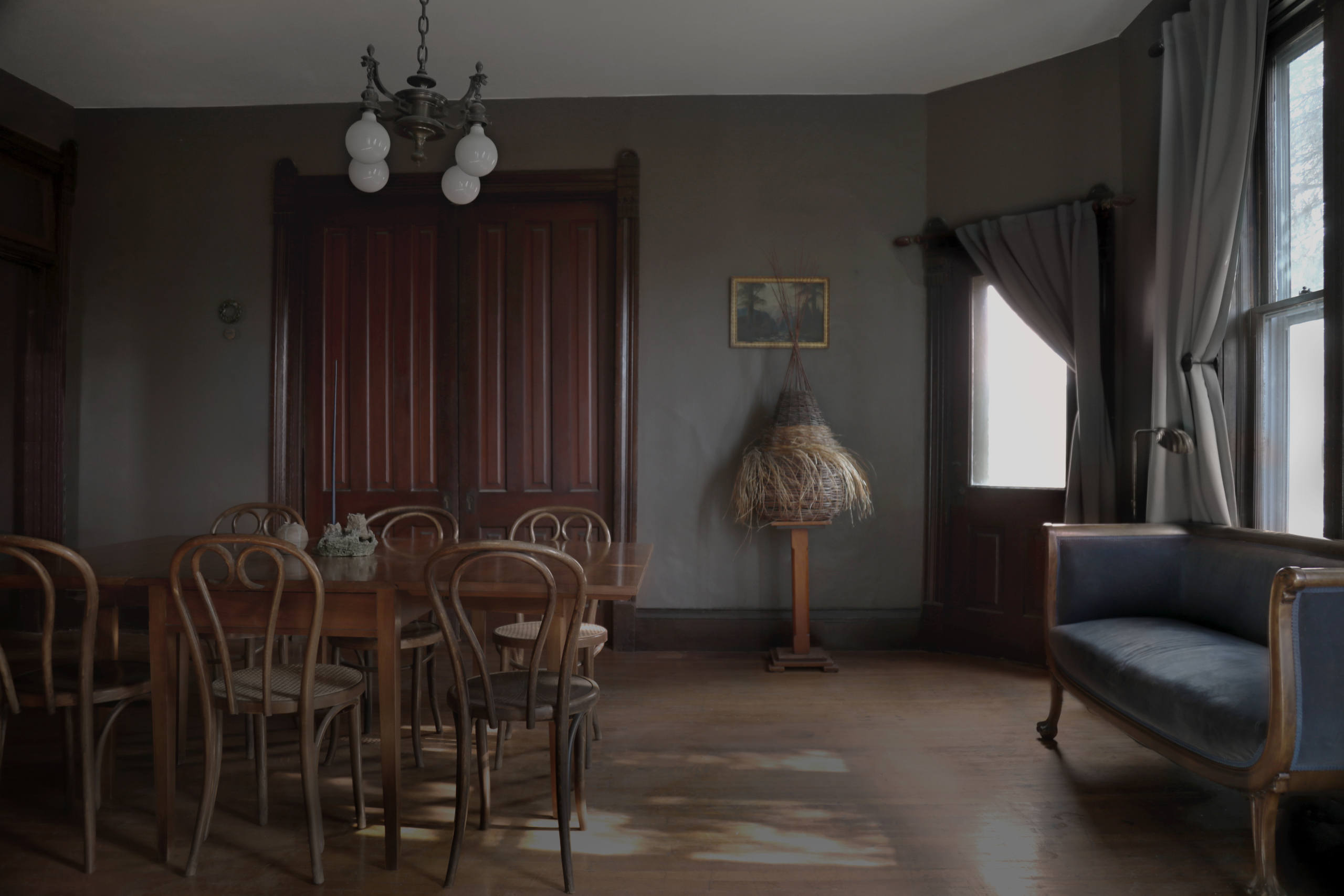
A dark dining room is not a design mistake. It is a mood. It is candlelight on a rainy evening, a walnut table that looks like it has heard family secrets, and a chandelier that says, “Yes, I do own serving spoons for occasions.” While bright white dining rooms can feel crisp and cheerful, a darkly-designed dining room with antique charm brings something richer to the table: drama, depth, history, and a little bit of delicious mystery.
The good news? You do not need a castle, a haunted inheritance, or a butler named Edgar to steal this look. With the right balance of moody paint colors, antique furniture, vintage-inspired lighting, layered textiles, and warm metallic accents, you can create a dining space that feels collected rather than decorated. Think old-world charm, but with enough modern comfort that guests do not feel like they accidentally walked into a period drama and forgot their gloves.
This guide breaks down how to design a dark antique dining room that feels elegant, cozy, and livable. We will cover wall colors, furniture, lighting, rugs, art, table styling, and practical layout ideas so the room feels atmospheric instead of gloomy. Because yes, there is a difference between “moody and sophisticated” and “where did I put my fork?”
Why Dark Dining Rooms Feel So Luxurious
Dark dining room design works because dining rooms are naturally suited for atmosphere. Unlike kitchens, which need bright task lighting for chopping vegetables and pretending to enjoy meal prep, dining rooms are emotional spaces. They are where people gather, talk, linger, toast, laugh too loudly, and occasionally debate whether cranberry sauce counts as a side dish or a personality trait.
Deep wall colors such as charcoal, black-brown, navy, oxblood, aubergine, and forest green create an enveloping effect. Instead of bouncing light around like a white room, dark colors absorb light and soften edges. That makes the space feel intimate and cocoon-like. When paired with antique wood furniture, aged brass, crystal, candlelight, and textured fabrics, the result is a dining room that feels polished without being stiff.
The secret is contrast. A dark room needs shine, texture, and visual breathing room. Antique charm works beautifully here because older pieces usually have patina, carved details, warm wood tones, and irregular finishes. Against a moody backdrop, those features stand out like jewelry on velvet.
Start with the Walls: Choose a Moody Color with Depth
The fastest way to create a darkly-designed dining room is with paint or wallpaper. A deep wall color immediately shifts the entire mood of the room. For a classic antique look, consider charcoal gray, deep navy, espresso brown, blackened green, plum, burgundy, or smoky teal. These shades feel timeless because they echo historic interiors, libraries, formal parlors, and candlelit dining halls.
Best Dark Paint Colors for an Antique Dining Room
If you want a dramatic but livable room, choose a color that has undertones. A flat black can be stunning, but it may feel harsh if the room lacks architectural detail. A black with brown, green, blue, or purple undertones often feels more layered. Charcoal with warmth can make mahogany and walnut furniture glow. Forest green gives a botanical, old-world feeling. Deep navy feels tailored and traditional. Burgundy and oxblood add romance, especially when balanced with cream, brass, and antique gold.
For a softer approach, use a dark color on the lower two-thirds of the wall with picture-frame molding, then add wallpaper or a slightly lighter shade above. This creates instant architecture, even in a plain builder-grade room. If your dining room already has paneling, wainscoting, crown molding, or built-ins, painting everything the same moody shade can make the room feel custom and cohesive.
Matte, Eggshell, or Gloss?
Finish matters. Matte paint gives a velvety, historic look and hides wall imperfections, but it can be harder to clean. Eggshell is a practical middle ground for dining rooms because it has a soft sheen without looking shiny. High-gloss dark walls can be glamorous, but they highlight every bump and brushstroke, so save that move for smooth walls, trim, doors, or a lacquered ceiling if you are feeling brave. And if you are painting a ceiling dark, congratulations: you have chosen drama and will not be taking design advice from beige people anymore.
Anchor the Room with an Antique or Vintage-Style Dining Table
The dining table is the star of the room. For this look, skip anything too shiny, too perfect, or too obviously brand-new. Antique dining tables, vintage farmhouse tables, pedestal tables, trestle tables, and dark wood extension tables all work beautifully. Walnut, mahogany, oak, cherry, and ebonized wood bring warmth and gravity to a dark dining room.
If you already own a table with scratches, dents, or a slightly uneven finish, do not panic. That is not damage; that is character with receipts. Antique charm is built on imperfections. A dining table should look like it has hosted birthday cakes, holiday arguments, handwritten place cards, and at least one overconfident centerpiece.
Round, Rectangular, or Oval?
A rectangular table feels formal and traditional, especially in a long dining room. A round table is excellent for smaller spaces because it improves circulation and makes conversation easier. An oval table gives you the best of both worlds: the elegance of a rectangular table with softer edges. For antique charm, look for turned legs, carved bases, claw feet, inlay details, or a pedestal silhouette.
Do not worry if the table and chairs are not a perfect matching set. In fact, a little mismatch often makes the room feel more collected. Pair a dark antique table with upholstered host chairs, cane-back side chairs, black Windsor chairs, or vintage leather seating. The goal is harmony, not a furniture-store hostage situation.
Mix Chairs Like a Designer, Not Like a Yard Sale Panic Buy
Mixed dining chairs are one of the easiest ways to make a room feel layered and personal. The trick is to repeat at least one element: color, material, silhouette, finish, or upholstery. For example, you might use antique wood side chairs with two upholstered end chairs in a patterned fabric. Or you could mix cane-back chairs with a dark bench, tying them together with black frames or similar seat cushions.
For a dark antique dining room, consider velvet, leather, linen, cane, rush seats, or mohair-style upholstery. Deep olive, tobacco leather, dusty rose, camel, cream, slate blue, and aged gold all work beautifully against dark walls. If your walls are nearly black, lighter upholstery can keep the room from feeling too heavy. If your antiques are pale or weathered, darker chairs can add contrast.
Comfort Is Not Optional
A chair can be beautiful enough to make your heart flutter, but if guests start shifting after seven minutes, the chair has failed its dinner-party duties. Choose seats with enough depth, supportive backs, and proper height for the table. If you love the look of antique chairs but not the feel, add tailored cushions or reupholster them in a durable performance fabric. Your dining room can look old-world without making everyone sit like they are awaiting a royal decree.
Choose Lighting That Glows, Sparkles, and Knows Its Assignment
Lighting is the jewelry of a dark dining room. In a moody space, overhead lighting should not blast the room like an airport security checkpoint. It should glow, shimmer, and flatter both the food and the people eating it. A chandelier is the classic choice, especially one in aged brass, bronze, iron, crystal, or antique gold.
For scale, a chandelier should generally relate to the table rather than the entire room. A common guideline is choosing a fixture about one-half to two-thirds the width of the dining table. Hang it low enough to feel connected to the table, but high enough that guests can see each other without ducking around a lampshade like suspicious woodland creatures.
Best Lighting Styles for Antique Charm
Try a vintage crystal chandelier for romantic sparkle, a brass candle-style chandelier for old-world elegance, a black iron fixture for gothic charm, or a shaded chandelier for a softer library-like mood. If the room has a long table, two smaller pendants can look more balanced than one undersized fixture. For extra atmosphere, add wall sconces, picture lights, buffet lamps, or candles. Layered lighting is what makes a dark dining room feel intentional rather than cave-adjacent.
Warm bulbs are essential. Look for a soft, warm glow rather than stark white light. Dimmer switches are worth every penny because they allow the room to shift from “family dinner” to “moody supper club” with one small slide of the finger. Very powerful. Almost suspiciously powerful.
Bring in a Vintage Rug for Soul and Softness
A vintage-style rug can make a dark antique dining room feel finished. It adds color, pattern, sound absorption, and softness underfoot. Persian-inspired rugs, Turkish rugs, faded florals, geometric kilims, and distressed traditional patterns all work well. Look for colors that echo the room’s palette: burgundy, navy, rust, olive, cream, camel, charcoal, or muted gold.
Rug size is important. The rug should be large enough that dining chairs remain on it even when pulled back. If the rug is too small, the room can feel awkward and visually choppy. A rug that extends at least 24 inches beyond each side of the table is a practical target for most dining rooms.
Pattern Is Your Friend
Dining rooms are places where spills happen. A patterned rug is more forgiving than a pale solid one, especially if red wine is invited to the party. Vintage and vintage-inspired rugs are especially useful because their faded patterns already look lived-in. They do not panic at the first crumb. They have seen things.
Use Antique Storage Pieces for Function and Charm
A darkly-designed dining room should not rely on a table alone. Storage pieces add personality and practicality. Consider an antique sideboard, buffet, china cabinet, hutch, console, or glass-front cabinet. These pieces create display opportunities for silver, ceramics, glassware, candlesticks, framed art, and serving pieces.
A dark wood sideboard against a dark wall creates a rich, tone-on-tone effect. To prevent it from disappearing completely, style the top with a mirror, table lamps, framed art, pale ceramics, brass candlesticks, or a vase of greenery. If your room is small, a mirror above the sideboard reflects light and makes the space feel larger.
What to Display
Display items that feel collected, not staged. Stack old books under a lamp. Place a silver tray beneath decanters. Mix inherited china with modern stoneware. Use a large bowl filled with seasonal fruit. Hang a gilt mirror, an oil-style portrait, botanical prints, or black-and-white photography. The best antique dining rooms look like they evolved over time, not like everything arrived on the same delivery truck wearing matching name tags.
Layer Texture So the Room Does Not Feel Flat
Dark rooms need texture. Without it, the design can feel heavy. Texture creates movement and keeps the eye interested. Combine smooth dark walls with aged wood, woven cane, linen curtains, velvet seats, nubby rugs, glossy ceramics, reflective glass, and metallic accents. Even a simple dark dining room becomes more sophisticated when materials vary.
Window treatments are especially important. Floor-length curtains in linen, velvet, cotton, or a subtle pattern can soften the architecture and make the room feel grander. Hang the curtain rod high and wide to make windows appear taller and let in maximum daylight when the curtains are open. In a dark room, natural light is not the enemy; it is the friend who keeps the drama from becoming melodrama.
Steal the Look: A Simple Shopping and Styling Formula
To recreate this look, begin with a dark wall color, then add a vintage or antique wood dining table. Layer in chairs with character, ideally in a mix of wood, cane, leather, or upholstery. Choose a statement chandelier in brass, bronze, crystal, or black iron. Ground the room with a vintage-inspired rug and finish with a sideboard, mirror, art, and candlelight.
The Dark Antique Dining Room Formula
- Walls: Charcoal, deep navy, forest green, black-brown, plum, burgundy, or smoky teal.
- Table: Antique walnut, mahogany, oak, cherry, or ebonized wood.
- Chairs: Cane-back, leather, velvet, Windsor, ladder-back, or upholstered host chairs.
- Lighting: Aged brass chandelier, antique crystal fixture, iron pendant, sconces, and dimmable bulbs.
- Rug: Vintage Persian-style, Turkish, faded floral, kilim, or distressed traditional pattern.
- Decor: Gilt mirror, framed art, candlesticks, ceramics, books, silver trays, and fresh greenery.
This formula is flexible. You can go gothic and dramatic with black walls, iron lighting, and velvet chairs. You can go romantic with plum walls, crystal lighting, and faded florals. You can go tailored and traditional with navy walls, mahogany furniture, brass lamps, and cream curtains. The key is to keep the palette intentional and the materials warm.
How to Keep a Dark Dining Room from Feeling Too Heavy
The biggest fear with dark dining room ideas is that the space will feel small, gloomy, or overly formal. That can happen, but only if every element is dark, bulky, and matte. Balance solves the problem.
Add lighter elements such as cream curtains, pale lampshades, warm white candles, framed art with negative space, a light ceiling, or upholstered chairs in ivory or camel. Add shine through brass, crystal, glass, mirrors, polished silver, or glossy ceramics. Add life with greenery, branches, flowers, or even a bowl of lemons if your room needs a cheerful little wink.
Use Negative Space
Not every wall needs art. Not every surface needs styling. A dark room can feel luxurious when there is breathing room. Let the table have presence. Let a single large mirror do more than a cluster of tiny frames. Let one sculptural vase stand proudly instead of surrounding it with twelve nervous accessories. Editing is the difference between “collected antique charm” and “my sideboard is auditioning for a flea market.”
Table Styling: Make Dinner Feel Like an Occasion
The table is where the dark antique dining room truly comes alive. For everyday styling, keep it simple: a runner, a bowl, candlesticks, or a low floral arrangement. For dinner parties, layer plates, linen napkins, vintage glassware, silver flatware, and small place cards. Mixing old and new pieces makes the table feel personal.
Try amber glassware with cream plates, brass candlesticks with white taper candles, or patterned salad plates over simple dinner plates. Linen napkins in olive, rust, ivory, charcoal, or deep red can pull the whole palette together. Avoid centerpieces so tall that guests must communicate through hand signals. Unless the theme is “elegant hostage negotiation,” keep the middle of the table conversational.
Antique Charm on a Budget
You do not need a museum-quality antique collection to get this look. Start with one or two pieces that feel special. A thrifted chandelier, a vintage mirror, a secondhand sideboard, or a set of old dining chairs can change the entire personality of the room. Estate sales, flea markets, Facebook Marketplace, local antique malls, architectural salvage shops, and consignment stores are excellent places to search.
Look for solid wood construction, good proportions, and interesting details. Do not be scared of worn finishes. A scratched top can be refinished, a chair can be reupholstered, and a dated brass lamp can look fantastic with a new shade. The best finds often need a little imagination. Think of it as matchmaking, but with furniture and fewer awkward dinners.
Common Mistakes to Avoid
The first mistake is choosing a dark paint color without testing it in the room. Dark colors shift dramatically depending on daylight, bulb temperature, and surrounding materials. Paint a large sample and look at it morning, afternoon, and evening.
The second mistake is under-lighting the room. A dark dining room needs layered lighting, not one lonely overhead fixture doing its best. Add lamps, sconces, candles, or picture lights.
The third mistake is using too many heavy pieces. If the table, chairs, sideboard, rug, walls, curtains, and art are all visually dense, the room can feel crowded. Balance heavy antiques with airy chairs, lighter textiles, mirrors, glass, or metallic details.
The fourth mistake is making the room too precious. A beautiful dining room should still invite people to sit down. Antique charm is not about perfection. It is about warmth, history, and atmosphere. If guests are afraid to touch anything, the room needs more humanity and possibly fewer porcelain birds.
Real-Life Experience: Living with a Dark Antique Dining Room
Designing a dark dining room sounds bold at first, but living with one can be surprisingly easy. The biggest lesson is that dark rooms are not automatically depressing. In fact, they often feel calmer than bright rooms because they reduce visual noise. When the walls are deep and quiet, furniture, art, flowers, and table settings become more noticeable. A simple vase of branches suddenly looks sculptural. A brass candlestick looks expensive even if it came from a thrift shelf between a chipped mug and a ceramic duck with opinions.
One practical experience is that lighting becomes more important than ever. In a pale room, you can get away with lazy lighting. In a dark dining room, every bulb matters. Warm bulbs make wood richer and skin tones softer. A dimmer switch lets the room move from weeknight dinner to slow, candlelit gathering. Table lamps on a sideboard can completely change the mood. They create little pools of light, which make the room feel intimate instead of shadowy.
Another lesson is that antique pieces become easier to use when the room around them feels intentional. A dark antique table in a white room can sometimes look severe or isolated. Place that same table against deep green or charcoal walls, add a faded rug underneath, and suddenly it belongs. The scratches and worn edges look charming rather than tired. This is one of the best parts of antique dining room decor: the room forgives age. Actually, it celebrates it.
Dark dining rooms are also wonderful for seasonal decorating. In fall, add rust napkins, brass candleholders, and a bowl of pears. In winter, use evergreen branches, ivory taper candles, and silver serving pieces. In spring, pale flowers look fresh against dark walls. In summer, linen, glassware, and simple greenery keep the room from feeling too heavy. The dark backdrop works like a stage set, and every seasonal detail gets its dramatic little entrance.
From a maintenance perspective, darker walls can hide some everyday scuffs, but they can also show dust or fingerprints depending on the finish. Eggshell or washable matte paint is helpful in a dining room, especially around chair rails, doorways, and buffet areas. Felt pads on chair legs are a small but mighty detail. So is a rug pad, because antique-style rugs should feel soft and secure, not like they are plotting a dinner-party accident.
The most rewarding part of this look is how personal it becomes. A darkly-designed dining room with antique charm does not need to follow trends too closely. It improves with collected objects: a framed family photo, a flea-market oil painting, inherited plates, a vintage tray, a slightly dramatic mirror, or a stack of old books. The room becomes a conversation before dinner even begins. Guests notice details. They ask where you found things. They linger after dessert. That is the real magic of this style. It turns dining into an experience, not just a place where plates happen.
Conclusion: Let the Dining Room Be Dramatic
A darkly-designed dining room with antique charm is a beautiful rebellion against bland interiors. It proves that dining rooms do not have to be pale, predictable, or reserved only for holidays and guests who know which fork to use. With moody walls, warm antique wood, vintage lighting, layered rugs, soft textiles, and collected accessories, the room can feel elegant and welcoming at the same time.
The key is balance. Let dark colors create atmosphere, then add warmth through wood, glow through lighting, softness through textiles, and sparkle through metal or glass. Choose antiques that feel storied, not stiff. Mix old and new pieces so the space feels lived-in, not frozen in time. And most importantly, use the room. Light the candles. Pour the wine. Bring out the good plates on a random Tuesday. A dining room this charming deserves more than waiting around for Thanksgiving.
Note: This article was written as original editorial content based on current interior design principles, antique styling practices, dining room layout guidance, lighting scale recommendations, and real-world decorating experience. It is prepared for web publication without source-link blocks or unnecessary citation placeholders.