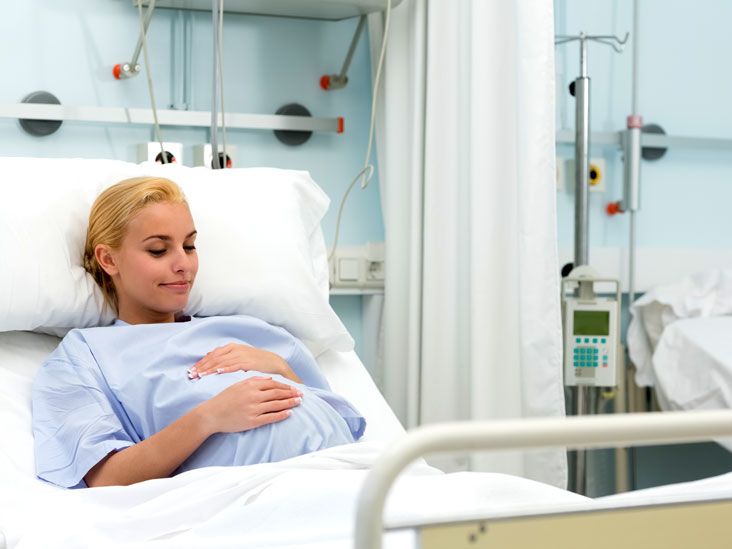
Pregnancy after preeclampsia can feel like returning to a restaurant where you once got food poisoning: you may be excited, but you are also inspecting everything very carefully. Every blood pressure reading, headache, and swollen finger can suddenly seem suspicious.
The reassuring news istory of the condition have a subsequent pregnancy without recurrent preeclampsia. However, their risk is higher than that of someone who has never had it, especially when the first episode was early, severe, or associated with another health condition.
Understanding your individual risk, arrangecond pregnancy, including recurrence rates, prevention strategies, warning signs, and the emotional reality of trying again.
What Is Preeclampsia?
Preeclampsia is a pregnancy-related disorder involving new-onset high blood pressure, usually beginning after 20 weeks of pregnancy. It may also involve protein in the urine or signs that the kidneys, liver, brain, blood, lungs, or placenta are being affected.
A blood pressure reading of 140/90 millimeters of mercury or higher can meet part of the diagnostic criteria when it is confirmed according to a clinician’s protocol. Preeclampsia with severe features may involve blood pressure of 160/110 or higher, low platelet levels, impaired liver or kidney function, fluid in the lungs, persistent neurological symptoms, or other serious findings.
Although people sometimes call the condition “pregnancy hypertension,” it is more than an inconvenient blood pressure spike. Preeclampsia is a multisystem disorder that can interfere with blood flow to the placenta and place both the pregnant patient and baby at risk.
Possible complications for the pregnant patient
Severe or untreated preeclampsia may lead to seizures, known as eclampsia, as well as stroke, placental abruption, kidney or liver injury, pulmonary edema, and HELLP syndrome. HELLP refers to hemolysis, elevated liver enzymes, and low platelet levels.
Possible complications for the baby
When placental function is affected, the baby may not receive enough oxygen and nutrients. This can contribute to fetal growth restriction, low birth weight, reduced amniotic fluid, medically indicated preterm delivery, or, in severe cases, pregnancy loss.
What Is the Risk of Preeclampsia in a Second Pregnancy?
There is no single recurrence percentage that applies to everyone. Across research populations, a frequently cited average is approximately 15% to 20%. In other words, roughly one in five people with a previous preeclampsia diagnosis may experience it again, while most will not.
That average hides enormous variation. Your personal risk may be lower or substantially higher depending on when the condition appeared, how severe it became, why delivery occurred, and what health factors are present before the next pregnancy.
One large study illustrates how timing can influence recurrence. People whose first preeclamptic pregnancy ended at term had a recurrence rate of about 13%. The rate increased to approximately 22% when the first delivery occurred between 33 and 36 weeks, 29% between 29 and 32 weeks, and nearly 39% when delivery occurred at or before 28 weeks.
These figures are useful for understanding patterns, but they are not a personal weather forecast. Your obstetric history, current health, age, medications, laboratory results, and other factors must all be considered together.
Factors That Increase the Chance of Recurrence
Early-onset or severe preeclampsia
Preeclampsia requiring delivery before 34 weeks generally signals a higher recurrence risk than disease that first appears near full term. A history of severe blood pressure elevation, organ dysfunction, fetal growth restriction, HELLP syndrome, or eclampsia also deserves specialized planning.
Chronic high blood pressure
Hypertension that existed before pregnancy, appeared before 20 weeks, or remained after the postpartum period can increase the likelihood of superimposed preeclampsia. Blood pressure should ideally be evaluated before conception, and medications should be reviewed because some commonly used blood pressure drugs are not recommended during pregnancy.
Kidney disease, diabetes, or autoimmune disease
Chronic kidney disease, type 1 or type 2 diabetes, lupus, and antiphospholipid syndrome are recognized high-risk conditions. They may affect blood vessels, inflammation, kidney function, or placental development, all of which can complicate pregnancy.
Twins or higher-order multiples
Carrying twins, triplets, or more increases placental demand and is an established preeclampsia risk factor. The uterus is not exactly running a quiet one-room operation in a multiple pregnancy.
Age, weight, and family history
Pregnancy at age 35 or older, obesity, and a mother or sister with preeclampsia may add to the risk. These are usually considered alongside the previous pregnancy history rather than treated as isolated predictions.
A long interval between pregnancies
A very long gap between pregnancies may be associated with an increased risk in some populations. However, pregnancy spacing decisions involve fertility, age, cesarean recovery, emotional readiness, and many other considerations. There is no perfect calendar date stamped “preeclampsia-proof.”
Planning Before the Second Pregnancy
A preconception consultation is one of the most useful steps for someone who previously had preeclampsia. This visit can take place with an obstetrician, family physician, certified nurse-midwife, or maternal-fetal medicine specialist, depending on the prior disease severity and current health.
Bring records from the first pregnancy
Important details include the week preeclampsia began, highest blood pressure readings, urine and blood test results, medications used, placental findings, baby’s growth, gestational age at delivery, and whether HELLP syndrome or eclampsia occurred. Hospital discharge summaries can be especially helpful.
Check your baseline health
Your clinician may evaluate blood pressure, kidney function, liver enzymes, platelet count, blood sugar, urine protein, weight, and cardiovascular risk factors. Establishing baseline results makes it easier to recognize meaningful changes later.
Review every medication and supplement
Do not stop prescription medication or begin aspirin on your own. Some drugs may need to be changed before conception, while others should continue because poorly controlled hypertension, diabetes, or autoimmune disease can be more dangerous than appropriately selected treatment.
Address modifiable health factors
When practical, work toward stable blood pressure, healthy blood sugar, regular physical activity, restorative sleep, a balanced diet, and smoking cessation. These habits cannot guarantee prevention, and preeclampsia is never proof that someone “failed” at pregnancy. They can, however, improve overall cardiovascular and pregnancy health.
Can Preeclampsia Be Prevented in a Second Pregnancy?
No strategy eliminates the risk completely. Current U.S. recommendations support low-dose aspirin for many pregnant patients at high risk, including those with a history of preeclampsia, particularly when it was associated with an adverse outcome.
Low-dose aspirin
Clinicians commonly prescribe 81 milligrams of aspirin daily beginning between 12 and 28 weeks, preferably before 16 weeks, and continuing until delivery. The exact start date and stopping plan should come from the prenatal care team.
Aspirin is not a do-it-yourself vitamin. A clinician should first consider allergies, bleeding disorders, gastrointestinal problems, other medications, and the details of the previous pregnancy.
Calcium and nutritional supplements
Calcium supplementation may be considered when dietary calcium intake is low, but recommendations depend on nutritional status and medical guidance. No special tea, detox powder, restrictive diet, or viral wellness hack has been shown to reliably prevent preeclampsia.
Managing underlying conditions
Good control of chronic hypertension, diabetes, kidney disease, and autoimmune disorders may reduce avoidable risk. This often requires cooperation between obstetric specialists and primary care, cardiology, nephrology, endocrinology, or rheumatology.
How a Second Pregnancy May Be Monitored
A higher-risk pregnancy often involves more surveillance, but additional appointments do not mean that something has already gone wrong. Think of monitoring as a smoke detector: it is there to identify a problem early, not predict that the kitchen will catch fire.
Early prenatal assessment
The care team may document baseline blood pressure, urine protein, kidney function, liver enzymes, and platelet count early in pregnancy. The due date and number of fetuses will also be confirmed.
Blood pressure checks
Blood pressure will be checked at prenatal appointments, and home monitoring may be recommended. Use a validated upper-arm monitor with the correct cuff size. Sit quietly, support your back and arm, keep your feet on the floor, and follow the reporting thresholds provided by your clinician.
A new reading of 140/90 or higher generally deserves prompt communication with the prenatal care team. A reading of 160/110 or higher is considered severe and requires urgent medical assessment, particularly when it persists or occurs with symptoms.
Ultrasound and fetal surveillance
Additional ultrasounds may be scheduled to monitor fetal growth and amniotic fluid. Depending on the pregnancy, later testing may include nonstress tests, biophysical profiles, or Doppler studies of blood flow.
Laboratory testing
If blood pressure rises or symptoms develop, clinicians may repeat urine and blood tests. Protein in the urine can support the diagnosis, but preeclampsia may be diagnosed without proteinuria when hypertension is accompanied by specific signs of organ dysfunction.
Warning Signs You Should Not Ignore
Preeclampsia may develop without obvious symptoms, which is why routine prenatal care matters. When symptoms do occur, they may initially resemble ordinary pregnancy discomforts. The key is persistence, severity, sudden onset, or a sense that something is genuinely wrong.
- A severe, persistent, or unusual headache
- Blurred vision, flashing lights, spots, or temporary vision loss
- Pain beneath the right ribs or in the upper abdomen
- Sudden swelling of the face or hands
- Rapid unexplained weight gain related to fluid retention
- Shortness of breath, chest tightness, or difficulty breathing
- New nausea or vomiting during the second half of pregnancy
- Confusion, extreme agitation, fainting, or seizure
- A noticeable decrease in fetal movement
Severe blood pressure, breathing difficulty, chest pain, neurological symptoms, seizure, or major vision changes require emergency care. Do not drive yourself during a medical emergency.
What Happens If Preeclampsia Returns?
Management depends on gestational age, blood pressure, laboratory findings, symptoms, fetal condition, and whether severe features are present. Mild disease near term is handled differently from severe disease at 28 weeks.
The care plan may involve hospitalization, blood pressure medication, magnesium sulfate to reduce seizure risk, corticosteroids to support fetal lung development when preterm delivery is expected, frequent blood tests, and continuous or repeated fetal assessment.
Delivery of the placenta is the definitive treatment, but the timing must balance maternal safety with the benefits of additional fetal development. In severe cases, immediate delivery may be necessary regardless of gestational age. Having a cesarean is not automatic; the delivery method depends on the clinical situation and obstetric factors.
Preeclampsia Can Also Occur After Delivery
Giving birth does not switch off the risk instantly. Postpartum preeclampsia most often appears during the first several days after delivery, but it can develop up to six weeks postpartum.
Continue prescribed blood pressure medication, attend follow-up appointments, and seek urgent care for severe headache, vision changes, upper abdominal pain, shortness of breath, chest pain, confusion, seizure, or severely elevated blood pressure. Do not assume that symptoms are merely sleep deprivation because a newborn has declared war on your bedtime.
The Long-Term Health Picture
A history of preeclampsia is associated with an increased lifetime risk of chronic hypertension, heart disease, stroke, and other cardiovascular problems. Recurrent or early-onset preeclampsia may indicate an even greater risk.
This does not mean cardiovascular disease is inevitable. It means the pregnancy history should remain in your permanent medical record and be discussed with future healthcare providers. Regular blood pressure checks, cholesterol and diabetes screening, physical activity, nutritious eating, adequate sleep, and avoiding tobacco become especially valuable.
Pregnancy can function like a cardiovascular stress test. Preeclampsia may reveal a vulnerability years before traditional heart disease symptoms appear, creating an opportunity for earlier prevention rather than a sentence to future illness.
Experiences During a Second Pregnancy After Preeclampsia
The following composite examples reflect patterns commonly described by patients and families. They are not individual medical histories and should not replace personalized care.
The anxiety may begin before the positive test
For many people, the hardest part of a second pregnancy begins during the decision-making stage. They may remember an emergency induction, a premature baby, a frightening hospital transfer, or a postpartum readmission. Friends may celebrate the pregnancy immediately while the parents privately calculate the gestational week when everything went wrong last time.
One common experience is feeling unable to relax even when every appointment is normal. A blood pressure cuff inflating can trigger memories of alarms, magnesium sulfate, or hurried conversations in a hospital room. The patient may smile at the ultrasound and then check the blood pressure number before looking at the baby.
Trauma-informed prenatal care can help. Some patients ask clinicians to explain readings aloud, describe what would trigger additional testing, and avoid vague statements such as “we’ll keep an eye on it.” Specific plans often feel safer than cheerful reassurance alone.
Home monitoring can feel helpful and stressful
A home blood pressure monitor gives some families a sense of control. They record readings at the same time each day, bring the log to appointments, and feel reassured when the numbers remain stable.
For others, the monitor becomes an anxiety machine sitting on the kitchen table. They check repeatedly after a slightly elevated reading, become tense, and watch the number rise further. A useful compromise is to agree on a schedule with the care team: when to measure, when to repeat a reading, which number requires a call, and which symptoms mean going directly to labor and delivery.
The goal is not to earn a perfect score. It is to collect useful information without allowing the cuff to become the household’s least charming roommate.
A second pregnancy may be completely different
Many people who had severe preeclampsia in their first pregnancy later reach full term without recurrence. They may take prescribed aspirin, attend additional appointments, complete growth ultrasounds, and spend months preparing for bad news that never arrives.
Even a medically uncomplicated second pregnancy can remain emotionally complicated. Relief may not come until the baby is born, the postpartum blood pressure remains normal, and several weeks pass without symptoms. Some parents then feel surprised by grief for the first pregnancy experience they did not get to have.
Both emotions can exist at once: gratitude for the healthy outcome and sadness about the earlier trauma.
Recurrence does not always repeat the first story
When preeclampsia returns, earlier surveillance may allow it to be identified sooner. A patient may notice rising home readings, call the office, have laboratory testing, and begin treatment before severe symptoms appear. The condition is still serious, but the experience may feel less chaotic because the family knows the vocabulary, recognizes the warning signs, and has already discussed possible delivery scenarios.
Some people also find it easier to advocate for themselves during the second pregnancy. They may say, “This headache is different,” request that blood pressure be rechecked, or ask how their laboratory results compare with baseline values. That is not being difficult. It is informed participation in care.
Partners and family members have an important role
A support person can attend appointments, learn warning signs, keep medication and blood pressure records, watch for changes after delivery, and speak up when the patient is too unwell to do so.
Support also means avoiding blame. Preeclampsia is not caused by worrying too much, working one stressful afternoon, eating the wrong snack, or failing to remain perfectly serene while growing a human. Practical help with transportation, meals, childcare, and postpartum rest is more useful than unsolicited theories from the internet.
Emotional support is part of medical recovery
Pregnancy after preeclampsia may bring anxiety, intrusive memories, sleep problems, panic, or fear of hospitals. Counseling, pregnancy-after-loss or birth-trauma support groups, and honest conversations with the obstetric team can help.
Seeking mental health support does not mean someone is unprepared for another baby. It means the previous experience mattered, and the brain is tryingsometimes rather enthusiasticallyto prevent it from happening again.
Conclusion
Preeclampsia in a previous pregnancy increases the risk of developing it in a second pregnancy, but recurrence is not inevitable. Many people go on to have healthy, full-term pregnancies. The most useful approach is individualized: review the first pregnancy, optimize existing health conditions, begin prenatal care early, discuss low-dose aspirin with a qualified clinician, monitor blood pressure, and know the warning signs.
A history of preeclampsia deserves attention without surrendering the entire pregnancy to fear. Close monitoring cannot control every outcome, but it can improve preparation, support earlier diagnosis, and give families a clearer plan for both pregnancy and postpartum recovery.