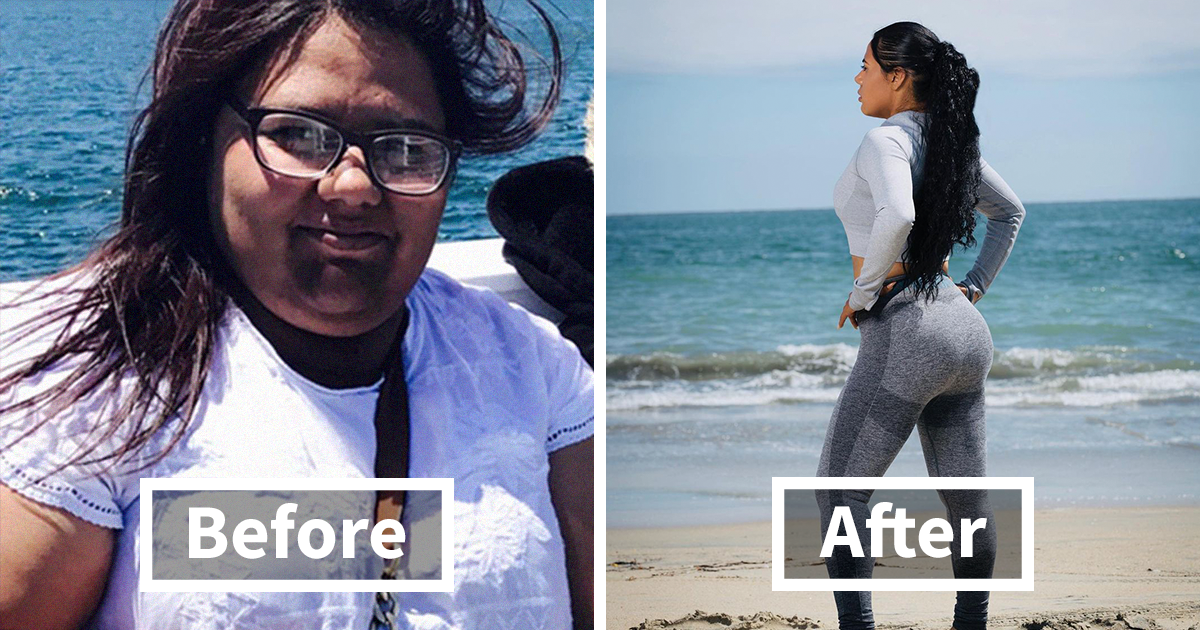
Some transformation stories begin with a shiny new gym membership. Others begin with a doctor’s appointment, a we pants have become a permanent personality trait. Josie’s story began with heartbreak.
After her boyfriend of three years left shortly after New Year’s, she found herself confronting not only the pain of rejection but also years of frustration with her health, habits, and self-image. Public retellings of her story turned the breakup into a dramatic headline: a woman rejected because of her weight loses more than 140 pounds and becomes unrecognizable.
But the more meaningful version is not about making an ex regret anything. It is about a woman deciding that her body, health, and future deserved more care than a cruel relationship had offered. Over roughly two years, Josie lost about 145 pounds naturally, moving from around 300 pounds to approximately 155 pounds. Along the way, she shifted from chasing external approval to building a life that felt stronger, healthier, and more fully hers.
That distinction matters. A scale is a bathroom appliance, not a courtroom. It cannot decide who deserves love, respect, safety, or a decent relationship.
The Story Behind the Viral Weight-Loss Transformation
Josie’s before-and-after photos understandably grabbed attention. The difference was dramatic: more than 140 pounds lost, a visibly stronger physique, and a confidence that seemed to grow louder than any number on the scale.
However, pictures only show the outside of a process that is usually messy, repetitive, emotional, and occasionally fueled by reheated chicken and the stubborn refusal to quit.
A Breakup Became a Turning Point
Josie has shared that she had struggled with her weight for much of her life. She described eating whatever she wanted whenever she wanted and eventually feeling exhausted by the cycle of excuses, discomfort, and dissatisfaction. When her relationship ended, the pain was real, but it also exposed something important: she did not want to keep living in a way that made her feel disconnected from herself.
At first, the motivation may have contained a little revenge. That is human. Most people have had at least one moment of wanting to emerge from a breakup looking so good that their ex suddenly develops Wi-Fi problems from refreshing their social media too often.
Still, Josie’s perspective evolved. She later explained that the journey stopped being about proving something to someone else. It became about feeling comfortable in her own skin, improving her health, and becoming someone she was proud to see in the mirror.
From “Revenge Body” to Self-Respect
The phrase “revenge body” gets plenty of clicks because it turns personal growth into a movie montage. In real life, though, revenge is flimsy fuel. It burns hot, creates a lot of smoke, and eventually leaves you standing in a kitchen at 10 p.m. wondering why you are eating crackers directly from the box.
Long-term weight loss usually requires a sturdier reason. It may be wanting more energy to play with children, reduce pain, sleep better, feel stronger, manage a health condition, prepare for a competition, or simply stop feeling like daily life is happening from the sidelines.
Josie’s lasting message was not “make your ex jealous.” It was “do this for yourself.” That is the part worth remembering.
Why Humiliation Is Never a Health Strategy
Weight-related insults, public criticism, and relationship humiliation are not motivational tools. They are forms of harm. A partner who shames someone’s body may create fear, anxiety, secrecy around food, and a deeper sense of isolation. None of that makes healthy behavior easier.
People often assume harsh comments will create discipline. Usually, they create stress. Stress can affect sleep, appetite, mood, decision-making, and the ability to stick with routines. Shame may make someone hide, skip social events, avoid exercise spaces, or fall into emotional eating patterns.
There is a major difference between supportive concern and cruelty. A loving partner can say, “I want us to feel healthier together,” or “How can I support you?” A harmful partner says things designed to shrink someone emotionally, not help them grow.
Weight Stigma Can Make Change Harder
Weight stigma is the negative judgment or discrimination people experience because of body size. It can come from strangers, family members, medical settings, workplaces, social media, and romantic partners. Unfortunately, people can also internalize those messages and begin speaking to themselves in ways they would never speak to a friend.
That inner critic is often loud, dramatic, and wildly unqualified. It has no medical degree, no nutrition certification, and no business yelling at you because you ate a cookie on a Wednesday.
Healthy change works better when people replace shame with practical self-respect. That means recognizing where they are, identifying what needs support, and building routines that can survive real life.
How Major Weight Loss Happens in Real Life
Losing more than 140 pounds is not a weekend challenge, a detox tea miracle, or a mysterious powder sold by a man holding a blender on social media. It usually involves hundreds of ordinary choices repeated over a long period of time.
Josie said her transformation took about two years. That time frame is important because it shows that meaningful progress does not need to happen at internet speed. Sustainable weight management is usually gradual and personal.
1. Start With an Honest Health Check
Before beginning a major weight-loss plan, it is wise to speak with a qualified health professional. Weight can be influenced by medications, sleep, stress, hormones, mental health, mobility limitations, chronic conditions, and genetics. A doctor, registered dietitian, or other qualified clinician can help create a safe plan based on an individual’s health history.
For some people, lifestyle changes are the primary approach. For others, structured programs, counseling, medication, or bariatric surgery may be medically appropriate. There is no prize for struggling alone.
2. Build a Food Pattern, Not a Food Prison
Many successful weight-loss journeys involve changing eating patterns without turning every meal into a punishment. A sustainable approach often includes more protein-rich foods, fruits, vegetables, fiber, water, and satisfying meals that fit a person’s culture, schedule, and budget.
Instead of declaring every favorite food illegal, people often do better by learning portion awareness, planning meals, reducing mindless snacking, and making high-calorie convenience foods less automatic. The goal is not to eat perfectly. The goal is to eat in a way that supports health most of the time.
Perfect eating is a myth invented by someone who has never walked past a bakery while tired.
3. Make Movement Feel Possible
Exercise does not have to begin with an extreme boot camp or a dramatic tire-flip montage. Walking, swimming, cycling, dancing, chair workouts, resistance bands, beginner strength training, and short home workouts can all help someone become more active.
A practical goal for many adults is to gradually work toward regular aerobic activity and strength training. Strength work is especially valuable during significant weight loss because it helps build or preserve muscle, improve function, and make everyday activities easier.
For someone starting from a low activity level, even ten-minute walks can matter. The first goal is not to become an athlete by Tuesday. The first goal is to become a person who keeps promises to herself.
4. Address Emotional Eating With Curiosity
Food can be comfort, celebration, connection, routine, distraction, and, occasionally, the only thing in the house that does not ask annoying questions. Emotional eating is common, but it can become a problem when food becomes the main way someone manages stress, loneliness, grief, anger, or shame.
Instead of responding with more guilt, it helps to ask better questions: What was I feeling before I ate? Was I hungry, tired, overwhelmed, bored, or lonely? What else could help in that moment?
Therapy, support groups, journaling, regular meals, stress-management tools, and a more stable daily routine can be useful. If someone experiences binge eating, purging, intense food anxiety, or obsessive restriction, professional support is especially important.
The Non-Scale Victories That Matter Most
Weight loss may change clothing sizes, mobility, lab results, or physical comfort. But the moments people remember are often much smaller.
- Walking upstairs without stopping halfway.
- Trying a fitness class without fearing judgment.
- Sleeping better and waking up with more energy.
- Buying clothes because they are fun, not because they are the only ones that fit.
- Taking photos without immediately volunteering to hold the camera.
- Feeling strong enough to say no to people who treat them poorly.
Josie’s story also included a bigger fitness goal: she began training with hopes of competing in a wellness physique competition. That is a striking shift from simply wanting to lose weight. It shows how health goals can evolve from survival mode into ambition, strength, and self-expression.
What Major Weight Loss Does Not Automatically Fix
A dramatic physical transformation can be empowering, but it does not automatically erase old insecurities, grief, trauma, loneliness, or relationship patterns. Some people expect a lower number on the scale to unlock permanent happiness, confidence, and a perfect wardrobe with unlimited pockets. Reality is more complicated.
After major weight loss, people may still struggle with body image. Loose skin, changing social dynamics, fear of regain, complicated feelings around food, and discomfort with attention can all become part of the experience.
That is why emotional healing matters alongside physical change. A person deserves support not only while losing weight but also while adjusting to life afterward.
Josie has spoken positively about normalizing loose skin and remembering that bodies do not need to look airbrushed to be worthy. That is a useful reminder in a world where many transformation photos are filtered, posed, edited, or captured under lighting so dramatic it deserves its own acting credit.
Related Experiences: The Parts People Rarely Put in Before-and-After Photos
Stories like Josie’s resonate because many people understand the feeling of being underestimated, criticized, or made to believe they have to earn basic respect. The experience may not always involve a breakup, but the emotional pattern can feel familiar: someone says something cruel, and suddenly a person sees how much of their life has been shaped by trying to avoid judgment.
One common experience is the “I do not recognize myself anymore” moment. This is not always about appearance. Sometimes it is about energy. A person may realize they are skipping outings because walking feels difficult, avoiding photos because they feel exposed, or saying no to opportunities because confidence has quietly disappeared. The turning point is often less glamorous than social media suggests. It might happen while tying shoes, climbing stairs, sitting in a car, or looking at a restaurant receipt after another stressful week.
Another common experience is discovering that the first few weeks are emotionally harder than physically hard. A new food routine can feel simple on paper. A walk around the neighborhood can sound manageable. But changing habits may bring up grief, boredom, frustration, and loneliness. When food has been a reliable comfort, replacing that comfort takes time. People often need new ways to decompress: music, walking, calling a friend, therapy, hobbies, stretching, a shower, or even a slightly dramatic bedroom dance break.
Many people also discover that support changes everything. A supportive friend may join a walk. A sibling may stop making jokes about food. A trainer may explain exercises without acting like a drill sergeant in a camouflage tank top. A doctor may listen without judgment. These moments help people feel that health is not a punishment but a form of care.
There is also the uncomfortable experience of receiving more attention after weight loss. Some people find that strangers are suddenly kinder, flirtier, or more eager to include them. That can feel validating, but it can also feel painful because it exposes how differently people treat bodies. It is reasonable to have mixed feelings about that change. Better treatment from others should never be mistaken for proof that someone was less deserving before.
Another overlooked part of major weight loss is the fear of going backward. People may worry about regaining weight after a vacation, holiday season, stressful job change, pregnancy, illness, injury, or family crisis. The healthiest response is usually not panic. It is returning to basics: regular meals, movement that feels manageable, sleep, hydration, support, and honest reflection. One difficult week does not erase years of progress. A detour is not a permanent address.
Finally, many people learn that confidence is not something a smaller body hands them like a prize at the finish line. Confidence grows when they keep showing up, set boundaries, learn new skills, and prove to themselves that they can handle discomfort without abandoning themselves. That is why the deepest transformation is rarely the visible one. It is the moment someone realizes, “I do not have to hate myself into becoming healthier.”
Conclusion: Her Biggest Loss Was Never the Weight
Josie lost more than 140 pounds, but the most powerful part of her story is not the number. It is the shift from seeking approval to choosing self-respect.
Her ex may have been the spark that made her stop and look at her life, but he was not the engine behind two years of effort. The real work belonged to Josie: the workouts, the food choices, the setbacks, the discipline, the difficult days, and the decision to keep going.
Anyone inspired by her transformation should remember the message beneath the photos. Health goals are most sustainable when they come from care, not humiliation. You do not need to become someone else to deserve love. You deserve respect now, and any change you make should be because your future self deserves your effort.