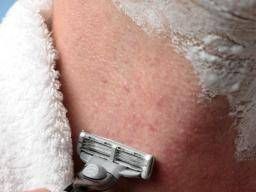
Razor burn is one of those tiny problems that can feel wildly dramatic. You start winutes later, your neck, legs, underarms, or bikini line feels like it has entered a heated argument with a cheese grater.
The good news: razor burn is usually manageable. The better news: you do not need a laboratory, a cabinet full of mysterious potions, or the shaving skills of a Victorian barber to prevent it. A few smart adjustments can reduce redness, itching, stinging, and those annoying little bumps that make freshly shaved skin feel less “silky smooth” and more “angry strawberry.”
This guide explains how to calm razor burn, avoid repeat irritation, and recognize when your skin may be dealing with something more than a simple bad shave.
Razor Burn vs. Razor Bumps: Know What You Are Looking At
People often use razor burn and razor bumps as if they are identical twins. They are related, but they are not the same skin villain wearing a different hat.
Razor burn is irritation caused by friction, pressure, dry shaving, dull blades, harsh products, or too many passes with a razor. It often shows up soon after shaving as redness, stinging, itching, tenderness, or a blotchy rash.
Razor bumps, also called ingrown hairs or pseudofolliculitis, usually happen when freshly cut hairs curl back into the skin. They can look like red, skin-colored, or darker bumps and may be more common in people with coarse, curly, or tightly curled hair.
Either way, the first rule is simple: do not keep shaving over irritated skin just because you are committed to finishing the job. Your skin is not impressed by your dedication.
1. Pause Shaving Until Your Skin Settles Down
The fastest way to make razor burn worse is to shave the irritated area again before it has recovered. A razor passing over inflamed skin creates more friction, more micro-injuries, and more opportunities for bumps to become irritated.
Give the area a break. For facial hair, consider trimming with clean electric clippers instead of shaving close to the skin. For legs, underarms, or the pubic area, wait until the burning, redness, and sensitivity have eased before using another blade.
This does not mean you must grow a wizard beard or wear pants until retirement. It simply means your skin gets a short vacation from the blade. Letting hair grow a little longer can also reduce the risk of hairs curling back into the skin.
2. Cool the Area Gently, Not Aggressively
When razor burn feels hot, prickly, or itchy, a cool compress can be wonderfully soothing. Wet a clean washcloth with cool water, wring it out, and hold it against the irritated skin for several minutes.
Do not press ice directly against razor-burned skin. Ice may seem like the dramatic hero in a frozen cape, but direct contact can irritate already stressed skin. Cool water is plenty.
After shaving, you can also rinse with cool or lukewarm water and gently pat the area dry. Avoid vigorous towel rubbing. Your skin has already been through enough; it does not need a post-shave wrestling match with a bath towel.
3. Use a Fragrance-Free Moisturizer to Support Your Skin Barrier
Razor burn is partly a skin-barrier problem. Shaving removes hair, but it can also remove some of the protective oils and surface cells that help keep moisture in and irritants out. That is why skin can feel dry, tight, itchy, or unusually sensitive after shaving.
Apply a simple, fragrance-free moisturizer after shaving. Look for a product made for sensitive skin and avoid heavily perfumed lotions, strong aftershaves, or products loaded with alcohol. A dramatic splash of aftershave may look impressive in an old movie, but your irritated skin may react as though you just challenged it to a duel.
Ingredients such as ceramides, glycerin, hyaluronic acid, petrolatum, or gentle emollients can help reduce dryness and friction. Use a light layer rather than applying half the bottle like frosting.
4. Try Soothing Ingredients Such as Aloe Vera or Colloidal Oatmeal
If your skin feels irritated after shaving, soothing products may help make the area more comfortable. Aloe vera gel can provide a cooling sensation, while colloidal oatmeal products are often used to calm itchy, dry, or irritated skin.
Choose products that are fragrance-free and designed for sensitive skin. Some aloe gels contain alcohol, dyes, fragrance, or enough glittery nonsense to qualify as a party favor. Read the label before applying anything to freshly shaved skin.
Apply a thin layer and pay attention to how your skin reacts. If a product stings, burns, or makes the rash worse, wash it off with cool water and stop using it. “Natural” does not automatically mean “your skin will send it a thank-you card.”
5. Use Over-the-Counter Anti-Itch Products Carefully
For mild itching or inflammation, some people use a short course of over-the-counter hydrocortisone cream. This can reduce redness and discomfort, but it should be used carefully and according to the package directions.
Do not treat hydrocortisone like a daily face cream or a permanent shaving sidekick. Frequent or prolonged use can cause skin problems, especially on delicate areas. Ask a pharmacist or clinician before using it on the face, genitals, or large areas of skin, and avoid applying it to broken skin or a possible infection unless a medical professional advises you to do so.
Skip harsh “tingly” toners, strong acids, rough scrubs, and alcohol-heavy aftershaves while your skin is burning. The goal is to calm inflammation, not audition for a skincare obstacle course.
6. Replace Dull Razors and Keep Your Tools Clean
A dull blade does not glide well. It drags, catches, and requires extra pressure, which is practically an invitation for razor burn. If your razor starts tugging at hair, feels rough, leaves uneven patches, or needs repeated passes over the same spot, it is time for a new blade.
Rinse the razor during shaving to remove hair, skin cells, and shaving product buildup. Afterward, rinse it thoroughly and let it dry in a clean, low-humidity place. Leaving it in a puddle on the shower shelf creates a tiny damp apartment for residue and microbes. Your razor deserves better housing.
Do not share razors, even with someone whose bathroom habits you trust more than your own. Shared blades can spread infections and increase the chance of skin irritation.
7. Prepare Hair and Skin Before Shaving
Dry shaving is one of the quickest routes to razor burn. Before shaving, soften the hair and hydrate the skin with warm water. Shaving after a shower often works well because the skin is clean and the hair is less stiff.
Apply a generous layer of shaving cream, gel, foam, or another lubricant made for shaving. The product creates a buffer between your skin and the razor, helping the blade move more smoothly.
People with sensitive skin may do better with fragrance-free shaving cream or gel. Let the product sit briefly before shaving, especially on thick facial hair or coarse body hair. A little patience here can save you from spending the next day rubbing your neck like you lost a fight with a cactus.
8. Shave With the Grain and Use Light, Short Strokes
Shaving against the direction of hair growth can give a closer shave, but it also increases the chance of irritation and ingrown hairs. For many people, especially those prone to razor bumps, shaving in the direction the hair grows is the safer choice.
Use short, gentle strokes. Let the razor glide rather than pressing it into the skin. Avoid pulling or stretching the skin to force an ultra-close shave. Stretching can make hair retract below the surface after it is cut, which may encourage ingrown hairs later.
Rinse the blade after each pass. Try not to go over the same spot repeatedly. A close shave is nice; a close shave achieved through seven angry passes is usually where the trouble begins.
Map the Direction of Your Hair Growth
Hair does not always grow in one neat direction. The neck, jawline, bikini line, underarms, and knees often have hair growing in multiple patterns. Run your hand over the area before shaving. The direction that feels smoother is generally the direction of growth.
Once you know the pattern, shave with it rather than fighting it. Your hair may have a chaotic little personality, but learning its direction can make a huge difference.
9. Change Your Hair-Removal Strategy When Razor Burn Keeps Returning
If razor burn becomes a regular part of your grooming routine, your skin may be telling you that the current method is not a good match. Consider switching from a multi-blade razor to a single-blade razor, guarded blade, electric shaver, or trimmer that does not cut hair as close to the skin.
Electric clippers can be especially useful for people with curly or coarse hair who frequently develop ingrown hairs. Leaving a tiny amount of hair above the skin may not deliver glass-smooth results, but it can reduce irritation considerably.
Other options include professionally performed laser hair reduction or carefully chosen depilatory products. Depilatory creams can irritate sensitive skin, so patch-test them first and never use them on already inflamed, broken, or freshly shaved skin. For recurring severe razor bumps, a dermatologist can recommend treatment options tailored to your skin type, hair texture, and the affected area.
A Simple Razor Burn Prevention Routine
For most people, a practical routine looks like this:
- Shave after warm water has softened the skin and hair.
- Use clean, sharp shaving equipment.
- Apply fragrance-free shaving cream or gel.
- Shave with the direction of hair growth.
- Use light pressure and short strokes.
- Rinse the razor often.
- Rinse skin with cool or lukewarm water afterward.
- Pat dry instead of rubbing.
- Apply a fragrance-free moisturizer or soothing product.
It is not glamorous, but neither is explaining why you are walking around with a bright red neck after shaving in a hurry. A boring routine is often the best routine.
When Razor Burn May Need Medical Attention
Most mild razor burn improves with gentle care and a break from shaving. However, see a healthcare professional or dermatologist if you notice spreading redness, warmth, pus, increasing pain, fever, deep painful lumps, scarring, repeated dark marks, or bumps that do not improve after changing your shaving habits.
It is also worth getting checked if the rash appears unrelated to shaving, keeps returning in the groin or underarms, or looks like blisters, sores, or a painful skin infection. Razor burn is common, but not every bump after hair removal is just razor burn.
Note: This article is for general educational purposes and is not a substitute for individualized medical advice. Seek professional care for persistent, severe, or possibly infected skin symptoms.
Real-World Razor Burn Experiences: Lessons Learned the Hard Way
The following composite experiences reflect common shaving mistakes and practical lessons. They are not individual medical case histories.
The Five-Minute Morning Shave
One of the most common razor burn stories begins with a rushed morning. Someone wakes up late, splashes water on their face, grabs a razor that has been sitting in the shower since approximately the Jurassic period, and attacks a dry beard with the confidence of a person who has not yet had coffee. The result is usually immediate: red patches, burning, tiny cuts, and a neck that feels personally betrayed.
The lesson is simple. A shave does not need to take forever, but it needs enough time for warm water and shaving cream to soften the hair. Even two extra minutes for preparation can make the razor glide more easily and reduce the urge to press harder.
The “Closer Is Always Better” Experiment
Many people discover razor burn after chasing the closest possible shave. They shave against the grain, stretch the skin, use several blades, then repeat the same pass until every hair has vanished like it entered witness protection. The skin may look smooth for a few hours, but the following day brings redness, irritation, and ingrown hairs.
The better approach is to think of shaving as a comfort contest, not a closeness contest. A slightly less dramatic shave that leaves skin calm can look better than an ultra-close shave followed by bumps, discoloration, and the need to wear a turtleneck in July.
The Multi-Blade Razor Mystery
Some people assume more blades automatically mean a better shave. Sometimes that is true, especially for people whose skin tolerates multi-blade cartridges well. For others, more blades mean more friction and more chances for hair to be cut too close to the skin.
People who deal with frequent razor bumps often notice improvement after switching to a single-blade razor, safety razor, guarded razor, or electric trimmer. The takeaway is not that one razor style wins for everyone. It is that your skin gets the final vote, and it may not agree with the marketing department.
The Sensitive Bikini Line Reality Check
The pubic area is especially prone to shaving irritation because the skin is delicate, the hair can be coarse, and tight clothing creates friction afterward. A common mistake is shaving too closely, immediately putting on snug underwear or workout clothes, then wondering why the area feels itchy and angry later.
A gentler strategy includes trimming first if hair is long, using plenty of fragrance-free shaving lubricant, shaving slowly in the direction of growth, and wearing breathable, looser clothing afterward when possible. Products that work beautifully on legs may be far too harsh for more sensitive areas.
The “I Thought It Was Razor Burn” Moment
Sometimes what looks like razor burn is actually folliculitis, an infected hair follicle, an allergic reaction, eczema, acne, or another skin condition. People often realize this when the bumps become painful, fill with pus, spread, keep coming back, or do not improve after taking a break from shaving.
The important experience-based lesson is not to keep experimenting with harsher scrubs, alcohol-heavy aftershaves, or random internet remedies when the skin is getting worse. Persistent or severe symptoms deserve a clinician’s opinion. A dermatologist can help identify whether the issue is simple irritation, recurrent ingrown hairs, infection, or something else that needs targeted treatment.
Conclusion: Smooth Skin Does Not Require a Skin Battle
Razor burn is frustrating, but it is not inevitable. The most effective strategy is usually less about buying a miracle product and more about reducing friction: soften the hair, use lubrication, shave gently with the grain, keep blades clean and sharp, moisturize afterward, and give irritated skin time to recover.
When razor burn or razor bumps keep returning, do not assume you must simply tolerate them. Switching tools, changing your shave technique, trimming instead of shaving close, or speaking with a dermatologist can make grooming much more comfortable. Your skin should leave the bathroom feeling calm, not like it is drafting a strongly worded complaint.