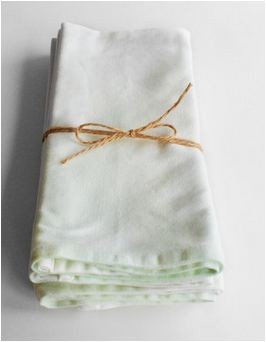
A napkin rarely gets top billing at dinner. It waits beside the fork, ready for butter, tomato sauce, and the occasional enthusiastic hand gesture. The Cotton Dip Dyed Napkin in Pale Sea changes that supporting role. With chambray cotton, a hand-dyed ombré finish, and a calm blue-green palette, it works as both a practical table linen and a small piece of textile art.
Archived descriptions identify the original design as a set of four 20-by-20-inch napkins made from 100% chambray cotton. Because each piece was hand-dyed, the color transition varied slightly. Pale Sea was designed to look relaxed, tactile, and individual rather than factory-perfect.
What Makes the Pale Sea Napkin Distinctive?
One portion of the cloth remains lighter while the dipped area deepens into a watery shade reminiscent of sea glass. The effect is decorative without becoming busy, so it can sit beside patterned plates, flowers, or a dramatic centerpiece without starting a design argument.
Dip dyeing creates a gradient through controlled exposure to a dye bath: longer immersion produces deeper color, while quicker movement leaves paler areas. Wet fabric also appears darker than it does after rinsing and drying. The resulting feathered boundaries and slight differences are not flaws; they are personality wearing an apron.
Archived Product Snapshot
- Material: 100% chambray cotton
- Size: Approximately 20 by 20 inches
- Finish: Hand-dyed ombré treatment
- Original format: Set of four
- Care: Described as machine washable, with the original care instructions taking priority
- Color character: A pale, coastal blue-green with natural tonal variation
Why Chambray Cotton Works Well for Dinner Napkins
Chambray is often associated with casual shirts, but its lightweight weave also works well on the table. It has enough structure to fold neatly while feeling less formal than crisp damaskpolished enough for guests, relaxed enough for Tuesday-night pasta.
Cotton is washable, absorbent, and comfortable against the skin. The generous 20-inch square offers useful lap coverage and enough fabric for rectangles, loose knots, or a soft drape across a plate. A lightly textured surface also handles crumbs and small spills better than a slick decorative cloth. With repeated laundering, it tends to become softer and more familiar.
How to Style a Cotton Dip Dyed Napkin in Pale Sea
Pale Sea behaves almost like a neutral: colorful enough to create atmosphere, muted enough to support many decorating styles.
1. Coastal Without the Costume
Pair the napkins with white stoneware, clear glasses, light wood, and one or two natural elements such as shells, weathered branches, or pale flowers. Stop before the table starts auditioning for a seafood restaurant. The sea-inspired color already communicates the theme; it does not need miniature anchors, rope around every object, and a lighthouse supervising the salad.
2. Modern Minimalist
Use matte white plates, slim flatware, and a bare wood or solid neutral table. Fold each napkin into a loose rectangle and place it to the left of the plate. The ombré edge becomes the decorative detail. A few low candles or a single ceramic vase will add warmth without interrupting the clean lines.
3. Garden Brunch
Pair Pale Sea with blush, butter yellow, lavender, and leafy green. Let the dyed edge show beneath a white plate and use low bud vases so guests can still see one another.
4. Vintage China, Fresh Mood
With patterned china, echo one cool plate color through the napkin. Its soft gradient can calm ornate florals or blue transferware, making inherited dishes feel fresher. Keep the remaining accessories restrained.
5. Casual Outdoor Dinner
For a patio meal, combine them with woven placemats, sturdy tumblers, and enamel or ceramic dinnerware. A loose knot survives a breeze better than a highly engineered fold. Cloth still adds occasion, even when the menu is burgers and something called salad because it contains one cucumber.
Best Color Pairings for Pale Sea
The shade’s cool undertone makes it easy to create several distinct palettes:
- White and natural wood: Clean, airy, and quietly coastal.
- Navy and brass: More formal, with deeper contrast for evening dinners.
- Terracotta and cream: A warm-cool balance that feels earthy and modern.
- Blush and soft green: Ideal for showers, brunches, and spring gatherings.
- Charcoal and black: A contemporary scheme that keeps the pastel from feeling overly sweet.
- Mixed blues: Layer pale aqua, denim, cobalt, and clear glass for depth.
Echo the color once or twicein a glass, candle, flower, or plate detailthen stop. Coordination should look intentional, not as though Pale Sea has seized control of the household.
Napkin Placement and Folding Ideas
Traditional guidance places the napkin to the left of the plate, though casual settings allow it on the plate, beneath the fork, or beside the setting. Whichever position you choose, reveal the gradient. Hiding the dyed edge under three forks is the textile equivalent of hanging art behind the refrigerator.
Simple Folds That Show the Ombré Effect
- Loose rectangle: Fold the napkin into thirds and position the deeper color toward the outside edge.
- Soft knot: Tie one relaxed knot in the center and place the napkin across the plate.
- Flat roll: Roll from the pale end toward the dyed end, then secure it with a simple ring or twine.
- Diagonal drape: Fold once into a triangle and let the gradient move across the place setting.
- Cutlery pocket: Use a basic pocket fold and orient the most colorful section at the front.
Pale Sea looks strongest in relaxed folds. The hand-dyed finish already supplies movement, so no origami swan with performance anxiety is required.
Care Tips for Hand-Dyed Cotton Napkins
Follow the original care label whenever available. “Machine washable” does not mean “invincible,” especially with hand-dyed textiles.
Wash Gently
Wash used napkins promptly. Cool water and gentle detergent are sensible starting points for colored cotton unless the label says otherwise. Wash with similar colors, especially at first, and avoid overloading the machine.
Treat Stains Before Drying
Blot spills instead of grinding them into the weave. Pretreat oily marks with a little liquid laundry detergent, test unfamiliar products on a hidden corner, and inspect the cloth before drying because heat can set stains.
Protect the Color
Avoid chlorine bleach unless the care instructions permit it; bleach and strong spot treatments can alter the ombré transition. Start mild rather than launching a chemical counterattack on a spot the size of a pea.
Dry and Store Thoughtfully
Use low heat or air-dry. Remove napkins slightly damp for easier ironing, or smooth them by hand for a casual finish. Store them clean, dry, and loosely folded or rolled.
Who Will Appreciate the Pale Sea Design?
This style suits people who like handcrafted details, subtle color, and useful objects with character. It fits coastal, Scandinavian, cottage, modern farmhouse, and relaxed contemporary interiors, and it makes a practical host or housewarming gift.
The specific Mr. & Mrs. P product appears in archived listings, so current availability should not be assumed. When shopping secondhand, confirm quantity, dimensions, fiber content, fading, stains, and care instructions. Hand-dyed variation is desirable; mystery red-wine discoloration is less charming.
The Pale Sea Experience: What Using These Napkins Feels Like
The following composite hosting scenario illustrates the experience this type of napkin can create. Imagine a small dinner for four on a warm evening. The table is uncomplicated: white plates, everyday flatware, short drinking glasses, and a shallow bowl of lemons in the center. Before the napkins arrive, everything looks pleasant but unfinished, like a room waiting for someone to turn on a lamp.
Each Pale Sea napkin is folded loosely beside a plate. The color does not match perfectly from one setting to the next. One has a broader band of blue-green; another fades earlier into the natural chambray. Instead of looking inconsistent, the group feels collected and human. Guests notice the variation, touch the fabric, and ask whether the napkins were dyed by hand. That brief interaction gives the table a story before the food appears.
During the meal, the 20-inch square proves practical. It covers a lap comfortably and has enough surface area to manage condensation from a cold glass, a smear of sauce, and the crumbs produced by bread that was allegedly “not that crusty.” The cotton feels softer than a stiff banquet napkin but more substantial than a thin decorative cloth. It folds back easily when a guest leaves the table and does not slide away at the slightest movement.
The ombré design also handles the visual realities of dinner well. A perfectly white napkin can make every tiny mark look like breaking news. Pale Sea is light enough to feel fresh, yet the tonal area adds visual forgiveness. The gradient remains visible when the napkin is casually refolded, so it continues to contribute color even after the original place setting has dissolved into the pleasant disorder of plates, serving spoons, and half-finished conversations.
After dinner, the experience becomes less glamorous but more revealing. The napkins need attention, especially if oil, tomato, coffee, or wine has landed on them. Stains are blotted, treated gently, and checked before drying. The hand-dyed finish encourages restraint: no indiscriminate bleach, no scorching dryer, and no heroic scrubbing worthy of an action movie. Care becomes part of ownership, but it is not fussy when handled promptly.
Once clean, the napkins may emerge slightly softer and a little less pressed than they looked at the start. That relaxed finish suits the design. They can be ironed for a formal dinner, but they are equally appealing smoothed by hand and stacked in a drawer. Over time, small differences between the pieces become familiar. One becomes the favorite because its dyed edge is especially deep; another is always chosen for brunch because its fade looks like early morning water.
The most satisfying part of the experience is how easily the napkins move between occasions. They can support a birthday dinner with candles and flowers, then appear two days later beside takeout noodles. They do not demand matching china or a formal centerpiece. Their job is simply to make the table feel intentional while remaining useful. That combinationartful but not preciousis why a cotton dip dyed napkin can earn a permanent place in the linen drawer rather than becoming a “special occasion” object that never receives an invitation.
Conclusion
The Cotton Dip Dyed Napkin in Pale Sea succeeds because it balances beauty with everyday function. Its chambray cotton construction, generous dinner size, and hand-dyed ombré finish create a table linen that feels calm, distinctive, and easy to style. The pale blue-green tone works with everything from white stoneware and vintage china to outdoor enamelware, while natural dye variation keeps the set from feeling overly manufactured.
Handled with sensible washing, prompt stain care, and moderate heat, a similar set can serve casual meals and celebrations for years. It will not rescue a fallen soufflé or convince children that broccoli is thrilling, but it can make the table look composed while everyone deals with the situation.