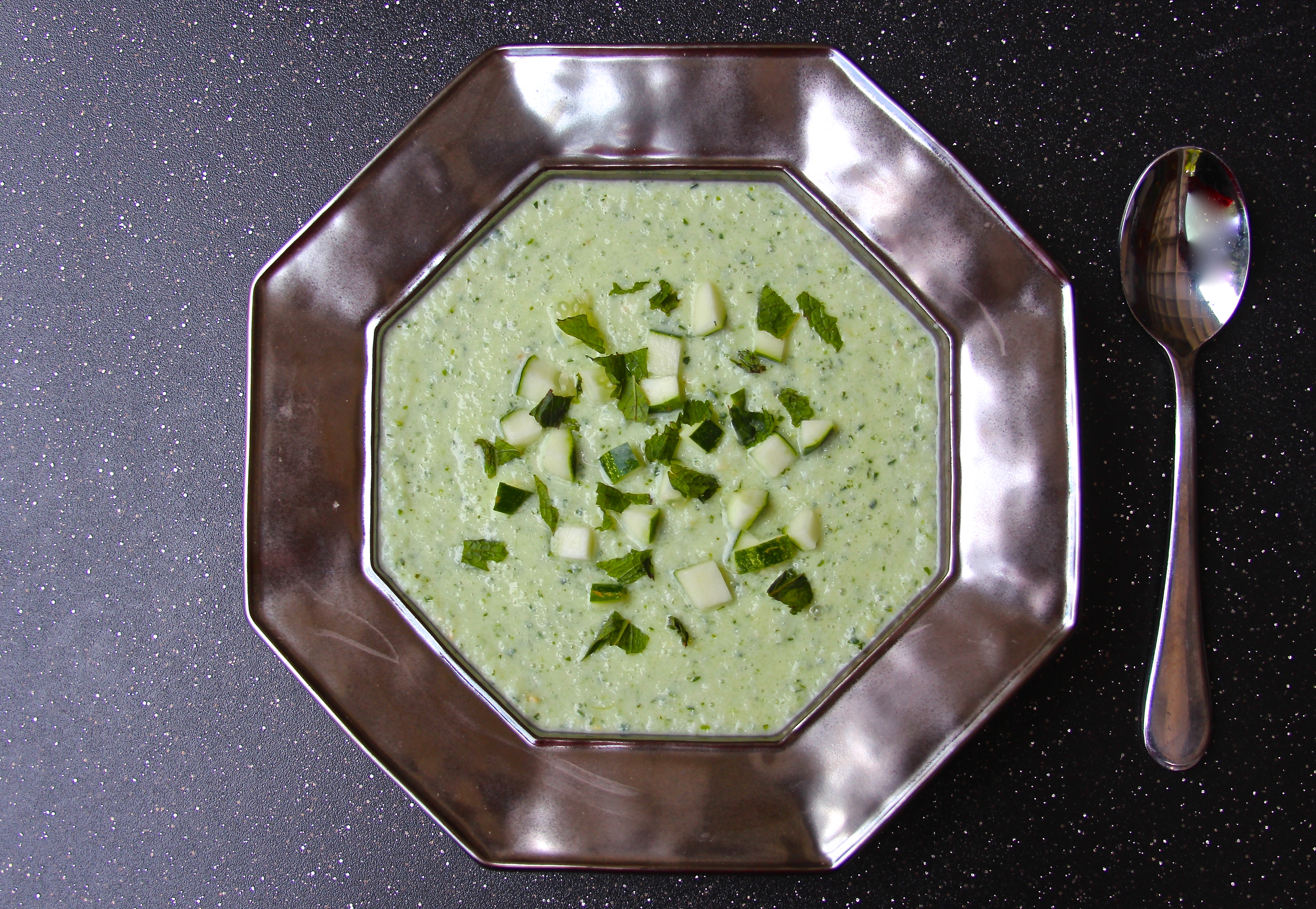
Cucumber mint soup is what happens when a salad decides it deserves better lighting, a nicer bowl, and a starring role at dinner. Cool, creamy, herbaceous, and pleasantly tangy, this no-cook soup is designed for days when turning on the oven feels like an act of unnecessary aggression.
The basic formula is beautifully simple: fresh cucumbers provide a clean, juicy base; yogurt adds body and gentle acidity; mint supplies its unmistakable cooling aroma; and lemon juice wakes everything up. A little olive oil rounds out the texture, while garlic and salt keep the soup from tasting like a blended spa treatment.
This cucumber mint soup recipe works as a light lunch, an elegant appetizer, a refreshing side dish, or a make-ahead starter for a summer gathering. It is also flexible enough to become dairy-free, vegan, spicy, extra-creamy, or surprisingly substantial with only a few thoughtful adjustments.
Why Cucumber Mint Soup Works So Well
Cold soup can sound unusual until you remember that gazpacho, yogurt soups, fruit soups, and cucumber-based broths have been keeping people cool for generations. Unlike a smoothie, a well-balanced chilled soup is savory, properly seasoned, and structured around acidity, richness, aroma, and texture.
Cucumbers contain a great deal of water, which gives the soup its light consistency and refreshing character. Yogurt contributes creaminess without requiring heavy cream, while mint brings an herbal freshness that complements cucumber particularly well. Lemon juice or vinegar provides contrast, preventing the finished dish from tasting flat.
The soup also benefits from resting in the refrigerator. Chilling allows the garlic, herbs, citrus, and cucumber to settle into a more unified flavor. Just remember that cold temperatures can soften the perception of salt and acidity, so the final adjustment should happen immediately before serving.
Source synthesis:
Easy Cucumber Mint Soup Recipe
Prep time: 15 minutes
Chilling time: 1 hour
Total time: 1 hour 15 minutes
Yield: 4 appetizer servings or 2 light lunch servings
Ingredients
- 2 large English cucumbers, about 1 1/2 pounds total
- 1 1/2 cups plain Greek yogurt
- 1/2 cup cold water or buttermilk, plus more as needed
- 1/4 cup loosely packed fresh mint leaves
- 2 tablespoons fresh lemon juice
- 1 tablespoon extra-virgin olive oil
- 1 small garlic clove, roughly chopped
- 1/2 teaspoon kosher salt, plus more to taste
- 1/8 teaspoon freshly ground black or white pepper
- 1 small scallion, white and light-green parts sliced
- 1 teaspoon finely grated lemon zest, optional
Optional Garnishes
- Finely diced cucumber
- Small mint leaves
- Thinly sliced scallions
- Crumbled feta cheese
- Toasted pistachios or almonds
- Extra-virgin olive oil
- Freshly ground pepper
- A pinch of red pepper flakes
Instructions
- Prepare the cucumbers. Wash and dry the cucumbers. Trim the ends, then cut the cucumbers into chunks. English cucumbers usually have thin skins and small seeds, so peeling and seeding are optional. If the skins are thick, waxed, or bitter, peel them first.
- Reserve a garnish. Set aside about 1/2 cup of finely diced cucumber. This gives the finished soup a little crunch and reminds everyone that dinner did not come entirely from a blender.
- Blend the base. Place the remaining cucumber chunks, yogurt, cold water or buttermilk, lemon juice, olive oil, garlic, salt, pepper, and scallion in a blender. Blend until smooth.
- Add the mint. Add the mint leaves and optional lemon zest. Pulse several times, just until the mint is finely incorporated. Avoid blending the herbs endlessly, which can dull their color and produce a slightly grassy flavor.
- Adjust the consistency. Add more cold water, one tablespoon at a time, until the soup reaches your preferred texture. It should be pourable but still creamy enough to coat a spoon.
- Chill. Transfer the soup to a covered container and refrigerate for at least one hour. Two to four hours will produce an even colder, more integrated flavor.
- Taste again. Stir thoroughly, then check the salt, pepper, and lemon juice. Add another pinch of salt or a small squeeze of lemon if the flavors seem muted.
- Serve. Divide the soup among chilled bowls or small glasses. Top with the reserved cucumber, mint, scallions, and a light drizzle of olive oil.
Choosing the Best Cucumbers
English cucumbers are an excellent choice because their skins are thin, their seeds are relatively small, and their flavor is usually mild. Persian cucumbers are equally useful and often taste especially crisp. Depending on their size, four to six Persian cucumbers can replace two large English cucumbers.
Traditional garden or slicing cucumbers also work, but they may need more preparation. Peel any tough or waxed skin and scoop out large seeds with a spoon. Removing mature seeds can improve the soup’s texture and reduce excess wateriness.
Choose cucumbers that feel firm from end to end. Avoid specimens with soft spots, shriveled tips, yellowing skin, or deep wrinkles. A slightly curved cucumber is perfectly acceptable; vegetables are allowed to have personalities.
Taste a small piece before blending. Most modern cucumbers are mild, but an unusually bitter cucumber can affect an entire batch. If it tastes aggressively bitter, use another one rather than attempting to negotiate with it using additional yogurt.
Source synthesis:
How to Create a Smooth, Creamy Texture
Greek yogurt produces a thicker soup with a pleasantly rich mouthfeel. Regular plain yogurt creates a lighter result and may require less added water. Full-fat yogurt offers the smoothest texture, but reduced-fat yogurt can be used successfully.
If your blender has difficulty circulating the ingredients, add the liquid and yogurt first. Place the cucumber chunks on top, begin at low speed, and gradually increase the power. This creates a small vortex that pulls the solids toward the blades instead of leaving them stranded above the action.
For an exceptionally refined appetizer, pass the blended soup through a fine-mesh strainer. Straining removes small pieces of cucumber skin, seeds, herbs, and garlic. It is not necessary for an everyday lunch, but it can turn a rustic soup into something that looks at home at a dinner party.
If the soup is too thin, blend in more Greek yogurt, half an avocado, or a spoonful of sour cream. If it is too thick, add cold water, buttermilk, or unsalted vegetable broth in small increments.
Balancing Mint, Garlic, Salt, and Acid
Use Mint With Restraint
Fresh mint should brighten the soup rather than make it taste like toothpaste in a salad bowl. Start with about 1/4 cup of loosely packed leaves. Spearmint is generally softer and sweeter than peppermint, making it a dependable choice for savory cooking.
Keep the Garlic in the Background
Raw garlic becomes stronger as it rests, so one small clove is usually enough. For a gentler flavor, use half a clove or soak the chopped garlic in lemon juice for several minutes before blending. Roasted garlic can also be used, although it creates a sweeter and less sharply refreshing soup.
Add Enough Acidity
Lemon juice provides brightness and reinforces mint’s fresh aroma. Lime juice creates a more tropical character, while white wine vinegar or champagne vinegar delivers a clean, sophisticated tang. Add acid gradually; the goal is lively, not puckering.
Season After Chilling
A cucumber soup that tastes perfectly seasoned at room temperature may seem subdued when cold. Chill it first, stir it well, and then make the final adjustment. This single habit can separate a memorable cold soup from a bowl of attractive green uncertainty.
Source synthesis:
Cucumber Mint Soup Variations
Dairy-Free and Vegan
Replace the yogurt with an unsweetened plant-based yogurt. Coconut yogurt creates a richer, mildly tropical profile, while almond- or cashew-based yogurt tends to stay more neutral. Check the label carefully because vanilla-flavored yogurt will send the recipe in a direction nobody authorized.
Another option is to blend the cucumbers with avocado, lemon juice, mint, olive oil, and cold water. Avocado adds body and fat without dairy, though it also makes the soup richer and slightly less tangy.
Spicy Cucumber Mint Soup
Add half a seeded jalapeño, a small serrano chile, or a pinch of cayenne. Fresh chile gives the soup a clean heat that contrasts beautifully with the cooling cucumber and yogurt. Garnish with thin chile slices so guests receive a polite visual warning.
Cucumber, Mint, and Dill
Replace half the mint with fresh dill. Dill makes the soup taste more savory and pairs especially well with smoked salmon, shrimp, potatoes, and rye bread. Fresh parsley, cilantro, basil, or chives can also be introduced in small amounts.
Mediterranean-Style Soup
Add feta cheese, oregano, lemon zest, and a little extra olive oil. Garnish with chopped olives or toasted walnuts. This variation is delicious beside grilled chicken, lamb, falafel, or a tomato salad.
Buttermilk Cucumber Soup
Replace the water with cultured buttermilk for a thinner, tangier soup. Buttermilk is particularly useful when serving the soup in glasses as an appetizer because it creates a smooth, drinkable consistency.
Fruit and Cucumber Variation
Blend in honeydew melon, cantaloupe, or seedless watermelon for a sweet-savory summer soup. Keep the lemon juice, salt, and herbs so the dish remains a soup rather than quietly turning into breakfast.
What to Serve With Cucumber Mint Soup
As a starter, serve small portions before grilled fish, roast chicken, kebabs, or a vegetable-forward main course. Its acidity and cool temperature are especially welcome before smoky, spicy, or heavily seasoned foods.
For lunch, pair a larger bowl with toasted pita, sourdough bread, a hummus plate, a tomato sandwich, or a grain salad. To add protein, top the soup with chilled shrimp, flaked salmon, chickpeas, chopped hard-boiled egg, or a spoonful of cottage cheese.
The soup also works well at parties. Pour it into small glasses and garnish each serving with diced cucumber and mint. Guests can sip it without balancing a bowl and spoon, which leaves one hand free for more important activities, such as acquiring another appetizer.
Make-Ahead and Storage Tips
Cucumber mint soup is best made at least one hour before serving. The resting time allows it to become thoroughly cold and gives the flavors an opportunity to mingle.
Store the soup in a covered container in the refrigerator and enjoy it within two days for the best flavor and color. Stir it before serving because the cucumber liquid and yogurt may separate slightly. Separation is normal and generally disappears after a vigorous stir.
Keep garnishes separate until serving. Diced cucumber, toasted nuts, and herbs lose their texture when left in the soup overnight. Adding them at the last moment preserves contrast.
Freezing is not recommended. Cucumbers can become watery after thawing, and yogurt may separate into a grainy texture. Fortunately, the soup is fast enough to prepare that freezing it is usually unnecessary.
Is Cucumber Mint Soup Healthy?
Cucumber mint soup can be a nutritious addition to a balanced meal. Cucumbers are water-rich vegetables, while yogurt can contribute protein, calcium, and other nutrients. The exact nutritional profile depends on the type of yogurt, the serving size, and the toppings used.
Using Greek yogurt generally increases the protein content and creates a more satisfying soup. Olive oil contributes richness and helps carry the flavors of the mint, garlic, and pepper. Those limiting sodium can begin with less salt and rely on lemon juice, herbs, and spices to strengthen the flavor.
Because most or all of the cucumber is blended rather than strained away, the soup retains more of the vegetable’s pulp and fiber. It is refreshing and vegetable-forward, but it is not a magical “detox” product. Your liver already has that department covered.
Source synthesis:
Common Cucumber Soup Problems
The Soup Tastes Watery
Add more yogurt, avocado, sour cream, or a small amount of feta. You can also salt chopped cucumbers lightly and let them drain before blending, although this extra step is rarely necessary with English cucumbers.
The Flavor Is Flat
Add salt first, then lemon juice. If the soup still lacks character, try more mint, scallion, black pepper, or a tiny amount of garlic. Avoid adding every ingredient simultaneously or you may overshoot the balance.
The Garlic Is Too Strong
Blend in additional cucumber and yogurt. A small amount of lemon juice can also soften the impression of raw garlic. Next time, begin with half a clove and remember that garlic often intensifies while the soup rests.
The Mint Flavor Is Bitter or Grassy
The mint may have been overprocessed or included thick stems. Use tender leaves, add them near the end, and pulse only until finely distributed.
The Soup Has Separated
Stir or briefly blend it again. Natural separation is common in refrigerated cucumber and yogurt mixtures and does not mean the soup has failed.
Kitchen Experiences With Cucumber Mint Soup
One of the first things home cooks notice about cucumber mint soup is how dramatically its flavor changes during chilling. Directly from the blender, the garlic may seem assertive, the lemon unusually bright, and the mint slightly disconnected from the creamy base. After an hour in the refrigerator, those sharp edges usually become calmer. The soup tastes less like several ingredients sharing a bowl and more like one deliberate dish.
Another common experience is underseasoning. Cucumbers and yogurt are both mild, and cold food often needs more seasoning than expected. A cook may taste the mixture before chilling, decide it is perfect, and then discover that it has become shy in the refrigerator. A final pinch of salt and squeeze of lemon usually restore its personality. This is why tasting immediately before serving matters more than rigidly following a measurement.
Texture can also surprise first-time makers. Two cucumbers that appear nearly identical may contain different amounts of water. One batch may emerge thick enough to support a sculptural swirl of yogurt, while another may be closer to a savory drink. Adding liquid slowly is safer than pouring in the full amount at once. Water is easy to add and annoyingly difficult to remove.
Garnishes change the eating experience more than their small size suggests. Without a topping, the soup is uniformly smooth and soothing. Add diced cucumber, and each spoonful gains a crisp interruption. Toasted pistachios create richness and crunch. Feta contributes salty pockets, while a few drops of olive oil add aroma and visual polish. Even a modest garnish can make a five-minute blender recipe feel restaurant-ready.
The soup is also a useful lesson in portion size. A full dinner bowl may seem appealing on a sweltering afternoon, but its cool acidity often works best in a smaller serving. A cup-sized portion feels refreshing and leaves room for bread, salad, grilled protein, or another course. Served in tiny glasses, it becomes an easy party appetizer that looks far more complicated than it actually is.
Ingredient temperature matters as well. Starting with refrigerated cucumbers and yogurt shortens the chilling time and creates a more immediately refreshing result. A room-temperature cucumber will still work, but the soup may require several hours before it tastes properly cold. Adding ice can cool it quickly, though too much ice dilutes the flavor and thins the texture.
Fresh mint introduces another practical lesson: more is not always better. A few tender leaves can perfume an entire batch, while an oversized handful can dominate the cucumber. Mint stems may also contribute a rougher, greener flavor. Tearing off the leaves and pulsing them briefly provides greater control than blending everything at maximum speed.
Finally, cucumber mint soup demonstrates how an uncomplicated recipe can adapt to different meals. With a drizzle of oil, it is a quiet weekday lunch. With feta, toasted nuts, and carefully diced vegetables, it becomes a polished first course. Add jalapeño and lime, and it takes on a lively Southwestern character. Add dill and smoked salmon, and it leans toward a cool Nordic-inspired plate. The base recipe stays simple, but the experience changes with the details.
Conclusion
Cucumber mint soup proves that an impressive summer dish does not need a hot stove, a long ingredient list, or an afternoon of culinary drama. Fresh cucumber, creamy yogurt, mint, lemon, and a few seasonings come together in minutes, while refrigeration handles most of the remaining work.
The key is balance. Choose firm cucumbers, use mint thoughtfully, keep raw garlic under control, and adjust the seasoning after the soup is cold. From there, the recipe is ready for feta, avocado, dill, jalapeño, melon, shrimp, or whatever variation suits the meal.
Serve it in chilled bowls for lunch, pour it into glasses for a party, or keep a container in the refrigerator for the moment when summer announces that cooking is canceled. Cool, flexible, and pleasantly elegant, cucumber mint soup may be the easiest way to make a blender feel like a professional chef.
Editorial note: This original article synthesizes established culinary techniques and nutrition guidance from reputable U.S. food, university, and public-health resources, including Food Network, Epicurious, EatingWell, Bon Appétit, Serious Eats, USDA FoodData Central, Harvard T.H. Chan School of Public Health, and University of Minnesota Extension.