There are few faster ways to lose your dignity outdoors than having a cloud of tiny flies orbit your head like you are the sun in a very annoying solar system. You wave. You swat. You accidentally slap your own cheek. The gnats remain emotionally unmoved.
The first thing to know is that gnat is a casual label for several kinds of small flies, not one single pest. Outdoors, the culprits may be eye gnats, black flies, biting midges, or other tiny flies. Indoors, the “gnats” near your face may actually be fungus gnats emerging from houseplant soil, fruit flies breeding near produce, or drain flies developing in wet plumbing residue. The most reliable solution is a three-part strategy: block access to your face, use an appropriate repellent correctly, and remove or avoid the source.
Before You Start: Identify the Kind of Gnat
You do not need a microscope or a tiny detective badge. A few location clues usually point you in the right direction:
- Gnats that persist around your eyes, nose, mouth, or sweaty skin outdoors may be eye gnats. Females do not bite through intact skin, but they may crawl around moist facial areas and can be remarkably persistent.
- Small flies that bite outdoors, especially near streams or wooded areas may be black flies or biting midges. Black fly larvae develop in flowing water.
- Delicate dark flies around houseplants, windows, or computer screens are often fungus gnats. Adults do not bite people, but they become a nuisance when their indoor population grows.
- Tan flies around ripe fruit or beverage residue are more likely fruit flies, while fuzzy moth-like flies around sinks and showers are commonly drain flies.
Once you know where the insects are coming from, the following three methods become far more effective.
1. Build a Physical No-Fly Zone Around Your Face
When gnats are dense, a physical barrier is the most dependable answer because it does not ask the insects to respect your personal space. It simply removes their access.
Wear a Fine-Mesh Head Net Outdoors
A head net is especially useful during black fly season, while hiking near water, gardening in a heavily infested area, camping, fishing, or working outdoors for long periods. Choose a fine mesh intended for small biting insects, not a loose decorative net that a determined gnat could treat as an open garage door.
Wear the net over a brimmed hat. The brim holds the mesh away from your eyes, lips, ears, and neck, making the setup cooler and more comfortable. Pull the lower edge securely around your collar or tuck it into your shirt. Check for gaps near your ears and under your chin before entering the swarm. One overlooked opening can turn the net into a private insect lounge.
The National Park Service recommends head nets during black fly season, and university extension guidance also supports veils, netting, and protective clothing for people active in insect-heavy areas.
Protect the Most Tempting Areas
Wraparound glasses or sunglasses help keep insects from landing directly near the eyes. A hat, bandanna, and high collar protect the hairline, ears, and back of the neck. For biting flies, long sleeves and long pants reduce the amount of exposed skin that needs repellent.
On a porch or patio, create airflow with an outdoor-rated fan positioned to blow across the seating area. Indoors, a small desk fan can offer quick relief while you locate the plant, drain, produce bowl, or trash container producing the insects. A fan is temporary comfort, not source control, but it can prevent your face from becoming the busiest airport in the room.
Use Barriers When Repellents Are Not Suitable
Netting is particularly useful for very young children and for anyone who cannot comfortably use a skin-applied product. For strollers and infant carriers, use fitted insect netting that allows ventilation and remains securely away from the child’s face. Do not drape loose fabric where it could interfere with breathing or visibility.
The main advantage of a barrier is consistency. Sweat, time, and rubbing can reduce a repellent’s performance, but properly worn mesh keeps working as long as it stays closed and intact.
2. Apply a Proven Repellent Safely and Strategically
For outdoor gnats and biting flies, a properly selected insect repellent can reduce landings and bites. Look for an EPA-registered product whose label lists the insects or situations you need protection from. Common active ingredients in registered skin-applied repellents include DEET, picaridin, IR3535, oil of lemon eucalyptus, and PMD.
Performance varies by active ingredient, concentration, insect species, weather, and activity, so the label matters more than the front-of-bottle marketing poetry.
How to Apply Repellent Near Your Face
- Move to a well-ventilated area and read the product label.
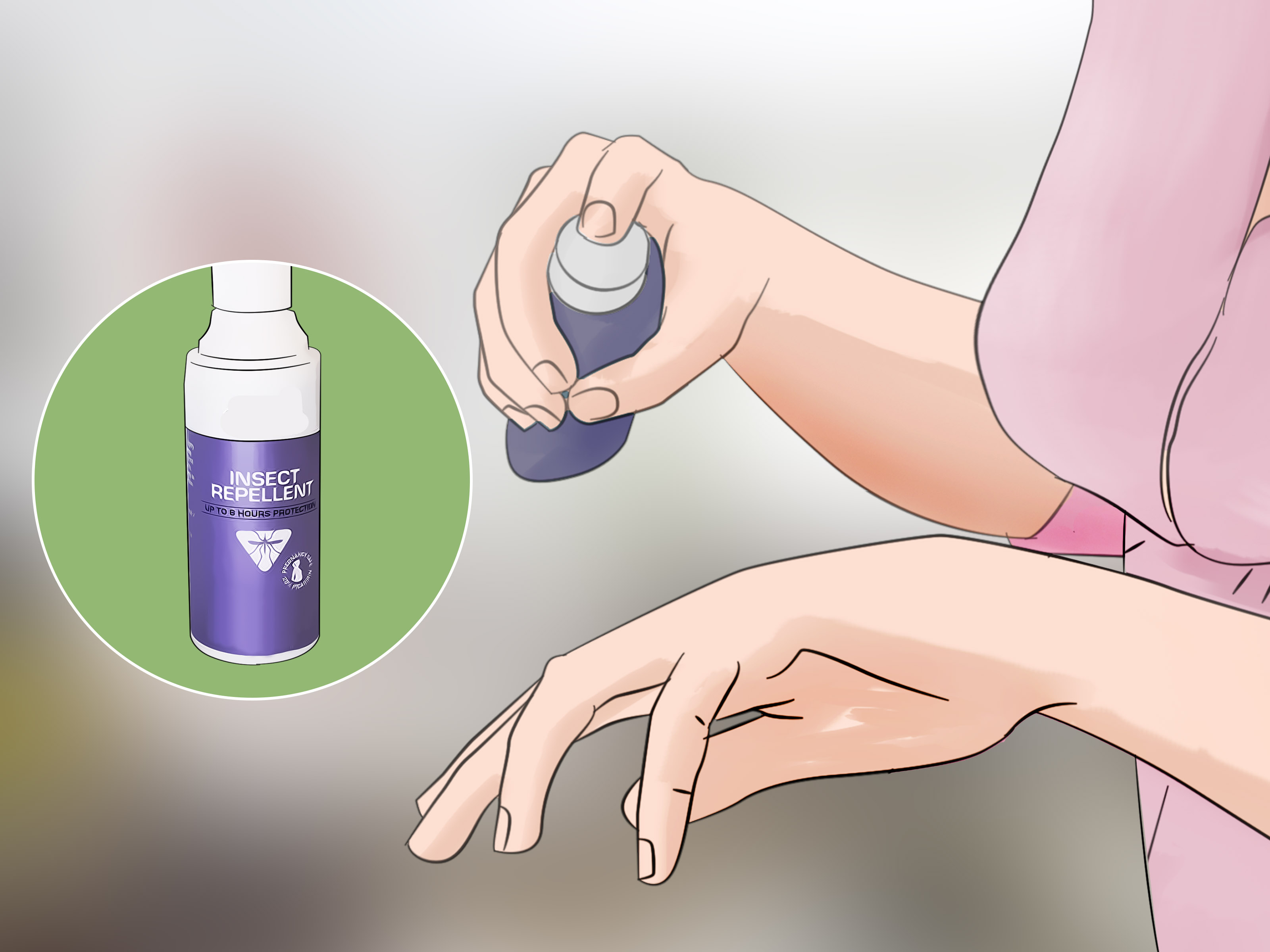
- Spray or dispense a small amount onto your hands.
- Use your hands to apply a thin layer to exposed facial skin.
- Keep the product away from your eyes, lips, nostrils, cuts, sunburn, and irritated skin.
- Apply sparingly around the ears.
- Wash your hands afterward so you do not transfer repellent into your eyes or food.
Never aim an aerosol or pump spray directly at your face. More repellent is not automatically better, and putting it under clothing does not improve protection. Use only enough to cover exposed skin or clothing as directed. When you return indoors, wash treated skin with soap and water.
These face-application and cleanup precautions are consistent across CDC, EPA, and pesticide-safety guidance.
Choose the Active Ingredient for the Situation
DEET is widely used and may be labeled for mosquitoes, ticks, black flies, biting midges, and related pests. It can damage some plastics, watch faces, and finished surfaces, so keep it away from gear unless the label permits clothing application.
Picaridin is another practical option. It tends to have little odor and is less likely than DEET to damage plastics and synthetic gear. Some products are labeled for biting flies, but always confirm the target pest on the specific label.
IR3535, oil of lemon eucalyptus, and PMD are available in certain registered products. Oil of lemon eucalyptus and PMD products should not be used on children younger than three years old. “Plant-based” also does not mean “safe to rub near the eyeball,” a sentence nature should probably print on every leaf.
Remember Sunscreen and Child-Safety Rules
When using sunscreen and insect repellent together, apply sunscreen first and repellent afterward. Reapply each product according to its own label instead of assuming they follow the same schedule.
Adults should apply repellent to children, putting the product on their own hands first and avoiding the child’s hands, eyes, mouth, cuts, and irritated skin. Follow the label’s age restrictions and use netting rather than skin repellent on infants when directed by public-health guidance.
Do not apply permethrin products directly to skin. Permethrin is used only on clothing and gear when the label specifically allows it. Treated clothing can add protection, but it does not replace careful facial protection during a heavy swarm.
3. Remove the Source and Change the Conditions
Swatting adults gives immediate emotional satisfaction, but it rarely solves the problem. Long-term gnat control means finding where larvae are developing or changing when and where you encounter the adults.
For Indoor Fungus Gnats: Let the Soil Surface Dry
Fungus gnats thrive in moist potting media rich in fungi and decomposing organic matter. Allow the top one to two inches of soil to dry between waterings when the plant species can tolerate it. Empty saucers, improve drainage, remove dead leaves, and avoid letting decorative cachepots hold hidden water.
Place yellow sticky cards just above the soil to capture adults and monitor whether the population is declining. Sticky cards alone will not eliminate larvae, but they help interrupt reproduction and reveal which pot is the headquarters.
If one plant has waterlogged, foul-smelling soil or rotting roots, repotting it in clean, well-draining medium may be necessary.
Do not automatically pour vinegar, bleach, essential oils, or homemade pesticide mixtures into the pot. Improvised treatments can injure roots, create fumes, or simply replace one problem with a more fragrant problem.
For Kitchen and Bathroom Flies: Remove Food and Slime
Store ripe produce appropriately, discard decaying fruit, rinse recycling, clean spills under appliances, and take out food waste frequently. For suspected drain flies, scrub the inside of the affected drain and remove the organic film where larvae develop.
Repair leaks, dry damp mops and rags, and clean garbage-disposal splash guards and overflow channels. Tiny flies do not need a luxury resort; a thin layer of wet organic residue is enough.
For Outdoor Eye Gnats and Black Flies: Change Place and Time
Eye gnats develop in certain moist soils with organic matter, while black flies require flowing water during their immature stages. A homeowner may reduce wet organic breeding material in a small yard but cannot eliminate every source in an agricultural area, stream corridor, or neighborhood.
When populations are high, move activities away from likely breeding areas, choose an exposed location with better airflow, and shorten outdoor sessions during peak activity. Black flies are often more active on humid, cloudy days and before storms. A change of trail, campsite, work period, or picnic table can outperform another round of frantic swatting.
If eye gnats are a severe community-wide problem, contact the local vector-control district, county extension office, or licensed pest-management professional. Broad outdoor insecticide spraying is rarely a sensible do-it-yourself answer because it may provide only temporary relief and can affect beneficial insects.
Common Mistakes That Keep Gnats Coming Back
Relying on perfume, essential oils, or a single candle: A strong scent is not the same as a tested, labeled repellent. Fragrance can irritate sensitive eyes and skin, while one candle cannot create a dependable protective bubble around an entire patio.
Watering houseplants on a fixed calendar: Plants do not read calendars. Check soil moisture before watering. Repeatedly adding water to already damp soil keeps the gnat nursery open even while sticky traps catch a few adults.
Treating only the adults: Vacuuming, trapping, and swatting reduce visible insects, but eggs and larvae remain in wet soil, drain film, decomposing produce, or other organic material. Pair adult control with source removal.
Experience-Based Lessons: What Works in Real Situations
The best anti-gnat routine usually becomes obvious after one mildly ridiculous encounter. Consider the backyard gardener who steps outside for “just five minutes” without a hat. The soil is damp, the air is humid, and tiny flies immediately gather near the face. Swatting with a gloved hand works for roughly half a second.
The useful lesson is not to become a faster swatter. It is to prepare before opening the door: put on a brimmed hat, keep a head net in the garden tote, and apply a labeled repellent to exposed skin. The setup takes a minute and saves twenty minutes of irritation.
A second common experience happens on a trail beside a stream. At the parking lot, insect activity seems manageable. Deeper in the shaded corridor, black flies become persistent around the ears and hairline. Repellent helps, but sweat and rubbing reduce comfort.
A fine-mesh net over a cap changes the entire hike because it protects the face continuously. The practical lesson is to pack the barrier even when conditions look calm at the trailhead. It weighs almost nothing, and nobody has ever regretted having fewer insects in their mouth.
Indoor infestations teach a different lesson. Someone notices two tiny flies near a laptop and treats them as random visitors. A week later, the insects appear every evening, hovering at eye level while the person works. Spraying the room may kill a few adults, but the population returns.
Inspection reveals a decorative pot with no drainage hole and permanently wet soil. Once watering is reduced, standing water is removed, and a sticky card is placed near the soil, the number of adults gradually falls. The important experience here is patience: source control works on the insect life cycle, not on the human desire for an instant victory parade.
Another useful lesson comes from outdoor dining. People often place a citronella candle in the center of a large table and expect it to create an invisible force field. In a mild infestation, it may add atmosphere, but it cannot protect every face at every seat.
Better results come from combining airflow, screens or netting where practical, and correctly applied personal repellent. Moving the table away from damp vegetation, compost, livestock areas, or a stream edge can also matter more than buying a larger candle.
Finally, repeated face-level gnat problems often disappear only after the insect is correctly identified. Fungus gnats do not require the same response as biting black flies, and eye gnats are not controlled by cleaning a kitchen drain.
The experience-based rule is simple: observe where the flies gather, what time they appear, whether they bite, and what moist organic source is nearby. Then use the least complicated combination that addresses that specific pest. Usually, the winning formula is a barrier for immediate comfort, a properly labeled repellent for outdoor exposure, and source control for lasting relief.
Conclusion
To keep gnats away from your face, do not rely on endless swatting or a mystery bottle from the back of the garage. First, block them with fine mesh, glasses, protective clothing, or airflow. Second, use an EPA-registered repellent according to its label and apply it to the face through your handsnot by spraying toward your eyes. Third, solve the source by drying overwatered plant soil, cleaning food and drain residue, or changing where and when you spend time outdoors.
Gnats may be tiny, but the solution works best when it is specific. Identify the fly, combine immediate protection with long-term control, and reclaim your face from its unpaid role as neighborhood airspace.