A teacher can be strict, demanding, or allergic to late homework without necessarily being mean. But when a teaunfair comments, or turns every class into an emotional obstacle course, the problem deserves attention.
Learning how to deal with a mean teacher is not about winning an argument or delivering a dramatic speech while the rest of the class applauds. Real life rarely provides background music. The goal is to protect your well-being, improve the situation, and make sure you can continue learning without feeling anxious every time you enter the classroom.
The following strategies can help students respond calmly, document what is happening, communicate effectively, and seek support when necessary.
First, Decide Whether the Teacher Is Mean or Simply Strict
Before taking action, separate unpleasant rules from genuinely inappropriate behavior. A teacher who enforces deadlines, corrects mistakes, assigns challenging work, or asks students to stop talking may be strict rather than cruel.
A teacher’s communication style may also feel sharper than what you are used to. Some teachers are naturally warm and conversational. Others speak like every sentence has been laminated and approved by a committee.
Ask yourself several practical questions:
- Does the teacher treat most students this way, or am I being singled out?
- Is the teacher criticizing my work or attacking me personally?
- Does the teacher explain expectations clearly?
- Do the comments embarrass, threaten, or humiliate me?
- Is the behavior occasional, or has it become a pattern?
- Could there be a misunderstanding about my actions or intentions?
For example, saying, “This paragraph needs stronger evidence,” is academic feedback. Saying, “You are too lazy to write anything intelligent,” is a personal insult. The first statement may sting, but it focuses on the assignment. The second attacks the student.
Stay Calm During the Moment
When a teacher says something unfair, your first instinct may be to argue immediately. That reaction is understandable, but a public confrontation can make the problem harder to resolve. It may also turn the discussion from the teacher’s behavior to your reaction.
Take one slow breath. Keep your voice steady and avoid sarcasm, shouting, threats, or insults. You do not have to pretend the behavior is acceptable. You are simply choosing a response that protects your credibility.
You might say:
- “Can we discuss this after class?”
- “I would like to understand what I did wrong.”
- “Could you explain what you expected me to do?”
- “I am uncomfortable discussing this in front of everyone.”
If you feel unsafe or too upset to speak calmly, pause the conversation. Ask to visit the counselor, nurse, office, or another trusted staff member. Walking away from an unsafe situation is not weakness. It is emotional first aid.
Write Down What Happened
Documentation is one of the most useful tools when dealing with an unfair teacher. A statement such as “My teacher is always mean” communicates distress, but it is difficult for another adult to investigate. Specific details create a clearer picture.
Record Facts, Not Just Conclusions
After an incident, write down:
- The date and approximate time
- The class and location
- What happened immediately before the incident
- The teacher’s exact words, as closely as you remember them
- What you said or did in response
- The names of anyone who witnessed it
- How the incident affected your work, attendance, or emotional health
Instead of writing, “Mr. Smith hates me,” write, “On September 14, Mr. Smith returned my quiz and said, ‘Maybe this class is too advanced for you,’ while other students were listening.”
Save relevant emails, assignment comments, grading rubrics, messages, and returned work. Do not secretly record conversations unless you know that recording is permitted by school policy and applicable law. Written notes are usually the safer approach.
Check Your Own Responsibilities
Being honest about your own behavior does not excuse mistreatment. It does, however, help you enter the conversation prepared.
Review the syllabus, classroom rules, assignment instructions, and grading policy. Ask yourself whether you have been arriving late, interrupting lessons, ignoring directions, missing deadlines, or using your phone when it should be stored away.
If you made a mistake, acknowledge it without accepting personal attacks.
For example:
“I understand that I should not have talked while you were explaining the assignment. I will work on that. I was still embarrassed when I was called stupid in front of the class, and I would like us to discuss a better way to handle the situation.”
This response takes responsibility while keeping the focus on the inappropriate comment.
Talk to the Teacher Privately
When the situation is not dangerous, discriminatory, or abusive, a private conversation is often a reasonable first step. Misunderstandings sometimes grow because each person assumes the other knows what is wrong.
Ask for a short meeting before school, after class, during office hours, or at another appropriate time. Do not ambush the teacher while they are supervising thirty students, answering three emails, and trying to remember where they put the dry-erase markers.
Use “I” Statements
Describe the behavior, explain its effect, and request a specific change. Conflict-resolution resources commonly recommend “I” statements because they allow students to communicate their feelings and needs without beginning with an accusation. s structure:
“When my mistakes are discussed in front of the class, I feel embarrassed and have trouble concentrating. Could you give me that feedback privately?”
Another example might be:
“I feel as though I am being called on more often when I do not know the answer. Could you help me understand how students are selected to respond?”
Avoid opening with, “You hate me,” “Everyone thinks you are terrible,” or “My parents are going to get you fired.” Those sentences may express your frustration, but they are unlikely to produce a useful conversation.
Listen to the Teacher’s Explanation
The teacher may describe behavior or events you interpreted differently. Listen carefully, ask questions, and look for a practical solution. You do not have to agree with everything, but showing that you are willing to listen makes it easier to ask for the same respect in return.
End the meeting with a clear next step. You might agree that feedback will be given privately, that you will sit in a different location, or that you will check in after one week.
Ask a Trusted Adult for Help
You should not have to manage a serious teacher conflict alone. Tell a parent, guardian, counselor, coach, case manager, advisor, or another teacher you trust.
Explain what happened using your notes. Let the adult know what kind of help you need. You may want advice, someone to attend a meeting, assistance writing an email, or immediate intervention.
School counselors can serve as impartial consultants, mediators, and student advocates. They can also help students develop communication, coping, and problem-solving skills. lling a parent or guardian, avoid exaggeration. Accurate details make your concern stronger, not weaker.
Prepare for a Parent-Teacher Meeting
If the private conversation does not improve the situation, a parent or guardian can request a meeting with the teacher. The student may attend when appropriate.
Productive meetings focus on the student’s experience and possible solutions rather than turning into a courtroom drama. Guidance for families recommends writing down key concerns, bringing specific examples, establishing action items, and scheduling a follow-up. ons to Ask
- “Can you help us understand what has been happening in class?”
- “Have you noticed a pattern before these incidents occur?”
- “What classroom expectations may be unclear?”
- “What changes can we try for the next two weeks?”
- “How will we measure whether the situation is improving?”
- “When should we follow up?”
After the meeting, send a short, polite email summarizing what was discussed. This creates a written record and reduces confusion about the agreed-upon steps.
Escalate the Problem When Necessary
If the behavior continues, contact the department chair, grade-level leader, principal, assistant principal, dean, or another administrator. Follow the school’s complaint procedure whenever possible.
Provide a concise timeline, copies of relevant messages or assignments, a summary of previous attempts to resolve the problem, and the outcome you are requesting.
Reasonable requests might include:
- A mediated meeting
- A classroom observation
- A review of grading practices
- A change in seating or communication procedures
- Protection against retaliation
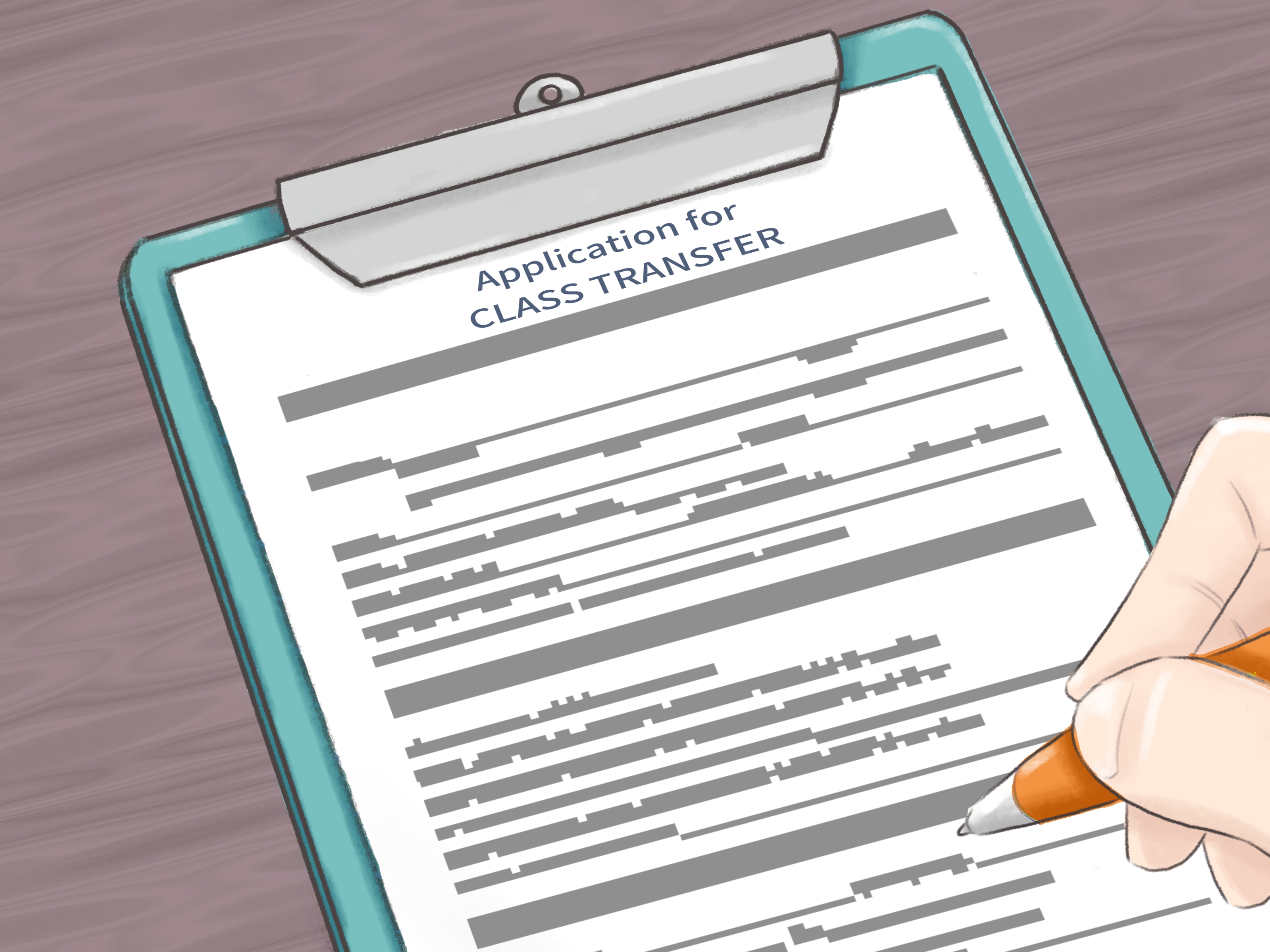
- A class transfer when other solutions have failed
Do not focus only on punishing the teacher. Explain what you need in order to feel safe, participate, and learn effectively.
Know When the Situation Is More Than “Meanness”
Some conduct should be reported immediately rather than handled through an informal private conversation.
Seek help right away if a teacher:
- Threatens physical harm
- Touches you inappropriately
- Makes sexual comments or requests
- Uses slurs or discriminatory language
- Targets you because of race, color, national origin, sex, disability, or another protected characteristic
- Retaliates because you reported a concern
- Repeatedly humiliates, intimidates, or isolates you
- Denies required disability accommodations
- Encourages other students to ridicule you
Tell a trusted adult and school administrator as soon as possible. In an emergency, move to a safe location and contact emergency services.
The U.S. Department of Education states that schools must take prompt and effective steps when discriminatory harassment creates a hostile environment. Its Office for Civil Rights accepts complaints involving discrimination or retaliation, although filing deadlines and legal standards may apply. t Your Mental Health
A difficult teacher can make one class feel as though it has swallowed the entire school day. Try not to let the conflict become your only topic of thought.
Use healthy coping strategies:
- Talk with supportive friends and adults.
- Exercise, walk, draw, journal, or listen to music.
- Practice slow breathing before class.
- Prepare assignments early to reduce avoidable stress.
- Spend time with teachers and activities that make school feel positive.
- Visit the school counselor if the situation affects your mood, sleep, attendance, or confidence.
Children and teens may experience school-related stress involving teachers, classmates, academic pressure, and social situations. Supportive conversations and healthy coping habits can make those challenges more manageable. are experiencing persistent anxiety, panic, depression, self-harm thoughts, or severe school avoidance, tell a trusted adult immediately and ask for professional support.
What Not to Do With a Mean Teacher
Even when you are justified in feeling angry, certain actions can weaken your position or create additional problems.
Do Not Start a Social Media Campaign
Posting accusations, edited videos, personal information, or insults can violate school rules, spread incomplete information, and make a fair investigation more difficult. Report concerns through trusted adults and official channels.
Do Not Recruit the Class to Disrupt Lessons
Other students may share your concerns, but coordinated disrespect usually creates new disciplinary issues. Witnesses can provide factual statements privately if an administrator requests them.
Do Not Threaten Revenge
Threats can be taken seriously even when made in frustration. Say what happened, describe how it affected you, and request a solution.
Do Not Assume Every Correction Is Personal
Feedback is part of learning. Focus on patterns of humiliation, discrimination, threats, inconsistent treatment, or unreasonable conduct rather than ordinary academic correction.
Useful Scripts for Common Situations
When You Are Corrected in Front of the Class
“I understand that I made a mistake. Could we talk about it privately after class?”
When the Teacher Makes a Personal Comment
“I am willing to discuss my work, but that comment felt personal. Please explain what I need to improve on the assignment.”
When You Think a Grade Is Unfair
“Could we review the rubric together? I would like to understand where I lost points and what a stronger answer would include.”
When the Behavior Keeps Happening
“We discussed this concern on Tuesday, but the same situation happened again today. I would like help from the counselor or an administrator.”
When You Need to Tell a Parent
“Something has been happening repeatedly in class, and I need your help. I wrote down the dates and what was said so we can decide what to do next.”
Experiences and Lessons From Dealing With Mean Teachers
Consider the experience of a middle school student named Maya. Her science teacher frequently responded to incorrect answers by sighing loudly and asking whether she had completed the reading. Maya gradually stopped raising her hand, even when she knew the answer. At home, she described the teacher as someone who “wanted her to feel stupid.”
Maya’s first attempt to fix the problem was to become nearly invisible. She sat in the back, avoided eye contact, and spoke only when directly questioned. That strategy reduced a few uncomfortable interactions, but it also damaged her participation grade and made science feel even more intimidating.
After talking with her mother, Maya began keeping a factual record. She noticed that the teacher’s sharp comments usually occurred when Maya needed extra time to answer. During a private meeting, Maya said, “When I am rushed and corrected in front of everyone, I get nervous and cannot explain what I know. Could I have a few extra seconds to answer?”
The teacher did not suddenly transform into a cheerful movie mentor who inspired everyone with a perfectly timed speech. However, she agreed to wait longer before calling on someone else. Maya also started preparing one question before each class. The relationship remained formal, but the daily tension decreased.
Another student, Jordan, faced a more serious situation. His teacher repeatedly joked about his reading ability and once told him that he was “too old to need this much help.” Jordan had a documented learning disability and an education plan that provided additional reading support.
Jordan initially believed that reporting the comments would make him look weak. He laughed along with the class even though he felt humiliated. Eventually, his attendance began slipping because he complained of stomachaches on days when he had that class.
A school counselor helped Jordan write a timeline of the incidents and identify witnesses. His father requested a meeting with the teacher, case manager, and administrator. The family focused on three issues: the personal comments, the effect on Jordan’s participation, and whether his accommodations were being followed.
The school arranged additional staff training, confirmed Jordan’s accommodations, and assigned another adult to observe the classroom. The teacher was instructed to discuss academic concerns privately. Jordan’s experience demonstrates why students should not be expected to “toughen up” when repeated humiliation is interfering with their education.
Not every complaint, however, confirms that a teacher is behaving unfairly. Elena believed her history teacher disliked her because he frequently reminded her about unfinished assignments. When Elena and her guardian reviewed the online gradebook, they discovered that several assignments had been submitted incorrectly and were still marked missing.
During the meeting, the teacher showed Elena how to confirm that each file had uploaded successfully. Elena acknowledged the mistake, while the teacher agreed to send a private reminder instead of announcing missing work during class. The conflict came from a combination of technical problems, embarrassment, and incomplete communication.
These experiences offer several useful lessons. First, feelings are important signals, but specific facts are what help other people understand and address a problem. Second, speaking calmly does not mean accepting disrespect. Third, students often need an adult ally, especially when there is a power imbalance. Finally, success does not always mean becoming the teacher’s favorite student. Sometimes success means creating clear boundaries, getting appropriate support, and making the classroom manageable enough to continue learning.
A mean teacher can become an unexpected lesson in self-advocacy. Ideally, students would never need that lesson under stressful conditions. Still, learning to describe a problem accurately, request a reasonable change, listen to another perspective, and seek help through the proper channels can be valuable far beyond the classroom.
Conclusion
Dealing with a mean teacher requires more than ignoring the problem or fighting back. Start by identifying the difference between strict teaching and inappropriate conduct. Stay calm, document specific incidents, review your own responsibilities, and request a private conversation when it is safe to do so.
If the behavior continues, involve a parent, counselor, or administrator. Report threats, sexual misconduct, discrimination, retaliation, denied accommodations, or repeated humiliation immediately. You deserve fair treatment and a learning environment in which questions, mistakes, and differences are handled respectfully.
You may not be able to change a teacher’s personality, but you can control how clearly you communicate, how carefully you document events, and how quickly you ask for help. That is not causing trouble. It is responsible self-advocacy.