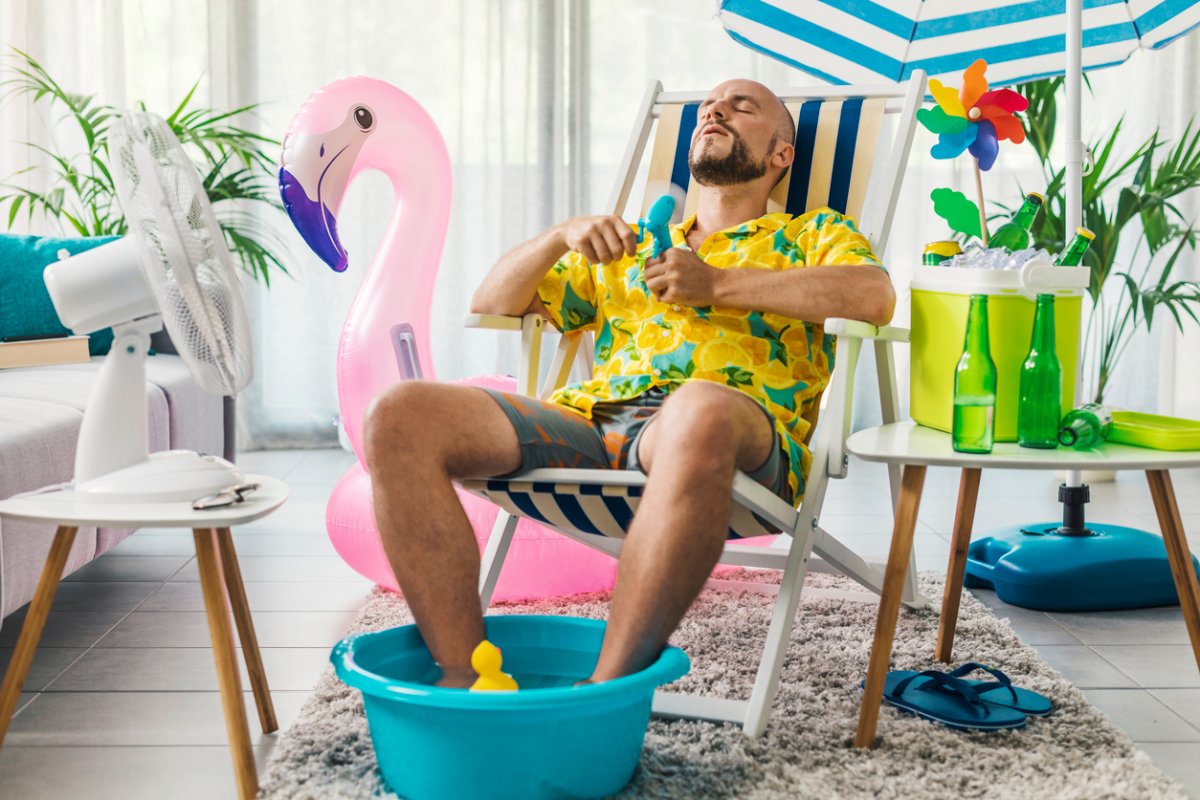
Summer has a delightful habit of arriving with sunshine, cookouts, road trips, and the sudden realization that your house feels like a toaster oven. Add melting popsicles, thirsty plants, mosquitoes with personal vendettas, and a cooler that gets opened every 14 seconds, and the season starts looking surprisingly high-maintenance.
Fortunately, the best summer hacks do not require an engineering degree or a shopping cart full of gadgets. A ceiling fan, frozen water bottle, pool noodle, mesh bag, or empty six-pack carrier can solve more warm-weather problems than expected. The following practical ideas will help you cool your home, organize outdoor gatherings, protect food, simplify travel, and enjoy the season without spending August arguing with your electric bill.
Easy Hacks for Keeping Your Home Cool
1. Run Ceiling Fans Counterclockwise
Check the small direction switch on your ceiling fan. During summer, the blades should generally rotate counterclockwise when viewed from below, pushing air downward and creating a cooling breeze. Remember that fans cool people rather than empty rooms, so switch them off when everyone leaves. Your fan does not need private spa time.
2. Close Blinds Before the Room Gets Hot
Do not wait until your west-facing bedroom resembles a greenhouse. Close curtains, shades, or blinds before direct sunlight reaches the windows. Exterior awnings, reflective shades, and blackout curtains can provide additional protection in especially sunny rooms.
3. Put Ice in Front of a Fan
For a quick personal cooling station, place a shallow bowl of ice or frozen water bottles in front of a tabletop fan. The moving air passing over the cold surface may feel more refreshing at close range. Keep water away from electrical connections, and treat this as personal relief rather than a substitute for air conditioning during dangerous heat.
4. Use Exhaust Fans Strategically
Run bathroom ventilation during and shortly after showers to remove humid air. Use the kitchen exhaust fan while cooking, especially when boiling water. Once the heat or moisture is gone, turn the fan off so it does not continue pulling cooled indoor air outside.
5. Create a Cold-Water Station
Fill a beverage dispenser or large pitcher each morning and place reusable bottles nearby. Add cucumber, citrus, or berries if plain water feels emotionally underqualified. During extreme heat, drink regularly rather than waiting until thirst becomes impossible to ignore.
6. Plan One No-Cook Dinner Each Week
An oven can turn a comfortable kitchen into a low-budget sauna. Build a summer meal around rotisserie chicken, chilled pasta, bean salad, sandwiches, or a snack board. Preparing food early in the morning is another way to avoid adding heat during the hottest part of the day.
Cold Drink and Frozen-Treat Tricks
7. Freeze Water Bottles on Their Sides
Fill reusable bottles about halfway, tighten the lids, and freeze them horizontally. Before leaving home, stand each bottle upright and add fresh water. The long wall of ice cools the drink while leaving enough open space to sip immediately.
8. Use Frozen Grapes Instead of Ice
Wash seedless grapes, dry them thoroughly, and freeze them in a single layer. Drop a few into lemonade, sparkling water, or iced tea. They cool the beverage without diluting it and become a snack when thawed. Cut grapes appropriately before serving them to young children.
9. Catch Popsicle Drips With Cupcake Liners
Poke the stick of an ice pop through the center of a paper or foil cupcake liner. The liner becomes a miniature drip tray, saving shirts, hands, patio cushions, and parental patience from brightly colored syrup.
10. Chill Bottles With a Damp Towel
Wrap a room-temperature beverage in a damp paper towel and place it in the freezer for a brief chill. Set a timer and remove it promptly. Forgotten carbonated drinks and glass bottles can crack, leak, or produce an unpleasant freezer surprise.
11. Turn a Watermelon Into a Drink Dispenser
For a backyard party centerpiece, hollow out a stable watermelon and fit a food-safe beverage spigot near the bottom. Fill it with chilled fruit punch or infused water and keep it refrigerated or surrounded by ice until serving time. Test for leaks before your guests arrive unless watermelon-flavored tablecloth is part of the theme.
Smarter Picnic and Cookout Hacks
12. Pack the Cooler Completely
A tightly packed cooler stays cold longer than one containing large pockets of warm air. Start with chilled or frozen food, add ice packs around the sides and top, and fill unused space with extra ice. Keep perishable food at 40 degrees Fahrenheit or below.
13. Use Separate Food and Drink Coolers
Guests open the drink cooler repeatedly, allowing warm air inside each time. Put beverages in one cooler and meats, dairy products, cut fruit, and prepared dishes in another. The food cooler can remain closed until mealtime instead of experiencing a revolving-door crisis.
14. Repurpose a Six-Pack Carrier
Turn an empty cardboard bottle carrier into a portable condiment station. Fill the sections with ketchup, mustard, hot sauce, napkins, utensils, and seasoning shakers. Reinforce the bottom with tape if the carrier has already survived a rough weekend.
15. Make a Grill Safety Zone
Position the grill outdoors, away from siding, deck railings, branches, and anything combustible. Establish a child- and pet-free boundary, keep long-handled tools nearby, and never leave the grill unattended. Grills should never be operated inside a home, garage, tent, or other enclosed space.
16. Mount a Magnetic Tool Holder Nearby
A weather-resistant magnetic strip mounted on a suitable nonheated surface can keep metal tongs, spatulas, and bottle openers within reach. Make sure it is securely attached and far enough from the cooking area that handles do not become dangerously hot.
17. Serve Smaller Portions in Batches
Instead of placing every burger, salad, and dessert outside at once, serve smaller amounts and replenish them from the refrigerator or cooler. Perishable food should not sit out longer than two hoursor one hour when the temperature exceeds 90 degrees Fahrenheit.
Backyard and Garden Summer Hacks
18. Perform a Weekly Standing-Water Sweep
Check buckets, toys, plant saucers, tarps, gutters, birdbaths, and forgotten containers after rain. Dump or refresh standing water at least weekly to reduce mosquito breeding areas. Repair damaged window screens as part of the same quick inspection.
19. Water Plants Early and Deeply
Water near the root zone during the early morning when possible. Longer, less frequent watering encourages deeper roots, while tiny daily sprinkles may keep roots close to the surface. Check the soil before watering because temporary afternoon wilting does not always mean the root zone is dry.
20. Make a Slow-Drip Bottle Irrigator
Punch a very small hole in the cap of a clean bottle, fill it with water, and insert it upside down into moist container soil. Test the flow before leaving town. Different soils drain at different rates, and an enthusiastic hole can empty the bottle in six minutes instead of six days.
21. Give Heat-Stressed Plants Temporary Shade
Move containers away from scorching afternoon sun or create temporary cover with shade cloth. Even a strategically positioned patio chair can protect a vulnerable plant during a short heat wave. Avoid draping heavy material directly over delicate leaves.
22. Use a Pool Noodle as a Doorstop
Cut a short section of pool noodle lengthwise and slide it around the edge of a door, or wedge a piece beneath the door. The soft foam helps prevent slamming during breezy backyard gatherings and reduces the risk of pinched fingers.
Beach, Pool, and Travel Hacks
23. Carry Beach Toys in a Mesh Bag
Use a mesh laundry bag for buckets, shovels, water shoes, and toys. Before getting into the car, shake the bag and let sand fall through the openings. This will not eliminate every grain, because beach sand apparently signs a lifetime lease, but it dramatically reduces the amount brought home.
24. Cover Shoes With Shower Caps
Slip inexpensive shower caps over shoe soles before placing footwear in a suitcase. They separate dirty soles from clean clothing while taking up almost no luggage space. Pack an extra cap for wet swimwear or a leaking toiletry bottle.
25. Use a Boring Container for Small Valuables
A clean, opaque toiletry container can make keys or emergency cash less noticeable at the beach. However, disguise is not security. Keep valuables to a minimum, use lockers when available, and never leave passports, expensive electronics, or essential medication unattended.
26. Store Matches in a Waterproof Jar
Place matches in a sealed container and attach a proper striking surface inside the lid or carry a separate striker. Keep the container away from children, flames, and extreme heat. Follow campground restrictions, local fire rules, and burn bans before lighting anything.
27. Keep Secure Copies of Travel Documents
Store encrypted digital copies of passports, identification, insurance details, and reservations in a secure account. Keep one paper copy separate from the originals. Avoid carrying unnecessary documents containing sensitive numbers, particularly Social Security cards.
28. Vent a Hot Car Before Getting In
Open multiple doors or windows briefly to release trapped hot air before turning on the air conditioning. Use a windshield shade and park under cover when possible. Most importantly, never leave a child or pet in a parked vehicle, even with windows cracked or the car in shade. Always check the back seat before locking.
29. Treat Thunder as the End of Outdoor Play
If you hear thunder, leave the pool, beach, field, or yard and move into a substantial building or hard-topped enclosed vehicle. A picnic shelter, tree, or open-sided structure is not adequate lightning protection. Wait until the danger has passed before returning outside.
30. Build a Summer Kit for Your Pet
Pack fresh water, a collapsible bowl, waste bags, a towel, and any required medication. Schedule walks during cooler hours, provide shade, and check pavement temperature before allowing paws to linger on it. Excessive panting, weakness, drooling, breathing difficulty, or collapse can signal overheating and require urgent veterinary help.
Experience Notes: What These Summer Hacks Are Like in Real Life
The most useful summer hacks are rarely the most dramatic ones. In a realistic household trial, closing blinds early, running fans only in occupied rooms, and shifting oven-heavy meals to cooler hours make a more noticeable difference than complicated DIY cooling machines. The house may not suddenly feel like an alpine lodge, but the sunny rooms stop accumulating heat as quickly. More importantly, these habits require almost no daily decision-making once everyone learns the routine.
The frozen-bottle trick tends to become a favorite because it solves two problems at once. The ice keeps water cold during errands, sports, gardening, or road trips, and the bottle remains drinkable from the moment it is filled. The main lesson is to leave enough empty space for water to expand during freezing. A completely full bottle can bulge, crack, or turn the freezer into an unwanted science experiment.
Cooler organization also delivers surprisingly large benefits. At a typical backyard gathering, the beverage cooler may be opened dozens of times before lunch. When food shares that cooler, every search for a soda exposes chicken, dairy products, and salads to warmer air. Separating the two reduces unnecessary opening, simplifies serving, and keeps raw ingredients away from ready-to-eat items. A small cooler thermometer removes the guesswork. It may not be the most glamorous party accessory, but neither is food poisoning.
In the garden, slow-drip bottles work best when tested several days before a trip. Sandy potting mixes may drain quickly, while compact soil may barely accept water. The successful approach is to moisten the soil first, use a tiny opening, and watch how long the bottle lasts. Temporary shade is equally practical. Moving a container three feet away from harsh afternoon sun can be more effective than repeatedly flooding a stressed plant.
The standing-water inspection is another habit that becomes faster over time. The first sweep may uncover water in toys, saucers, folded tarps, clogged gutters, and decorative containers no one remembered owning. Later inspections take only a few minutes. Pairing the task with trash collection or lawn care makes it easier to remember.
Travel hacks provide their biggest payoff during small moments of inconvenience. Shower caps prevent sandy shoes from touching clean clothes. Mesh bags shed a remarkable amount of beach debris before it enters the car. Secure document copies become valuable only when something goes wrong, but that is exactly the point. Good preparation should feel slightly boring right up until the day it saves a vacation.
Safety habits matter more than any clever shortcut. Venting a hot vehicle can improve comfort, but it never makes a parked car safe for a child or animal. A pool noodle can hold a drink or stop a door, but it is not a lifesaving flotation device. A shaded patio can feel calm even while a thunderstorm is close enough to create danger. The best summer experience comes from combining playful ideas with sound judgment.
Ultimately, these summer hacks succeed because they remove friction. Water is ready before anyone gets thirsty. Grill tools are within reach. Plants receive moisture at the roots. Beach equipment releases its sand outdoors rather than in the living room carpet. None of the ideas transforms summer into a perfectly controlled season, but together they make hot days cooler, outings smoother, and backyard gatherings far less chaotic.
Conclusion
Summer should feel like a break, not a three-month household emergency. Start with a few high-impact changes: block afternoon sunlight, prepare frozen water bottles, organize separate coolers, remove standing water, and create dependable safety routines for cars, storms, grills, children, and pets. Add the smaller hacks as needed. By August, you may still be hot, but at least your drinks will be cold, your plants will be alive, and significantly less beach sand will be living in your car.
Research note: This original article synthesizes practical guidance and summer-safety information from Bob Vila, the U.S. Department of Energy, CDC, FoodSafety.gov, EPA, NHTSA, the National Weather Service, American Red Cross, U.S. Consumer Product Safety Commission, University of Minnesota Extension, Penn State Extension, ASPCA, and NFPA. The experience section presents a composite of common household and outdoor-use scenarios rather than a claim of personal testing.