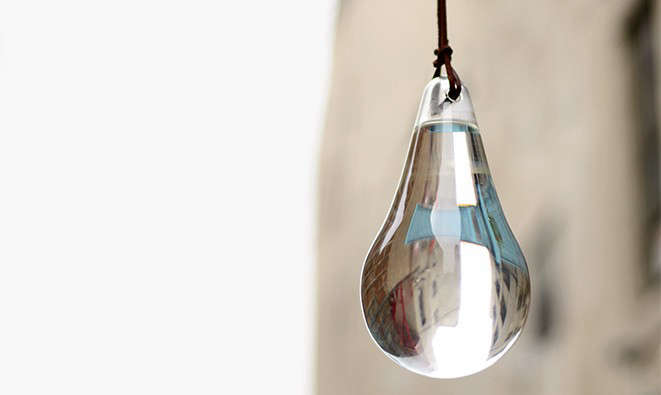
Every summer has its soundtrack: birds in the morning, sprinklers in the afternoon, and one extremely dramatic housefly doing laps around your kitchen like it has a pilot’s license and unfinished business. That is where the curious little idea behind Domestic Science: A Magic Fly Repeller enters the roompart folk wisdom, part design object, part “I’ll try anything if it keeps flies off the potato salad.”
The classic version is simple: a clear bag or glass sphere filled with water and hung near a doorway, patio table, porch, or food stall. Some versions add shiny pennies. A prettier version uses a blown-glass globe suspended by cord, turning a humble pest-control trick into something that looks like it belongs in a stylish farmhouse kitchen rather than a summer survival bunker. The theory says that sunlight hits the water, bends, reflects, and scatters in a way that confuses flies’ compound eyes. The reality? It may help in some situations, but it is not a magic force field. For dependable fly control, the old-school science of sanitation, exclusion, airflow, and traps still does the heavy lifting.
So let’s give this “magic” fly repeller a fair trial. We’ll explore how it works, how to make one, where to hang it, why flies are so stubborn, and how to combine charm with real integrated pest management. Because domestic science is best when it looks pretty, smells fresh, and does not involve chasing a fly with a rolled magazine while whispering threats.
What Is a Magic Fly Repeller?
A magic fly repeller is a clear container filled with water and hung where flies tend to gather. Traditionally, people used plastic zipper bags. In markets and outdoor food stalls, you may also see clear bags dangling above counters or near open-air seating. The decorative version replaces the bag with a glass sphere, often filled with clean water and suspended near food, doors, windows, or outdoor dining areas.
The “magic” is not supernatural. It is optical. Supporters believe that the water-filled container creates reflections and refractions that interfere with how flies navigate. Houseflies have large compound eyes made of many tiny visual units, allowing them to detect movement quickly. That is why they evade your swatter with the smug confidence of a tiny airborne ninja. The idea is that shifting light patterns from water may make the area visually unpleasant or confusing to a fly.
But here is the sensible part: evidence for water bags or penny bags as a reliable fly repellent is mixed and limited. Some people swear by them. Some controlled observations suggest they do little. Some pest professionals warn that moisture from condensation or leaks may even create a fly-friendly spot if the setup is sloppy. In other words, a water-filled sphere can be a charming fly deterrent experiment, but it should not be your only strategy when the flies have formed a committee.
The Domestic Science Behind the Trick
Light Refraction and Reflection
When sunlight enters water, it bends. That bending is called refraction. A curved glass sphere or bulging plastic bag can scatter light in several directions, especially outdoors where sun and breeze keep the reflections moving. Flies are visually sensitive insects, so it is plausible that flashing, distorted, or moving light could make them less eager to linger in a particular zone.
The important word is “plausible,” not “guaranteed.” Many home hacks become famous because they are cheap, easy, and fun to test. The water-bag fly repeller fits that category perfectly. It costs almost nothing, looks surprisingly whimsical when done well, and gives homeowners the feeling of outsmarting nature with a sandwich bag. Nature, however, does not always read the memo.
Why Compound Eyes Matter
Houseflies see the world differently from humans. Their compound eyes provide a wide field of view and excellent motion detection. This helps them spot threats quickly and take off before your hand, swatter, or folded takeout menu lands. Because they rely heavily on visual cues, bright reflections may affect where they choose to fly or rest.
Still, flies are also driven by smell. Rotting fruit, garbage, pet waste, food scraps, spilled drinks, and damp organic matter are basically five-star resorts for them. If a trash can nearby smells like yesterday’s shrimp shells and bad decisions, a hanging water globe will not save the party. The fly’s noseor more accurately, its chemical-sensing equipmentwill win.
How to Make a Simple Magic Fly Repeller
You can make a basic version in five minutes. The goal is to create a clear, reflective, water-filled object that catches light without leaking, dripping, or looking like you lost an argument with your pantry.
Supplies
- One clear glass sphere, clear jar, or heavy-duty clear zipper bag
- Clean water
- Three to six shiny pennies or small reflective beads, optional
- Strong twine, hook, or weather-safe hanging cord
- A secure place near sunlight, but away from direct food contact
Steps
- Fill the clear container halfway to two-thirds full with water.
- Add pennies or reflective beads if you want extra sparkle.
- Seal the container tightly. If using a bag, double-check the zipper seal.
- Hang it where sunlight can strike it during the day.
- Place it near doorways, patios, outdoor dining areas, or trash zonesbut not directly over food.
- Refresh the water weekly to prevent cloudiness, algae, or grime.
If you use a plastic bag, choose one thick enough to hold water safely. A leaking fly repeller is not a repeller; it is a slow indoor rainstorm with branding issues. If you use glass, hang it securely so wind, pets, children, and enthusiastic guests do not turn it into a gravity demonstration.
Where to Hang It for the Best Chance of Success
Placement matters. This trick depends on light, movement, and visibility. A water-filled repeller hidden in a dark corner is just a very quiet aquarium without fish.
Good locations include sunny porch entrances, patio edges, outdoor buffet areas, garden gates, near screened doors, and close tobut not insidetrash storage zones. The best spot is usually where flies first approach, not where they are already feasting. Think of it as a visual “please choose another restaurant” sign.
Avoid hanging the repeller directly over serving dishes, prep counters, or seating where drips could become a problem. Also avoid areas where the object creates glare for people. Nobody wants a fly-free lunch if the cost is being blinded by a homemade disco orb.
What Actually Keeps Flies Away?
The magic fly repeller is fun, but the strongest fly-control plan is less glamorous: remove what attracts flies, block their entry, and trap the stragglers. This is the core of integrated pest management, which means using several practical methods together instead of relying on one dramatic solution.
1. Remove Breeding Sites
Houseflies breed in moist, decaying organic matter. That includes garbage, manure, pet waste, rotting produce, spilled food, compost that is too wet, and dirty trash cans. In warm weather, flies can develop quickly, so a small sanitation problem can become a buzzing convention before the weekend.
Keep garbage sealed in tight-lidded containers. Bag food waste before placing it in outdoor bins. Rinse trash cans regularly. Pick up pet waste promptly. Remove fallen fruit from yards. Keep compost covered and balanced with dry brown materials such as leaves or shredded paper. If flies cannot find a nursery, they cannot launch the next generation of kitchen acrobats.
2. Use Screens and Door Discipline
Flies enter through open doors, torn screens, gaps around windows, and poorly sealed exterior doors. Repair screen holes, add door sweeps, and teach the household that “close the door” is not merely a suggestion from someone’s childhood. It is pest control.
Magnetic screen doors can help on patios where people move in and out often. Window screens should fit tightly. Outdoor lights near doors can attract insects at night, so consider moving bright lights away from entry points or using warmer, less attractive lighting where appropriate.
3. Create Air Movement
Flies are not fond of strong airflow. A simple fan on a porch or near an outdoor buffet can make landing difficult. This is one of the most underrated fly-repelling tactics because it is clean, chemical-free, reusable, and also keeps humans from melting during July. A fan will not solve a breeding problem, but it can protect a specific dining area better than many cute hacks.
4. Use Traps Wisely
Sticky ribbons, window traps, cone traps, and baited outdoor traps all have their place. Indoors, sticky traps can catch a few flies in contained areas. Outdoors, baited traps should be placed away from seating and doors because many attractants smell terrible. Their job is to lure flies away, not perfume your patio with “dumpster at noon.”
For fruit flies, a small trap made with apple cider vinegar and a drop of dish soap can help. But remember: fruit flies and houseflies are not the same. If you have tiny flies around drains, fruit bowls, or houseplants, identify the pest before choosing a solution.
5. Be Careful With Sprays and Repellents
For personal insect repellents, use products according to the label and choose EPA-registered ingredients when protection from biting insects is the goal. For houseflies around food areas, sprays should be used carefully and never as a substitute for sanitation. Pesticides may knock down adult flies temporarily, but if the garbage, pet waste, or rotting fruit remains, the fly problem will reload itself like a bad sequel.
Natural Fly Repellent Ideas That Pair Well With the Magic Sphere
If you like the domestic science vibe, combine the water sphere with natural scent and cleaning strategies. Herbs such as basil, mint, lavender, rosemary, and bay are popular around kitchens and patios. Their strong aromas may discourage some insects, and they make the area smell like you have your life together.
Clove-studded lemon halves are another classic table trick. They look cheerful, smell bright, and can help make a serving area less attractive to flies for a short period. Replace them often, because old citrus eventually becomes the very thing flies love: soft, sweet, and suspicious.
Essential oils should be handled with care. Peppermint, lemongrass, citronella, lavender, and eucalyptus oils are often used in DIY pest sprays, but “natural” does not always mean harmless. Oils can irritate skin, bother pets, damage surfaces, or trigger allergies. Use diluted mixtures, test surfaces first, and avoid spraying around food, children, pets, or people with sensitivities.
Common Mistakes to Avoid
Expecting One Object to Fix a Fly Infestation
A magic fly repeller is a deterrent experiment, not a professional fly-control program. If you have dozens of flies indoors, look for the source. Check trash cans, recycling bins, drains, litter boxes, compost pails, forgotten potatoes, overripe fruit, and pet feeding areas. Somewhere nearby, the flies are throwing a family reunion.
Using Dirty Water
Clear water is part of the visual effect. Dirty water is part of a different story, and it is not a nice one. Refresh the water weekly, clean the container, and keep the outside dry.
Hanging It in the Wrong Place
If the repeller is shaded all day, it will not create much reflection. If it is too far from the problem area, flies may ignore it. If it is too close to garbage, odors may overpower any visual deterrent. Aim for bright, breezy, entry-point placement.
Forgetting Food Safety
Keep food covered outdoors. Use mesh food tents, lidded pitchers, sealed containers, and clean serving utensils. Flies can move between dirty surfaces and food, so the goal is not just comfort; it is hygiene. A fly on the coleslaw is not seasoning.
A Practical Fly-Control Plan for the Home
Here is a simple weekly plan that blends charm with results. First, hang the water-filled sphere near a sunny door or patio area as a low-cost deterrent. Second, place a fan near outdoor dining when serving food. Third, clean trash and compost areas before fly numbers rise. Fourth, repair screens and seal gaps. Fifth, use traps only where they make sense: sticky traps indoors for occasional flies, baited traps outdoors and away from people, and vinegar traps for fruit flies.
This layered method works because it addresses fly behavior from several angles. Odor attracts them, so remove odor. Openings invite them, so block openings. Still air helps them land, so move air. Food keeps them interested, so cover food. Reflected light might annoy them, so let the magic sphere sparkle like a tiny domestic lighthouse.
Is the Magic Fly Repeller Worth Trying?
Yesif you treat it as a charming supplement rather than a miracle. It is cheap, attractive, easy to make, and harmless when installed safely. It may reduce fly activity in a sunny, breezy spot with low to moderate fly pressure. It may also do nothing obvious, especially if nearby garbage or animal waste is calling flies louder than the reflections can scare them away.
The best reason to try it is that it fits beautifully into a broader domestic science approach. It invites observation. Does it work better in morning sun or afternoon sun? Does glass perform better than plastic? Do pennies matter? Do flies avoid one doorway but not another? You become the household researcher, which sounds much better than “person muttering at insects.”
Experience Notes: Testing a Magic Fly Repeller at Home
The first time I tried a water-filled fly repeller, I made the classic mistake of expecting it to behave like a force field. I filled a clear bag with water, added a few pennies, hung it near the back door, and waited for the flies to hold a press conference announcing their surrender. They did not. One fly landed on the door frame as if reviewing my work. Rude, but scientifically useful.
The second attempt was better. I moved the bag to a brighter spot where the afternoon sun hit it directly. I also cleaned the outdoor trash bin, moved a fruit bowl away from the open window, and set a small fan near the patio table during dinner. Suddenly, the area felt calmer. Was it the water bag? The fan? The lack of banana peels staging a perfume festival in the trash? Probably all of the above. That is the funny thing about domestic science: the best results usually come from stacking small improvements until the problem gives up.
Later, I tried a glass version because the plastic bag had the decorative charm of a lunchbox accident. A clear glass globe looked far better, especially near herbs in pots. Basil, mint, and rosemary surrounded the patio, the globe caught the light, and the fan moved enough air to make landing difficult. The setup did not eliminate every fly, but it made outdoor meals feel less like a negotiation with winged invaders.
The most useful lesson was not that the magic repeller “worked” or “failed.” It was that flies are excellent inspectors of household habits. Leave a trash lid loose, and they will find it. Forget fallen fruit under a tree, and they will celebrate. Let a screen door hang open, and they will enter like they pay rent. The repeller adds a clever visual trick, but the real magic is consistency: clean bins, covered food, repaired screens, moving air, and quick removal of anything damp and decaying.
For families, this can even become a small summer experiment. Hang one water sphere near a sunny door and leave another similar doorway without one. Count fly visits for a few days. Try pennies, then no pennies. Try glass, then a bag. Children get a lesson in observation, adults get a cleaner patio, and everyone gets to say “refraction” at dinner, which is always classy.
My final verdict: a magic fly repeller is worth trying because it is simple, inexpensive, and oddly delightful. Just do not ask it to do the job of a clean kitchen, a sealed trash can, and a good screen door. The sphere may sparkle; the sanitation plan wins.
Conclusion
Domestic Science: A Magic Fly Repeller is a wonderful example of household wisdom meeting real-world pest control. The water-filled sphere or bag may confuse flies with reflected and refracted light, especially in bright outdoor spaces, but it is not a guaranteed cure. Think of it as the charming assistant, not the manager.
For the best results, combine the magic repeller with proven fly-control basics: remove breeding sites, seal trash, clean spills, repair screens, cover food, increase airflow, and use traps strategically. When you do that, the water globe becomes more than a cute summer object. It becomes part of a smart, layered, low-chemical approach to keeping your home and patio more comfortable.
Note: This article is for general home and garden information. Always follow product labels when using repellents, traps, or pesticides, and consult a qualified pest-control professional for severe or recurring infestations.