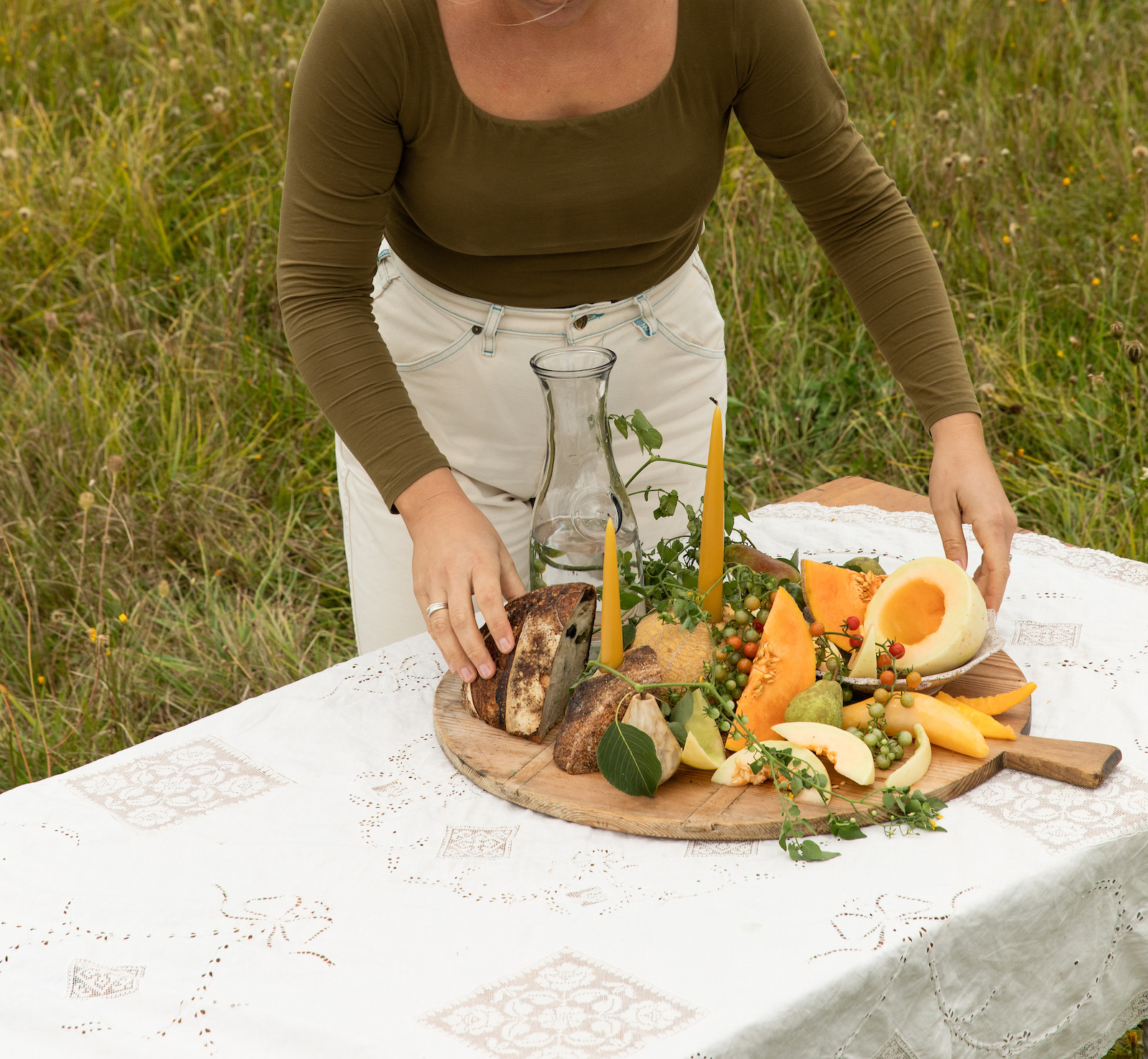
Holiday tables have a way of exposing our decorating personalities. Some people polish silver two weeks early, iron napkins into architectural folds, and own “seasonal charger plates.” The rest of us look at a bowl of apples, a loaf of bread, six mismatched candles, and think, “Could this become a centerpiece?” Happily, yes. Welcome to the charming, slightly mischievous world of DIY holiday table inspiration: ad-hoc and edible candleholders.
The idea is simple: use food or food-adjacent seasonal ingredientsapples, pears, oranges, pomegranates, mini pumpkins, artichokes, bread, cranberries, nuts, herbs, and citrusto hold or frame candles. The result feels warm, handmade, inexpensive, and wonderfully relaxed. It says, “I styled this table,” without whispering, “I spent the grocery budget on imported brass candlesticks.”
Even better, edible candleholders fit almost every holiday mood. They can look rustic for Thanksgiving, jewel-toned for Christmas, citrusy and bright for New Year’s brunch, or cozy and old-world for a winter dinner party. They are sustainable, budget-friendly, and easy to customize with whatever is already in your kitchen. The only non-negotiable rule: they must be safe. A candle is still an open flame, even when it is sitting in a very photogenic apple.
Why Edible Candleholders Work So Well for Holiday Tables
Edible candleholders work because they combine three things guests love: soft light, seasonal abundance, and the feeling that someone cared enough to make the table special. A row of apples holding slim tapers feels nostalgic. A cluster of oranges with tea lights feels sunny and fragrant without needing a scented candle. A rustic bread loaf used as a candle base feels like something from a European farmhouse dinner, minus the expensive plane ticket.
They also solve a common holiday decorating problem: centerpieces that are too tall, too fussy, or too precious. Nobody wants to spend dinner bobbing around a floral tower just to ask Aunt Linda to pass the stuffing. Food-based candleholders naturally stay low and conversational. They add glow without blocking faces, and they can be scattered down the table instead of gathered in one large centerpiece.
Another advantage is flexibility. You do not need a perfect set of anything. In fact, the ad-hoc look is better when it is a little imperfect. A pear leaning slightly to one side? Charming. A mix of red apples, green pears, and tiny pumpkins? Intentional. A baguette with taper candles tucked into it? Unexpected and funny in the best possible way. Holiday tables should feel alive, not like a showroom no one is allowed to breathe in.
The Basic Safety Formula Before You Start
Before carving fruit and pretending you are a Renaissance still-life painter, set up a safe foundation. Place every edible candleholder on a nonflammable, heat-resistant surface such as a ceramic platter, glass plate, marble board, metal tray, or stoneware dish. This catches wax drips, keeps food from rolling, and protects your table from heat.
Use unscented candles for dining. Scented candles can interfere with the smell and taste of food, and nobody wants roasted turkey competing with “Winter Vanilla Pine Forest Cupcake.” Save fragrance for the entryway or bathroom. On the table, the food should do the talking.
Trim candle wicks to about a quarter inch before lighting to reduce high flames and soot. Keep candles away from napkins, dried leaves, ribbon, paper place cards, evergreens, and low-hanging sleeves. If you use greenery, leave breathing room around each flame. If the table is crowded, switch to battery-operated tea lights or flameless tapers. They still glow, they do not drip, and they will not set a pinecone on an unexpected career path.
Best Foods to Use as Ad-Hoc Candleholders
The best edible candleholders are firm, stable, attractive, and easy to carve. Choose fruits and vegetables with flat bottoms or enough weight to stay put. Avoid anything too soft, juicy, or wobbly. Overripe pears may be delicious, but as candleholders they have the structural confidence of pudding.
1. Apple Taper Candleholders
Apples are the classic choice. They are sturdy, inexpensive, colorful, and available almost everywhere during the holiday season. Red apples bring a traditional Christmas look, green apples feel fresh and modern, and mixed varieties create a casual orchard-table effect.
To make apple candleholders, wash and dry the apples thoroughly. Remove the stem, then use a small paring knife, melon baller, or apple corer to create a hole just wide enough for a taper candle. The candle should fit snugly and stand straight. If needed, melt a tiny amount of wax into the hole and press the candle in while the wax is soft. Place the apples on a ceramic tray or low platter before lighting.
For extra style, tuck cranberries, rosemary sprigs, or small bay leaves around the apples, but keep all greenery away from the flame. A line of five apple candleholders down the center of a table looks festive without trying too hard.
2. Pear Votive Nests
Pears are elegant, especially Bosc pears with their warm golden-brown skin. Their shape adds height and softness, but they need a little attention because many pears have rounded bottoms. Choose firm pears and test them on the table before carving. If one rolls like it is trying to escape dinner, save it for dessert.
For a pear candleholder, cut a shallow, level slice from the bottom if needed. Then carve a small well at the top for a metal-cupped tea light or a tiny votive in glass. Never place a bare flame directly into soft fruit. A protective candle cup helps contain wax and heat. Pears look beautiful paired with linen napkins, brass flatware, walnuts, and eucalyptus used sparingly.
3. Citrus Tea Light Cups
Oranges, grapefruits, lemons, and clementines bring brightness to winter tables. Citrus candleholders are especially lovely for Christmas brunch, Hanukkah gatherings, or New Year’s Eve dinners where you want sparkle without heavy red-and-green decor.
Slice the citrus in half, scoop out the flesh, and pat the rind dry. Place a metal tea light cup or flameless tea light inside the rind. For a floating effect, set citrus halves in a shallow bowl of water with cranberries and rosemary. Flameless tea lights are the easiest option here because citrus rinds can soften, shift, and release moisture. Bonus: the leftover fruit can be used for juice, salad dressing, cocktails, or a snack for the person doing all the decorating.
4. Pomegranate Taper Holders
Pomegranates are holiday drama in fruit form. Their deep red skin looks luxurious, and they hold up well on a table. Because they are round, they need a stable base. Nestle them in a shallow bowl of salt, rice, lentils, cranberries, or nuts, or place each one in a small ramekin.
Carve a narrow opening at the crown and insert a slim taper. Keep the cut tight so the candle does not wiggle. Pomegranate candleholders look stunning with dark plates, burgundy napkins, gold accents, and low clusters of grapes. They are perfect when you want a table that says “festive feast” rather than “I panic-bought decorations at 4 p.m.”
5. Mini Pumpkin and Gourd Candleholders
Mini pumpkins, acorn squash, and decorative gourds make wonderful Thanksgiving candleholders. They are sturdy, seasonal, and easy to arrange. White pumpkins look clean and modern, orange pumpkins feel cheerful, and striped gourds add playful texture.
Cut a hole in the top just large enough for a votive, tea light cup, or taper. Scoop out a little flesh if necessary, then dry the opening well. For a long table, alternate pumpkin candleholders with small bowls of nuts, pears, and folded napkins. For a round table, cluster three pumpkins of different sizes on a heat-safe platter.
6. Artichoke and Cabbage Candle Bases
Artichokes are surprisingly chic. Their layered leaves look sculptural, almost floral, and their muted green color pairs beautifully with cream candles. Use them as low candle bases by trimming the stem so the artichoke sits flat, then carefully opening the center enough to hold a small glass votive or flameless light.
Small cabbages or radicchio can also be used decoratively around candles, though they are better as surrounding elements than direct holders. Their leaves can dry near heat, so keep flames safely separated. Used wisely, vegetables give the table a harvest-market beauty that feels fresh and grounded.
7. Bread Loaf Candleholders
Bread candleholders are the most theatrical option, and possibly the most fun. A rustic round loaf, baguette, or braided challah can become a dramatic centerpiece when fitted with candles. The look is humble, warm, and a little whimsicallike the table equivalent of a cozy sweater.
For safety, do not let a candle burn directly into bread. Insert candles into heat-safe holders first, such as small glass votives, metal taper cups, or narrow candle inserts, then nestle those into carved spaces in the bread. Place the loaf on a ceramic or metal tray. Keep burn time short, supervise closely, and treat the bread as decor rather than food once wax, heat, or handling has been involved.
How to Style an Edible Candleholder Tablescape
The easiest styling method is repetition. Choose one edible holderapples, pears, citrus, or mini pumpkinsand repeat it down the table. Repetition makes inexpensive materials look intentional. Three apples may look like lunch. Nine apples with tapers look like design.
Next, vary height gently. Mix taper candles with low tea lights, or place a few fruit candleholders on cake stands while keeping most items low. The goal is movement, not a skyline. Guests should be able to see each other comfortably.
Use a limited color palette. For a classic Christmas table, combine red apples, cranberries, evergreen sprigs, ivory candles, and white plates. For a modern winter table, try green pears, white pumpkins, beeswax candles, and natural linen. For a jewel-toned holiday dinner, use pomegranates, figs, grapes, burgundy napkins, and brass accents.
Texture matters as much as color. Nuts in shells, coarse salt, rosemary, bay leaves, cinnamon sticks, and whole cloves add detail without clutter. However, keep dry botanicals away from open flames. They are pretty, but they are not auditioning to become kindling.
Step-by-Step: A Simple Apple Candleholder Runner
This project is easy, affordable, and reliable for beginners. You will need eight to twelve firm apples, slim taper candles, a paring knife or apple corer, a heat-safe tray or runner of small plates, unscented candles, and optional cranberries or herbs.
Step 1: Choose the Apples
Pick apples that sit flat and feel firm. Avoid bruised or soft fruit. Wash them under running water, rub gently, and dry completely with a clean towel. Dry fruit is easier to carve and less likely to slip.
Step 2: Make the Candle Opening
Remove the stem. Carefully cut a hole at the top, making it slightly smaller than the candle base. Test the fit. The candle should stand straight without wobbling. If the hole becomes too large, wedge a little folded foil around the base or use a candle cup.
Step 3: Arrange Before Lighting
Place the apples on a heat-safe platter or individual saucers. Add cranberries, nuts, or tiny sprigs of rosemary around the base, leaving clear space around each flame. Make sure no napkin, menu card, or sleeve can brush the candles.
Step 4: Light at the Right Time
Light candles shortly before guests sit down. Do not let them burn for hours. Blow them out before clearing plates, serving dessert buffet-style, or leaving the dining room. The glow is part of the moment; it does not need to run a marathon.
Food Safety: Can You Eat the Candleholders Later?
Sometimes, yesbut be sensible. If fruit or vegetables were washed, kept cool before use, handled with clean hands, and never touched by wax or flame, they may be fine to eat afterward. But anything carved, warmed, wax-dripped, handled repeatedly, or left out through a long dinner is better composted or discarded. Holiday memories are lovely; foodborne illness is not part of the tablescape.
Keep raw produce away from raw meat, seafood, and poultry during prep. Use clean cutting boards and knives. Rinse fruits and vegetables under running water before cutting, and do not use soap, bleach, or household cleaners on produce. If you are serving guests with allergies, label foods clearly and keep decorative nuts separate from edible dishes.
For the safest edible look, consider using whole produce as decoration around candles rather than as the actual holder. A glass votive surrounded by cranberries, walnuts, kumquats, or herbs gives the same abundant effect with less carving and less risk.
Creative Variations for Different Holidays
Thanksgiving Harvest Table
Use mini pumpkins, apples, pears, walnuts, chestnuts, and beeswax tapers. Add linen napkins, brown transferware, or simple white plates. Keep the arrangement loose and low, like a tiny farmers market decided to dress up for dinner.
Christmas Dinner Table
Try red apples with ivory tapers, pomegranates with gold candle cups, or citrus tea lights mixed with cranberries. Add small evergreen clippings only if they stay far from flames. For a safer family table, use flameless candles and let the fruit provide the color.
Hanukkah-Inspired Glow
Style blue linens with silver accents, citrus, pears, and low glass votives. Edible candleholders should not replace ritual candles, but they can add warmth to the dining table after the ceremonial lighting is complete.
New Year’s Eve Supper
Use pears, grapes, figs, citrus, and metallic trays. Keep the palette crisp: white candles, clear glass, gold or silver accents, and sparkling glassware. Add a few bowls of sugared cranberries or candied citrus peel for a festive edible touch.
Budget Tips for a Luxe Look
Shop your kitchen first. A half-full bag of apples, a leftover baguette, a few oranges, and a jar of walnuts can become a centerpiece. Use what you already have before buying more. Then add only what is missing: candles, a tray, or a few fresh herbs.
Buy produce in one strong color for a designer look. Ten green apples on a white platter can look more expensive than a complicated centerpiece. Use grocery-store bunches of herbs instead of florist greenery. Rosemary, sage, and bay leaves bring fragrance and texture at a lower cost.
Borrow height from serving pieces. Cake stands, footed bowls, small plates, and wooden boards help create layers. Just keep candles stable. If a pedestal feels wobbly, do not use it. A dramatic table is great; a dramatic wax incident is less great.
Common Mistakes to Avoid
The first mistake is using unstable produce. Always test each piece before adding a candle. If it rocks, roll-cuts, or tilts, flatten the bottom or place it in a small dish. The second mistake is crowding flames with greenery, ribbon, paper tags, or dried decorations. Keep a clear safety zone around every candle.
The third mistake is using strongly scented candles at the dinner table. Food has its own aroma, and your centerpiece should not bully the mashed potatoes. The fourth mistake is overbuilding the centerpiece. Leave room for platters, glasses, elbows, and the inevitable person who gestures enthusiastically while telling a story.
Finally, do not forget cleanup. Wax can cling to fruit skins, trays, and table linens. Use candle cups when possible, and place everything on washable surfaces. Your future self will be grateful, especially at 11:47 p.m. when the last guest has left and the dishwasher sounds like a lullaby.
Experience Notes: What I’ve Learned from Making Edible Candleholders
The first time I made apple candleholders, I learned two things quickly: apples are more patient than people, and taper candles are honest. If the hole is crooked, the candle will announce it immediately by leaning like it has heard shocking gossip. The fix is simplecarve slowly, test often, and never assume “close enough” will look straight once the flame is lit.
I have also learned that the best holiday tables rarely start with a big shopping trip. They start with a mood. One year, the mood was “woodland dinner but make it edible,” so the table had green apples, walnuts, rosemary, and cream candles on a long ceramic platter. It took less than half an hour, but guests kept asking where the centerpiece came from. The honest answer was, “Mostly the produce drawer,” which is not glamorous but is deeply satisfying.
Another year, citrus saved the table. The room felt dark, the plates were plain, and the whole setup looked like it needed a nap. A few halved oranges with flameless tea lights changed everything. The orange rinds glowed warmly, cranberries floated in a shallow bowl, and suddenly the table looked intentional. It was proof that color can do half the decorating work if you let it.
Bread candleholders are the ones people remember most. There is something wonderfully unexpected about candles rising from a rustic loaf. It makes guests smile before they even sit down. But bread also taught me to be practical. Always use candle inserts or glass holders, always place the loaf on a heat-safe tray, and do not plan to eat the bread afterward. Once it has been carved, handled, warmed, and possibly wax-kissed, it has completed its noble decorative duty.
Pomegranates, meanwhile, are the drama queens of the edible candleholder family. They look expensive even when they are not. A few pomegranates with ivory tapers can make a table feel rich and festive with almost no extra decoration. The trick is stability. I like setting them in small ramekins hidden under herbs or nuts. Nobody sees the support system, which is also a useful metaphor for hosting.
The biggest experience-based tip is to arrange the centerpiece before the rest of the table becomes crowded. It is much easier to adjust candle spacing before the wine glasses, gravy boat, salad bowl, and emergency extra fork arrive. I also light candles only when everyone is close to sitting down. This keeps the look fresh, saves candle life, and reduces the chance of someone wandering away while open flames are doing open-flame things.
Most of all, edible candleholders remind me that holiday decorating does not need to be perfect to be beautiful. In fact, the tiny irregularities are part of the charm: one apple darker than the others, one pear with a freckled side, one orange rind cut a little unevenly. These details make the table feel human. Guests remember warmth, glow, laughter, and the feeling of being welcomed. They do not remember whether every candle was exactly three inches apartunless one fell over, so please do measure that part with your eyes and common sense.
Conclusion: A Holiday Table That Glows Without Trying Too Hard
DIY edible candleholders are proof that holiday decorating can be beautiful, affordable, and delightfully unfussy. With apples, pears, citrus, pomegranates, pumpkins, bread, nuts, herbs, and a few well-placed candles, you can create a table that feels warm, personal, and memorable. The secret is not perfection. It is repetition, low height, seasonal color, safe candle placement, and a little willingness to see ordinary groceries as decorations waiting for their big break.
Whether you are hosting Thanksgiving, Christmas dinner, New Year’s brunch, or a cozy winter meal with friends, ad-hoc candleholders bring atmosphere without demanding a craft-store expedition. Keep them stable, keep them unscented, keep them supervised, and keep the mood relaxed. The glow will do the rest.