Feeding a leopard gecko sounds simple until you realize your tiny dinosaur has opinions. Strong opinions. One day it hunts like a champion. The next day it stares at a perfectly good cricket like it just insulted the family name. The good news is that learning how to feed leopard geckos is not complicated once you understand the basics: what they eat, how often they should eat, how big the bugs should be, and how to make every meal more nutritious.
Leopard geckos are insectivores, which means they need a diet built around live feeder insects, not salads, fruit cups, or mysterious “lizard snacks” from the back of the cabinet. A healthy feeding routine also includes gut-loading, calcium support, fresh water, and a little observation so you can tell whether your gecko is thriving or quietly campaigning for junk food. Here is a practical, fun, and actually useful guide to feeding leopard geckos the right way.
Step 1: Know What Leopard Geckos Are Supposed to Eat
The first rule of leopard gecko nutrition is wonderfully clear: they eat insects. Not strawberries. Not lettuce. Not a bite of your sandwich, no matter how dramatic the begging face looks. These geckos are built for live prey, and their digestive system is designed around bugs, not plant material.
A good leopard gecko diet usually includes feeder insects such as crickets, dubia roaches, mealworms, silkworms, black soldier fly larvae, hornworms, and the occasional superworm or waxworm. Think of it like building a sports team rather than relying on one player to do everything. Variety gives your gecko a broader nutritional profile and helps prevent it from becoming a picky bug snob.
That means your goal is not just “feed bugs.” Your goal is “feed a smart rotation of appropriate bugs.” If your leopard gecko only eats one feeder forever, the menu gets nutritionally weaker and behaviorally boring. Even geckos appreciate not eating the reptile equivalent of plain toast every day.
Step 2: Choose Staple Feeders, Not Just Tasty Treats
Some insects make better everyday choices than others. Crickets and dubia roaches are popular staples because they are active, widely available, and useful as the backbone of a feeding plan. Silkworms and black soldier fly larvae can also be excellent additions. Mealworms are convenient and commonly used, but they should not automatically become the entire diet just because they are easy to store and do not jump around like they pay rent.
Then there are the dessert bugs. Waxworms are famous for being fatty and irresistible, which is exactly why they should be limited. Superworms can be useful for larger geckos, but they are not the best choice for every meal either. Hornworms are great for extra hydration and variety, but they grow fast and can go from “perfect snack” to “tiny green pool noodle” in record time.
The best strategy is a simple feeder rotation. For example, you might use crickets and roaches as your main staples, then rotate in mealworms, silkworms, or black soldier fly larvae to keep meals balanced and interesting. Treat insects should stay treats. Leopard geckos are excellent at lobbying for dessert first.
Step 3: Make Sure the Insects Are the Right Size
Bug size matters. A lot. One of the most common leopard gecko feeding mistakes is offering prey that is too large. An easy rule is to keep feeder insects no bigger than the space between your gecko’s eyes. If the bug looks like it could challenge your gecko to a wrestling match, it is too big.
Small juveniles need tiny prey. Subadults can handle more variety in size, and healthy adults can manage larger feeders, but “larger” should still mean appropriate, not ridiculous. Oversized prey can stress a gecko, reduce interest in eating, and increase the chance of digestive issues.
If you are buying insects online or from a pet store, check the size labels carefully. “Small,” “medium,” and “large” do not always mean the same thing across sellers. When in doubt, go smaller. Your gecko can always eat two correctly sized insects more safely than one monster bug that belongs in a nature documentary.
Step 4: Feed According to Age, Size, and Body Condition
Leopard gecko feeding schedules are not one-size-fits-all. A baby leopard gecko grows fast and usually needs food every day or every other day. Juveniles are often fed more frequently than adults because they are basically tiny construction projects made of tail, attitude, and calcium demand.
Healthy adults usually do well eating two to three times per week, and some larger adults may be fed every few days depending on body condition. This is where observation becomes your superpower. A lean adult may need a little more food. A chunky adult with a tail thicker than a breadstick might need a little less. Overfeeding is easy, especially when the gecko acts like it has never been fed in its life.
Instead of obsessing over an exact insect count for every gecko on earth, use a sensible combination of schedule, appetite, and body condition. Let your gecko eat an appropriate amount during a short feeding session, then reassess over time. A healthy tail, steady growth in younger geckos, and consistent energy are better clues than blindly following a single number from the internet.
Step 5: Gut-Load the Insects Before Feeding
This step is the difference between feeding your gecko and feeding your gecko well. Gut-loading means feeding your feeder insects a nutritious diet for at least 24 to 48 hours before your leopard gecko eats them. In simple terms, you are upgrading the bugs before they become dinner.
Why bother? Because a cricket that has been living on cardboard vibes and regret is not nearly as nutritious as a cricket that has been properly fed. Gut-loaded insects can deliver better nutritional value, especially when paired with correct supplementation.
You can use commercial gut-loading diets or species-appropriate feeder foods. The exact approach varies by insect type, but the goal is the same: healthier feeders create healthier meals. This is one of those husbandry habits that sounds slightly obsessive until you realize it makes real sense. Your gecko is not just eating a bug. It is eating whatever the bug ate first.
Step 6: Use Calcium and Vitamin Supplements the Smart Way
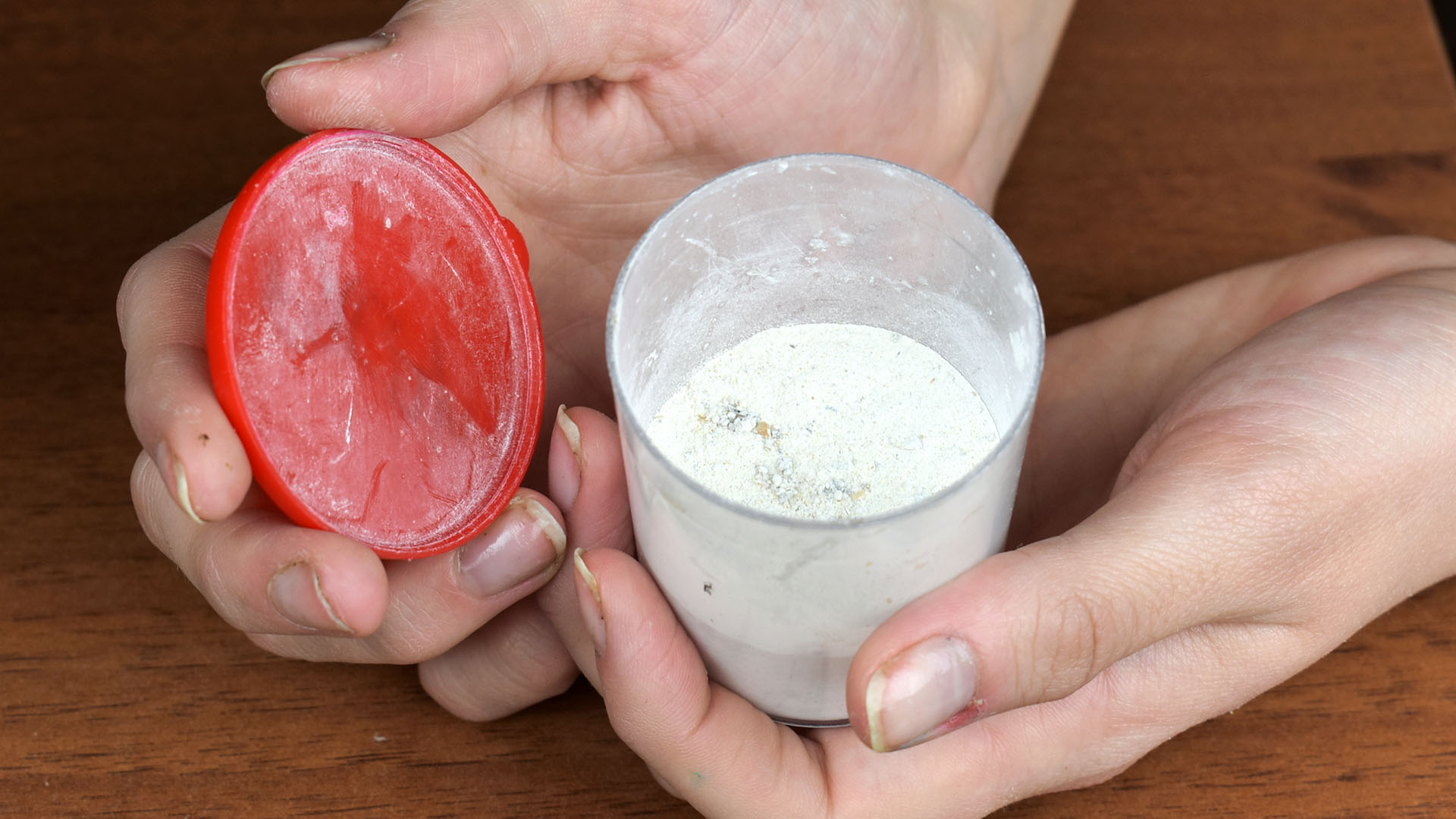
Leopard geckos need calcium support, and this is not the place for freestyle improvisation. Feeder insects are often dusted with calcium powder before feeding. Many keepers also use vitamin D3 and multivitamin products, but the exact schedule depends on your setup, the supplement label, and whether your gecko has access to appropriate lighting and veterinary guidance.
A practical rule is this: growing geckos usually need supplements more often than healthy adults, and supplements should be used consistently rather than randomly whenever you remember at 11:43 p.m. Dust the insects lightly, not like you are breading them for deep frying. Your gecko should eat the bug, not disappear in a supplement cloud.
It also helps to keep records. A simple note on your phone that says “calcium today, multivitamin on Sunday” can save you from the classic reptile-owner memory game. The goal is steady support for bone health, muscle function, and overall nutrition without overdoing it.
Step 7: Always Provide Fresh Water and Support Good Hydration
Yes, even desert-adapted animals need water. Leopard geckos should always have access to a shallow dish of clean, fresh water. This is not optional, decorative, or the reptile version of a fancy restaurant table candle. It is basic care.
Some feeder insects, such as hornworms, may add a bit of moisture to the diet, but they are not a replacement for drinking water. Hydration matters for general health, shedding, and appetite. A gecko that is dehydrated may eat poorly, shed badly, or just look generally unimpressed with life.
It also helps to maintain a proper moist hide in the enclosure. While that is not a feeding item, it supports hydration and healthy sheds, which indirectly affects appetite and comfort. A gecko that is shedding badly is often not in the mood for an energetic dinner chase.
Step 8: Create a Feeding Setup That Is Safe and Low-Stress
How you feed matters almost as much as what you feed. Some geckos love to hunt in the enclosure. Others do better with a feeding dish for worms so dinner does not burrow away like it is escaping prison. A dish can also help reduce accidental substrate ingestion, especially with loose or textured setups.
Do not leave uneaten insects roaming around forever. Crickets in particular can stress reptiles when left loose too long, especially overnight. Remove leftovers after the feeding session so the enclosure does not turn into a low-budget bug rebellion.
Temperature matters too. Leopard geckos digest best when the enclosure is properly heated. A gecko kept too cool may refuse food or digest poorly, which means a “feeding problem” sometimes starts as a husbandry problem. Before blaming your gecko for being picky, make sure the setup is doing its job.
Step 9: Watch Your Gecko’s Tail, Poop, Energy, and Appetite
Leopard geckos are not great at filing formal nutrition reports, so you have to read the signs. A healthy leopard gecko usually has a good body shape, a nicely filled tail, alert behavior, and a normal interest in food. The tail is especially important because it stores energy reserves. It should look full, but not like a cartoon sausage with legs attached.
Pay attention to poop as well, because reptile ownership is glamorous in very specific ways. Changes in stool, sudden weight loss, lethargy, or a long refusal to eat can signal stress, parasites, poor temperatures, illness, or a feeding routine that needs adjustment.
Some appetite fluctuations are normal, especially during shedding, seasonal slowdowns, or after environmental changes. But a gecko that stops eating and looks thinner, weaker, or dehydrated deserves closer attention and possibly a reptile veterinarian. “He’s just being dramatic” is not a medical diagnosis, even if it is occasionally true.
Step 10: Adjust for Real Life, Not Perfect Internet Fantasy
The best leopard gecko feeding plan is the one you can maintain consistently while still responding to the individual gecko in front of you. Some geckos are bold hunters. Some prefer a dish. Some will eat roaches immediately and treat mealworms like personal enemies. Others act as if crickets are offensive and worms are royalty.
You may need to adjust bug variety, feeding frequency, and presentation over time. A growing juvenile, a mature adult, a gecko recovering from stress, and a gecko that just moved to a new enclosure may all need slightly different handling. That is normal. Good reptile care is not robotic. It is observant.
So build your routine around these basics: live insects only, correct size, smart variety, gut-loading, supplementation, fresh water, proper temperatures, and close observation. Do that, and you will avoid most common feeding mistakes without needing a PhD in Bug Logistics.
Final Thoughts on How to Feed Leopard Geckos
If you remember nothing else, remember this: feed live, appropriately sized insects; rotate feeders; gut-load before meals; use calcium and vitamins responsibly; keep fresh water available; and watch your gecko’s body condition over time. That formula is far more effective than guessing, overfeeding, or treating waxworms like a major food group.
Leopard geckos are hardy, charming, and slightly judgmental pets. Once you establish a solid routine, feeding becomes one of the most enjoyable parts of keeping them. There is something oddly satisfying about watching a tiny spotted lizard lock onto dinner with laser focus and then strike like a miniature prehistoric legend. When the routine is correct, your gecko eats better, sheds better, and lives more comfortably. That is a pretty good payoff for buying bugs on purpose.
Extra: Practical Feeding Experiences Every Leopard Gecko Owner Eventually Learns
One of the most common experiences new keepers have is assuming their leopard gecko will eat exactly the way a care sheet says it should. Then reality shows up wearing tiny reptile slippers. Maybe your gecko ignores crickets but loves roaches. Maybe it only hunts when the room is quiet. Maybe it devours food for two weeks and then suddenly acts suspicious of every insect you offer. This does not always mean something is wrong. Often it means you are learning your gecko’s individual rhythm.
Many owners also discover that feeding enthusiasm changes with age. Babies and younger geckos often eat like they are training for the Bug Olympics. Adults are usually calmer and more selective. That shift can surprise people, especially when they are used to daily feeding. A slower appetite in a healthy adult does not automatically mean illness. Sometimes it simply means your gecko has graduated from “bottomless pit” to “discerning diner.”
Another real-world lesson is that convenience can quietly sabotage nutrition. It is very tempting to keep one feeder insect all the time and call it a system. Mealworms are easy. Crickets are common. Roaches are practical. But long-term success usually comes from rotation. Keepers who improve their gecko’s variety often notice better feeding response, more consistent body condition, and less mealtime boredom. Even a reptile can get stuck in a food rut.
Supplement routines are another area where experience matters. At first, dusting insects can feel like chemistry class with escape artists. Too little powder and you worry you are not doing enough. Too much powder and your insects look like powdered donuts with legs. Over time, most owners settle into a simple routine: keep supplements organized, follow a consistent schedule, and stop trying to do mental math every time a cricket walks by.
Hydration is also more noticeable in practice than it seems on paper. A gecko with fresh water, proper enclosure conditions, and a humid hide often sheds more cleanly and behaves more normally. When hydration slips, appetite sometimes slips with it. This is why experienced keepers rarely treat feeding as a totally separate issue. They know that food, heat, stress, hydration, and shedding all join the same messy little committee.
Then there is the emotional side of feeding, which no one mentions enough. Leopard geckos can make owners nervous. If they skip one meal, you start thinking in dramatic music. If they refuse a favorite insect, suddenly you are standing in front of the tank negotiating with a lizard. The calmer approach is usually the better one: review temperatures, look at body condition, consider recent changes, and watch for a pattern rather than panicking over one weird evening.
Perhaps the biggest experience-based lesson is this: consistency beats perfection. You do not need the most elaborate feeding ritual in reptile history. You need a reliable, safe, and nutritionally sound routine you can actually maintain. Feed the right bugs. Feed them at the right size. Prepare them properly. Keep the enclosure supportive. Watch your gecko like a thoughtful keeper rather than a nervous detective. That is how strong habits are built, and strong habits are what keep leopard geckos thriving for the long haul.