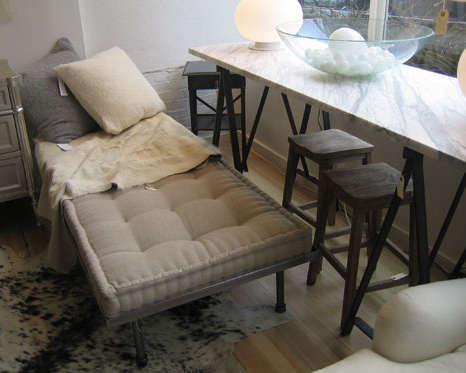
Note: This diary-style article is a factual retrospective. Ruby Beets’ beloved brick-and-mortar presence in Sag Harbor later transitioned to an online business.
Some shops sell furniture. Some shops sell a temporary personality, preferably one involving linen pants, a beach house, and the ability to pronounce “patina” without sounding nervous. Ruby Beets in Sag Harbor did something more interesting: it sold the feeling that every object in your home had lived a full, glamorous life before meeting you.
For years, Ruby Beets was one of those Hamptons design destinations that made ordinary shopping feel suspiciously inadequate. You did not simply walk in looking for a lamp. You entered a world where an old table could be more charismatic than most people at a dinner party, a vintage mirror could make a room feel like it had secrets, and a handmade ceramic bowl could convince you that your supermarket lemons deserved better housing.
This shopper’s diary revisits the spirit of Ruby Beets in Sag Harbor: its mix of vintage finds, custom furniture, art, lighting, decorative accessories, and collected objects that refused to be boring. It is also a reminder that great design shopping is not always about finding the most expensive item. Sometimes it is about discovering the one piece that makes the rest of your home sit up a little straighter.
Ruby Beets: A Sag Harbor Design Institution
Ruby Beets became known for blending old and new with impressive confidence. The shop’s inventory moved easily between antiques, contemporary furniture, original art, lighting, handwoven rugs, ceramics, tabletop pieces, mirrors, upholstery, and odd little treasures that were difficult to explain but impossible to ignore.
The shop was founded by Sharone Einhorn and later operated with Honey Wolters, two creative forces whose backgrounds included fashion, prop styling, interior design, visual display, vintage clothing, and plenty of other pursuits that sound like the beginning of an excellent cocktail-party story. Their shared eye helped create an atmosphere that felt layered rather than staged.
That distinction matters. A staged room looks good in a photograph. A layered room looks like someone intelligent, curious, and mildly dangerous might actually live there. Ruby Beets understood that homes become memorable when they combine pieces from different decades, materials, cultures, and moods.
Why Ruby Beets Stood Out in Sag Harbor
Sag Harbor has long attracted artists, collectors, decorators, sailors, weekend visitors, and people who can identify a nineteenth-century chair from across the street. The village’s history as a port town and summer destination gave it a natural relationship with objects that have traveled, aged, and acquired stories along the way.
Ruby Beets fit that setting beautifully. It was not a showroom built around one predictable look. Instead, it offered a mix of rustic, refined, practical, theatrical, vintage, modern, and handmade pieces. The experience encouraged shoppers to think beyond matching sets and catalog-perfect rooms.
In other words, Ruby Beets was not interested in helping you build a house that looked like every other house on your Pinterest board. It invited you to create a home with a pulse.
The Charm of Collected Interiors
A collected interior feels as though it developed over time. It includes a few inherited pieces, a few useful basics, a few unexpected finds, and at least one item that guests will ask about immediately. It does not require a museum-sized budget, although a museum-sized budget would certainly not hurt anyone’s feelings.
Ruby Beets embraced this approach by putting contrasting objects in conversation. A contemporary sofa could sit near a weathered antique table. A sleek lamp might stand beside an old wooden chest. A simple white ceramic bowl could be displayed alongside more elaborate objects, proving that quiet pieces often do the heavy lifting.
The lesson for shoppers is simple: do not buy everything from one place, one era, or one mood. A home should not look as though it arrived in a single delivery truck wearing matching socks.
A Shopper’s Guide to the Ruby Beets Look
Even though the former Sag Harbor storefront is no longer operating in the same way, the Ruby Beets approach remains relevant for anyone shopping for vintage furniture, Hamptons-inspired interiors, artisanal home décor, or pieces with more character than a plain beige sectional.
Start With One Anchor Piece
Great rooms often begin with one strong object. It might be a vintage dining table, a sculptural lamp, a large mirror, a handwoven rug, or a deep upholstered sofa that practically begs you to cancel your plans.
Choose something that has visual weight and emotional pull. The best anchor pieces are not necessarily loud. They simply make the room feel more intentional. A worn wooden table, for example, can add warmth to a modern kitchen. A vintage floor lamp can make a plain reading corner feel like a scene from a movie in which everyone drinks better coffee.
Mix Materials Without Creating a Yard Sale
There is a fine line between a collected room and a room that looks as though a furniture truck lost control on the highway. To create balance, mix materials with purpose.
Pair smooth surfaces with textured ones. Combine wood with glass, linen with leather, metal with ceramics, or woven fibers with painted furniture. The point is not to add more things. The point is to make the things you already have feel more alive.
For example, a modern white sofa can feel warmer with an antique side table. A sleek dining room can become more inviting with handmade pottery. A plain bedroom can gain depth with a vintage bench, an aged mirror, or a rug that looks as though it has survived a few dramatic conversations.
Let Vintage Pieces Do the Talking
Vintage furniture is not just furniture with wrinkles. It often carries craftsmanship, proportion, and material quality that can be difficult to find in mass-produced pieces. A vintage cabinet may have hand-cut details. An old mirror may have imperfect glass that reflects light more softly. A weathered chair may have a silhouette so good that even a new fabric cannot hide its confidence.
When shopping vintage, inspect the basics carefully. Check drawers, joints, legs, surfaces, and signs of repairs. Ask about provenance when possible. Measure twice, especially before buying something large. Many beautiful old pieces have one small flaw: they are enormous.
Nothing tests a design plan quite like discovering that your dream armoire cannot make the turn up your staircase.
Furniture, Art, and the Importance of the Unexpected
Ruby Beets became memorable because it treated furniture and accessories as parts of a larger story. A room was not just a place to put a sofa. It was a setting for daily life: late breakfasts, muddy shoes, family photographs, borrowed books, holiday dinners, and the occasional attempt to look organized five minutes before guests arrive.
That is why art and decorative objects matter. They provide the smaller notes that make a room personal. A framed photograph, a handmade vase, an antique box, or an unusual wall light can change the mood of a space without requiring a major renovation or a dramatic conversation with your credit card company.
Art Should Feel Personal, Not Performative
Art does not need to match your curtains. In fact, it usually should not. The best pieces create contrast, memory, curiosity, or emotional resonance. A moody photograph can sharpen a pale room. A colorful painting can wake up a quiet hallway. A small drawing can make a bookshelf feel less like storage and more like evidence that a human lives there.
Ruby Beets carried art and photography alongside furniture and decorative objects, reinforcing an important design truth: a home is more convincing when it includes things that are there simply because you love them.
Accessories Are the Jewelry of a Room
Accessories should not be an afterthought. They are the jewelry of a room: useful in moderation, powerful in the right place, and capable of making everything else look more polished.
Think of pottery, books, trays, baskets, candles, sculptural objects, and textiles as opportunities to add personality. A handmade bowl can turn a dining table into a centerpiece. A stack of art books can make a coffee table less lonely. A woven basket can hide clutter while making you look like the sort of person who has a calm relationship with clutter.
How to Shop for a Home With More Character
The Ruby Beets mindset can be used anywhere, whether you are browsing an antique market, searching online for vintage lighting, visiting an estate sale, or wandering into a small local shop with no plan and dangerous optimism.
Buy Slowly When You Can
Fast furniture is tempting. It arrives quickly, looks fine, and promises to solve your empty-room problem by Thursday. But thoughtful interiors usually take time. Buying slowly gives you room to learn what your space needs and what you genuinely love.
Instead of filling every corner immediately, leave some breathing room. A room that feels unfinished for a few months may eventually become far more interesting than one completed in a single weekend.
Choose Meaning Over Perfection
Not every piece must be flawless. A little wear, uneven glaze, faded paint, or repaired wood can make an object more compelling. Perfection is useful in spreadsheets and dental records. In interiors, a bit of imperfection often creates warmth.
Look for the piece that makes you pause. It may not be the most practical, trendy, or inexpensive option. But if it gives you a small spark of excitement, it may be the item your room has been waiting for.
Know When to Walk Away
Good shoppers also know when to leave empty-handed. A beautiful object that is wildly overpriced, poorly made, too large, or totally wrong for your life is still wrong for your life. You are not required to rescue every charming chair with a cracked seat simply because it looks like it once belonged to a novelist.
Take photos. Measure. Sleep on it. Then return if the piece continues to haunt you in a healthy, design-related way.
Ruby Beets and the Legacy of Sag Harbor Shopping
Ruby Beets remains part of the larger story of Sag Harbor design. The village has long offered a mix of historic architecture, coastal atmosphere, artistic energy, antique shopping, and easy access to the broader Hamptons design world. That mix creates the perfect setting for shops that value storytelling, craftsmanship, and the thrill of the unexpected.
The physical shop may have moved on, but the ideas behind it continue online and in the homes of people who learned to appreciate the magic of mixing eras. Ruby Beets showed that an interior could be elegant without being stiff, eclectic without being chaotic, and beautiful without looking like it was assembled by committee.
That may be its most lasting contribution. It gave shoppers permission to trust their eye, take a few risks, and bring home objects with enough personality to start conversations.
Additional Diary Pages: A Ruby Beets-Inspired Sag Harbor Shopping Experience
The following 500-word diary-style vignette is a creative reconstruction inspired by the documented character of Ruby Beets and Sag Harbor’s design culture.
I arrive in Sag Harbor with a coffee in one hand and a completely unrealistic belief that I will “just browse.” This is the kind of lie people tell before buying a vintage lamp, a hand-thrown bowl, and a chair that requires a small logistics team to transport.
The village feels calm in the way only a waterfront town can feel calm: old houses, salty air, boats in the distance, and streets that somehow make every tote bag look intentional. Sag Harbor does not rush you. It quietly encourages you to wander into one more shop, then one more after that, until you are carrying a receipt long enough to use as a scarf.
The Ruby Beets spirit is easy to imagine here. It is the feeling of finding a room where every object has earned its place. A battered French-style table might hold a stack of art books. A ceramic vessel might sit beneath a dramatic mirror. A soft upholstered chair might look as though it has spent the last fifty years listening to very good gossip.
What makes the experience memorable is not just the quality of the objects. It is the permission to notice them. In a world of quick scrolling and same-day shipping, slow shopping feels almost rebellious. You touch the grain of an old wooden table. You notice the uneven surface of a handmade bowl. You step back from a lamp and realize it is less of a lamp and more of a small personality crisis in brass.
There is a strange comfort in shopping this way. You are not trying to make your home look expensive. You are trying to make it look lived in, loved, and slightly difficult to copy. That is a much better goal.
Later, I picture the kind of home that might grow from a Ruby Beets-inspired day. It would have a clean sofa but not too clean. It would have a vintage table that had probably hosted a thousand meals before arriving in its current dining room. It would have a painted ceramic bowl full of fruit, mostly because a beautiful bowl makes even apples feel like they are participating in something important.
There would be books. There would be a lamp with a dimmer switch that everyone fights over. There would be a chair that no one is allowed to sit in because it is “decorative,” which is one of the more mysterious phrases in the English language.
Most importantly, the room would not be finished. Not really. The best rooms rarely are. They keep collecting little memories: a print found on vacation, a rug bought after too much debate, a vase given by a friend, a chair that survived three apartments and one regrettable paint color.
That is the pleasure of shopping with a Ruby Beets mindset. You are not buying a completed lifestyle. You are building a visual diary, one useful, beautiful, slightly eccentric object at a time.
Conclusion: The Lasting Appeal of Ruby Beets in Sag Harbor
Ruby Beets in Sag Harbor represented the joy of design shopping with imagination. Its mix of antiques, contemporary furniture, art, lighting, pottery, textiles, and decorative pieces demonstrated that homes are most compelling when they evolve over time.
Whether you are shopping online, visiting an antique market, styling a weekend home, or trying to make a small apartment feel more personal, the lesson is the same: choose pieces that tell a story. Buy what you love. Mix old with new. Leave room for surprise. And never underestimate the power of one excellent lamp.