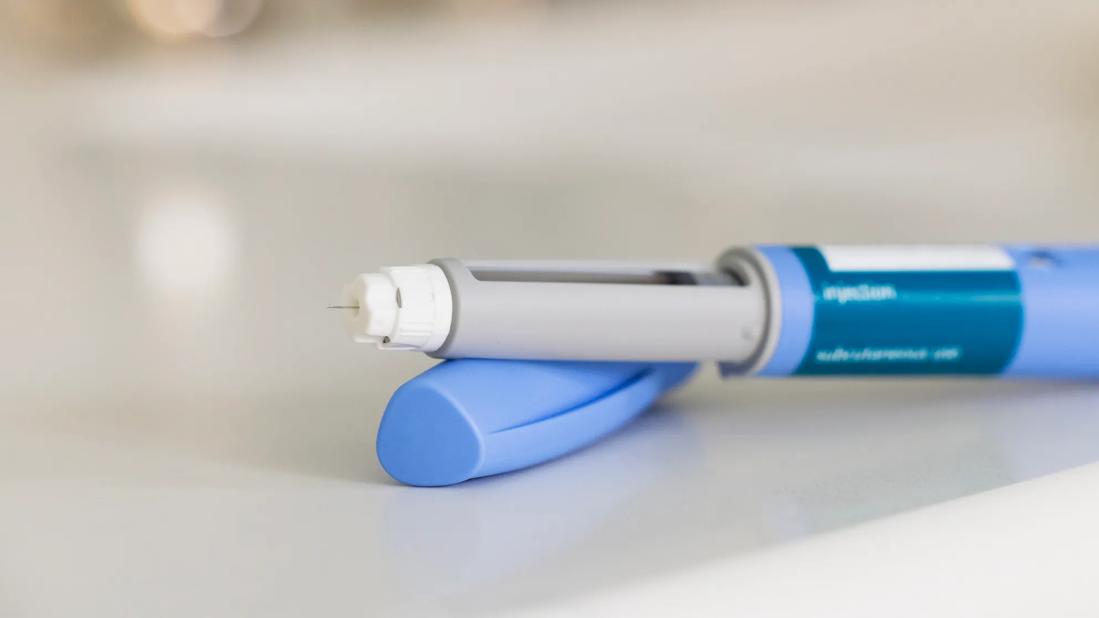
Note: This article is for general education only and is not a substitute for medical advice. Ozempic and other GLP-1 medications should only be used under the care of a licensed healthcare professional.
Ozempic has become the celebrity of prescription medications: famous, widely discussed, and somehow blamed for everything from smaller appetites to tighter jeans. But if you are wondering, “Will Ozempic work for me?” the honest answer is less TikTok and more biology, medical history, insurance paperwork, and a very real conversation with your doctor.
Ozempic is the brand name for semaglutide, a GLP-1 receptor agonist originally developed to help adults with type 2 diabetes manage blood sugar. Many people taking it also lose weight, which is why the medication has become a major topic in weight management. However, Ozempic itself is not FDA-approved solely for weight loss. Wegovy, another semaglutide medication, is approved for chronic weight management in people who meet specific medical criteria.
That distinction matters. Using Ozempic for weight loss is typically considered off-label unless it is prescribed for its approved diabetes-related uses. Off-label prescribing can be legal and medically appropriate, but it should never be casual, cosmetic, or done because someone on the internet said their jeans needed a belt.
What Is Ozempic, Really?
Ozempic belongs to a class of medications called GLP-1 receptor agonists. GLP-1 is a hormone your body naturally makes after eating. It helps regulate blood sugar, slows how quickly food leaves the stomach, and sends fullness signals to the brain. Semaglutide acts like this hormone, but it lasts longer in the body.
In plain English, Ozempic may help some people feel full sooner, stay full longer, experience fewer intense cravings, and improve blood sugar control. It is not a magic “fat-melting” shot. It does not sneak into the fridge at midnight and slap the spoon out of your hand. It changes appetite and metabolic signaling in ways that can make healthier habits easier to maintain.
Ozempic vs. Wegovy: Why the Name Matters
Ozempic and Wegovy both contain semaglutide, but they are approved for different purposes and used differently in medical care. Ozempic is approved for adults with type 2 diabetes to improve blood sugar control and may also reduce certain cardiovascular and kidney risks in specific patients. Wegovy is approved for chronic weight management when combined with a reduced-calorie eating pattern and increased physical activity.
For weight management, healthcare professionals often look at body mass index, also called BMI, along with health conditions such as high blood pressure, high cholesterol, type 2 diabetes, obstructive sleep apnea, or heart disease risk. BMI is not a perfect measurement, and it does not tell the whole story, but it is still commonly used as a screening tool.
In general, anti-obesity medications may be considered for adults with obesity, often defined as a BMI of 30 or higher, or adults with a BMI of 27 or higher plus at least one weight-related health condition. Your clinician may also consider waist circumference, lab results, medications, family history, eating patterns, pregnancy plans, and past weight-loss attempts.
How Much Weight Loss Can People Expect?
Clinical trials of semaglutide for chronic weight management have shown meaningful average weight loss for many participants. In the large STEP 1 trial, adults with overweight or obesity who received once-weekly semaglutide 2.4 mg plus lifestyle intervention lost an average of about 14.9% of their body weight over 68 weeks, compared with about 2.4% in the placebo group.
That sounds impressive, and it is. But averages are not guarantees. Some people lose more, some lose less, and some stop because of side effects, cost, access issues, or frustration. Real-world results can be smaller than clinical trial results because everyday life comes with birthdays, work stress, insurance denials, travel, medication shortages, and the occasional “I forgot vegetables existed this week” moment.
Weight loss also tends to slow over time. A plateau does not always mean the medication failed. It may mean your body has adjusted to a new lower weight. At that stage, the focus often shifts from rapid change to maintenance, muscle preservation, nutrition quality, and long-term health.
Will Ozempic Work for Me? Key Factors to Consider
1. Your Reason for Taking It
Ozempic or Wegovy may be more appropriate for people with medical reasons for weight management, such as obesity-related health risks or type 2 diabetes. They are not meant for quick cosmetic weight loss or for someone who wants to lose a few pounds before vacation. If the goal is “I want to look like a filtered celebrity by Friday,” the answer is noand also, please log off for a snack and some perspective.
2. Your Health History
Semaglutide is not right for everyone. People with a personal or family history of medullary thyroid carcinoma or multiple endocrine neoplasia syndrome type 2 are generally advised not to use semaglutide products. Doctors also use caution when someone has a history of pancreatitis, gallbladder disease, severe gastrointestinal problems, kidney issues related to dehydration, or certain medication interactions.
Pregnancy plans matter too. Semaglutide is not recommended during pregnancy, and patients planning pregnancy should discuss timing and medication changes with their healthcare provider well in advance.
3. Your Tolerance for Side Effects
The most common side effects are gastrointestinal: nausea, vomiting, diarrhea, constipation, stomach discomfort, bloating, burping, and heartburn. Glamorous? Not exactly. Effective medications sometimes arrive with the personality of a moody digestive system.
Many side effects improve as the body adjusts, but some people find them disruptive. Serious but less common risks can include pancreatitis, gallbladder problems, severe dehydration, kidney injury, and allergic reactions. Any severe abdominal pain, persistent vomiting, yellowing of the skin or eyes, or signs of dehydration should be treated as a reason to contact a healthcare professional promptly.
4. Your Eating Habits
Semaglutide can reduce appetite, but it does not automatically build a balanced plate. Some people eat so little that they miss protein, fiber, fluids, and micronutrients. That can increase fatigue, constipation, muscle loss, or hair shedding. A successful plan usually includes enough protein, strength-building activity, vegetables, hydration, and realistic meals.
Think of the medication as a volume knob for hunger, not a full nutrition plan. It can turn down the noise, but you still need to choose the music.
5. Your Activity Level
Exercise is not just about burning calories. It helps preserve muscle, supports insulin sensitivity, improves mood, protects bone health, and makes weight maintenance more realistic. Resistance training is especially important during weight loss because losing weight too quickly without strength work can mean losing muscle along with fat.
6. Your Budget and Coverage
Cost is one of the biggest real-life obstacles. Insurance coverage for GLP-1 medications can vary widely depending on the diagnosis, the specific medication, state rules, employer plan, prior authorization requirements, and whether the medication is prescribed for diabetes, cardiovascular risk reduction, or weight management.
Some patients stop treatment because of cost, coverage changes, or pharmacy access. Before starting, it is wise to ask your healthcare team and insurance plan about expected out-of-pocket costs, refill availability, and what happens if coverage changes later.
What Happens If You Stop?
This is one of the most important questions. Research shows that many people regain weight after stopping semaglutide, especially if lifestyle support is not strong. That does not mean treatment is pointless. It means obesity is a chronic, complex condition, not a 30-day challenge with a cute certificate at the end.
For many patients, long-term treatment may be part of the plan, just like long-term medication is used for high blood pressure or diabetes. Others may transition off medication with structured support. The best strategy depends on health goals, side effects, cost, medical risks, and whether sustainable habits are in place.
Who May Be a Good Candidate?
You may be more likely to benefit from a semaglutide-based medication if you have obesity or overweight with weight-related health conditions, have struggled with appetite regulation despite serious lifestyle efforts, have type 2 diabetes and need better blood sugar control, or have cardiovascular risk factors that your clinician believes may improve with weight reduction.
You may be less likely to be a good candidate if you are seeking short-term cosmetic weight loss, have a contraindication, are pregnant or planning pregnancy soon, have a history of certain serious gastrointestinal or pancreatic conditions, cannot access consistent medical monitoring, or are not prepared to make nutrition and activity changes.
Questions to Ask Your Doctor
Before considering Ozempic or Wegovy, bring specific questions to your appointment. Ask whether semaglutide is medically appropriate for your situation, whether Ozempic or Wegovy makes more sense, what benefits are realistic, what side effects should concern you, how your current medications may interact, and how treatment would be monitored over time.
You can also ask what alternatives exist. Other FDA-approved weight-management medications, lifestyle-based programs, nutrition counseling, behavioral therapy, and metabolic or bariatric surgery may be options depending on your health status. The best plan is not always the trendiest plan. Sometimes the least flashy solution is the one that actually fits your life.
Common Myths About Ozempic for Weight Loss
Myth 1: “Ozempic works for everyone.”
No medication works for everyone. Genetics, biology, lifestyle, dosage tolerance, sleep, stress, other medications, medical conditions, and adherence all influence results.
Myth 2: “If I take it, I do not need to change anything.”
Semaglutide works best when paired with a thoughtful eating plan, movement, sleep, and medical follow-up. It can help reduce hunger, but it cannot meal prep, lift weights, or cancel your 1 a.m. scroll session.
Myth 3: “The side effects mean it is working.”
Not necessarily. Nausea is common, but severe side effects are not a badge of honor. Treatment should be tolerable and medically supervised.
Myth 4: “Compounded versions are basically the same.”
Unapproved compounded GLP-1 products can carry quality, dosing, and safety concerns. The FDA has warned about fraudulent products and dosing errors with compounded semaglutide. Patients should avoid unverified online sellers and should only use medications prescribed and monitored by licensed healthcare professionals.
Practical Experiences: What It Can Feel Like in Real Life
People often describe the early experience of GLP-1 treatment as surprisingly quiet. Not physically quiet, of coursethe refrigerator still hums like it has secretsbut mentally quiet. The constant “what can I eat next?” background noise may soften. For someone who has spent years battling intense cravings, that change can feel almost unbelievable.
One common experience is learning that smaller portions feel satisfying. A person who previously needed a large dinner to feel full may find that half the usual amount is enough. This can be helpful, but it can also feel strange. Meals may become less emotional and more practical. Some people miss the pleasure of big meals at first, especially during holidays, family gatherings, or restaurant outings where everyone else seems to be performing Olympic-level breadbasket events.
Another experience is digestive negotiation. Greasy foods, oversized portions, or eating too quickly may trigger nausea or discomfort. Many patients learn to slow down, choose simpler meals, drink water steadily, and pay attention to fullness cues. This is where the medication can act like a strict but oddly effective coach. It does not yell, but your stomach may send a strongly worded email.
Social situations can also become complicated. People may comment on weight changes, ask personal questions, or make assumptions. Some patients feel proud and healthier; others feel uncomfortable being watched. A good rule is simple: nobody owes the world a medical explanation. Weight, medication, appetite, and health are personal topics, not open-mic night.
Emotionally, results can be mixed. Weight loss may improve mobility, energy, blood pressure, blood sugar, confidence, or joint comfort. At the same time, it may bring anxiety about regain, pressure to keep losing, or frustration when progress slows. That is why support matters. A clinician, dietitian, therapist, or trusted support system can help patients focus on health markers rather than turning the scale into a tiny rectangular judge.
Some people also discover that medication reveals habits rather than replaces them. If late-night snacking was mostly hunger, semaglutide may help. If it was stress, boredom, sadness, or poor sleep, the urge may still appear in a different costume. This is not failure. It is useful information. Long-term success often comes from combining appetite support with stress management, better routines, protein-rich meals, movement, and sleep.
Finally, many patients say the biggest lesson is patience. The healthiest results usually do not come from racing. They come from steady treatment, realistic goals, regular check-ins, and respect for the body. Ozempic or Wegovy may help some people lose weight, but the real goal is not simply becoming smaller. The better goal is becoming stronger, healthier, more energetic, and less trapped by hunger signals that feel impossible to control.
Conclusion: So, Will Ozempic Work for Me?
Ozempic may support weight loss in some people because semaglutide can reduce appetite, increase fullness, and improve metabolic signals. But Ozempic is not officially a weight-loss drug; it is approved for type 2 diabetes and related risk reduction. For chronic weight management, Wegovy is the semaglutide medication specifically approved for that purpose.
The right question is not simply, “Will it make me lose weight?” A better question is, “Is this medically appropriate, safe, affordable, sustainable, and supported by a long-term plan?” For some people, the answer may be yes. For others, another approach may be safer or more realistic.
Ozempic is not a shortcut around health. It is a prescription medication with benefits, risks, side effects, costs, and responsibilities. Used correctly, under medical supervision, semaglutide can be a powerful tool. Used casually, it can become another expensive reminder that biology does not care about internet hype.
If you are considering Ozempic for weight loss, talk with a qualified healthcare professional. Bring your medical history, your goals, your concerns, and your insurance questions. The best plan is not the one with the loudest buzz. It is the one that fits your body, your health, and your life.