Everyone has at least one music album that feels less like a collection of songs and more like a tiny emotional landlord living rent-free in the brain. Maybe it is the record you played on repeat during your first big heartbreak. Maybe it is the album that made you clean your room with suspiciously dramatic choreography. Or maybe it is simply the cover art you saw once and thought, “Yes, this understands my entire personality and my questionable taste in coffee.”
That is why a prompt like “Hey Pandas, post a picture of your favorite music album” works so well. It is not just asking people to share a cover image. It is inviting them to reveal a small, colorful, vinyl-shaped corner of who they are. Favorite albums are personal time capsules. They hold memories, moods, friendships, late-night bus rides, family road trips, bedroom concerts, and the occasional embarrassing air-guitar solo that must never leave the group chat.
In the age of streaming, playlists, short-form videos, and music recommendations that seem to know us a little too well, the album still matters. A great album has structure. It has pacing. It has artwork. It has an opening track that knocks politely, a middle section that rearranges the furniture, and a final song that either hugs you or emotionally throws you into a lake. Sharing a picture of a favorite album is a simple way to say, “This is the sound that shaped me.”
Why Favorite Music Albums Feel So Personal
A favorite music album is rarely chosen by logic alone. People do not usually say, “I selected this album after a balanced spreadsheet analysis of chord progressions, lyrical density, and snare drum crispness.” More often, they say, “I heard it at the exact right time.” That is the magic. Music attaches itself to memory faster than gum attaches to a sneaker.
One person’s favorite album might be a polished pop masterpiece full of glitter, hooks, and emotional confetti. Another person may choose a messy garage-rock record that sounds like it was recorded in a basement next to a washing machine with dreams. Someone else may post a jazz album, a country classic, a hip-hop landmark, a Broadway cast recording, a K-pop release, an indie folk gem, or a metal record that politely asks your speakers to file a complaint.
The beauty of the question is that there is no single correct answer. Favorite albums are not math tests. Nobody gets extra credit for choosing the “most important” record or the one that appears on every critic’s list. The best answer is the honest one. If the album helped you survive freshman year, made your road trip unforgettable, or convinced you that bass lines are a valid personality trait, it deserves a spot.
The Album Cover: A Tiny Poster For A Whole Universe
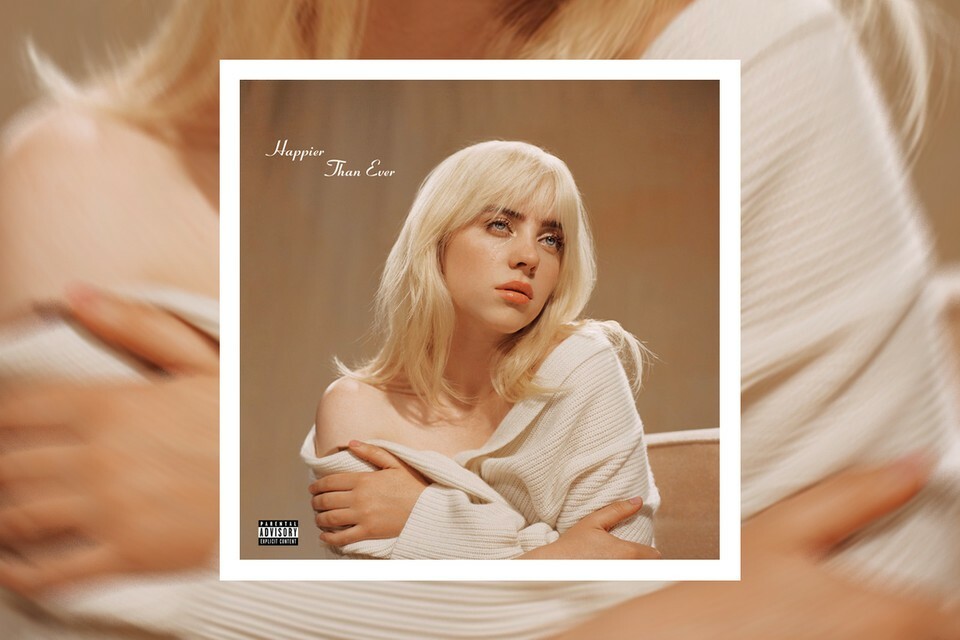
When people post a picture of their favorite music album, the cover becomes the first conversation starter. Album art has always been more than decoration. It is the visual front door to the sound inside. Before anyone hears a note, the cover gives them a clue: mysterious, glamorous, chaotic, dreamy, rebellious, minimalist, nostalgic, or “someone definitely had access to fog machines.”
Classic album covers often become cultural symbols because they are easy to recognize and hard to forget. A strong cover can turn a record into an object people want to hold, display, collect, and photograph. That matters even more now, when listeners often discover music through small digital thumbnails. The image has to work on a phone screen, a vinyl sleeve, a social post, and sometimes as a dorm-room personality declaration.
The Recording Academy’s decision to recognize album cover art as its own creative category shows how important visuals remain in music culture. In a world where songs travel quickly across apps and platforms, cover art still gives albums an identity. It says, “This is not just sound. This is a world. Please enter through the moody doorway.”
Why Albums Still Matter In The Streaming Era
Streaming changed how people listen to music. Listeners can jump between decades, genres, languages, and moods in seconds. One minute you are playing 1970s soul, the next you are listening to synth-pop, then suddenly a sea shanty appears because the algorithm had a dramatic morning. Yet despite the convenience of singles and playlists, albums continue to carry emotional weight.
Albums give artists space to build a complete idea. A single song can be a great snapshot, but an album can be a photo album, a diary, a movie, and a therapy session with drums. It lets musicians explore themes, shift moods, experiment with sounds, and tell stories across multiple tracks. That is why fans often talk about albums as “eras,” “journeys,” or “no-skip masterpieces,” which is the highest compliment in modern music language.
Physical formats also keep the album alive. Vinyl has made a serious comeback because many fans want a tangible connection to the music they love. Holding a record, reading liner notes, admiring artwork, and carefully placing the needle on the groove creates a ritual. It slows listening down. It turns an album from background noise into an event. Plus, vinyl shelves make people look about 37% more mysterious during video calls.
What Your Favorite Album Might Say About You
If You Choose A Classic Rock Album
You may have strong opinions about guitar solos and possibly own at least one shirt that has survived more life events than some small nations. Classic rock albums often carry a sense of scale: big choruses, big drums, big hair in some cases, and an even bigger belief that songs should occasionally last eight minutes because apparently nobody had anywhere else to be.
If You Choose A Pop Album
You understand the power of a chorus that enters the room wearing sunglasses. Pop albums can be joyful, vulnerable, sharp, theatrical, and surprisingly deep beneath the sparkle. A favorite pop album often says you appreciate emotional honesty, polished production, and the sacred art of singing into a hairbrush when no one is home.
If You Choose A Hip-Hop Album
You probably listen closely to words, rhythm, confidence, and storytelling. Hip-hop albums can capture a neighborhood, a generation, a political moment, or one artist’s private battle with ambition and identity. The best ones reward repeat listens because the lines keep unfolding. First listen: “Great beat.” Fifth listen: “Wait, that metaphor just picked my lock.”
If You Choose An Indie Album
You may enjoy music that sounds like it was made during a thunderstorm in someone’s emotionally complicated apartment. Indie albums often feel intimate, handmade, and oddly specific in the best way. They are perfect for people who like lyrics that mention kitchen lights, old sweaters, and feelings that do not yet have a legal name.
If You Choose A Jazz Album
You are either very cool, trying to become very cool, or own a lamp that creates “vibes.” Jazz albums invite listeners into improvisation, mood, and musical conversation. They are not always designed for quick background listening. They ask you to sit down, pay attention, and accept that the saxophone may be emotionally wiser than all of us.
If You Choose A Soundtrack Or Cast Album
You believe life should have themes, reprises, and possibly a dramatic ensemble number at the grocery store. Soundtracks and cast recordings connect music to story in a powerful way. A favorite film score, musical album, or game soundtrack can bring back entire scenes, characters, and feelings with just a few notes.
How To Share Your Favorite Music Album Picture
If you are answering the prompt, do not overthink it. Choose the album that immediately jumps into your mind. The one you defend. The one you recommend too aggressively. The one that makes your friends say, “Yes, we know. You love that album. You have mentioned it during breakfast.”
Then post the cover and add a short explanation. You might include when you first heard it, your favorite track, what mood it fits, or why the artwork stands out. The best responses usually combine image and story. A plain album cover is nice, but a personal memory turns it into something other people can connect with.
For example, instead of writing, “This is my favorite album,” try something like: “I found this album during a long summer when I did not know what I wanted next. Track four became my personality for three months.” That is specific, human, and just mysterious enough to make people curious.
Great Examples Of Albums People Often Love Sharing
Some albums are popular choices because they have unforgettable art, huge cultural impact, or a sound that still feels fresh years later. Fans often mention records like Rumours by Fleetwood Mac, Thriller by Michael Jackson, Nevermind by Nirvana, The Miseducation of Lauryn Hill, To Pimp a Butterfly by Kendrick Lamar, Abbey Road by The Beatles, Blue by Joni Mitchell, Back to Black by Amy Winehouse, and Lemonade by Beyoncé.
Of course, famous does not automatically mean favorite. A person’s favorite album might be a small local release, a forgotten CD from a parent’s car, or a digital album discovered at 2:13 a.m. during a heroic scrolling session. The emotional value of music does not always match its chart position. Sometimes the album that changes your life is not the one everyone is discussing. Sometimes it is the one that quietly finds you.
Why Community Album Posts Are So Fun
The phrase “Hey Pandas” gives the prompt a friendly, community-driven feeling. It sounds less like a formal survey and more like a bunch of music lovers gathering around a digital campfire, passing around album covers instead of marshmallows. That casual tone is important because music taste can feel personal. A relaxed invitation makes people more willing to share without worrying that a critic will leap from the bushes holding a clipboard.
Album-sharing posts are fun because they create instant discovery. One person posts a soul record. Another posts a punk album. Someone else shares a bedroom-pop release with artwork that looks like a dream had a garage sale. Suddenly the comment section becomes a music library built by real people, not just algorithms.
These posts also remind us how different listening habits can be. Some fans focus on lyrics. Some chase production details. Some fall in love with cover art first. Some choose albums based on nostalgia, while others choose whatever currently makes them feel like the main character walking through automatic doors. Together, the mix becomes more interesting than any single ranking.
How To Turn The Prompt Into A Better Conversation
If you want people to respond with more than just images, ask follow-up questions. What is the best song on the album? Which track gets skipped, if any? Where were you when you first heard it? Does the cover match the sound? Would you recommend it to a stranger, a best friend, or only someone who has already survived a very specific emotional arc?
You can also invite people to describe the album in three words. This often produces tiny masterpieces like “sad disco spaceship,” “coffee shop thunderstorm,” “glitter divorce anthem,” or “dad barbecue prophecy.” Music fans are poets when given just enough room to be ridiculous.
Another fun version is asking people to post the album cover that best represents their current mood. That changes the question from “What is your favorite?” to “What are you living inside right now?” The answer might be dramatic, funny, chaotic, peaceful, or all four before lunch.
The Deeper Meaning Behind A Simple Album Picture
A favorite album picture can say a lot without demanding a long confession. It can hint at where someone grew up, what they value, what comforts them, what energizes them, and what kind of sound makes them feel understood. Music is one of the easiest ways people translate private emotion into public language.
That is why album covers still travel so well online. They are visual, personal, recognizable, and easy to discuss. A single image can bring back a first concert, a family kitchen, a long drive, a school year, or a friend who introduced you to a band and then acted like they personally invented guitars.
In a noisy internet culture, this kind of prompt feels refreshingly simple. No debate required. No ranking system necessary. Just a picture, a memory, and maybe a comment section full of people saying, “Great choice,” “I forgot about this one,” or “How dare you awaken my 2014 emotions before dinner.”
Personal Experiences: Why Favorite Albums Stay With Us
The strange thing about favorite albums is that they often become attached to ordinary moments, not grand ones. A person might remember listening to an album while riding the bus to school, washing dishes after dinner, waiting at an airport, or lying on the floor because the bed suddenly felt too formal. Years later, one song starts playing and the whole scene returns with unnecessary cinematic detail.
I have always found that the albums people love most are rarely just about music. They are about timing. An album can arrive during a season when a person needs courage, comfort, noise, softness, or permission to feel a feeling they were trying very hard to ignore. That is why one listener may describe an album as “perfect” while another shrugs. The first person did not just hear it. They met it.
Sharing an album cover can also be a surprisingly brave little act. Music taste feels personal because it exposes our moods. Posting a favorite album is like saying, “Here is what my heart sounds like when it thinks nobody is taking notes.” That can be funny when the album is dramatic, sweet when it is nostalgic, and slightly alarming when the cover looks like a haunted art-school project. Still, it opens the door for connection.
One of the best parts of asking people for their favorite album pictures is watching how quickly conversations form. Someone posts a beloved rock album, and another person remembers hearing it with their dad. Someone shares a pop record, and suddenly three people are discussing the best bridge on the album like it is a matter of national infrastructure. Someone posts an obscure record, and a stranger says, “I thought I was the only one who loved this.” That tiny moment is internet gold.
There is also something special about album covers as memory triggers. Unlike a single song title, a cover image can bring back the full atmosphere of a time. The colors, fonts, faces, symbols, and design choices become linked to the listener’s personal history. Even if the album came out decades before someone was born, discovering it can still feel intimate. Good music ignores calendars. It simply walks in, drops its bag, and becomes part of your life.
Favorite albums can change, too. The record that defined one chapter may step aside for another. That does not make the old favorite less meaningful. It just means the soundtrack expanded. People grow, and their music libraries grow with them. Yesterday’s heartbreak album becomes tomorrow’s nostalgic classic. Today’s comfort album may become the one you revisit years later and think, “Wow, I really needed this back then.”
So when someone says, “Hey Pandas, post a picture of your favorite music album,” the best response is not about proving taste. It is about sharing a small piece of your story. Post the album that made you feel seen. Post the one with the cover you would frame. Post the one that turned a boring Tuesday into a movie scene. Post the one you still play when life gets too loud or too quiet.
In the end, the favorite album is not always the most famous, the most awarded, or the most critically adored. It is the one that keeps finding its way back to you. It is the one that still sounds like a place, a person, a season, or a version of yourself you want to remember. And honestly, that is worth posting.
Conclusion
A favorite music album is more than a cover image or a track list. It is a personal archive, a mood board, a memory machine, and sometimes a very stylish emotional support object. Asking people to post a picture of their favorite album creates a warm, funny, and surprisingly meaningful conversation about taste, identity, nostalgia, and discovery. Whether the album is a legendary classic or a hidden gem, the story behind it is what makes it unforgettable.
Note: This article was written as original web-ready content based on widely available real music-culture information, including album history, streaming-era listening habits, vinyl collecting trends, award recognition for albums and cover art, and fan community discussions.