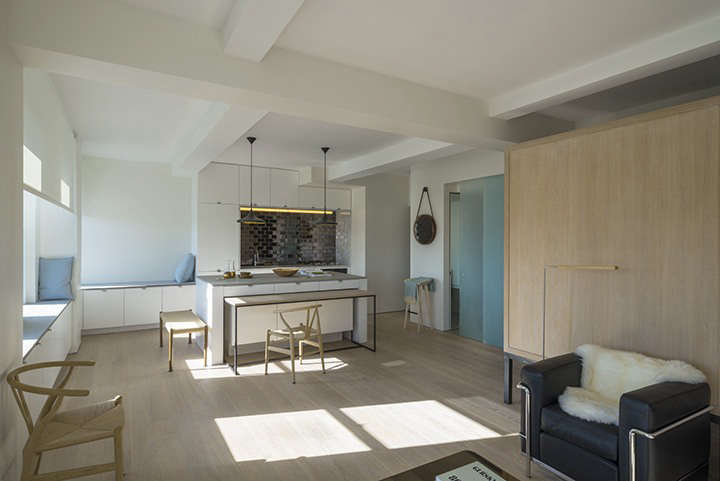
There are New York apartments, and then there are Central Park West residenceshomes that seem to understand they have a leading role before anyone even fluffs the pillows. On one side: the park, moody and cinematic in every season. On the other: the Upper West Side, with all its cultured confidence, architectural swagger, and quiet refusal to be trendy just for sport. A home here does not need to shout. It already has the windows.
That is what makes a Central Park West residence so fascinating from a design perspective. It is never just about square footage or a fancy address. It is about how architecture, light, history, and daily life are negotiated room by room. The best homes along this stretch do not erase the past, and they do not worship it either. They edit it. They soften it. They modernize it just enough so the apartment still feels elegant when someone drops a backpack in the foyer or reheats pasta at midnight.
In design terms, the ideal Central Park West apartment is a balancing act: prewar character with modern livability, grand rooms with human warmth, and statement views with interiors that know when to take a step back. If that sounds easy, it is not. Many apartments try very hard and end up looking like a museum with better plumbing. The good ones feel collected, intentional, and comfortably alive.
What Defines a Central Park West Residence?
The phrase usually calls up a familiar set of images: generous proportions, tall windows, formal entry galleries, detailed moldings, fireplaces, old-school hardwood floors, and rooms arranged with a level of confidence that modern developer layouts can only dream about. These homes often come with architectural bones so strong they can handle contemporary art, vintage furniture, sculptural lighting, or a surprisingly bold sofa without losing their sense of self.
But the real secret ingredient is not the millwork or the pedigree. It is the relationship to the park. A Central Park West residence borrows atmosphere from outside. Morning light feels softer. Winter trees become a monochrome mural. Spring does what spring does best and turns the view into free therapy. Even the palette choices inside many of these homes seem to acknowledge that the apartment has a permanent collaborator across the street: green, gold, bark brown, cloud gray, and the occasional glorious hit of blue.
That is why smart designers treat the windows as design anchors, not background decoration. Furniture stays low enough to preserve sightlines. Heavy partitions are removed when possible. Materials with a bit of reflectivitylacquer, stone, glass, polished metalhelp bounce daylight deeper into the apartment. In the strongest layouts, the most important rooms do not merely face the park; they participate in it.
The Entry: Setting the Mood Without Getting Overdramatic
A proper Central Park West entry should feel like an overture. Not a brass band, not a chandelier having a personal crisisjust a beautifully paced first impression. Because so many of these apartments begin with a foyer or gallery, the entrance is an opportunity to establish the tone of the home before the view does all the flirting.
That usually means restraint with character. Think limestone or plaster tones, dark wood, antique brass, a sculptural console, one arresting piece of art, and lighting that flatters everyone, including the person who ran upstairs because they forgot their phone. If the apartment retains original trim, door frames, or decorative hardware, even better. These details make the entrance feel rooted instead of generic.
Designers working in this style often use the entry as a bridge between old and new. A classic envelope may be paired with contemporary art, a custom banquette, or a bold mirror. It is a subtle but important move. The message is clear: yes, this is a historic apartment, but no, nobody here is serving cocktails in formalwear on a random Tuesday.
Living Rooms With a Point of View
If the entry is the overture, the living room is the headline act. In a Central Park West residence, this is usually where the apartment earns its reputation. The proportions are often generous, the ceilings cooperative, and the windows large enough to make guests go quiet for half a second. That silence is one of New York’s highest forms of praise.
The best living rooms here understand that the view is not competing with the furnishings. It is the star, and the room’s job is to support the performance. That does not mean bland. It means edited. A good Central Park West living room may feature a clean-lined sofa, deeply comfortable chairs, a vintage cocktail table, a pair of lamps with a little sculptural wit, and art that adds tension without visual shouting.
Color tends to work best when it feels informed by what is happening outside the windows. Soft neutrals create calm, while accents in moss, chartreuse, ocher, aubergine, ink, or oxblood keep the room from drifting into beige sleepiness. The effect should feel rich, not busy. This is not the place for twelve decorative objects that all desperately want to be noticed.
Another hallmark of these interiors is breathing room. Well-designed Central Park West apartments are often slightly under-furnished in the smartest possible way. Negative space lets the architecture read. It gives artwork more power. It makes the room feel expensive, even if one of the chairs came from an estate sale and has a backstory longer than your last relationship.
Dining Areas That Feel Civilized, Not Stiff
The dining room in a Central Park West residence is where old New York formality gets rewritten for contemporary life. Historically, these homes were built for entertaining with a little choreographyseparation between rooms, clear circulation, and enough wall space for a sideboard that looked like it had opinions. Today, those same spaces are being softened.
Instead of treating the dining room like a room reserved for holidays and guilt, designers now make it more flexible and intimate. A round or softly edged table can relax a rigid footprint. Upholstered dining chairs make lingering more likely. Textured walls, plaster finishes, and warm lighting give the room atmosphere even when nobody is staging a dinner party with place cards and fragile feelings.
There is also something especially satisfying about a dining room near park views. The outside landscape gives the room a seasonal rhythm, which makes even takeout look a little more intentional. One minute it is leafy and bright; the next it is all silver sky and bare branches, like the city hired a cinematographer just for dessert.
Kitchens That Stop Pretending They Are Showrooms
For years, luxury apartment kitchens drifted into a strange zone where they looked pristine but seemed fundamentally hostile to cooking. A well-resolved Central Park West interior tends to avoid that trap. Even when the finishes are exquisite, the best kitchens feel used, useful, and connected to the rhythm of the rest of the home.
That often means custom cabinetry with quiet detailing, natural stone with movement, concealed storage, and hardware that has weight without looking flashy. In older apartments, kitchens may be opened to improve flow or reoriented to borrow light from adjacent rooms. Pocket doors, interior glazing, and carefully placed millwork can define the kitchen without shutting it into exile.
Materially, the sweet spot lies between warmth and polish. Oak, painted cabinetry, softly honed marble, aged brass, and discreet integrated appliances tend to wear best in this context. The kitchen should not look like it landed from a spaceship. It should feel like it belongs to the apartmenteven if it now performs far better than the original version ever did.
Bedrooms and Bathrooms: Quiet Luxury, Actual Quiet
Bedrooms in Central Park West homes are often at their best when they lean into softness instead of drama. The architecture already provides gravitas. The room does not need a motivational mural or a bed that resembles a nightclub booth. What it needs is calm, texture, and the sort of lighting that makes early mornings feel less like an administrative error.
Layered textiles, upholstered headboards, subtle wall color, tailored drapery, and vintage or custom bedside pieces help create that feeling. Bedrooms facing the park especially benefit from simplicity, because the changing light outside does enough decorative work on its own. The room should feel like an exhale.
Bathrooms, meanwhile, are where many renovations reveal their true intelligence. In this category of residence, successful bathrooms usually mix classic forms with contemporary function: slab stone, enclosed showers, thoughtful storage, graceful metal finishes, and lighting that respects both architecture and skin tone. A bathroom here should feel polished, yes, but also restorativemore private spa, less marble panic room.
The Materials That Make the Look Work
Ask ten designers to describe a compelling Central Park West apartment and you will hear different vocabulary, but the material language is often surprisingly consistent. Wood is importantespecially oak, walnut, fumed finishes, and parquet or plank floors that bring depth. Stone matters too, though usually in a way that feels elegant rather than boastful. Plaster, linen, wool, leather, bronze, parchment, lacquer, and aged brass all appear regularly because they catch light beautifully and age with dignity.
Texture does a lot of the heavy lifting. Since many of these homes rely on restrained palettes, tactile contrast becomes essential. A matte wall next to glossy ceramic. Bouclé against velvet. A stone fireplace opposite a soft rug. Glass beside dark wood. These combinations keep quiet rooms from becoming sleepy and formal rooms from becoming fussy.
How to Bring This Style Home Without Owning a Central Park Address
1. Let the architecture lead.
If your home has original trim, arches, hardwood floors, or old doors, work with them instead of flattening everything into generic sameness.
2. Design around the best light source.
Every home has a version of the “park-facing window.” Find it and organize your primary seating, dining, or reading area around it.
3. Use fewer, better things.
Central Park West style is rarely about stuffing a room. Give the furniture room to breathe and let one or two standout pieces do the talking.
4. Mix polish with personality.
Add vintage finds, books, personal art, and objects with a story. A room should feel inhabited, not professionally intimidated.
5. Keep the palette grounded.
Neutrals become more memorable when they are layered with earthy greens, warm yellows, smoky blues, oxblood, or charcoal rather than defaulting to all-white everything.
Why the Central Park West Residence Still Captivates
What makes this kind of home endure is not just beauty. It is the combination of beauty and usefulness. These apartments were often built with ceremony in mind, yet the best renovations make them feel astonishingly relevant to modern life. They can host a crowded holiday meal, a school-night scramble, a quiet afternoon with a book, or a rainy Sunday that turns the entire living room into a front-row seat to the weather.
And that may be the real appeal. A Central Park West residence is glamorous, yes, but the most successful versions are not glamorous in a brittle way. They are warm, layered, practical, and deeply human. They know how to entertain, but they also know how to hold a life. In New York, that is not just good design. That is a minor miracle.
Experiences of Living in a Central Park West Residence
Living in a Central Park West residence is, above all, an experience of contrast. You step outside into one of the busiest, most ambitious cities on earth, and then return to rooms that feel strangely composed, almost cinematic in their calm. The park is a major part of that mood. It changes the emotional temperature of the apartment. On some mornings, the windows frame mist and soft gray light that make the living room feel like it belongs inside a black-and-white film. On other days, the trees are so vivid the entire apartment seems brighter before anyone turns on a lamp.
There is also the pleasure of ritual. Coffee tastes more serious near a big window. Reading in a chair by the glass feels less like killing time and more like participating in an old Upper West Side tradition of being intelligently unbothered. Even small domestic moments take on a little ceremony: opening the drapes, setting the dining table before sunset, watching weather roll across the park, hearing the muted city hum below while the apartment remains steady and self-contained.
Guests tend to react in a predictable sequence. First, they notice the architecture. Then they notice the view. Then they try to act normal about both. A good Central Park West home does that to people. It makes them stand straighter. It makes them lower their voice half a notch. But the best version of the experience is when the apartment gets past first impressions and reveals its deeper comfort. The sofa is actually soft. The kitchen works. The books are real. The rooms invite conversation instead of merely posing for it.
There is something deeply satisfying about how these residences hold both elegance and everyday mess. A child’s shoes by the door do not ruin the mood. A stack of design books on the coffee table feels exactly right. The apartment does not demand perfection; it rewards attention. Over time, that is what makes living here feel special. You begin to understand that luxury is not just stone counters or custom hardware. It is proportion. Light. Quiet. Storage that makes life easier. A bedroom that truly darkens at night. A dining room that can host a holiday and still feel welcoming on a random Wednesday.
Seasonality adds another layer. Autumn may be the show-off season, with the park turning into a patchwork of gold and russet. Winter is moodier and, in some ways, more beautifulbare branches, pale light, a sharper sense of the city’s structure. Spring brings relief and softness. Summer stretches everything open. Living with that cycle visible from your rooms creates a powerful feeling of connection. In a city that can sometimes feel like pure acceleration, a Central Park West residence offers rhythm.
And perhaps that is the lasting magic. A home like this does not merely provide shelter or status. It offers a perspectiveliteral and emotional. It reminds you that grandeur can coexist with comfort, that history can support modern life, and that a well-designed apartment can make ordinary routines feel a little more intentional, a little more beautiful, and a lot less like you are just surviving New York. In the end, that is the experience people are really after. Not just a famous address, but a home that makes the city feel both thrilling and livable at once.