Canker sores have a special talent: they are tiny, but they can make a sip of orange juice feel like a personal insult. These small mouth ulcers, also called aphthous ulcers, often show up on the inside of the lips, cheeks, tongue, or soft palate. They are not contagious, they are not the same thing as cold sores, and they usually heal on their own. Still, while they are hanging around, they can make eating, drinking, brushing, and even chatting feel much harder than it should.
The good news is that canker sore pain usually responds well to a few smart strategies. You do not need a dramatic 12-step ritual or a secret potion mixed under a full moon. In most cases, relief comes from doing three things well: calming the irritated tissue, protecting the sore from more friction, and avoiding the foods and habits that keep poking the bear.
In this guide, we will break down 3 ways to relieve canker sore pain in a practical, reader-friendly way. You will also learn what might be triggering your sore, how to make everyday activities more comfortable, and when it is time to stop self-treating and call a dentist or doctor.
What Is a Canker Sore, Exactly?
A canker sore is a small, shallow ulcer that forms inside the mouth. It often looks white, yellow, or gray in the center with a red border around it. Some people feel a burning, tingling, or tender spot before the sore fully appears. Once it arrives, it can hurt during meals, especially if you love crunchy chips, spicy salsa, or citrus fruit that bites back.
Common triggers may include:
- Minor mouth injury, such as biting your cheek or brushing too hard
- Stress or lack of sleep
- Acidic or spicy foods
- Dental appliances that rub the mouth
- Hormonal changes
- Sensitivity to certain toothpastes or foods
- Vitamin or mineral deficiencies in some cases
Most minor canker sores improve within 1 to 2 weeks. The goal is not only to wait them out, but to make that waiting period far less miserable.
Way #1: Soothe the Sore With Gentle Rinses and Cooling Relief
The first way to relieve canker sore pain is to calm the inflamed tissue. Think of your mouth like an annoyed roommate: the less you irritate it, the more peaceful the situation becomes. Gentle rinses and cooling methods can reduce stinging, wash away irritants, and make the area feel less angry.
Use a warm saltwater rinse
A simple saltwater rinse is one of the oldest and most common remedies for mouth soreness. It is not glamorous, but it is reliable. Warm saltwater can help keep the mouth clean while offering temporary comfort.
Try this basic method:
- Mix about 1 teaspoon of salt into 1 cup of warm water.
- Swish gently for 15 to 30 seconds.
- Spit it out. Do not swallow it.
- Repeat a few times a day if it feels helpful.
Yes, it may sting a little at first. Your canker sore is dramatic like that. But many people find the soreness eases afterward.
Try a baking soda rinse if your mouth feels extra acidic
Some people prefer a baking soda rinse because it may feel a bit gentler than salt. A mildly alkaline rinse can be useful when acidic foods or a sour-feeling mouth seem to worsen discomfort.
You can mix a small amount of baking soda into water, swish gently, and spit. This is not a magic wand, but it can be part of a good comfort routine.
Use ice chips or cool water for quick pain relief
If the sore feels hot, throbbing, or especially sensitive, cold can help. Letting an ice chip melt slowly near the sore may temporarily numb the area. Sipping cool water can also make a difference, especially before meals.
This is one of the easiest tricks for people who need fast relief before talking, eating, or heading into a meeting where they would prefer not to wince while saying “quarterly projections.”
Keep your mouth clean, but be gentle
Plaque, food debris, and harsh brushing can make a sore feel worse. Brush carefully with a soft-bristled toothbrush and use a gentle technique. If your toothpaste seems to burn, switching to a milder formula may help. Some people are sensitive to sodium lauryl sulfate, a foaming ingredient found in certain toothpastes, so a gentler alternative can be worth trying.
Way #2: Use Topical Products That Numb, Coat, or Protect the Sore
The second way to relieve canker sore pain is to place something directly on the sore that helps block discomfort or creates a protective barrier. This is where over-the-counter canker sore treatments often shine.
Topical numbing gels and liquids
Products made for mouth sores may contain ingredients that temporarily numb the sore. These can be especially helpful before meals or bedtime, when canker sore pain tends to feel the most rude.
When using a topical numbing product:
- Follow the package directions carefully
- Apply only as directed
- Avoid eating immediately if your mouth feels very numb
- Stop using it if it causes more irritation
For many adults, a topical anesthetic offers short-term but meaningful relief. It may not make you forget the sore exists, but it can turn a painful lunch into a manageable one.
Protective pastes, patches, or oral bandages
One underrated idea is to shield the sore from friction. Every time your tongue, teeth, or food rub against the ulcer, the pain can flare up again. Protective pastes and oral patches help cover the spot so it is less exposed.
This can be useful if the sore is in a high-traffic area, such as:
- Inside the lower lip
- Along the cheek line where teeth rub
- On the side of the tongue
A protective barrier does not always look glamorous, but neither does holding your face still because a tortilla chip just wrecked your afternoon.
Prescription treatments for severe pain
If the sore is unusually large, very painful, or keeps coming back, a dentist or doctor may recommend prescription treatment. This may include medicated rinses, topical corticosteroids, or other targeted therapies meant to reduce inflammation and improve comfort.
That does not mean every canker sore needs prescription help. Most do not. But if your pain is severe enough to interfere with eating, hydration, sleep, or daily function, it is reasonable to ask for more support.
Way #3: Avoid Food and Habit Triggers That Keep Re-Irritating the Sore
The third way to relieve canker sore pain is to stop accidentally making it worse. This is the part people often skip because it feels less exciting than applying a gel. But lifestyle adjustments matter. A lot.
Choose soft, mild foods while the sore heals
When your mouth hurts, your menu should work with you, not against you. Soft, cool, bland foods are often easier to tolerate than crunchy, spicy, or acidic ones.
Foods that are usually easier on a sore mouth include:
- Yogurt
- Oatmeal
- Mashed potatoes
- Smoothies that are not citrus-heavy
- Scrambled eggs
- Cottage cheese
- Soup that is warm, not piping hot
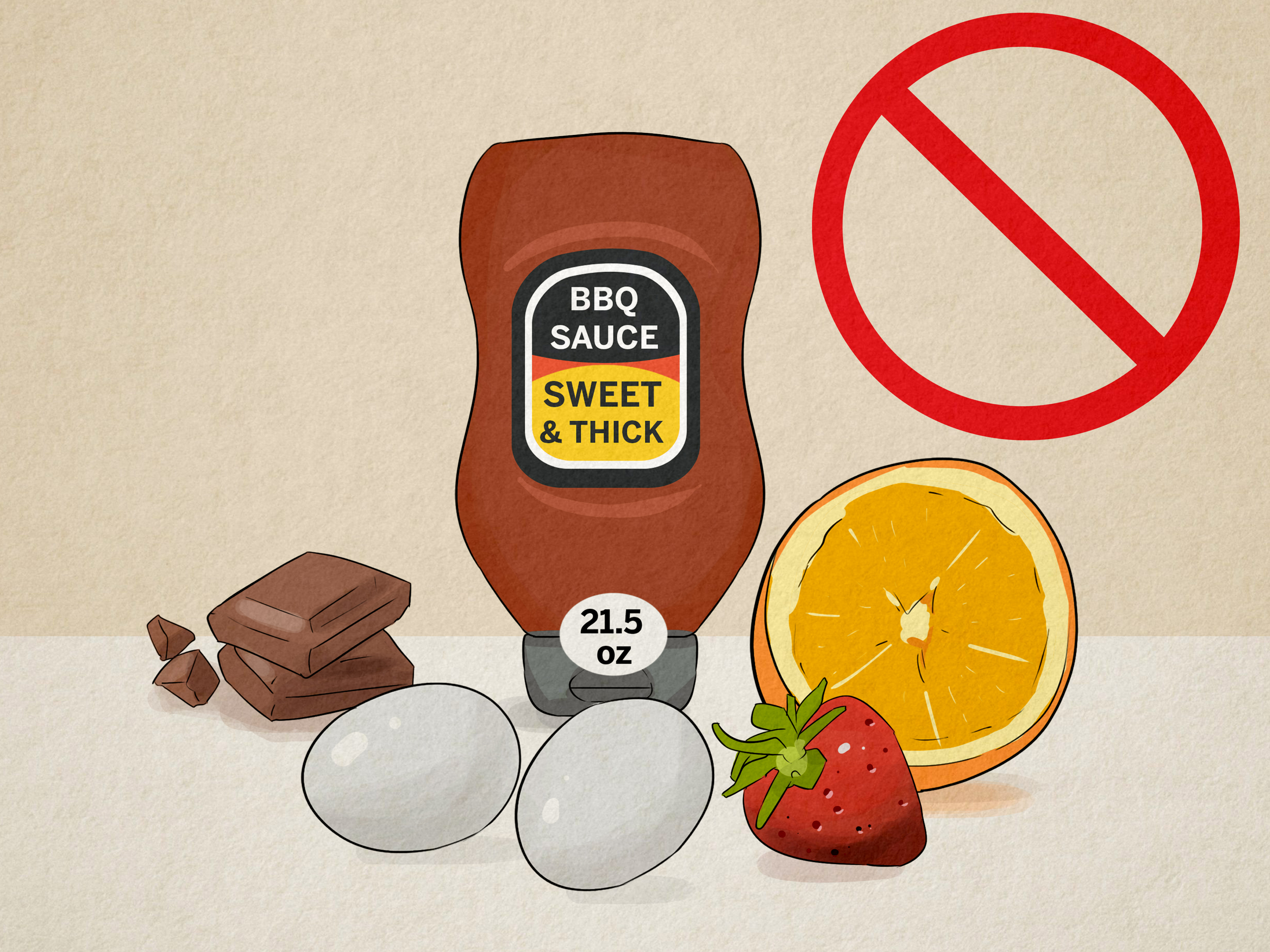
Foods and drinks that may make pain worse include:
- Orange juice, lemonade, and other acidic drinks
- Tomato-heavy sauces
- Hot peppers and spicy snacks
- Crunchy chips, crusty bread, or sharp crackers
- Very hot coffee or tea
Watch for mechanical irritation
Sometimes the sore is not only inflamed; it is also being bumped over and over again. Braces, dental retainers, rough fillings, or a sharp tooth edge can keep an ulcer irritated. If the sore keeps returning in the same spot, friction may be part of the problem.
In that case, pain relief is not just about soothing the ulcer. It is about fixing the reason your mouth keeps getting scraped in the first place.
Take stress seriously
Stress is one of those sneaky troublemakers that shows up everywhere, including your mouth. Many people notice canker sores during busy work periods, travel, exams, poor sleep, or emotional strain. That does not mean you can meditate a canker sore into outer space, but stress management may reduce how often they appear.
Small habits can help:
- Get enough sleep
- Stay hydrated
- Eat regular meals
- Take short breaks during high-pressure days
- Avoid absentminded cheek biting
How to Build a Simple Canker Sore Pain Relief Routine
If you want a realistic plan, here is one example of how to manage a minor sore during the day:
Morning
- Brush gently with a soft toothbrush
- Rinse with warm saltwater or a mild baking soda rinse
- Eat a soft breakfast that is not acidic or spicy
Afternoon
- Drink water regularly to avoid a dry mouth
- Use a topical numbing or protective product before lunch if needed
- Choose food that is soft and not too hot
Evening
- Rinse again after dinner
- Skip irritating snacks like chips or hot wings
- Apply a soothing product before bed if pain flares at night
That is it. Not glamorous. Very practical. Usually helpful.
When to See a Dentist or Doctor
Most canker sores are minor, but some situations call for professional care. You should reach out to a healthcare professional if:
- The sore lasts longer than about 2 weeks
- The pain is severe or keeps getting worse
- You have trouble eating or drinking
- You get frequent outbreaks
- The sore is unusually large
- You also have fever or feel unwell
- You think a dental issue is repeatedly irritating the same spot
Recurrent or stubborn sores can sometimes be linked to nutritional deficiencies, immune conditions, gastrointestinal disease, medication effects, or other issues that deserve a proper evaluation. So if your mouth keeps sending the same complaint ticket, it is smart to investigate why.
Common Mistakes That Can Make Canker Sore Pain Worse
- Eating “just one” spicy snack: your canker sore will remember.
- Using a hard toothbrush: more friction usually means more pain.
- Ignoring hydration: a dry mouth often feels more irritated.
- Trying harsh DIY hacks: if it burns aggressively, it is probably not helping.
- Brushing or scraping directly over the sore: this tends to restart the pain cycle.
Conclusion
When it comes to 3 ways to relieve canker sore pain, the best approach is refreshingly simple. First, soothe the area with gentle rinses and cooling relief. Second, use topical products that numb, coat, or protect the sore. Third, avoid the foods and habits that keep irritating it. Most minor canker sores improve with time, but those few days can feel much easier when you manage the pain strategically.
The secret is not finding the loudest remedy on the internet. It is combining smart, low-drama habits that reduce irritation and help your mouth heal. In other words: less chaos, more comfort.
Experiences Related to Canker Sore Pain: What People Often Go Through
Anyone who has had a canker sore knows the experience is weirdly disproportionate. The sore may be tiny, but it can dominate the day like an overconfident group project partner. Many people first notice it as a tender patch while brushing their teeth. At that stage, it seems minor. By lunchtime, though, the same spot can turn a perfectly innocent sandwich into a bad life choice.
One very common experience is the “surprise sting” moment. A person feels mostly fine, takes a sip of orange juice, bites into a tomato, or grabs a handful of salty chips, and suddenly the sore lights up. That instant sharp pain often teaches people faster than any medical article ever could. It is usually the moment they realize the mouth ulcer is going to require a little strategy, not just denial.
Another familiar experience happens at work or school. Talking a lot can make the sore feel more irritated, especially if it is on the side of the tongue or inside the lip. Some people notice that by the end of the day, after meetings, phone calls, presentations, or classes, the sore feels much worse than it did in the morning. It is not always because the ulcer got bigger. Often, it is simply because the tissue kept rubbing against teeth or moving constantly while speaking.
Meals are where canker sore pain really starts to feel personal. Many people shift to soft foods without even planning to. Yogurt suddenly becomes a hero. Mashed potatoes earn respect. Smooth oatmeal stops seeming boring and starts feeling like emotional support. On the flip side, crusty bread, spicy takeout, and fizzy drinks can become temporary enemies. People often describe feeling frustrated that such a small sore can dictate what they eat for several days.
There is also the bedtime problem. During the day, people are distracted. At night, they are not. A sore that was merely annoying at noon can feel much more intense when everything is quiet. This is why many people like using a soothing rinse or topical product before bed. It is not only about treatment. It is about getting a break from the constant awareness that there is a tiny rebellion happening inside the mouth.
Then there is the emotional side. Recurrent canker sores can be discouraging. People who get them during stressful weeks often start to notice a pattern: poor sleep, rushed meals, too much coffee, too little water, and then boom, another sore. Recognizing that pattern can actually be empowering. It helps people realize that pain relief is not only about what they put on the sore, but also about how they care for themselves before the next one shows up.
In the end, the most relatable experience is relief itself. The first day the sore stops stinging during meals feels amazing. The moment you drink water without flinching feels oddly victorious. It is a small win, sure, but when canker sore pain has been bossing you around for a week, small wins feel pretty great.