Important safety note: This guide is written for homeowner education and safe troubleshooting only. Electrical work can cause shock, fire, property damage, or serious injury when done incorrectly. If you are under 18, rent your home, see sparks or burn marks, smell burning plastic, hear buzzing, find warm outlets, or feel unsure at any point, stop and ask a parent, guardian, landlord, or licensed electrician for help.
Introduction: When an Outlet Quits, Do Not PanicTroubleshoot Smart
An electrical outlet that suddenly stops working can feel like your house has developed a tiny, square-shaped attitude problem. Yesterday it powered your phone charger like a champ. Today it sits there doing absolutely nothing, as if electricity is optional. The good news is that many outlet problems are caused by simple issues: a tripped breaker, a GFCI outlet that needs resetting, a switched outlet, a bad plug, or an overloaded circuit.
The not-so-funny news is that outlets are part of your home’s electrical system, and that system deserves respect. A “quick fix” is only quick when it is safe, legal, and done correctly. This article explains how to fix an electrical outlet by yourself in the safest practical sense: how to diagnose common outlet problems, what you can check without opening the wall, what warning signs mean “call a professional,” and how to prevent the same problem from coming back like a sequel nobody asked for.
The main keyword here is how to fix an electrical outlet by yourself, but the real goal is better: helping you understand when a dead outlet is a simple reset and when it is a job for a licensed electrician.
What Usually Causes an Electrical Outlet to Stop Working?
Before assuming the outlet itself is broken, remember that a receptacle is only one part of a larger circuit. Power may fail for several reasons, and not all of them live inside the outlet box. Common causes include:
- A tripped circuit breaker
- A tripped GFCI outlet upstream
- A wall switch controlling half or all of the outlet
- A faulty appliance, charger, lamp, or power strip
- Loose or damaged wiring hidden behind the wall
- A worn-out receptacle that no longer grips plugs tightly
- Overloaded circuits from high-wattage devices
- Moisture exposure in kitchens, bathrooms, garages, or outdoor areas
That list matters because “replace the outlet” is not always the right answer. Sometimes the outlet is innocent. Sometimes it is the victim. Sometimes it is the suspicious character wearing a fake mustache. Your first job is to investigate safely.
Step 1: Check Whether the Device Is the Real Problem
Start with the simplest test: plug a different small device into the outlet. Use something basic, such as a lamp or phone charger that you already know works. Then plug the original device into another working outlet.
If the second device works in the problem outlet, your outlet is probably fine and the first device may be faulty. If neither device works, continue troubleshooting. This step sounds almost too obvious, but many “dead outlet” mysteries are actually broken chargers, burned-out bulbs, or power strips that quietly retired without sending an email.
Step 2: Look for a Wall Switch That Controls the Outlet
Some outlets are “switched outlets,” meaning a nearby wall switch controls power to one or both plug openings. These are common in bedrooms, living rooms, and older homes where a switch was intended to control a lamp instead of a ceiling fixture.
Flip nearby switches and test the outlet again. If only one half of the outlet works, the other half may be switch-controlled. This is normal when designed that way. If the outlet used to work without the switch and now does not, keep investigating.
Step 3: Check the Circuit Breaker Panel
A tripped breaker is one of the most common reasons an outlet stops working. Go to your electrical panel and look for a breaker that sits between the “on” and “off” positions, or one that feels loose compared with the others.
To reset a tripped breaker safely, first unplug devices from the dead outlet and nearby outlets on the same circuit. Then move the breaker fully to “off” and back to “on.” If power returns and the breaker stays on, the issue may have been a temporary overload.
If the breaker trips again immediately, do not keep resetting it. A breaker that repeatedly trips is not being dramatic; it is doing its job. Repeated tripping may indicate overload, a short circuit, damaged wiring, moisture, or a faulty device. At that point, stop using the outlet and call a licensed electrician.
Step 4: Reset Nearby GFCI Outlets
A GFCI outlet, short for ground-fault circuit interrupter, is designed to shut off power quickly when it detects a ground fault. GFCI protection is especially important in bathrooms, kitchens, garages, basements, laundry areas, and outdoor spaces where water and electricity might meettwo things that should not become best friends.
Look for outlets with TEST and RESET buttons. Press RESET, then test the dead outlet again. Do not only check the same room. A tripped GFCI in a garage, bathroom, basement, or exterior outlet can sometimes cut power to outlets in another area downstream.
How to Test a GFCI Outlet Safely
Plug in a small lamp or nightlight. Press the TEST button. The lamp should turn off. Press RESET. The lamp should turn back on. If the test or reset function does not work, the GFCI may need replacement by a qualified adult or licensed electrician.
Monthly GFCI testing is a smart habit. Think of it like brushing your teeth, except the teeth are your electrical safety devices and nobody has to taste mint foam.
Step 5: Inspect the Outlet Without Touching Wiring
You can safely look at the outlet from the outside. Do not remove the cover plate or pull the outlet from the wall unless you are legally allowed, properly trained, and the power has been confirmed off with the correct tester.
From the outside, check for these warning signs:
- Brown or black burn marks
- A melted or cracked faceplate
- A burning smell
- Sparks when plugging in a device
- Buzzing, sizzling, or popping sounds
- Plugs that fall out easily
- An outlet that feels warm or hot
If you notice any of these signs, stop using the outlet immediately. Turn off the breaker if it is safe to do so and contact a licensed electrician. A warm, buzzing, scorched, or loose outlet is not a “maybe later” problem. It is your wall trying to send a strongly worded letter.
When Can You Fix an Electrical Outlet by Yourself?
The safest DIY fixes are the ones that do not expose wiring. You may be able to solve the problem yourself when the issue is:
- A tripped breaker that resets once and stays on
- A tripped GFCI that resets normally
- A switched outlet controlled by a wall switch
- A faulty lamp, charger, appliance, or power strip
- An overloaded circuit caused by too many plugged-in devices
In these cases, the “fix” is not really repairing wiring. It is restoring power safely, reducing load, or identifying a bad device. That still counts as useful DIY troubleshooting, and it is often enough to bring the outlet back to life.
When Should You Call a Licensed Electrician?
Call a licensed electrician if the outlet remains dead after basic troubleshooting, if multiple outlets stop working, or if you see any signs of heat, damage, moisture, buzzing, sparks, or burning. You should also call a professional if the breaker keeps tripping, if the home has old two-prong outlets, aluminum wiring, knob-and-tube wiring, or if you are unsure whether the circuit is grounded.
Also call a pro when replacing or upgrading outlets in kitchens, bathrooms, garages, basements, laundry rooms, outdoor areas, or anywhere local electrical code may require GFCI, AFCI, tamper-resistant, or weather-resistant protection. Electrical codes exist because electricity is very useful and very uninterested in forgiving mistakes.
About Replacing an Outlet: What Homeowners Should Know
Many online guides explain how to replace a receptacle, but this job is not appropriate for everyone. A correct replacement requires turning off power at the breaker, verifying the power is off with a reliable voltage tester, identifying hot, neutral, and ground conductors, matching the outlet rating to the circuit, securing connections properly, and following local electrical code.
A standard household outlet may be rated for 15 amps or 20 amps, and the replacement must match the circuit and wiring. GFCI outlets also have line and load terminals, and reversing them can cause the outlet or downstream protection to fail. Outdoor outlets may require weather-resistant devices and in-use covers. In many locations, rental properties and certain repairs must be handled by licensed professionals.
If you are not trained and confident, do not open the outlet box. The safer DIY move is to diagnose the obvious causes, document what you found, and bring in a professional for the actual wiring repair. That approach may not feel heroic, but neither does explaining to your insurance company that you “mostly remembered a video.”
How to Prevent Outlet Problems in the Future
Do Not Overload Outlets
High-wattage appliances should usually be plugged directly into a wall outlet, not into extension cords or overloaded power strips. Space heaters, hair dryers, microwaves, toaster ovens, and similar devices draw a lot of power. If a breaker trips when one of these runs, the circuit may be overloaded.
Use Extension Cords Temporarily Only
Extension cords are not permanent wiring. If you rely on one every day, that is a sign you may need another properly installed outlet. Running cords under rugs, behind furniture, or through doorways can create heat buildup and damage.
Replace Loose or Worn Outlets Promptly
If plugs slip out easily, the internal contacts may be worn. Loose plug contact can create heat, arcing, and unreliable power. A worn outlet should be evaluated and replaced by a qualified person.
Use Tamper-Resistant Receptacles
Tamper-resistant receptacles have internal shutters that help prevent objects from being inserted into the slots. They are commonly required in new and renovated homes and are especially important in homes with children.
Test GFCI Outlets Monthly
Pressing the test and reset buttons on GFCI outlets helps confirm they still work. If the device does not shut off during testing or does not restore power after reset, replace it through a qualified electrician.
Common Outlet Problems and What They Mean
The Outlet Is Dead but the Breaker Is Not Tripped
This often points to a tripped GFCI elsewhere, a switched outlet, a loose connection, or a failed receptacle. Start with safe checks: test another device, check switches, reset GFCIs, and inspect the breaker. If power does not return, call a professional.
Only One Outlet in the Room Works
Multiple outlets may be connected on the same circuit. If one upstream device fails or a GFCI trips, outlets downstream may lose power. This can be confusing because the problem may not be located at the dead outlet itself.
The Outlet Sparks
A tiny spark when plugging in certain devices can sometimes happen, but repeated sparks, loud pops, scorch marks, or heat are warning signs. Stop using the outlet and get it inspected.
The Plug Feels Loose
A plug that droops or falls out indicates worn internal contacts. Do not ignore this. Loose connections can create heat and unreliable contact.
The Outlet Works Sometimes
Intermittent power may signal a loose connection, failing receptacle, damaged cord, or upstream wiring issue. Because intermittent electrical problems can be difficult and risky to diagnose, this is usually a professional repair.
Tools for Safe Basic Troubleshooting
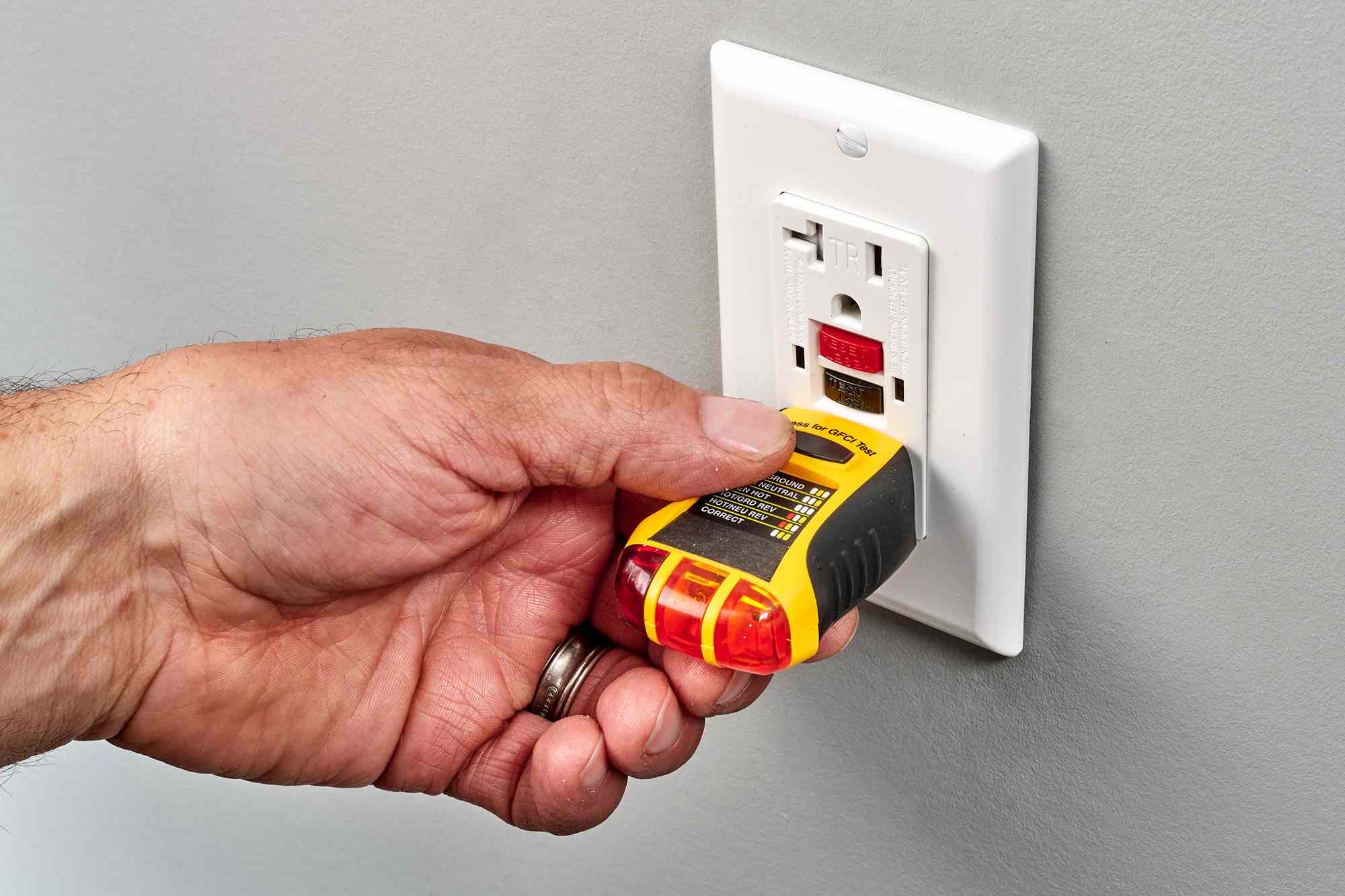
For safe, non-invasive troubleshooting, the most useful items are simple: a working lamp or nightlight, a phone charger you know is good, a flashlight, and access to the breaker panel. Adults who are trained in basic electrical safety may also use a plug-in outlet tester or non-contact voltage tester, but testers must be used correctly and should not create false confidence.
The most important “tool” is judgment. If the outlet looks damaged, smells hot, or behaves strangely, do not poke, pry, guess, or improvise. Electricity is not a great place for creative jazz.
Experience-Based Tips: What Real Outlet Troubleshooting Teaches You
After dealing with outlet problems in real homes, one lesson becomes clear: the obvious answer is not always the right answer. A dead bathroom outlet may be controlled by a GFCI in another bathroom. A garage outlet may be protected by an exterior GFCI hidden behind storage boxes. A bedroom outlet may be fine, but the wall switch controlling it may be off. The outlet gets blamed because it is visible, but the cause may be several feetor several roomsaway.
Another practical lesson is that labeling the breaker panel saves time and frustration. Many panels have vague labels like “lights,” “rooms,” or the mysterious “misc.” That is not helpful when half the kitchen loses power. When circuits are clearly labeled, troubleshooting becomes calmer and safer. You know which breaker serves which area, and an electrician can work faster if professional help is needed.
People also underestimate how often the plugged-in device is the real culprit. Chargers fail. Lamps have bad switches. Power strips wear out. Small appliances can trip protection devices. Testing with a known working device should always come before assuming the outlet is dead.
One of the biggest experience-based warnings is this: do not keep resetting a breaker that trips repeatedly. A breaker is a protective device, not an inconvenience button. If it trips again and again, something is wrong. Forcing it, taping it, or ignoring it can increase the risk of overheating or fire. The better move is to unplug devices, leave the circuit off if necessary, and call a licensed electrician.
Moisture is another common troublemaker. Outdoor outlets, garage outlets, bathroom outlets, and kitchen outlets live in tougher conditions than bedroom outlets. Rain, humidity, splashes, and condensation can trip GFCI protection or damage devices over time. If an outdoor outlet keeps failing, the fix may involve proper weather-resistant equipment, an in-use cover, sealed boxes, or improved GFCI protectionnot just another reset.
Loose plugs deserve attention too. Many homeowners ignore outlets that barely hold a plug, especially if the outlet still “works.” But a loose connection can generate heat and may become unsafe. If a plug does not sit firmly, that outlet should be replaced by someone qualified. It is a small repair compared with the risk of letting a worn receptacle continue working poorly.
Finally, outlet problems teach patience. The safest troubleshooting pattern is simple: test the device, check switches, check breakers, reset GFCIs, inspect for visible damage, and stop when the issue is no longer obvious. That last part matters most. Knowing when not to continue is not quitting; it is good home maintenance. A licensed electrician has meters, training, code knowledge, and experience with hidden wiring problems. Sometimes the smartest DIY fix is making the situation safe and calling the right person.
Conclusion: Fix the Simple Stuff, Respect the Dangerous Stuff
Learning how to fix an electrical outlet by yourself really means learning how to troubleshoot wisely. Many outlet problems are simple: a tripped breaker, a GFCI that needs resetting, a switched outlet, or a bad device. Those are reasonable checks for a careful homeowner.
But once the problem involves exposed wiring, repeated breaker trips, scorch marks, heat, buzzing, moisture damage, loose connections, or uncertainty, the safest answer is professional help. Your home’s electrical system is not the place to gamble. Fix what is clearly safe, stop when the warning signs appear, and remember: the goal is not just getting the outlet working again. The goal is getting it working safely.