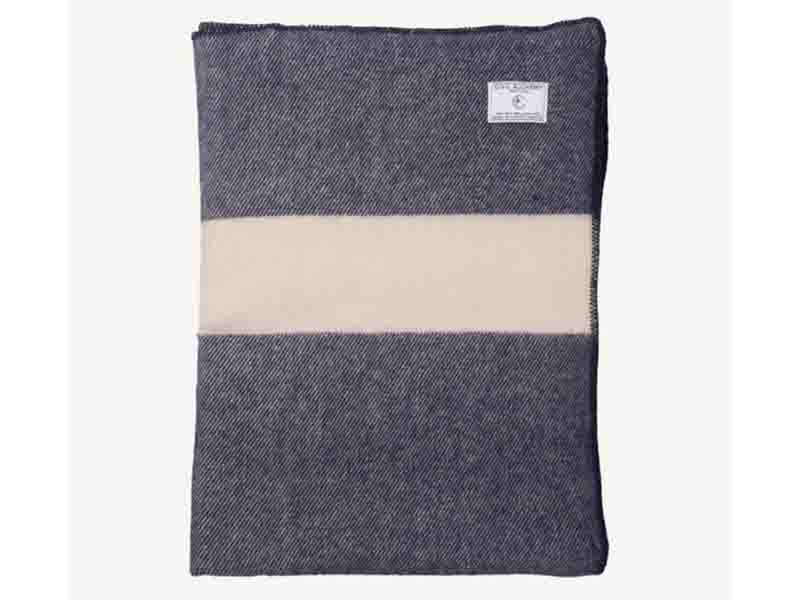
A good blanket should keep you warm without making you feel as though you have been shrink-wrapped for winter. Virgin wool blankets manage that balancing act remarkably well. They provide dependable insulation, release moisture, drape beautifully, and can remain useful for decades when treated properly.
They also bring a certain grown-up elegance to a room. A neatly folded wool throw suggests that you read hardcover books, understand fireplace maintenance, and never lose the matching lid to a food-storage container. Whether or not any of that is true is between you and your kitchen cabinet.
This guide explains what virgin wool actually means, how it differs from other wool materials, which features matter when shopping, and how to care for a blanket without accidentally turning it into an expensive placemat.
What Is a Virgin Wool Blanket?
Virgin wool is wool fiber that has not previously been spun, woven, felted, knitted, or incorporated into another manufactured product. Under United States labeling rules, the terms “virgin” and “new” may be used only when the described fiber is entirely new and has never been reclaimed from a used or previously manufactured wool product. In other words, the phrase refers to the fiber’s manufacturing history, not the sheep’s dating life.
A virgin wool blanket may be made from Merino, Rambouillet, Shetland, lambswool, or another type of sheep’s wool. “Virgin wool” describes the fiber’s newness, while names such as Merino describe the breed or fiber characteristics. Always check the complete fiber label rather than assuming every product with “virgin wool” in its description is identical.
Federal labeling requirements generally call for wool products sold in the United States to disclose their fiber content, country of origin, and the identity of the manufacturer or responsible marketer. This makes the sewn-in label one of the most useful parts of the blanket, even though it is usually the least glamorous.
Why Virgin Wool Blankets Remain Popular
They Provide Warmth Without Excessive Bulk
Wool fibers have a naturally crimped structure that helps create tiny pockets of insulating air within the fabric. These pockets slow the loss of body heat, allowing a relatively thin wool blanket to feel warmer than its appearance might suggest. This is why wool has long been used for bedding, outerwear, military blankets, and outdoor equipment.
The warmth also feels different from the sealed-in heat produced by some synthetic blankets. Wool remains breathable, so it can be cozy without immediately transforming the bed into a personal sauna.
They Help Manage Moisture
Wool can absorb moisture vapor and move it away from the body before the fabric feels noticeably damp. That property helps stabilize the microclimate beneath a blanket, particularly when room temperatures fluctuate overnight. It does not mean a heavy blanket will feel cool during a heat wave, but it does explain why wool can be comfortable across more seasons than many shoppers expect.
They Resist Odors and Everyday Soil
Wool generally requires less frequent washing than cotton or many synthetic fabrics. Its fiber structure helps resist the rapid buildup of odors, while the surface of the fiber is less eager to absorb every minor spill. A quick shake, gentle brushing, spot treatment, or several hours of airing may be enough after ordinary use.
They Can Last for Years
A tightly woven virgin wool blanket can withstand regular seasonal use for a very long time. Durability depends on fiber quality, yarn strength, weave density, finishing, edge construction, and care. Long-established American mills continue to produce wool blankets intended for everyday use and, in some cases, multigenerational ownership.
That longevity helps justify the initial cost. A bargain blanket that pills, stretches, or loses warmth after two winters is not especially economical. A well-made wool blanket may cost more at checkout but less per year of comfortable service.
Virgin Wool Versus Other Blanket Materials
Virgin Wool Versus Recycled Wool
Recycled wool is recovered from manufacturing scraps or previously produced textiles and processed into usable fiber again. It can reduce demand for new raw material and may be an excellent choice for casual throws, utility blankets, and budget-conscious buyers.
Virgin wool generally offers more consistent fiber length and predictable performance because it has not already passed through a previous product life. Recycled wool fibers may be shorter, so manufacturers sometimes blend them with new wool or synthetic fibers to improve strength. Neither category is automatically superior in every situation. The better choice depends on softness, construction, intended use, price, and environmental priorities.
Virgin Wool Versus Merino Wool
Merino wool comes from Merino sheep and is known for relatively fine fibers. A blanket can be both virgin wool and Merino wool when it is made from new, unreclaimed Merino fiber. Fine Merino usually feels softer against bare skin, while coarser wool may offer greater structure and rugged durability.
For a throw that will regularly touch the neck, face, or bare arms, a fine-fiber wool may be worth the extra cost. For a cabin, guest bed, car, or outdoor setting, a sturdier blanket may be more practical than one that feels like a luxury sweater.
Virgin Wool Versus Wool Blends
Wool blends combine wool with fibers such as cotton, cashmere, alpaca, nylon, acrylic, or polyester. A thoughtful blend may feel softer, cost less, improve strength, or make laundering easier. However, it may not regulate moisture or retain the same natural character as a blanket made from 100% wool.
Product testing and expert buying guides frequently emphasize that fiber content affects softness, warmth, breathability, and care. A blend is not a trick when it is accurately labeled; it is simply a different recipe. The important part is knowing whether you are buying a wool-rich blanket or a mostly synthetic blanket with a decorative pinch of wool.
How to Choose the Best Virgin Wool Blanket
Read the Fiber Label Carefully
Look for a clearly stated percentage such as “100% virgin wool.” If the blanket is blended, the label should list the percentages of the constituent fibers. Marketing phrases such as “wool feel,” “wool touch,” or “wool-like” do not confirm meaningful wool content. When the description becomes mysteriously poetic, the fiber label becomes even more important.
Consider Fiber Fineness and Softness
Not all wool feels the same. Fine wool fibers bend more easily against the skin and are generally perceived as softer. Coarser fibers are more likely to create the prickly sensation commonly associated with traditional wool blankets.
If you are sensitive to texture, rub a sample against the inside of your wrist or cheek when shopping in person. Online buyers should look for fiber details, customer comments about itchiness, and a return policy that does not require a courtroom argument.
Examine the Weave
A dense plain weave provides dependable warmth, wind resistance, and durability. Twill weaves create a subtle diagonal pattern and often drape well. Brushed finishes feel fuzzier because the surface fibers have been raised, while tightly finished fabrics usually look cleaner and may resist snagging better.
Chunky knitted wool blankets offer dramatic texture, but the loose construction may stretch, shed, or snag more easily than a traditional woven blanket. Product roundups have noted shedding as a common concern with oversized wool knits, so they are often better suited to decorative use than households containing enthusiastic pets.
Match the Weight to the Intended Use
A lightweight throw works well on a sofa, reading chair, or layered bed. Medium-weight blankets are versatile enough for year-round use in many climates. Heavy blankets deliver serious winter warmth but may be cumbersome to wash, dry, and store.
Do not judge warmth by thickness alone. Dense construction and fiber quality may make a thinner blanket surprisingly efficient. For travel or emergency use, consider warmth relative to packed size rather than buying the largest wool rectangle available.
Choose the Correct Size
Throw blankets commonly measure approximately 50 by 60 inches, although longer versions offer better coverage for tall users. Bed blankets should extend beyond the mattress edges far enough to tuck or drape comfortably. Compare the listed dimensions with your mattress rather than relying only on labels such as queen or king, which can vary by brand.
Check the Care Instructions Before Buying
Some virgin wool blankets are machine washable, while others are hand-wash or dry-clean only. Washable wool may receive specialized finishing to reduce felting and shrinkage. Pendleton, for example, distinguishes between traditional dry-clean-only blankets and specially finished washable wool lines. Faribault Mill likewise provides different instructions for washable and dry-clean-only products.
Choose care requirements that fit your life. A dry-clean-only blanket may be reasonable for a formal guest room. It may be less charming on a couch occupied by two children, a Labrador, and an adult who treats salsa as a beverage.
Look at Construction Details
Inspect binding, stitching, fringe, and corner finishing. Securely stitched edges help prevent fraying, while quality bindings protect heavily used borders. Pattern alignment and even weaving can also indicate careful manufacturing.
Luxury virgin wool blankets may feature jacquard patterns, decorative fringes, designer colors, or intricate finishing. These details can make a blanket function as both bedding and room decor, although elaborate craftsmanship often raises the price and care requirements.
How to Style Virgin Wool Blankets at Home
Virgin wool fits naturally into rustic, traditional, Scandinavian, modern, and lodge-inspired interiors. Neutral blankets in ivory, camel, charcoal, or gray add texture without demanding attention. Plaids, stripes, geometric patterns, and saturated colors can become a room’s focal point.
For a polished sofa arrangement, fold the blanket lengthwise and drape it over one arm or across the back. For a relaxed look, allow it to fall naturally over a corner of the couch. There is a fine line between “effortlessly cozy” and “someone abandoned laundry here,” but a visible fold usually keeps you on the correct side.
On a bed, place the blanket across the lower third rather than covering the entire comforter. This makes it easy to pull upward on cold nights and introduces color without replacing the rest of the bedding. Layering wool over cotton or linen also creates a pleasing contrast between smooth and textured surfaces.
How to Wash and Care for a Virgin Wool Blanket
Start With the Care Label
The manufacturer’s instructions should take priority over general advice. Wool blankets differ in weave, dyes, finishing treatments, bindings, and decorative details. A method that works for one blanket can shrink, distort, or fade another.
Use Minimal Cleaning When Possible
Shake the blanket outdoors to remove dust and loose debris. Air it in a shaded, well-ventilated place and spot-clean small marks with cool water and a wool-safe detergent. Wool blankets generally do not require frequent full washing; several care guides recommend cleaning them only when visibly soiled, odorous, or after an extended period of regular use.
Wash Gently
If the label permits machine washing, use cold water, a wool or delicate cycle, and a detergent formulated for wool. Avoid bleach, harsh stain removers, and fabric softener. Excessive agitation, heat, and abrupt temperature changes can encourage felting and shrinkage.
For hand washing, support the blanket’s weight, press it gently through lukewarm water, and avoid twisting or aggressive rubbing. Rinse with water at a similar temperature. A soaking-wet wool blanket can be remarkably heavy, so use a tub or basin that allows you to lift it without reenacting an Olympic event.
Dry With Patience
Unless the label specifically allows tumble drying, reshape the blanket and air-dry it. Large blankets can be placed flat on clean towels or supported evenly across a drying rack. Avoid hanging a saturated blanket from one narrow edge because the weight may stretch the fabric.
Store It Clean and Dry
Before seasonal storage, make sure the blanket is completely clean and dry. Food residue, body oils, pet hair, and stains may attract clothes-moth larvae. Fold the blanket loosely and place it in a breathable cotton bag or a clean, sealed storage container in a cool, dry location. Damp basements and hot attics are poor choices because moisture, mildew, and temperature extremes can damage natural fibers.
Inspect stored wool periodically. Cedar or lavender may provide a pleasant scent and limited deterrence, but cleanliness, physical barriers, regular inspection, and prompt treatment remain more dependable than simply placing one heroic cedar block in a closet and wishing it luck.
Are Virgin Wool Blankets Sustainable?
Wool is a natural, renewable fiber because sheep grow a new fleece. A long-lasting blanket can also reduce replacement frequency, particularly when compared with inexpensive products that quickly pill, tear, or lose their shape. At the end of an untreated wool product’s useful life, the natural fiber is biodegradable under suitable environmental conditions.
However, “natural” does not automatically mean impact-free. Wool production involves land, water, animal management, transportation, cleaning, dyeing, finishing, and manufacturing. Environmental and animal-welfare performance varies among farms and supply chains.
Buyers who prioritize responsible sourcing can look for transparent origin information, credible animal-welfare standards, durable construction, low-impact dyes, and manufacturers that disclose where the wool was grown and where the blanket was woven. The most sustainable blanket is often one that meets a real need, lasts for many years, and receives enough care to avoid an early trip to the trash.
Real-World Experience: What Living With a Virgin Wool Blanket Is Actually Like
The first thing many people notice is that a quality virgin wool blanket does not need to be enormously thick to feel warm. On a cold evening, it begins trapping comfortable warmth soon after it is placed over the body. Unlike some fleece blankets, it usually does not produce an immediate blast of stuffy heat. The warmth develops steadily, which is particularly pleasant when reading, watching television, or working near a drafty window.
Texture is the most personal part of the experience. A fine Merino blanket may feel soft enough to use directly against bare arms, while a traditional, coarser blanket can feel slightly prickly. That sensation does not necessarily indicate poor quality. In many durable blankets, the sturdier fibers are part of what gives the fabric structure and long service life. People who dislike any hint of itchiness often place the blanket over a cotton sheet, pajamas, or a lightweight duvet.
The blanket also tends to stay in place better than an ultralight synthetic throw. Its moderate weight creates a settled, secure feeling without the concentrated pressure of a weighted blanket. On a sofa, that weight can be comforting. On a bed, it helps the blanket drape smoothly rather than migrating toward the floor during the night as though it has an early appointment.
Day-to-day maintenance is easier than many first-time owners expect. The blanket does not need to enter the washing machine after every movie marathon. Shaking it outdoors, brushing away lint, and airing it for a few hours often restore freshness. Small spills are less alarming when addressed quickly with careful blotting rather than frantic scrubbing.
Pet owners may have a more complicated experience. Cats often consider a wool blanket both a bed and an interactive fiber-testing laboratory. Dog claws can catch on loose weaves, and pet hair may be more visible on contrasting colors. A dense weave, medium tone, and simple stitched edge usually perform better in active households than a loose, fringed, cream-colored showpiece.
Over time, the blanket often becomes more appealing rather than less. The surface may soften, the drape becomes familiar, and the object begins collecting associations with winter mornings, guest visits, road trips, or late-night conversations. This emotional durability is one reason well-made wool blankets are frequently kept, repaired, and passed along instead of casually replaced.
The ownership experience is not completely effortless. Proper washing requires restraint, drying takes time, and storage must be clean and moth-conscious. Yet those habits are modest compared with the years of use a strong blanket can provide. The best virgin wool blanket eventually stops feeling like a decorative purchase and starts feeling like part of the household: reliable, slightly dignified, and always available when the thermostat loses an argument with the weather.
Conclusion
Virgin wool blankets combine natural insulation, moisture management, durability, and timeless style. The best choice is not automatically the thickest, softest, or most expensive blanket. It is the one whose fiber, weave, weight, size, care requirements, and texture match the way it will actually be used.
Read the fiber label, examine the construction, consider how much maintenance is realistic, and buy from a manufacturer that explains what it is selling. With sensible care, a good virgin wool blanket can remain warm, handsome, and useful long after trendier home accessories have gone wherever decorative chevron pillows went.