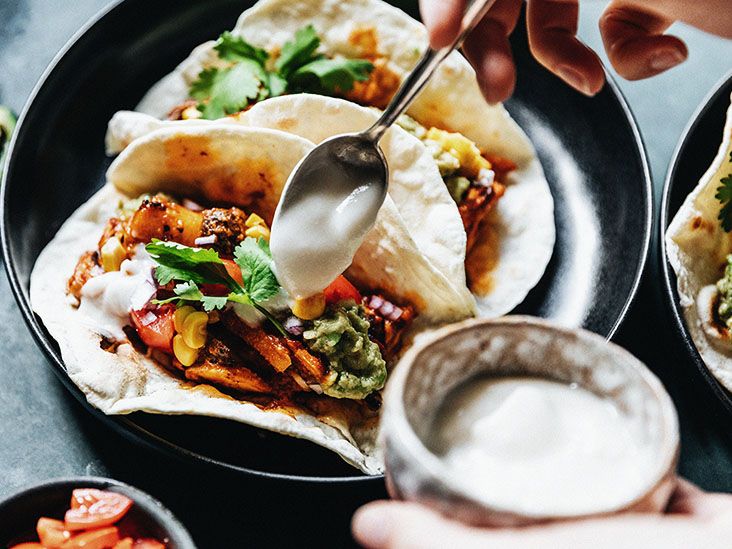
Some diets arrive with complicated rules, expensive powders, and a suspicious amount of enthusiasm for cauliflower pretending to be pizza. The DASH diet is refreshingly different. It is not a detox, a juice cleanse, or a plan that requires you to explain “net carbs” to every innocent bystander at dinner.
DASH stands for Dietary Approaches to Stop Hypertension. It was designed to help lower blood pressure through everyday food choices, not culinary wizardry. The plan centers on vegetables, fruits, whole grains, lean proteins, beans, nuts, and low-fat dairy while keeping sodium, added sugars, saturated fat, and heavily processed foods in the “sometimes, not constantly” category.
Whether you have high blood pressure, want a more heart-friendly eating pattern, or simply need a reliable way to make weekday meals feel less like a drive-thru scavenger hunt, the DASH diet can offer a practical starting point.
What Is the DASH Diet?
The DASH diet is an evidence-based eating pattern created to support healthy blood pressure. Instead of banning entire food groups, it emphasizes foods naturally rich in potassium, calcium, magnesium, fiber, and protein while limiting sodium and saturated fat.
In plain English, DASH encourages you to build meals around foods your grandmother would recognize: apples, oats, beans, leafy greens, yogurt, brown rice, fish, chicken, nuts, and olive oil. It does not require a special membership card, a celebrity endorsement, or a suitcase full of meal-replacement shakes.
The standard DASH eating plan usually limits sodium to about 2,300 milligrams per day. A lower-sodium version targets roughly 1,500 milligrams daily, which may provide additional blood pressure benefits for many adults. The best option depends on your health history, medications, calorie needs, and advice from your healthcare professional.
Why the DASH Diet Works
Blood pressure is influenced by many things, including genetics, body weight, sleep, stress, alcohol, physical activity, and the foods you eat. DASH addresses the food part of the equation by replacing many high-sodium, low-fiber processed foods with nutrient-dense choices.
The plan does not rely on one magical ingredient. Instead, it creates a useful team effort: more fiber from produce and whole grains, more potassium from fruits and vegetables, more calcium and magnesium from healthy foods, less saturated fat, and much less sodium sneaking in through frozen pizza, deli meat, canned soup, restaurant meals, and snack foods.
It Can Help Lower Blood Pressure
The biggest reason people try the DASH diet is blood pressure management. Research has consistently found that a DASH-style eating pattern can help reduce blood pressure, often within weeks. Lowering sodium while following DASH can strengthen that effect.
This matters because high blood pressure often has no obvious symptoms. It can quietly place extra strain on the heart, blood vessels, kidneys, and brain. That makes a bowl of oatmeal with berries sound less glamorous than a superhero cape, but it may still be a fairly heroic breakfast.
It Supports Heart Health
DASH is naturally low in saturated fat and high in foods linked with heart health, including vegetables, fruits, legumes, whole grains, fish, and unsalted nuts. This combination may support healthier cholesterol levels and reduce cardiovascular risk factors when it replaces a pattern heavy in processed meat, sugary drinks, refined grains, and fried foods.
It May Help With Weight Management
DASH is not marketed as a crash diet, which is honestly one of its best qualities. Because it includes fiber-rich foods, lean protein, and filling meals, it can make it easier to feel satisfied without relying on oversized portions of ultra-processed foods.
Weight loss is possible when DASH is paired with an appropriate calorie intake, but the main goal is a sustainable eating pattern. A plan you can follow for years is usually more valuable than one you can survive for eight dramatic days before reuniting with a family-size bag of chips.
It Can Fit Diabetes-Friendly Eating
The DASH diet includes quality carbohydrates such as fruit, beans, yogurt, oats, brown rice, and whole grain bread. For people with diabetes or prediabetes, portion sizes and carbohydrate timing still matter, but DASH can provide a strong foundation for balanced meals.
A registered dietitian can help tailor the plan if you need to manage blood sugar, use insulin, or have specific carbohydrate goals.
What Can You Eat on the DASH Diet?
DASH is built around familiar grocery-store foods. The goal is not perfection. The goal is to make nutrient-rich foods the main characters on your plate and let highly processed, salty foods play a much smaller supporting role.
Vegetables and Fruits
Vegetables and fruits are central to the DASH diet because they provide potassium, fiber, vitamins, minerals, and natural flavor. Fresh, frozen, or no-salt-added canned options can all work.
- Leafy greens such as spinach, kale, romaine, and collards
- Broccoli, carrots, bell peppers, tomatoes, zucchini, and green beans
- Sweet potatoes, winter squash, and potatoes prepared without heavy salt or butter
- Apples, oranges, bananas, berries, grapes, pears, peaches, and melon
- Frozen fruit without added syrup and canned fruit packed in water or juice
Whole Grains
Whole grains provide fiber and can help make meals more satisfying. They are the dependable supporting actors that keep you full while the vegetables get all the applause.
- Oatmeal
- Brown rice
- Whole wheat bread or tortillas
- Quinoa
- Barley
- Whole grain pasta
- Unsweetened whole grain cereal with lower sodium
Low-Fat or Fat-Free Dairy
Low-fat dairy foods are included because they offer calcium, protein, and other nutrients while keeping saturated fat lower than full-fat versions.
- Plain low-fat yogurt
- Low-fat milk or lactose-free milk
- Unsweetened fortified soy milk
- Low-fat cottage cheese with lower sodium, when available
Lean Protein Foods
DASH does not require you to become vegetarian, though plant-based meals fit beautifully into the plan. Choose leaner protein sources and keep processed meats to a minimum.
- Skinless chicken or turkey
- Fish and seafood
- Eggs
- Beans, lentils, and peas
- Tofu and tempeh
- Lean cuts of pork or beef in modest portions
Nuts, Seeds, and Healthy Fats
Unsalted nuts, seeds, avocado, and non-tropical vegetable oils can add flavor, satisfaction, and healthy fats. A little goes a long way, especially with nuts. They are nutritious, but they are also tiny, delicious calorie overachievers.
- Unsalted almonds, walnuts, pistachios, and peanuts
- Sunflower seeds, chia seeds, flaxseeds, and pumpkin seeds
- Olive oil, canola oil, and other non-tropical vegetable oils
- Avocado
- Natural nut butter with little or no added salt or sugar
Foods to Limit on a DASH Diet
DASH does not label foods as morally good or bad. It simply encourages you to limit foods that can make it harder to control sodium intake, saturated fat, added sugar, and calories.
- Processed meats such as bacon, sausage, hot dogs, deli meat, and pepperoni
- High-sodium canned soups, boxed meals, instant noodles, and frozen dinners
- Pizza, fast food, salty snacks, and many restaurant meals
- Sugary soda, sweet tea, energy drinks, and heavily sweetened coffee drinks
- Full-fat dairy products, butter, cream, and high-fat cheese in large amounts
- Fried foods and baked goods high in saturated or trans fats
- Large portions of red meat and heavily salted sauces
This does not mean you can never eat a burger, a slice of pizza, or a birthday cupcake. It means those foods should not become the entire food pyramid wearing a fake mustache.
A Simple DASH Diet Serving Guide
A typical DASH pattern for someone eating around 2,000 calories daily may include the following general ranges. Your personal needs can be higher or lower depending on age, activity level, body size, and health goals.
| Food Group | Typical DASH Amount | Easy Examples |
|---|---|---|
| Whole grains | 6–8 servings daily | Oatmeal, brown rice, whole wheat toast, quinoa |
| Vegetables | 4–5 servings daily | Salad greens, broccoli, carrots, peppers, green beans |
| Fruits | 4–5 servings daily | Berries, apples, bananas, oranges, melon |
| Low-fat dairy | 2–3 servings daily | Milk, yogurt, fortified soy milk |
| Lean meat, poultry, fish, or eggs | Up to about 6 ounces daily | Grilled chicken, salmon, eggs, turkey |
| Nuts, seeds, beans, and lentils | 4–5 servings weekly | Black beans, lentil soup, almonds, hummus |
| Fats and oils | 2–3 servings daily | Olive oil, avocado, soft margarine without trans fat |
| Sweets and added sugars | Limited, often 5 or fewer servings weekly | Small dessert, jam, sweetened treat |
How to Reduce Sodium Without Eating Boring Food
Reducing sodium does not mean every meal must taste like a sad piece of cardboard. It means learning to build flavor differently.
- Use lemon juice, vinegar, garlic, ginger, onions, herbs, and salt-free spice blends.
- Choose “no salt added” or “low sodium” canned beans and vegetables when possible.
- Rinse canned beans under water to remove some sodium.
- Compare food labels and choose products with less sodium per serving.
- Cook more meals at home, even if “cooking” means assembling a rotisserie chicken salad wisely.
- Ask for sauces and dressings on the side at restaurants.
- Limit salty condiments such as soy sauce, bottled barbecue sauce, ranch dressing, and seasoning packets.
One practical trick is to make changes gradually. If you usually eat heavily salted foods, your taste buds may complain at first. Give them time. They are surprisingly adaptable, even if they initially behave like tiny food critics with very strong opinions.
A One-Day DASH Diet Meal Plan Example
Breakfast
A bowl of oatmeal topped with blueberries, sliced banana, cinnamon, and a spoonful of chopped walnuts. Add plain low-fat yogurt or a glass of low-fat milk.
Lunch
A whole wheat turkey and avocado wrap with spinach, tomato, cucumber, and mustard. Pair it with a side of carrots, an apple, and sparkling water with lemon.
Snack
Plain yogurt with berries, or a small handful of unsalted almonds with an orange.
Dinner
Baked salmon seasoned with lemon, black pepper, garlic, and dill. Serve it with brown rice, roasted broccoli, and a colorful salad with olive oil and vinegar.
Something Sweet
Fresh fruit, a square of dark chocolate, or baked cinnamon apples can satisfy a sweet craving without turning dessert into a sodium-and-sugar parade.
Easy DASH Diet Grocery List
A good DASH grocery cart does not need to look like it belongs in a wellness influencer’s kitchen. Start simple and buy foods you will actually eat.
- Produce: bananas, berries, apples, oranges, spinach, broccoli, carrots, tomatoes, and bell peppers
- Whole grains: oats, brown rice, whole wheat bread, quinoa, and whole grain pasta
- Protein: chicken breast, salmon, eggs, tuna with lower sodium, lentils, beans, tofu, and unsalted nuts
- Dairy: plain low-fat yogurt, low-fat milk, lactose-free milk, or fortified unsweetened soy milk
- Flavor boosters: lemons, limes, garlic, onions, vinegar, herbs, pepper, paprika, cumin, and salt-free seasoning blends
- Convenience foods: frozen vegetables without sauce, no-salt-added beans, plain popcorn, and lower-sodium broth
Who Should Be Careful With the DASH Diet?
DASH is considered a healthy eating pattern for many people, but it is not a substitute for personalized medical advice. Talk with a healthcare professional or registered dietitian before making major dietary changes if you have chronic kidney disease, are on dialysis, have been told to limit potassium or phosphorus, or take medications that affect potassium levels.
Because DASH includes many potassium-rich foods, people with kidney disease or certain medication regimens may need a modified version. The right plan is not always “more potassium is better”; it is “the right potassium amount for your body and medical needs.”
If you take blood pressure medication, continue taking it as prescribed unless your clinician tells you otherwise. A healthier diet can support treatment, but it should not lead to surprise medication changes made between bites of a very responsible salad.
DASH Diet vs. Mediterranean Diet: What Is the Difference?
The DASH diet and Mediterranean diet share plenty of healthy habits. Both emphasize plants, whole grains, beans, nuts, fish, and healthy fats. Both can support heart health and long-term wellness.
The key difference is that DASH offers more specific guidance for sodium reduction and includes regular low-fat dairy as part of its standard framework. Mediterranean-style eating tends to emphasize olive oil, seafood, legumes, vegetables, and herbs, with less focus on formal serving targets.
You do not have to pick one and swear eternal loyalty. Many people follow a practical blend: DASH-style sodium awareness with Mediterranean-style meals full of vegetables, beans, fish, olive oil, and flavor.
Real-Life DASH Diet Experiences: What the Transition Often Feels Like
The first week on a DASH-style eating plan often feels less like starting a diet and more like discovering how much salt has been hiding in ordinary foods. A person may think they eat fairly well because they have cereal for breakfast and a sandwich for lunch, then notice that the cereal is sugary, the bread is salty, the deli turkey is salty, the cheese is salty, and the “healthy” bottled dressing could audition for a salt mine.
That realization is not a reason to panic or throw every condiment into the trash. It is simply useful information. Many people find that the easiest first change is switching one daily habit. Instead of instant oatmeal, they make plain oats and add fruit. Instead of chips beside a sandwich, they add carrots and hummus. Instead of soda, they drink sparkling water with lime. These small swaps may sound almost too ordinary to matter, but ordinary habits repeated daily are exactly what build a sustainable DASH routine.
Another common experience is that food initially tastes less exciting when sodium drops. This is normal. Salt has a loud personality. When it is reduced, your taste buds need time to notice other flavors: roasted garlic, black pepper, lemon zest, smoked paprika, basil, ginger, toasted nuts, fresh cilantro, and vinegar. After a few weeks, some people find that restaurant meals and packaged foods suddenly taste much saltier than they remembered. Their palate did not become fussy; it simply stopped wearing noise-canceling headphones.
Meal planning can also be a real-life challenge, especially for busy families. The most successful DASH approach is usually not a complicated seven-day spreadsheet filled with recipes requiring twelve unusual ingredients. It is having reliable defaults. Think scrambled eggs with spinach for breakfast, leftover chicken and vegetables for lunch, chili made with low-sodium beans for dinner, and fruit or unsalted nuts for snacks. Repeating a few easy meals is not boring; it is efficient. Your future self at 6:30 p.m. will likely be grateful.
Dining out requires a little strategy but does not have to end your social life. People often do well by choosing grilled or baked options, requesting sauces on the side, skipping extra cheese or bacon, and adding a vegetable side. A restaurant meal may not be perfectly DASH-friendly, and that is okay. One meal does not erase a week of balanced choices, just as one kale salad does not instantly transform someone into a woodland athlete.
The most encouraging experience is often improved confidence around food. DASH is flexible enough for family meals, holidays, cultural dishes, and grocery-store budgets. You can make tacos with beans, grilled chicken, vegetables, avocado, and salsa; pasta with whole grain noodles, vegetables, and olive oil; or a comforting bowl of soup made with low-sodium broth and plenty of beans. The plan works best when it feels like normal eating with smarter defaults, not punishment served on a tiny plate.
Final Thoughts
The DASH diet is not about chasing perfection or eating bland food forever. It is a flexible, realistic way to build meals around fruits, vegetables, whole grains, lean protein, low-fat dairy, beans, nuts, and healthier fats while reducing sodium and heavily processed foods.
Start with one change that feels manageable: cook one more meal at home, swap sugary drinks for water, choose unsalted nuts, add vegetables to dinner, or compare sodium labels before buying soup. Those small decisions can add up quickly, and your heart may appreciate the quiet upgrade.
Note: This article is for general educational purposes and does not replace individualized medical advice. Consult a qualified healthcare professional or registered dietitian for guidance tailored to your medications, kidney function, blood pressure, diabetes management, allergies, and personal health goals.
SEO Tags
Editorial research basis: DASH dietary structure, recommended food groups, and sodium guidance were synthesized from the National Heart, Lung, and Blood Institute, American Heart Association, Mayo Clinic, CDC, MedlinePlus, Academy of Nutrition and Dietetics, Harvard Health, Cleveland Clinic, Johns Hopkins Medicine, American Diabetes Association, and National Kidney Foundation. DASH emphasizes fruits, vegetables, whole grains, low-fat dairy, legumes, nuts, lean proteins, and lower sodium; reducing sodium can further improve blood-pressure outcomes. Kidney disease and medications that affect potassium may require a modified DASH plan because the pattern is naturally high in potassium-rich foods.