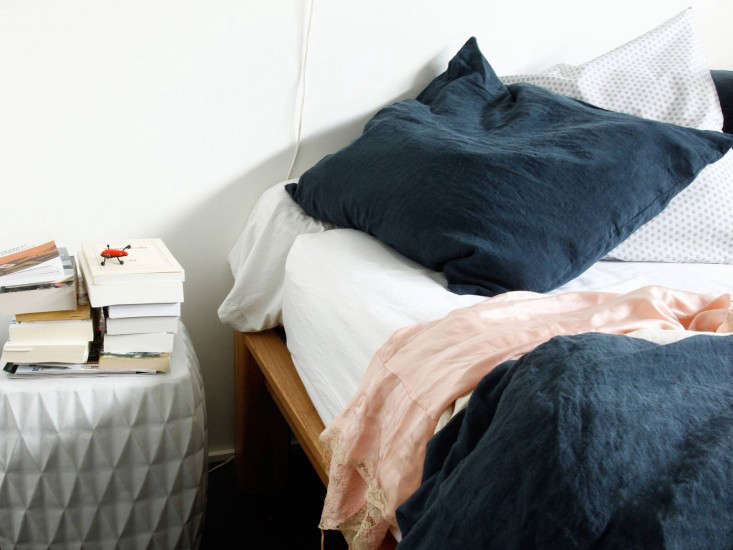
A linen duvet cover in Hague Blue is not merely bedding. It is a mood, a design decision, and possibly the most elegant way to tell your bedroom, “Congratulations, you are now the interesting room in the house.” Deep, dramatic, slightly mysterious, and still surprisingly livable, Hague Blue brings the richness of navy with a subtle green undertone that keeps it from feeling flat or predictable. Pair that with the relaxed texture of washed linen, and you get a duvet cover that looks curated without trying too hard.
The phrase “Linen Duvet Cover Hague Blue” may sound simple, but it brings together three powerful interior-design ideas: natural fabric, practical bedding, and a bold color inspired by classic European style. A duvet cover protects your comforter, linen adds breathability and lived-in texture, and Hague Blue gives the bed a grounded, sophisticated focal point. In other words, it is the bedding equivalent of someone who reads hardcover books, owns a great coffee grinder, and still knows how to nap like a professional.
What Is a Linen Duvet Cover in Hague Blue?
A linen duvet cover is a removable fabric shell designed to hold and protect a duvet insert or comforter. Think of it as a pillowcase for your comforter, except it has a bigger job and a much better chance of becoming the visual centerpiece of your bedroom. Instead of laundering a bulky insert every week, you can wash the cover more easily and refresh the whole bed in one move.
Hague Blue refers to a deep, dark blue shade with green undertones. It has the richness of classic navy but with a softer, more complex personality. It can look nearly inky in low light, teal-leaning in daylight, and dramatic against crisp white, warm wood, brass, cream, camel, sage, or soft gray. That shape-shifting quality is part of its charm. It does not scream for attention; it quietly takes over the room and makes everything around it look more intentional.
When this color appears on washed linen, the effect becomes even better. Linen naturally has subtle slubs, texture, and movement in the weave. Unlike a shiny synthetic fabric, it does not present color as one perfectly smooth block. Instead, it gives Hague Blue depth, variation, and that casually wrinkled elegance people pretend happened by accident after spending two hours styling a bed.
Why Linen Works So Well for Duvet Covers
Linen is made from flax fibers and has been used in home textiles for centuries. Its popularity has come roaring back because modern bedrooms are no longer trying to look like sealed hotel rooms from 2008. People want bedding that feels breathable, natural, textured, and relaxed. Linen checks all those boxes and adds a little “European countryside weekend” energy, even if your actual weekend involves laundry and answering emails.
Breathability and Comfort
One of linen’s biggest advantages is breathability. The fibers allow air to move more freely than many tightly woven synthetic materials, which helps the bed feel less stuffy. For hot sleepers, this can be a major win. A Hague Blue linen duvet cover may look cozy and dramatic, but the fabric itself can still feel airy and comfortable through changing seasons.
Linen is also known for moisture-wicking properties. That means it can help move moisture away from the body, reducing that unpleasant “why does my bed feel like a humid greenhouse?” sensation. It is not magic, of course. If your room is hot, your duvet insert is heavy, and your thermostat is set to “tropical lizard,” linen can only do so much. But compared with less breathable materials, it is often a smarter choice for year-round comfort.
Durability That Gets Better With Age
Linen has a reputation for durability because flax fibers are strong. A good linen duvet cover is not supposed to remain stiff and formal forever. It usually softens with use and washing, gradually developing a more relaxed hand-feel. That means the cover may feel a little crisp at first but become more inviting over time.
This aging process is part of the appeal. Cotton often aims for smoothness; linen leans into character. Its wrinkles are not a design flaw. They are the entire point. A Hague Blue linen duvet cover looks best when it is not over-ironed into submission. Let it rumple a little. Let it breathe. Let it look like someone stylish sleeps there, not like the bed is being preserved for a museum exhibit titled “Anxiety in Percale.”
The Design Power of Hague Blue in the Bedroom
Hague Blue is a bold color, but it is not loud. It feels deep, grounded, and enveloping. In bedrooms, that can be especially valuable because the room should feel calm, restful, and personal. Pale colors can create airiness, but darker colors can create coziness. Hague Blue sits in that wonderful middle zone where it feels dramatic without becoming theatrical.
A Sophisticated Alternative to Navy
Navy bedding is classic, but it can sometimes feel predictable. Hague Blue has more nuance because of its green undertone. That slight shift makes it easier to pair with earthy, organic, and vintage-inspired palettes. It looks beautiful with walnut furniture, rattan accents, antique brass lamps, cream walls, natural linen sheets, terracotta pottery, and muted botanical prints.
For a modern look, pair a Hague Blue linen duvet cover with white sheets, black metal lighting, and a low-profile platform bed. For a warmer traditional look, add ivory shams, a patterned quilt, wood nightstands, and a vintage rug with rust, tan, or olive tones. For a coastal-but-not-cliché style, combine it with sandy beige, washed oak, woven baskets, and soft blue-gray accents. No seashell lamp required, unless you are emotionally attached to it.
Small Room, Big Personality
Many people worry that dark bedding will make a small bedroom feel smaller. In reality, a deep color on the bed can make the space feel more intentional. Since the bed is usually the largest object in the room, using a strong color can anchor the layout. Hague Blue gives the eye somewhere to land, which can actually make the room feel more designed.
The key is balance. If your room is small, keep surrounding elements lighter or warmer. Use cream walls, pale curtains, natural wood, and soft lighting. Add one or two accents that repeat the blue, such as a framed print, ceramic vase, or patterned pillow. That repetition helps the duvet cover feel connected to the whole space rather than dropped onto the bed like a very fashionable thundercloud.
How to Style a Hague Blue Linen Duvet Cover
Styling this type of duvet cover depends on the mood you want. Because Hague Blue is rich and linen is relaxed, you can push the look in several directions: minimal, rustic, vintage, moody, coastal, or polished.
For a Clean and Classic Look
Start with white or ivory sheets. Add two matching Hague Blue pillow shams if you want a coordinated appearance, then layer in one or two neutral decorative pillows. A cream throw at the foot of the bed softens the dark blue and keeps the room from feeling too heavy.
This approach works especially well in rooms with white walls, painted trim, and simple furniture. The duvet cover becomes the main statement, while the rest of the room stays calm. It is a great option if you want drama but do not want your bedroom to look like it is auditioning for a gothic novel.
For a Warm, Earthy Look
Pair Hague Blue with flax, oatmeal, camel, clay, rust, and olive. These natural tones bring out the green undertone in the blue and create a grounded palette. Try linen sheets in natural flax, a rust-colored lumbar pillow, and a chunky wool throw. Add brass sconces or wood bedside tables for warmth.
This combination feels especially good in fall and winter, but it can work year-round if you keep the textures breathable. The result is cozy without being heavy, elegant without being stiff, and stylish without requiring seventeen decorative pillows that must be removed every night like a bedtime obstacle course.
For a Layered Designer Look
Mix patterns carefully. Hague Blue pairs well with ticking stripes, small florals, block prints, checks, and subtle geometric designs. Choose patterns that include blue, cream, tan, or green so the bedding feels connected. A striped sheet set, floral pillowcases, and a solid linen duvet can create a collected look without becoming chaotic.
Keep scale in mind. If your rug has a large pattern, choose smaller patterns for pillows. If your wallpaper is busy, let the duvet cover stay solid and textured. A linen duvet cover already brings visual interest through its weave, so you do not need to pile on every pattern known to civilization.
Choosing the Right Linen Duvet Cover
When shopping for a linen duvet cover in Hague Blue or a similar deep blue-green shade, focus on fabric quality, construction, closure style, size, and care instructions. Beautiful color matters, but a duvet cover also has to survive real life: sleep, washing, pets, snack crumbs, and that mysterious corner of the comforter that always disappears inside the cover.
Fabric Quality
Look for 100% linen or European flax linen if you want the most authentic texture and breathability. Some linen blends can be softer or less expensive, but they may not have the same long-term feel as pure linen. Washed linen or garment-washed linen is often softer from the start and gives that relaxed, broken-in look many people want.
Weight also matters. Lightweight linen feels airy and casual, while heavier linen feels more substantial and drapes beautifully. For a duvet cover, you usually want enough weight to look luxurious but not so much that the bed feels overly hot. The insert you choose will also affect warmth, so consider the whole sleep system, not just the cover.
Closures and Interior Ties
Interior corner ties are a small detail with a big impact. They help secure the duvet insert so it does not bunch up inside the cover. Without ties, your comforter may migrate overnight and form a lumpy mountain range near your feet. Buttons, hidden buttons, zippers, and envelope closures can all work well, depending on your preference.
Buttons have a classic look and are easy to replace. Zippers are convenient and clean-looking, but quality matters. A hidden closure keeps the foot of the bed neat. Whatever style you choose, make sure the construction feels sturdy because duvet covers get handled, shaken, washed, and tugged more than many other bedding pieces.
Size and Drape
Check measurements carefully. Duvet cover sizing can vary by brand, and “queen” or “king” does not always mean identical dimensions across retailers. If you like a fuller, more luxurious bed, some people size up the insert or choose a slightly larger duvet cover, but this can depend on the bed frame and mattress height.
A Hague Blue linen duvet cover looks especially good with a relaxed drape. Let it fall naturally over the sides of the bed. Avoid pulling it too tight unless you prefer a crisp, tailored look. Linen shines when it looks comfortable, touchable, and slightly undone.
How to Care for a Hague Blue Linen Duvet Cover
Deep colors and natural fabrics deserve thoughtful care. The goal is to keep the linen soft, preserve the color, and avoid unnecessary wear. Always read the care label first because different brands may use different dyes, finishes, or construction methods.
Washing Tips
Wash linen bedding with similar colors, especially when the shade is as deep as Hague Blue. Use a mild detergent and avoid bleach, which can damage fibers and distort the color. Do not overcrowd the washing machine. Linen needs room to move, rinse, and release detergent properly.
Cold or lukewarm water is often a safe choice for dark linen because it helps protect color. Turn the duvet cover inside out before washing to reduce visible abrasion. If there are stains, treat them promptly and gently. Scrubbing aggressively may roughen the fabric or create lighter patches, which is not the charming kind of patina anyone ordered.
Drying and Wrinkles
Linen can usually be tumble dried on a low setting or line dried, depending on the care instructions. Removing it while slightly damp and smoothing it by hand can reduce heavy wrinkling. That said, linen will wrinkle. It is what linen does. Complaining that linen wrinkles is like complaining that a golden retriever sheds. Technically true, but also part of the package.
If you prefer a neater look, steam the duvet cover or iron it while slightly damp. For a relaxed bedroom style, skip the iron and embrace the texture. On a Hague Blue duvet cover, gentle wrinkles often make the color look even richer because light hits the surface in subtle variations.
Who Should Choose a Linen Duvet Cover in Hague Blue?
This bedding choice is ideal for people who want a bedroom that feels calm but not bland. It suits design lovers who appreciate natural materials, layered textures, and colors with depth. It is also a smart option for sleepers who want breathable bedding but do not want a pale, delicate-looking duvet cover that panics every time coffee enters the room.
Hague Blue is also practical from a visual standpoint. Very light bedding can show every mark, while extremely dark black bedding can feel harsh. Hague Blue sits in a forgiving middle ground. It hides minor shadows and everyday rumples while still feeling refined. Add linen’s washable nature, and you have a duvet cover that is both beautiful and livable.
Common Mistakes to Avoid
The first mistake is pairing Hague Blue with too many cold colors. If everything in the room is dark blue, gray, and black, the space can feel chilly. Add warmth through wood, brass, cream, tan, or woven textures. The second mistake is choosing the wrong insert. A beautiful cover cannot save a flat, undersized duvet insert. Choose one that fills the corners and suits your preferred warmth level.
The third mistake is over-styling. Linen does not need perfection. In fact, perfection can make it look less appealing. A Hague Blue linen duvet cover looks best when it feels approachable: casually folded, softly wrinkled, and layered with pieces that look like they belong to real life.
Experience Notes: Living With a Linen Duvet Cover in Hague Blue
The first thing you notice about a Hague Blue linen duvet cover is how quickly it changes the room. Before, the bedroom may have looked fine: bed, pillows, lamp, perhaps a chair bravely holding laundry. After adding the duvet cover, the bed suddenly feels intentional. The deep blue draws the eye immediately, but the linen texture keeps it from feeling formal. It says “boutique hotel,” but not the kind where you are afraid to touch the minibar.
In daily use, the relaxed texture becomes one of the best parts. You do not need to make the bed perfectly for it to look good. A quick shake, a casual fold near the pillows, and the whole setup looks styled. This is very helpful on mornings when ambition is low and coffee has not yet entered the bloodstream. Smooth cotton can look messy when it is wrinkled, but linen looks like it meant to do that. Hague Blue makes the effect even more forgiving because the depth of the color adds natural shadow and dimension.
The color also has a surprisingly calming effect. Light bedding can feel fresh, but deep blue bedding can make the bed feel like a retreat. In the evening, especially with warm lamps or candlelight, Hague Blue looks cozy and enveloping. It pairs beautifully with amber light, brass hardware, dark wood, and cream walls. The bedroom feels quieter, as if someone lowered the volume on the day.
There are practical lessons, too. If you have pets, lint and light fur may show more on dark blue linen than on pale flax or gray bedding. A lint roller becomes your tiny handheld assistant. Washing inside out helps protect the surface, and using a gentle detergent keeps the color looking richer. It is also wise to avoid tossing it into a crowded washer with towels, jeans, or anything with aggressive zippers. Linen is strong, but it still appreciates manners.
Another real-life detail: the duvet insert matters. If the insert is too small, the corners of the cover can look empty, especially in a dark color where shadows are more visible. Tying the insert securely inside the cover makes a big difference. Once the corners are anchored, the duvet lies better, feels better, and does not turn into a mysterious fabric burrito by morning.
Seasonally, Hague Blue linen is more flexible than expected. In winter, it looks rich with wool throws, velvet pillows, and warm neutrals. In spring, it freshens up with white sheets, pale blue accents, and natural wood. In summer, it still works because linen feels breathable, and the deep color creates contrast against lighter surroundings. In fall, it may be at its best, especially with rust, ochre, olive, and caramel tones.
The biggest experience-based takeaway is this: a linen duvet cover in Hague Blue is for people who want beauty without fuss. It does not demand a perfect room. It improves an imperfect one. It makes old furniture look more charming, plain walls look more deliberate, and the entire bed feel more inviting. It has enough drama to be memorable and enough softness to be comfortable. That is a rare combination, and it is exactly why this color-and-fabric pairing continues to feel timeless.
Conclusion
A linen duvet cover in Hague Blue combines comfort, durability, and dramatic style in one highly livable bedding choice. Linen brings breathability, texture, and a relaxed look that improves with use, while Hague Blue adds depth, sophistication, and a cozy designer feel. Whether your bedroom leans modern, rustic, coastal, traditional, or quietly luxurious, this duvet cover can become the anchor that pulls the whole space together.
The secret is balance. Pair the deep blue with warm neutrals, natural textures, quality lighting, and a properly sized duvet insert. Wash it gently, embrace the wrinkles, and let the linen develop character over time. A Hague Blue linen duvet cover is not just a pretty bedding upgrade. It is a practical, stylish way to make your bedroom feel calmer, richer, and far more personal.