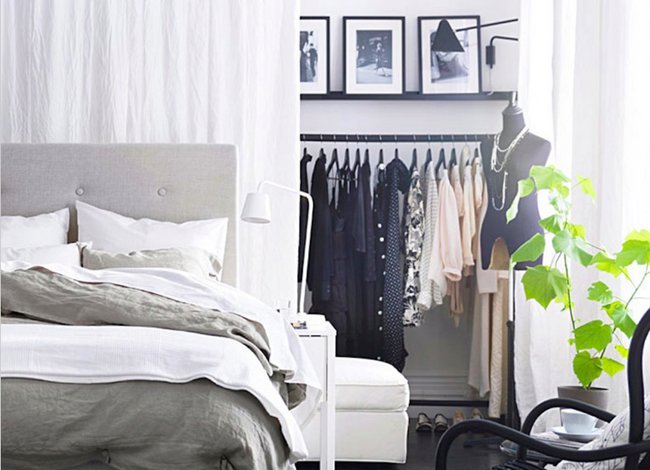
A small bedroom does not need to feel like a storage closet with pillows. With a thoughtful layout, better lighting, appropriately scaled furniture, and a few visual tricks, even a compact sleeping space can feel open, organized, and surprisingly comfortable.
The goal is not to create imaginary square footage. Unless you have learned how to bend the laws of architecture, the walls are staying where they are. Instead, these small bedroom ideas improve sightlines, reduce visual clutter, and make every available inch work harder.
How to Make a Small Bedroom Look and Feel Bigger
1. Begin With a Serious Decluttering Session
Clutter consumes visual space before it fills physical space. Remove clothing that no longer fits, decorative objects you barely notice, excess bedding, abandoned exercise equipment, and anything else that has quietly applied for permanent residency.
Keep frequently used items accessible and move seasonal belongings into labeled containers. Clear nightstands, dressers, and exposed shelves create longer sightlines, making the bedroom feel calmer and more spacious almost immediately.
2. Choose a Bed That Fits the Room
An oversized bed can dominate a compact bedroom and leave awkward slivers of walking space around it. Measure the room, door swing, closet access, and desired pathways before choosing a mattress and frame.
Downsizing from a king to a queenor from a queen to a fullcan recover valuable floor area. If changing mattress size is not practical, choose a streamlined platform frame without a bulky footboard or heavily padded sides.
3. Select Furniture With Visible Legs
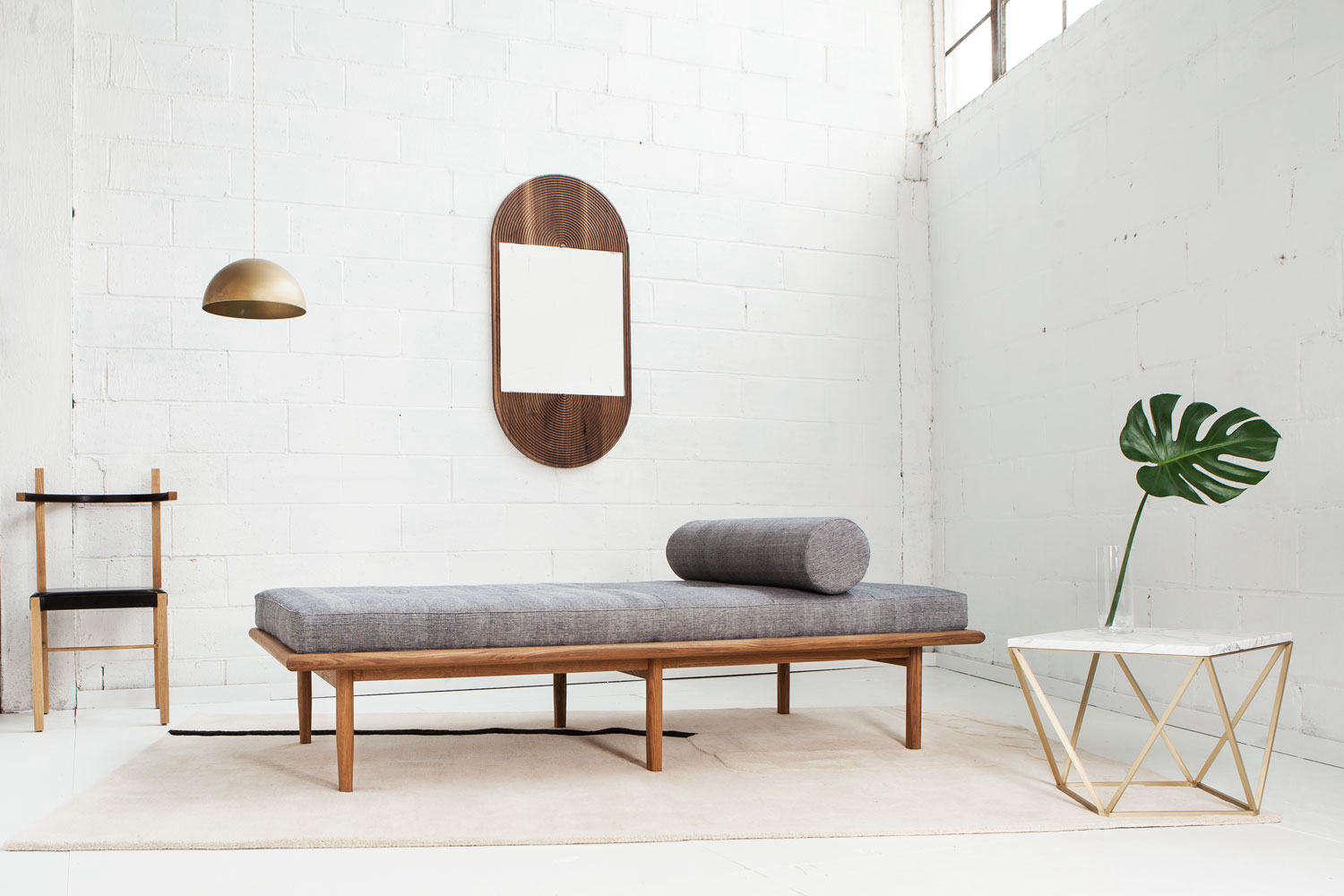
Furniture raised on slim legs allows light to travel underneath and keeps more flooring visible. This visual continuity makes the bedroom appear less crowded than it would with several heavy pieces sitting directly on the floor.
A leggy nightstand, narrow dresser, or open-frame bench can provide the required function without looking like a wooden fortress. However, do not elevate every item merely for appearance if you urgently need enclosed storage.
4. Use a Light, Cohesive Color Palette
Soft white, cream, pale gray, powder blue, and muted sage reflect light and can help walls feel less imposing. A limited palette also reduces abrupt visual changes that divide a small bedroom into even smaller-looking sections.
Light colors are useful, but stark white is not mandatory. In a dim, north-facing room, a warm off-white or gentle beige may feel brighter and more inviting than a cool white that turns gloomy after sunset.
5. Consider Color-Drenching the Room
Painting the walls, trim, doors, and ceiling in one color can blur architectural boundaries. Because the eye encounters fewer contrasting lines, the surfaces appear to flow together and the room may feel more expansive.
This technique can work with pale colors or deeper shades. A dark blue bedroom will not necessarily look physically larger, but a consistent color can soften corners and create an enveloping sense of depth. Test large paint samples at different times of day before committing.
6. Paint the Ceiling Strategically
A ceiling painted slightly lighter than the walls can draw attention upward and create the impression of additional height. Another option is to continue the wall color onto the ceiling, removing the sharp horizontal line that announces exactly where the room stops.
If you prefer contrast, use it carefully. A very dark ceiling above pale walls can feel dramatic, but in an already low bedroom it may seem to descend like an overly enthusiastic storm cloud.
7. Let Natural Light Enter
Heavy drapes can cover more of the window than expected, making a small bedroom feel dim and enclosed. Use sheer curtains, lightweight panels, or a simple shade that can be raised fully during the day.
Keep tall furniture away from windows and avoid filling the sill with dozens of objects. Where privacy is a concern, translucent window film can admit daylight while limiting the view from outside.
8. Hang Curtains High and Wide
Install the curtain rod closer to the ceiling rather than directly above the window frame. Extending the rod beyond both sides of the window lets open panels rest against the wall instead of blocking the glass.
This arrangement makes the window appear taller and wider while maximizing daylight. Choose curtains close to the wall color for a seamless look, and make sure the fabric reaches the floor without accumulating in a fabric puddle large enough to conceal a small pet.
9. Position Mirrors to Multiply Light
A large mirror placed opposite or adjacent to a window reflects daylight into darker portions of the room. It also creates a convincing suggestion of depth, particularly when it reflects an uncluttered view.
Mirrored closet doors are effective when wall space is limited. Secure leaning mirrors properly, especially in homes with children or pets, and avoid positioning a mirror where reflected glare will hit your eyes in bed.
10. Replace Floor Lamps With Wall Sconces
Wall-mounted lights preserve valuable floor and nightstand space. Plug-in sconces are especially useful for renters because many models require only secure wall mounting rather than new electrical wiring.
Install adjustable reading sconces on each side of the bed to create symmetry without using bulky lamps. Choose dimmable fixtures or warm bulbs so the room remains restful rather than resembling a dental examination area.
11. Layer the Lighting
A single overhead fixture can leave corners dark, exaggerating the room’s boundaries. Combine ambient lighting with focused reading lights and subtle accent lighting to distribute illumination more evenly.
Wall sconces, a compact ceiling fixture, and LED lighting beneath a floating shelf can make the room feel deeper. Keep the color temperature reasonably consistent so the bedroom does not look warm on one side and refrigerated on the other.
12. Think Vertically
When floor space is scarce, the walls become valuable real estate. Tall bookcases, high shelves, vertical artwork, and floor-to-ceiling wardrobes pull the eye upward while increasing storage capacity.
Store frequently used items at reachable heights and reserve upper shelves for seasonal belongings. Any tall furniture should be anchored securely to wall studs or with hardware appropriate for the wall material.
13. Install Floating Nightstands and Shelves
A floating shelf can hold a phone, book, glass of water, and small alarm clock without occupying floor space. Leaving the area beneath it visible produces a cleaner, airier appearance and makes vacuuming much easier.
Keep the shelf shallow enough that it does not become a midnight forehead hazard. If bedside storage is necessary, use a compact wall-mounted cabinet with a drawer rather than a large traditional nightstand.
14. Make the Bed Earn Its Footprint
The bed is usually the largest object in the bedroom, so it should contribute more than a place to sleep. A storage bed with built-in drawers can replace a dresser, while a lift-up platform can conceal bulky bedding or seasonal clothing.
For an existing bed, use low under-bed containers with lids. Measure the clearance before buying them, and label each container so retrieving one sweater does not become an archaeological expedition.
15. Choose Multipurpose Furniture
A storage ottoman can provide seating, blanket storage, and a place to set tomorrow’s clothes. A narrow desk may double as a vanity, while a wall-mounted drop-leaf surface can serve as a temporary workspace and fold away afterward.
Judge each piece by how often it will be used and how many needs it satisfies. “Multifunctional” is not helpful when a complicated mechanism is so annoying that nobody opens it after the first week.
16. Use Fewer, Better-Proportioned Pieces
Filling a compact bedroom with many miniature furnishings can create a dollhouse effect and increase visual noise. In many cases, one appropriately sized dresser looks calmer than three tiny storage units squeezed into separate corners.
Measure before shopping and use painter’s tape to mark each proposed footprint on the floor. Confirm that doors and drawers can open completely and that you can walk through the room without turning sideways.
17. Keep Pathways Clear
A bedroom feels cramped when moving from the doorway to the bed or closet requires an obstacle course. Preserve a direct circulation route and avoid placing baskets, stools, or furniture in natural walking paths.
Depending on the room, centering the bed may produce balanced access, while placing one side against a wall may recover more usable space. There is no universal layout; the best arrangement supports the way the room is actually used.
18. Leave a Little Breathing Room
Pushing every item tightly against a wall can make the perimeter feel boxed in. Where the layout permits, leave a few inches between furniture and walls. Small shadows and visible gaps create depth that can make the boundaries feel less rigid.
This does not mean floating the bed in the middle of a seven-foot-wide room. Use the principle selectively, particularly around a dresser, chair, or headboard where a small gap will not obstruct circulation.
19. Use One Large Rug Instead of Several Small Ones
Multiple small rugs divide the floor into separate visual zones. A properly sized area rug unifies the bed and surrounding furniture, making the floor read as one broad surface.
Ideally, the rug should extend beyond the sides and foot of the bed enough to be visible and comfortable underfoot. Light colors and low-contrast patterns usually feel airy, while a smooth, low-pile surface is easier to maintain in tight quarters.
20. Create One Strong Focal Point
Scattering dozens of small decorations around a bedroom gives the eye too many places to stop. Instead, establish one intentional focal point, such as a tall headboard, a large artwork, or a restrained mural behind the bed.
Large-scale decor can make a compact room feel more confident and finished. Keep surrounding surfaces relatively simple so the focal piece looks deliberate rather than like it wandered in from a much larger house.
21. Edit Bedding and Decorative Accessories
Layered bedding looks luxurious in photographs, but too many pillows, blankets, and ruffles can visually enlarge the bed until it appears to consume the room. Use breathable sheets, a streamlined comforter or duvet, and a few purposeful accent pillows.
Apply the same discipline to wall decor and accessories. A room can have personality without displaying every object you have ever loved. Rotate favorite pieces seasonally and give the remaining items enough empty space to be appreciated.
Common Small-Bedroom Mistakes to Avoid
The most expensive mistake is buying furniture before measuring. A beautiful dresser is considerably less charming when its drawer collides with the bed. Record the room’s dimensions, ceiling height, window locations, outlets, baseboards, and door swings before choosing anything substantial.
Do not assume every small room must be completely white, either. Color, texture, and pattern can add depth when used cohesively. The real problem is usually not personality but fragmentation: too many unrelated colors, tiny patterns, undersized objects, and exposed belongings competing for attention.
Finally, do not sacrifice comfort for the illusion of space. A narrow pathway is acceptable; a mattress that causes back pain is not. The most successful space-saving bedroom feels larger while remaining practical, restful, and recognizably yours.
Real-World Experiences From Reworking Small Bedrooms
The Layout Change That Cost Nothing
One of the most useful lessons from working with compact bedrooms is that shopping should not be the first step. In a roughly 9-by-10-foot guest room, the original layout placed a full-size bed between two nightstands, with a dresser opposite it. The arrangement looked symmetrical, but the dresser drawers could barely open and the doorway felt blocked.
Removing one nightstand and rotating the bed created a direct route from the door to the window. A small wall shelf became the second bedside surface. Nothing about the room’s dimensions changed, yet it immediately felt larger because movement was no longer interrupted. The project cost almost nothing beyond wall anchors and an afternoon of questioning previous furniture decisions.
Why Hidden Storage Needs Rules
Under-bed storage can rescue a small bedroom, but only when it is organized. In one apartment bedroom, the space beneath the bed initially contained loose shoes, old documents, gift bags, and several unidentified cables. Technically, the floor looked clear. Functionally, the bed was sitting above a compact landfill.
Replacing the loose collection with four matching, labeled containers made a noticeable difference. One held off-season clothing, one held spare bedding, one stored shoes, and the last contained sentimental items. A simple rulenothing goes under the bed unless it has a designated containerprevented the clutter from returning.
The Paint Sample That Prevented a Gloomy Result
Paint recommendations often sound universal until real-world light becomes involved. A cool pale gray selected for a small, north-facing bedroom looked elegant on a digital screen but noticeably blue and dreary on the actual walls. Several large sample boards were then moved around the room and observed during the morning, afternoon, and evening.
A warmer off-white ultimately reflected the limited daylight more pleasantly. The trim was painted in the same color with a slightly higher sheen, reducing hard visual borders while adding subtle dimension. This experience demonstrated why a fashionable paint name matters less than how the color behaves in a particular room.
When One Larger Piece Worked Better
Another small bedroom contained a narrow drawer unit, a cube organizer, two stacking baskets, and a short bookcase. Each item seemed space-conscious on its own, but together they created a busy, improvised storage wall. Their different heights and finishes made the room appear cluttered even when every item was technically organized.
The collection was replaced by one tall dresser with a footprint only slightly larger than the original drawer unit. It held most of the same belongings while using vertical space and leaving more wall and floor area exposed. The lesson was simple: small furniture is not automatically better for a small room. Fewer pieces with the correct proportions often create a cleaner result.
The Lighting Upgrade With an Outsized Effect
Lighting delivered the most dramatic improvement in a bedroom with one small window and a harsh ceiling fixture. Two plug-in sconces were installed beside the bed, and a warm, dimmable bulb replaced the bright overhead bulb. A mirror was positioned where it could reflect daylight without directing evening glare toward the mattress.
The room developed layers of brightness rather than a single pool of light surrounded by dark corners. It felt wider in the evening and more comfortable for reading. As an added benefit, removing table lamps freed both nightstands for actual bedside necessities instead of forcing books and water glasses into a nightly game of Tetris.
The Best Results Came From Editing Slowly
A final practical lesson is to avoid finishing a compact bedroom in one shopping trip. Living with the first round of changes reveals which surfaces are genuinely needed, which belongings require storage, and where lighting falls short.
After decluttering, adjusting the layout, and improving the light, wait before adding decor. A room that initially seemed to require another shelf may function perfectly without it. That pause reduces unnecessary purchases and keeps the space from returning to its previous crowded condition.
Conclusion: Make Every Inch Feel Intentional
Making a small bedroom feel big is less about following one decorating rule and more about creating visual continuity. Clear pathways, visible flooring, balanced lighting, vertical storage, and appropriately scaled furniture allow the eye to move through the room without constant interruption.
Begin with free improvements: remove clutter, test a new layout, uncover the window, and simplify the bedding. Then invest selectively in changes that solve real problems, such as wall sconces, a storage bed, a large mirror, or a tall dresser. A compact bedroom may never become a ballroom, but it can become organized, stylish, and wonderfully restfuland that is considerably more useful.