Note: This guide provides general U.S. safety and insurance information, not legal, medical, or policy-specific advice. Reporting rules and insurance requirements vary by state, city, insurer, and the details of the crash.
A minor car accident can turn an ordinary Tuesday errand into a surprise audition for a disaster movie. One second you are thinking about groceries; the next, you are staring at a dented bumper, an unfamiliar driver, and your suddenly useless ability to remember your own phone number.
The good news is that most fender benders can be handled calmly and methodically. The goal is not to become a courtroom detective, a roadside mechanic, or a traffic-law expert in five minutes. Your job is simpler: protect people, protect the scene, collect accurate information, and report what happened properly.
Here are 11 practical steps for dealing with a minor car accident without making a frustrating moment even messier.
Before You Begin: “Minor” Does Not Always Mean Harmless
A crash may look small because the damage is limited to a scratched bumper, cracked taillight, or dented door. But a low-speed collision can still create hidden vehicle damage or delayed physical symptoms. Do not assume everyone is fine simply because the airbags did not deploy and no one is dramatically clutching a neck brace.
When in doubt, treat the event seriously enough to document it well. A careful response takes only a few extra minutes and can save you from weeks of confusion later.
1. Stop, Breathe, and Check for Immediate Danger
First, stop your vehicle. Do not drive away because the damage looks small, the other driver seems annoyed, or you suddenly remember an appointment across town. Leaving an accident scene can create legal trouble, even when the collision appears minor.
Take one slow breath before jumping out of the car. Check yourself, passengers, and the other vehicle for injuries. Call 911 immediately if anyone is hurt, confused, unconscious, bleeding, trapped, showing signs of distress, or if there is fire, smoke, leaking fuel, or a dangerous traffic situation.
If everyone appears safe, stay alert. A calm tone helps. A roadside shouting match does not improve the bumper, the insurance claim, or anyone’s blood pressure.
When it is safe to do so, move vehicles out of active traffic and into a nearby parking lot, shoulder, or other safer location. Transportation and insurance guidance generally emphasizes checking for injuries first and moving out of the travel lane when possible to reduce the risk of a second crash.
2. Turn On Hazard Lights and Make the Scene Safer
Turn on your hazard lights so approaching drivers can see that something is wrong. If your car cannot move, remain inside if getting out would put you in danger from traffic. If you can safely exit, stand away from moving vehicles and avoid lingering between cars.
At night, in rain, or on a busy road, visibility matters even more. If you have reflective triangles, flares, or a roadside emergency kit, use them only when doing so will not expose you to traffic. Your goal is not to build a tiny construction zone. It is to make the area easier for other drivers to notice.
3. Call Police When the Situation Requires It
Call 911 or local law enforcement when someone is injured, a driver appears impaired, the crash blocks traffic, property beyond the vehicles was damaged, there is a hit-and-run concern, or you feel unsafe dealing with the other person.
For a property-damage-only fender bender, police may not always respond to the scene. That does not automatically mean you can forget about reporting the accident. Many states allow or require drivers to file their own crash report under certain circumstances, and reporting thresholds vary widely.
For example, California requires a DMV report within 10 days when someone is injured or property damage exceeds $1,000. New York requires reporting for injury-related crashes and for crashes involving at least $1,000 in property damage to one person. Florida allows self-reporting for certain minor crashes but requires immediate law-enforcement contact when injuries, deaths, or specified damage thresholds are involved.
Ask the dispatcher or officer what report, case number, or follow-up process applies. Write it down. Your memory may become mysteriously selective once the adrenaline wears off.
4. Exchange the Right InformationNot Your Whole Life Story
Exchange basic information with the other driver. Keep the interaction polite, brief, and factual. You do not need to debate who caused the accident at the curb. That is what documentation, insurers, police reports, and sometimes traffic-camera footage are for.
Information to Collect
- Full name, address, and phone number
- Driver’s license number and issuing state
- Insurance company and policy number
- Vehicle make, model, year, color, and license plate number
- Vehicle identification number, if available
- Names and contact information for passengers
- Location, date, and approximate time of the crash
Do not hand over your phone unlocked, disclose your Social Security number, share bank details, or sign any paperwork you do not understand. A driver needs accident-related information, not access to your entire digital autobiography.
5. Do Not Admit Fault or Guess About What Happened
You can be compassionate without making legal conclusions. Saying, “Are you okay?” is appropriate. Saying, “This was completely my fault; I never saw you because I was checking my messages,” is not a great roadside strategy.
Even if you think you know what happened, you may not have seen every factor: another driver’s speed, a blocked sign, wet pavement, a vehicle defect, a sudden lane change, or an unnoticed witness. Stick to facts such as, “We made contact in this intersection around 4:15 p.m.”
Let insurers and law enforcement evaluate liability. In some states, no-fault insurance rules can also affect how injury claims are handled, so the question of fault is not always as simple as it seems.
6. Take Photos and Video Like Your Future Self Will Need Them
Your phone is one of the most useful tools at the accident scene. Take clear photos before vehicles are repaired, moved, or driven away whenever it is safe to do so.
Capture These Details
- All sides of both vehicles
- Close-ups and wide shots of visible damage
- License plates and vehicle positions
- Street signs, traffic lights, lane markings, and nearby landmarks
- Road conditions, weather, debris, skid marks, or broken glass
- Damage to fences, poles, curbs, mailboxes, or parked vehicles
- Any visible injuries, only with permission and sensitivity
Take a short video walking around the scene while describing the date, location, weather, and what you can see. Do not narrate blame. Narrate facts. “Gray sedan, rear bumper damage, northbound lane, light rain” is useful. “Clearly this is the most ridiculous driver in America” is less helpful.
Consumer and insurance guidance consistently recommends gathering driver information and photographing the vehicles and damage as soon as it is safe.
7. Look for Witnesses and Preserve Useful Evidence
If someone saw the accident, ask politely for their name and phone number. An independent witness can be valuable if the drivers remember the event differently later.
Also note nearby cameras: traffic cameras, business security cameras, parking-lot cameras, or dashcams. Do not demand footage from a store employee at the scene. Instead, write down the business name and location so you or your insurer can follow up promptly.
If your vehicle has a dashcam, save the recording immediately. Some systems overwrite footage quickly, especially after several more drives. A dashcam clip saved today is much more useful than a vague memory three weeks from now.
8. Make Your Own Written Accident Notes
As soon as you can, write a short account of what happened. Include the direction each vehicle was traveling, traffic-light color if relevant, lane positions, speed estimates, weather, road surface, and anything the other driver said that may matter.
Keep the notes objective. Think of yourself as a careful reporter, not a screenwriter. Include details such as:
- “My vehicle was stopped at the red light.”
- “The other vehicle contacted the rear passenger-side bumper.”
- “Rain had started about 10 minutes earlier.”
- “A witness in a blue jacket provided a phone number.”
This record can help you complete a police report, explain the event to an insurer, and refresh your memory later. Small details fade surprisingly fast, especially after a stressful day.
9. Notify Your Insurance Company Promptly
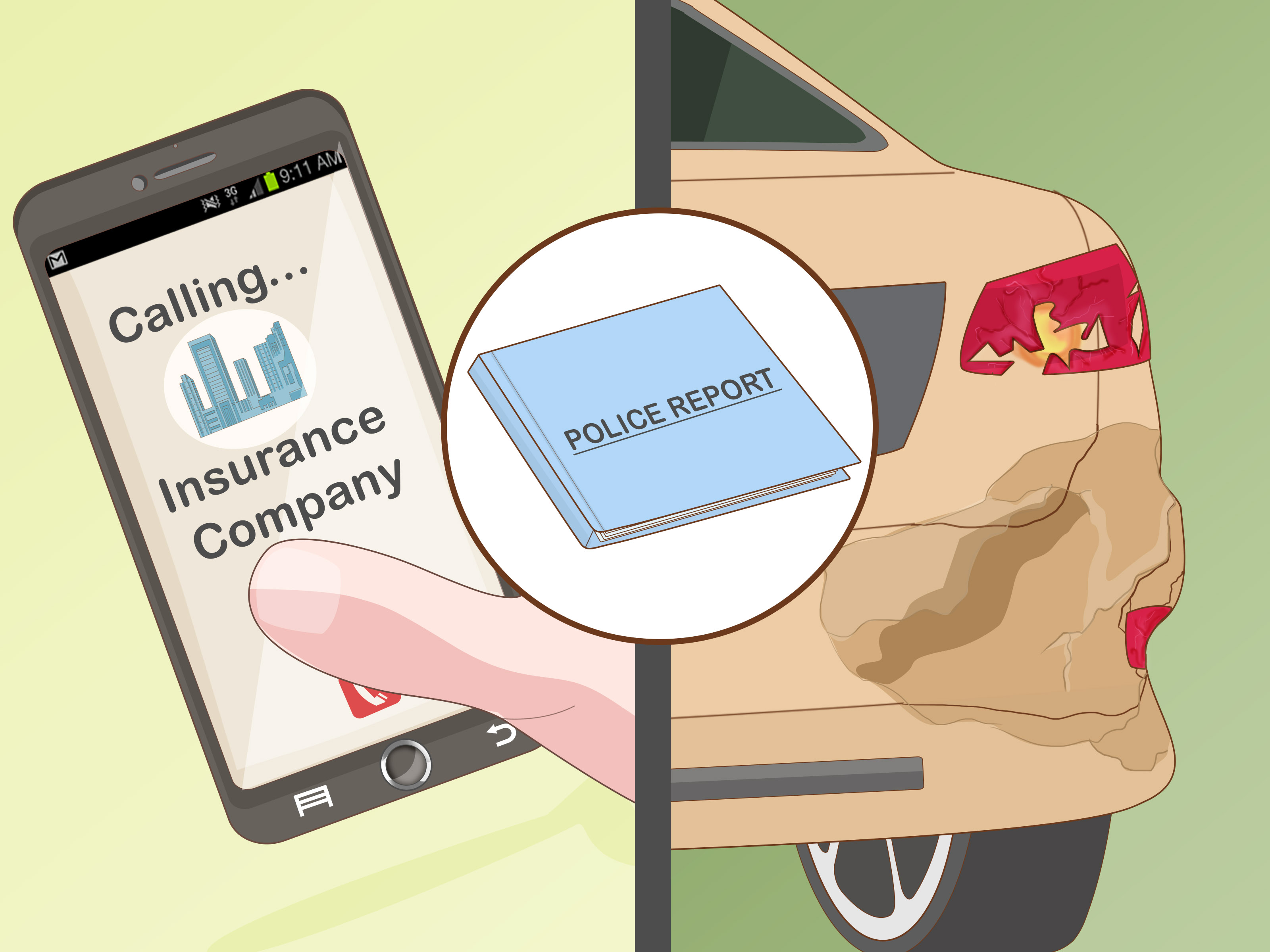
Even when you hope to settle a minor accident privately, contact your insurer or insurance agent quickly to understand your options. Policies often have notice requirements, and delaying notification can complicate a future claim.
Reporting an incident is not always the same as immediately committing to a repair claim. Ask your insurer how the process works, what your deductible is, whether rental coverage applies, and whether they recommend an inspection before repairs.
Have your photos, notes, police report number, witness information, and the other driver’s insurance details ready. Insurance regulators and industry resources advise notifying the insurer promptly and providing complete, accurate documentation for the claim process.
Questions to Ask Your Insurer
- Does my policy cover this type of damage?
- What deductible applies?
- Should I get an estimate before authorizing repairs?
- Do I need to use a preferred repair shop?
- Will the insurer contact the other driver’s insurer?
- What documents or deadlines should I keep in mind?
10. Do Not Repair, Delete, or Throw Away Evidence Too Soon
A scratched bumper may tempt you to grab touch-up paint and move on with your day. Pause before repairing the car. Your insurer may want photos, an inspection, or an estimate first. Keep copies of repair quotes, towing invoices, rental-car receipts, medical paperwork, and every email related to the accident.
Do not delete photos because they look unflattering, and do not discard damaged vehicle parts before an insurer confirms they are no longer needed. Documentation is boring until it becomes the one thing preventing an argument about what happened.
If an airbag deployed, the vehicle should not be treated as ordinary drivable transportation until it is professionally repaired. NHTSA notes that deployed airbags must be replaced before the vehicle is driven again.
11. Monitor Your Health and Follow Up After the Crash
Even after a low-speed accident, watch for pain, stiffness, headaches, dizziness, nausea, confusion, numbness, vision changes, or trouble sleeping. Whiplash and concussion symptoms may not appear immediately, which is why “I felt fine at the scene” should not automatically become “nothing is wrong.”
See a health professional promptly if you develop neck pain or other symptoms after a collision. Seek emergency care for danger signs such as worsening headache, repeated vomiting, weakness, numbness, seizures, slurred speech, unusual confusion, or difficulty staying awake.
If a child was in the vehicle, inspect the car seat carefully and follow the manufacturer’s instructions. NHTSA advises replacing child restraint systems after moderate or severe crashes, while some seats may be reusable after a qualifying minor crash.
What Usually Goes Wrong After a Fender Bender
Most problems after a minor car accident are not caused by the first scrape. They happen afterward, when people rush, assume, or avoid paperwork.
- They leave without enough information. A license plate alone may not be enough for an insurance claim.
- They settle with cash too quickly. Hidden damage behind a bumper can cost more than expected.
- They forget to report the incident. State reporting rules and policy requirements may still apply.
- They repair the car before documenting it. That can make it harder to prove the original damage.
- They ignore symptoms. Pain and concussion-related symptoms can show up hours or days later.
- They argue about blame at the scene. That creates stress without creating useful evidence.
Real-World Lessons From Minor Accident Experiences
The most useful lessons from minor accident experiences tend to be surprisingly unglamorous. They are not about dramatic courtroom speeches or heroic roadside maneuvers. They are about doing ordinary things carefully while your brain is busy replaying the sound of plastic meeting plastic.
Consider a common parking-lot scenario: two vehicles reverse at nearly the same time and bump bumpers. Both drivers may honestly believe the other person “came out of nowhere,” which is impressive because nobody has invented teleportation for compact SUVs. In these moments, photos of vehicle positions, damage locations, parking-lot arrows, and nearby signs can matter far more than an emotional explanation.
Another frequent lesson involves hidden damage. A bumper can look like it survived with only a small scratch, yet the brackets, sensors, camera system, parking assist technology, or reinforcement bar behind it may be damaged. Drivers who accept a quick cash payment at the scene sometimes discover later that the repair estimate is much higher than expected. A polite exchange of insurance information and a professional inspection often protects both people better than a hurried handshake and a few wrinkled bills.
Drivers also learn that a calm conversation is not the same as admitting fault. It is possible to say, “I’m sorry this happened. Let’s make sure everyone is okay and exchange information,” without making a conclusion about legal responsibility. This approach keeps the situation human while avoiding unnecessary statements that could be misunderstood later.
Weather creates another common surprise. A tiny collision in a dry parking lot may be easy to document. The same collision during rain, snow, fog, or rush-hour traffic can become more complicated because the vehicles may need to move quickly for safety. In that situation, taking a few fast photos before moving, noting the exact location, and documenting road conditions can be more valuable than trying to recreate the entire scene afterward.
Many people also regret waiting too long to notify their insurer. They may worry that reporting automatically means higher rates or a complicated claim. But contacting the insurer does not erase your options; it gives you information. You can ask about coverage, deductibles, inspection procedures, repair estimates, and deadlines before making decisions.
Finally, people often underestimate the emotional aftereffect of even a minor crash. You may feel shaky, irritable, distracted, or unusually tired later that day. That does not mean you are overreacting. Stress can make basic tasks harder, which is exactly why a simple checklist is useful. Save your photos, write your notes, make the necessary calls, and give yourself time to settle down before driving again.
A minor car accident is inconvenient, but it does not have to become a long-running administrative saga. Safety first, facts second, paperwork third, and dramatic speeches never.
Conclusion
Knowing how to deal with a minor car accident can turn a stressful moment into a manageable checklist. Stop safely, check for injuries, document the scene, exchange information, follow local reporting rules, contact your insurer, and monitor your health afterward. The best response is not about being perfect under pressure. It is about being calm, factual, and prepared enough to protect yourself, your passengers, and your future claim.