Interest rates determine what money costs. Emotions often determine what people actually do with itand that can be far more expensive.
Financial decisions look wonderfully rational in a spreadsheet. Enter the loan amount, interest rate, term, and expected return, and a tidy answer appears. Unfortunately, human beings do not live inside spreadsheets. We live in homes we fall in love with, markets that frighten us, stores that tempt us, and families that have opinions about what “successful” people should own.
That is why emotions matter more than interest rates in many real-world decisions. A borrower may reject an affordable loan because the economy feels scary. A homebuyer may overpay because the kitchen has a perfect breakfast nook. An investor may abandon a diversified portfolio after one ugly week. Meanwhile, another shopper may finance a shiny truck because the monthly payment sounds harmlesseven though the total cost is anything but.
Interest rates still matter, of course. Math has not resigned. But behavioral-finance research, consumer surveys, and decades of market history show that fear, greed, confidence, regret, social pressure, and impatience frequently decide whether people use that math wisely.
Interest Rates Shape the Cost, but Emotions Shape the Choice
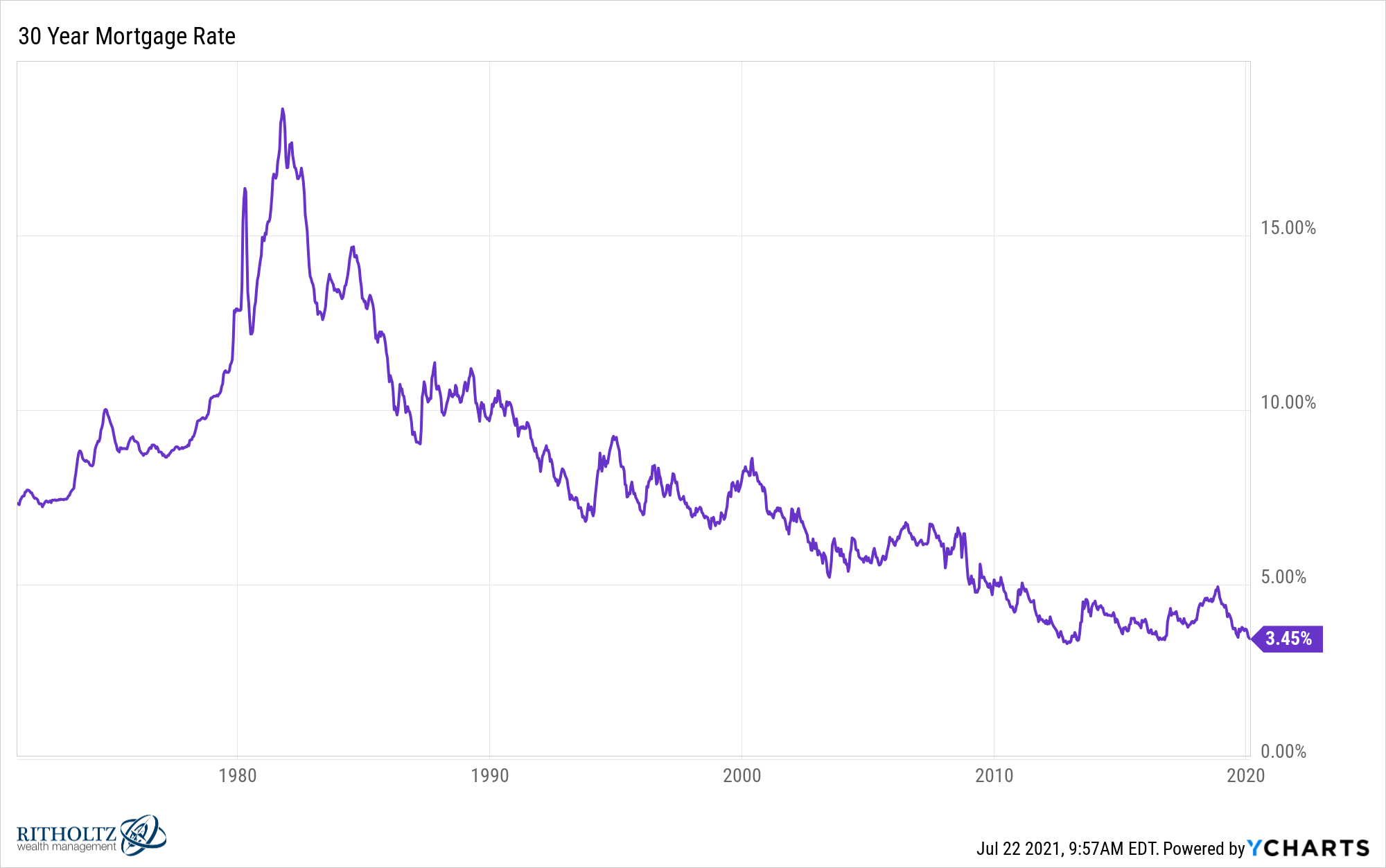
An interest rate affects the cost of borrowing and the potential return on savings. When rates rise, mortgages, auto loans, credit cards, and business financing generally become more expensive. Higher savings yields may also reward people who keep cash in deposit accounts. These effects are real and measurable.
Consider a purely illustrative $300,000, 30-year fixed mortgage. At 6%, the monthly principal-and-interest payment is approximately $1,799. At 7%, it is about $1,996. That differenceroughly $197 each monthis meaningful, especially before property taxes, insurance, repairs, and the mysterious household expense known as “Why is the water heater making that noise?”
Yet the rate alone does not decide whether someone buys. The buyer may proceed because the house represents stability, a good school district, or freedom from a difficult landlord. Another person may wait despite being financially prepared because headlines create anxiety. The first decision could be sensible; the second could also be sensible. The important point is that the emotional meaning of the purchase influences behavior alongside its numerical cost.
The difference between affordability and emotional permission
Affordability asks whether income, savings, debt, and cash flow can support a decision. Emotional permission asks whether the decision feels safe, exciting, respectable, or urgent. People often confuse the two.
A family may technically qualify for a large mortgage but feel trapped by the payment. That discomfort deserves attention. Conversely, a buyer may feel confident simply because a lender approved the application. Approval is not proof that the payment fits the household’s other goals. A lender evaluates repayment risk; it does not know that the borrower wants to change careers, support aging parents, or take a year off to write a novel about an unusually judgmental cat.
Why the Emotional Brain Often Wins
Behavioral finance challenges the old assumption that people consistently make perfectly rational economic choices. Research from organizations including the National Bureau of Economic Research, the Consumer Financial Protection Bureau, the Federal Reserve, the American Psychological Association, and the CFA Institute shows that financial behavior is influenced by stress, expectations, habits, personal narratives, and predictable biases.
Loss aversion makes losing feel unusually painful
People commonly experience losses more intensely than equivalent gains. This is known as loss aversion. In investing, it may cause someone to sell during a decline simply to stop the emotional discomfort. It can also make an investor hold a failing asset for too long because selling would turn a paper loss into an undeniable one.
Loss aversion appears outside the stock market, too. A homeowner may refuse to sell below the price originally paid, even when moving is clearly the better choice. A consumer may keep paying for an unused membership because canceling would feel like admitting the earlier purchase was a mistake.
Present bias gives today a very loud microphone
Present bias describes the tendency to prefer an immediate reward over a larger future benefit. The future version of us wants retirement savings, low debt, and a healthy emergency fund. The present version sees concert tickets and suddenly develops a persuasive economic theory about the importance of live music.
This tendency helps explain why a small monthly payment can feel more attractive than a lower total purchase price. It also explains why automatic retirement contributions work so well: automation makes the responsible action happen before immediate temptation begins its closing argument.
Anchoring turns the first number into mental furniture
People tend to rely heavily on the first relevant number they encounter. A seller’s asking price can become an anchor, even when it has little relationship to fair value. The same problem appears when shoppers focus on a vehicle’s monthly payment, investors fixate on a stock’s previous high, or borrowers compare every mortgage rate with an unusually low rate from years earlier.
An old rate is not a personal entitlement, and a previous market price is not a promise. Decisions should be evaluated against current alternatives, total costs, risks, and personal goals.
Herd behavior makes crowds feel like evidence
When friends are buying homes, trading technology stocks, or discussing a new investment at dinner, joining them can feel safer than standing aside. Social proof is powerful because humans are social creatures. Unfortunately, a crowd can be confident and still be wrong.
The Securities and Exchange Commission warns investors about pressure tactics and fear of missing out because urgency can push people to act before examining risk. “Everyone is getting rich” is not an investment thesis. It is usually the opening line of a future cautionary tale.
Where Emotions Quietly Overrule Interest Rates
Buying a home
Homes combine money, identity, security, status, and family dreams in one extremely expensive package. Buyers may stretch their budgets because a property feels like “the one.” Once emotionally attached, they may minimize inspection problems, underestimate maintenance, or treat negotiation as a contest they must win.
A sound homebuying decision begins with a maximum all-in housing budget established before touring properties. That budget should include the mortgage, taxes, insurance, association fees, utilities, maintenance, and a margin for surprises. The wisest time to set a limit is before the charming porch starts whispering your name.
Borrowing and refinancing
Consumers frequently concentrate on the monthly payment rather than the total amount repaid. Extending a loan term can make a payment look friendlier while increasing the total interest cost. Emotional relief today may therefore create a longer financial burden.
Rate shopping matters. Consumer-finance research has repeatedly emphasized comparing multiple loan offers because rates, fees, discount points, and closing costs can differ. However, comparison works only if the borrower slows down long enough to do it. Excitement, embarrassment about credit, or fear of losing a deal can discourage shopping at precisely the moment it is most valuable.
Investing during volatile markets
Market volatility turns abstract risk into a blinking red number. Fear encourages investors to sell after prices have fallen, while enthusiasm encourages them to buy after prices have soared. Morningstar has highlighted how return-chasing can reduce investor results, and Charles Schwab’s market guidance similarly stresses discipline over panic or greed.
A diversified plan cannot prevent temporary losses, but it can reduce the need to improvise while frightened. Asset allocation should reflect the investor’s time horizon, financial capacity, and genuine ability to tolerate volatilitynot the confidence produced by a long bull market.
Saving, spending, and carrying debt
Money is frequently used to change a feeling. Spending can provide comfort, celebration, control, or social belonging. Saving can create security, but excessive cash hoarding may also reflect anxiety rather than strategy. Some people avoid opening bills because the numbers feel threatening, allowing fees and interest to grow in the dark like particularly unfriendly mushrooms.
The American Psychological Association has documented how common money stress is among Americans. Financial anxiety is not merely a budgeting inconvenience; it can affect relationships, health, concentration, and willingness to confront problems. Avoidance may provide brief relief, but it usually makes the eventual conversation with reality less pleasant.
How to Make Better Financial Decisions Without Becoming a Robot
The solution is not to eliminate emotion. That would be impossibleand rather dull. Emotions contain useful information about values, risk tolerance, and personal priorities. The goal is to prevent a temporary feeling from making a permanent financial decision.
1. Name the emotion before analyzing the numbers
Ask, “What am I feeling right now?” Fear, urgency, envy, excitement, shame, and overconfidence produce different mistakes. Naming the feeling creates a small pause between impulse and action. That pause is surprisingly valuable.
2. Separate the decision from the deadline
Whenever possible, impose a cooling-off period. Wait 24 hours before a major discretionary purchase and longer before an investment, vehicle, or property decision. Legitimate opportunities can survive thoughtful examination. Deals that depend on immediate emotional surrender deserve suspicion.
3. Compare total costs, not attractive fragments
For a loan, examine the annual percentage rate, fees, term, monthly payment, and total repayment. For a home, calculate the complete ownership cost. For an investment, consider fees, taxes, liquidity, diversification, and downside risk. One appealing number should never be allowed to wear a fake mustache and pretend it represents the entire decision.
4. Write rules while calm
Create a personal financial policy before stress arrives. It might specify the size of an emergency fund, conditions for selling an investment, a maximum housing payment, or the amount automatically transferred to savings. Written rules reduce the temptation to invent convenient logic during emotional moments.
5. Use automation and constructive friction
Automate saving, investing, and bill payments so good intentions do not require repeated heroism. Add friction to risky behavior by removing stored payment information, limiting trading alerts, or requiring a second review for purchases above a chosen amount.
6. Consult someone who is not emotionally inside the decision
A fiduciary financial professional, housing counselor, accountant, attorney, or trusted financially capable person can identify assumptions that excitement or fear has hidden. The best adviser does not merely calculate; that person helps connect the calculation to the client’s goals and behavior.
Related Experiences: When Feelings Became the Real Rate
The following composite experiences illustrate patterns commonly seen in household finance. They are not claims about specific individuals, but they reflect situations many borrowers, savers, and investors recognize.
The buyer who waited for the “perfect” mortgage rate
One prospective buyer spent years waiting for mortgage rates to return to a historic low. Financially, the caution appeared reasonable. Emotionally, however, the decision was driven by regret aversion: paying more interest felt like admitting that an earlier opportunity had been missed.
During the wait, rents increased and suitable homes became more expensive. The lesson was not that buying earlier would certainly have been better. Nobody receives tomorrow’s housing data in advance. The lesson was that one rate had become the entire decision. Once the buyer compared a stable payment, expected length of ownership, maintenance reserves, and lifestyle needs, the question changed from “Is this the lowest possible rate?” to “Can this purchase safely support the life I want now?”
The couple seduced by the monthly payment
A couple shopping for a car entered the dealership with a firm price limit. After a test drive, the discussion shifted from purchase price to monthly payment. An extended term made a more expensive model seem affordable, and excitement supplied several excellent reasons why heated seats were practically a medical necessity.
At home, they calculated the total repayment and discovered that the comfortable payment required years of additional debt. The interest rate mattered, but emotional attachment had changed which numbers they were willing to examine. They chose a less expensive model and kept the shorter loan. The car was not as glamorous, but neither was being upside down on an auto loan.
The investor who sold to stop feeling afraid
After a sharp market decline, an investor checked the portfolio several times each day. Each glance renewed the sense of danger. Selling everything produced immediate reliefthe emotional equivalent of silencing a smoke alarm.
The relief did not last. Markets recovered, and deciding when to reinvest became another stressful prediction problem. The investor later adopted a diversified allocation, scheduled portfolio reviews, and created written rebalancing rules. The most useful change was not finding a magical investment. It was building a system that reduced the number of decisions made while frightened.
The saver who treated cash as emotional armor
Another person kept nearly all long-term savings in cash despite having a secure emergency fund and goals decades away. The choice was described as conservative, but its emotional purpose was stronger: the visible balance created safety after childhood experiences with financial instability.
Rather than dismissing that fear, a planner separated true emergency money from long-term investments and introduced risk gradually. The person retained a larger-than-average cash buffer while investing amounts that would not trigger constant worry. It was not the theoretically perfect portfolio. It was a sustainable oneand sustainability often beats a flawless plan abandoned after three nervous weeks.
The borrower who finally opened the statements
A credit-card borrower avoided reviewing statements because the balances caused shame. Minimum payments continued automatically, but high-rate debt barely moved. Once the borrower listed every balance, rate, and minimum payment, the situation became less mysterious. A structured payoff plan directed extra money toward the highest-rate balance while keeping all accounts current.
The mathematics helped, but emotional progress came first. Replacing shame with curiosity made the numbers manageable. That experience captures the central idea: interest rates determine how quickly debt grows, but emotions determine whether someone looks at the debt, makes a plan, and follows it long enough to succeed.
Conclusion: Put Feelings in the Conversation, Not in Charge
Interest rates deserve careful attention. A small difference can substantially affect borrowing costs, investment income, and long-term cash flow. Still, the best rate cannot rescue an unaffordable purchase, prevent panic selling, or turn an impulsive decision into a good one.
Strong financial decisions combine accurate numbers with emotional awareness. Understand what the choice costs, identify what the choice means to you, and create enough time to tell the difference. When feelings are acknowledged instead of ignored, they become useful signals rather than invisible financial advisers.
Ultimately, financial success is rarely about behaving like a calculator. It is about designing habits, limits, and plans that ordinary humans can follow through exciting markets, frightening headlines, and kitchens with dangerously charming breakfast nooks.