If you have ever looked at a neon-blue canned cocktail and thought, “There must be a gentler adult beverage somewhere in this universe,” mead might seem like the answer. Honey wine has an old-world reputation, a short ingredient list, and a certain rustic charm that makes it sound less like a party trick and more like something served after a feast in a candlelit hall. It also tends to attract people who want something that feels more natural than heavily sweetened drinks, flavored malt beverages, or cocktails built like dessert in a glass.
But let’s get the main truth on the table before anyone starts polishing a goblet: mead is not a health drink. It is alcohol. And major U.S. health organizations are increasingly clear that any alcoholic beverage carries risk. So the better question is not, “Is mead healthy?” The better question is, “For adults of legal drinking age who already choose to drink, are there situations where mead may be a better-for-you option than other alcoholic beverages?”
In some cases, yes. Mead can be a more straightforward, less sugar-loaded, less additive-heavy option than certain cocktails and ultra-sweet alcoholic drinks. It may also offer a more flavorful sipping experience that naturally encourages smaller pours. Still, the words better-for-you need a leash. Mead can be a better choice in a comparison, not a free pass in a bottle.
What Mead Actually Is
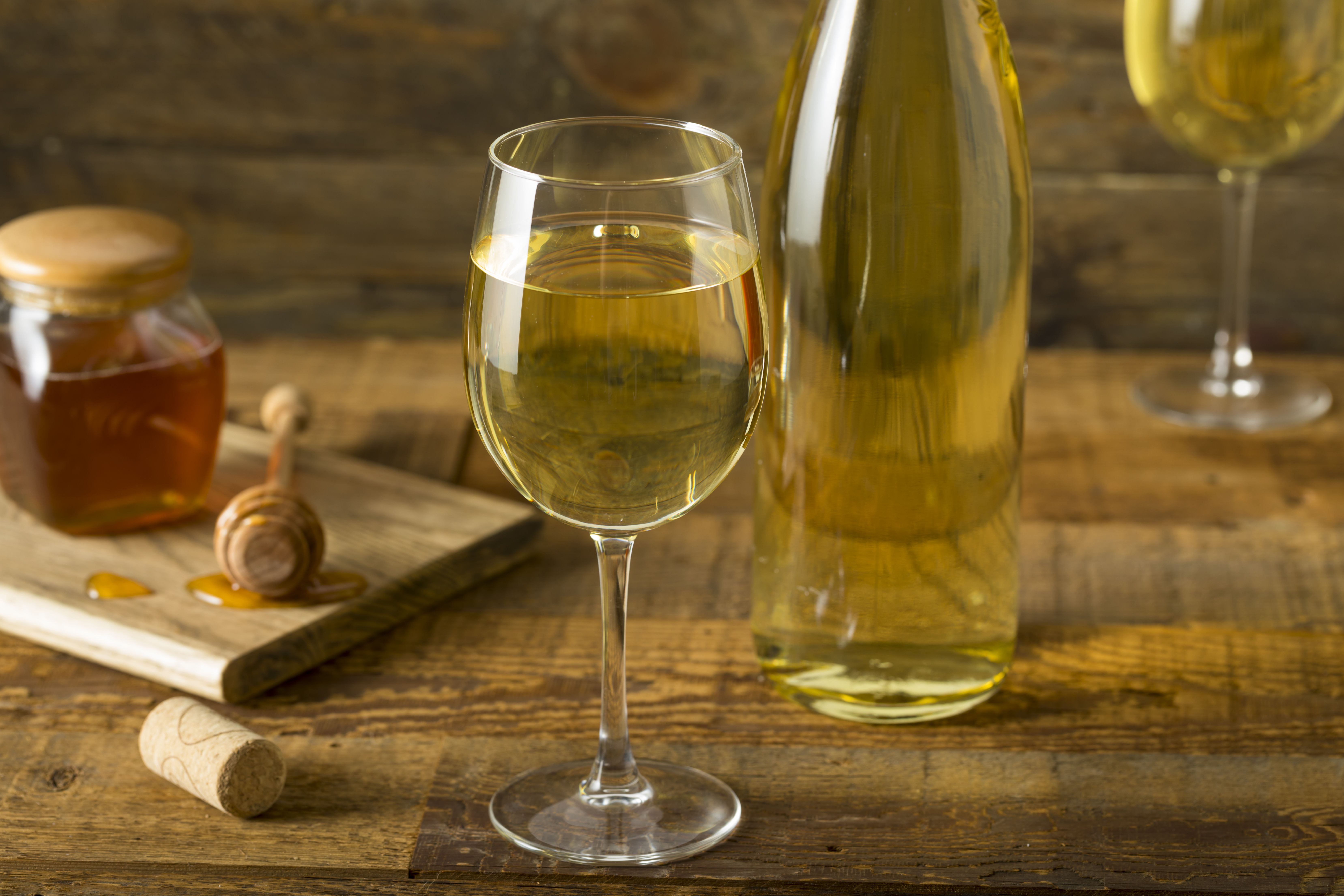
Mead is an alcoholic beverage made by fermenting honey diluted with water, usually with yeast, and sometimes with fruit, herbs, or spices. That core formula is part of its appeal. Compared with many modern drinks that read like a chemistry pop quiz, mead often starts with a simpler ingredient story: honey, water, yeast, and time.
That does not mean every mead is identical. Not even close. Some are dry and crisp. Some are sweet enough to flirt with dessert territory. Some are sparkling, some are still, and alcohol levels can vary widely. Research reviews of mead show that the finished beverage may contain sugars, acids, phenolic compounds, minerals, and aroma compounds that depend on the honey source, fermentation process, and style. In plain English: one bottle of mead can behave very differently from the next.
That variability matters because the health profile of mead depends less on the word mead itself and more on the specific product in the glass. A dry mead and a syrupy, high-alcohol mead are cousins, not twins.
Why Mead Gets a “Better-for-You” Reputation
1. The ingredient list can be refreshingly short
One reason mead gets a wellness halo is that it often feels closer to a traditional fermented product than to a manufactured cocktail beverage. Honey itself is mostly natural sugars, primarily fructose and glucose, along with smaller amounts of other compounds that contribute flavor and aroma. When that base is fermented, the result can feel more transparent than drinks that rely on syrups, artificial flavoring, cream liqueurs, or sweetened mixers.
That simplicity does not erase the alcohol content, but it does mean mead can sometimes be a cleaner comparison when stacked against heavily processed alternatives. If someone is choosing between a honey-based fermented beverage and a sugar-bomb cocktail that tastes like liquefied birthday cake, mead may look like the grown-up in the room.
2. Honey brings more than sweetness to the party
Honey contains antioxidant compounds, plant-derived substances, and trace components that help explain its flavor complexity. Darker and less processed honeys often contain more of these compounds than highly refined sweeteners. Some peer-reviewed mead studies also report phenolic compounds and antioxidative activity in finished mead.
Now for the sober fine print: this does not mean mead works like a health tonic. Fermentation changes the chemistry, and the presence of antioxidants does not cancel out the effects of ethanol. Mead may inherit some interesting compounds from honey, but it is still not a multivitamin wearing medieval cosplay.
3. Mead can encourage slower drinking
Many meads are richer, more aromatic, and more sip-oriented than drinks people tend to pound without thinking. That matters psychologically. Beverages that are enjoyed slowly, in smaller pours, can fit more easily into mindful drinking habits than oversized mixed drinks loaded with sugar and easy to overconsume.
That is not a medical claim. It is more of a behavior observation. Some adults find that mead feels more like something to taste than something to crush. And when a drink invites slower pacing, it may reduce the mindless “how did I finish three of those?” problem.
Where Mead May Have an Edge Over Other Alcoholic Drinks
Compared with sugary cocktails
If the comparison is mead versus cocktails made with soda, syrups, cream liqueurs, sweet-and-sour mix, or multiple spirits, mead may come out ahead on ingredient simplicity and, in some cases, total sugar. A dry or semi-dry mead can deliver flavor without the dessert-drink effect. That can make it a more restrained option for adults who dislike overly sweet alcohol.
Compared with some ready-to-drink beverages
Some canned or bottled alcoholic beverages are built for convenience, not elegance. They may include added sweeteners, flavoring agents, colorants, and a calorie load that sneaks up like a raccoon in the trash. Mead is not automatically low in calories or sugar, but traditional styles can be less cluttered from an ingredient standpoint.
Compared with the idea that “wine is always the healthier pick”
Wine often enjoys the long-running health halo, especially red wine. But major U.S. health organizations do not recommend starting to drink wine, or any alcohol, for health benefits. That matters because mead does not have to beat wine in some imaginary wellness tournament to be worth considering. The more useful comparison is narrower: for adults who already drink, mead may sometimes be a better fit than sweeter, more processed options.
In other words, mead’s advantage is usually about being less bad in certain comparisons, not about becoming a healthy beverage in its own right.
Where the Health Halo Falls Apart
Alcohol is still the main character
The strongest argument against treating mead like a better-for-you beverage is simple: all alcohol contains ethanol, and ethanol is linked to health risks. U.S. public health guidance is clear that drinking less is better for health than drinking more, and no major medical body recommends taking up alcohol for wellness reasons. The cancer risk associated with alcohol applies across beverage types. Mead does not get a honey-shaped exemption.
ABV can be surprisingly high
Here is where mead can quietly outsmart people in the worst way. Mead styles often vary widely in alcohol by volume. Some are relatively modest, while others land in territory more comparable to strong wine. Since a U.S. standard drink depends on the amount of pure alcohol, not the romance of the label, a small pour of strong mead may contain more alcohol than people realize. That makes “just one glass” a potentially fuzzy math problem.
Sugar content can swing dramatically
Because mead starts with honey, many people assume it must be naturally balanced. Sometimes it is. Sometimes it is basically a sweet tooth wearing formalwear. Residual sugar levels vary a lot depending on fermentation and style. A dry mead can be leaner and more restrained, while a sweeter mead may carry a significant sugar load. So the health value of mead depends heavily on which mead you mean.
Calories still count
Alcohol supplies calories but few nutrients. That is true whether the beverage is beer, wine, spirits, or honey wine. If a drink tastes smooth and sweet, it can also be dangerously easy to underestimate. For people watching body weight, blood sugar management, or overall calorie intake, mead is not automatically friendly just because it sounds artisanal.
It can still affect sleep, blood pressure, and long-term health
Alcohol can disrupt sleep quality, raise blood pressure, and increase the risk of several diseases over time. That is especially relevant for people who think a “nicer” drink means a “safer” drink. The body does not grade on a curve because your beverage came from fermented honey instead of a can with a tropical thunderstorm on it.
So, Is Mead Actually Better for You?
The honest answer is: sometimes, in a limited and highly conditional way.
Mead may be the better-for-you beverage option when the comparison is specific. For example, compared with extra-sugary cocktails, heavily flavored canned drinks, or dessert-style alcoholic beverages, some meads may offer:
- a shorter ingredient list,
- less reliance on added mixers and syrups,
- a more sip-worthy profile that naturally slows consumption, and
- flavor complexity from honey rather than from a laboratory’s social life.
But mead is not better for you than not drinking. It is not a proven health beverage. It is not an excuse to ignore alcohol-related cancer risk, calorie load, sleep disruption, or the possibility of overconsumption. And it is definitely not something anyone should start drinking because it sounds old, natural, or bee-adjacent.
So the most accurate headline-within-the-headline would be this: mead may be a smarter alcoholic choice in certain side-by-side comparisons, but it is not a wellness product.
Who Should Be Especially Cautious
Even when mead seems like the more thoughtful choice, it is still a poor fit for many people. That includes anyone under the legal drinking age, people who are pregnant, anyone taking medications that interact with alcohol, people with liver or pancreatic disease, those with a history of alcohol use disorder, and people whose doctors have advised them to avoid alcohol. It can also be a risky choice for people managing sleep issues, high blood pressure, certain mental health conditions, or blood sugar concerns.
For these groups, the “better-for-you” debate is basically over before it starts.
The Real Better-For-You Move
If there is a genuinely healthier lesson hiding inside the mead conversation, it is not that honey wine is magic. It is that adults who already drink may benefit from being more selective. Drinks with fewer extras, more transparent ingredients, and a profile that encourages slower sipping can make it easier to stay mindful. That is the actual upgrade.
And if we are being brutally honest, the best health move is even less glamorous: drink less often, drink less overall, or skip alcohol entirely. No beverage marketer wants that on a T-shirt, but public health data keeps crashing the party with the same answer.
Still, if an adult of legal drinking age is already choosing an alcoholic beverage, mead can sometimes earn a spot on the shortlist. Not because it turns alcohol into health food. Not because Vikings secretly invented preventive medicine. But because, in the messy real-world lineup of alcoholic drinks, a well-made mead may offer a more natural-feeling, less sugar-saturated, more thoughtful option than many of its flashier competitors.
Experience Notes: How Adults Often Describe Mead in Real Life
One reason mead keeps finding new fans is that the experience around it often feels different from standard drinking culture. Adults who try mead for the first time frequently expect something sticky, overly sweet, or aggressively “renaissance fair.” Then they taste a dry or semi-dry version and realize it can be surprisingly elegant. The reaction is often less “party fuel” and more “wait, this is actually interesting.” That shift matters because people tend to approach interesting drinks differently from disposable ones.
At dinner, for example, mead is often described as a beverage people sip more slowly than a canned cocktail or a generic mixed drink. The honey notes, floral aroma, spice accents, or fruit additions can invite attention rather than speed. Instead of gulping it while scrolling a phone and forgetting what it tasted like, adults often talk about mead the way they talk about a dish at a good restaurant: noticing texture, sweetness, acidity, and how the flavor changes from the first sip to the last. That alone can reshape the whole occasion.
Another common experience is that mead feels less exhausting than sweeter alcohol-heavy drinks. Many adults say that after years of sticky mixers, syrupy happy-hour specials, and beverages that seem to contain enough sugar to qualify as frosting, mead feels more restrained. Not always lighter in calories, not always lower in alcohol, but often less chaotic in flavor. It can feel more like a beverage built around ingredients and fermentation than around a marketing team trying to make alcohol taste like candy.
There is also the social angle. Mead tends to create a different mood from drinks associated with speed, volume, and noise. Adults often describe it as a conversation drink: something poured in smaller servings, shared during meals, tastings, holidays, or quiet gatherings. In that setting, the beverage becomes part of the table rather than the point of the night. That distinction is subtle, but powerful. When alcohol is not the main event, it often becomes easier to keep it in perspective.
Some people who are trying to cut back on alcohol also describe mead as a drink they choose less often, but more intentionally. Because it is not as habitual as beer or as easy to over-order as a familiar cocktail, it may encourage more deliberate choices. That does not make it healthier by default, but it can support a healthier mindset around alcohol: less autopilot, more awareness.
Of course, experiences vary. Some adults love mead; others find it too sweet, too strong, too unusual, or too expensive for regular use. And that may actually be part of its advantage. Drinks that are treated as occasional, flavorful, and worth paying attention to are often less likely to become background consumption. In the end, many adults who reflect honestly on their experience with mead reach the same conclusion: the real win is not that honey wine is secretly good for you. It is that it can sometimes fit into a more thoughtful, less excessive relationship with alcohol overall.