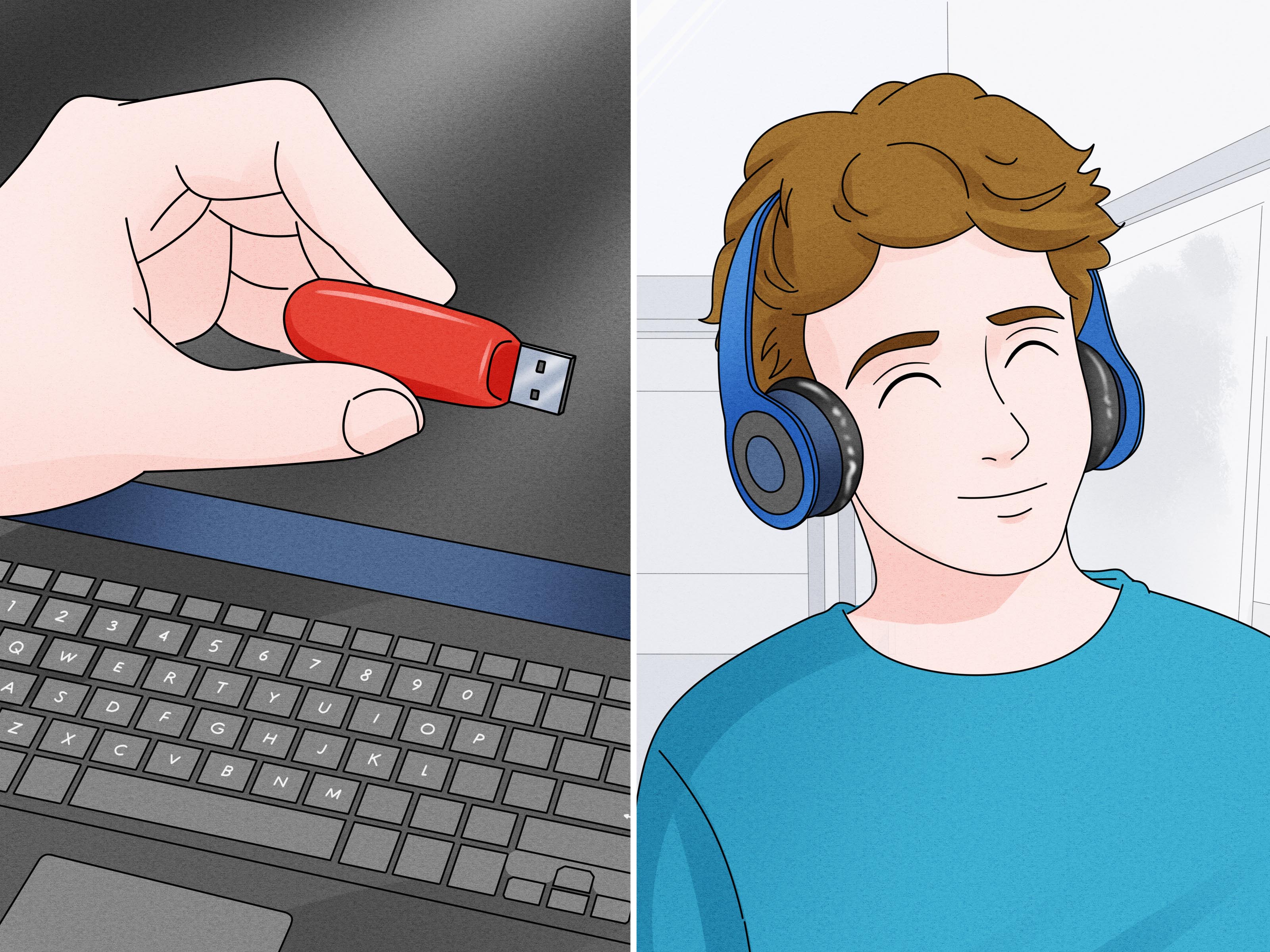
Music can turn a dull worksheet into something almost cinematic. Suddenly, solving algebra feels like preparing a spacecraft for launch, and organizing vocabulary words becomes a tasteful montage. But listening to music in class is not simply a matter of inserting earbuds and hoping nobody notices. The smart approach is to respect the teacher, follow school rules, protect your hearing, and make sure the music supports your work instead of quietly stealing your attention.
This guide explains how to listen to music in class responsibly in eight practical steps. It is designed for independent work periods, study halls, art projects, and other situations in which a teacher permits personal audio. It is not a guide to hiding earbuds, ignoring instructions, or creating an elaborate sleeve-based headphone operation worthy of a spy movie.
Can Music Actually Help You Focus in Class?
Sometimes. Background music can improve your mood, reduce the annoyance of surrounding noise, and make repetitive work feel less tiring. A familiar instrumental playlist may also create a mental cue that says, “All right, it is time to work.” For some students, that steady sound is calmer than hearing chairs scrape, pencils tap, and three separate conversations about lunch.
However, the effect depends on the student, the task, and the music. Songs with lyrics can compete with reading, writing, memorization, and spoken instruction because the brain is trying to process two streams of language at once. Fast, dramatic, or unfamiliar tracks may also pull attention away from schoolwork.
Music is therefore a tool, not a magic focus potion. The goal is to use it deliberately and stop using it when it makes your performance worse.
How to Listen to Music in Class in 8 Responsible Steps
Step 1: Check the School and Classroom Rules
Before reaching for your headphones, learn what is allowed. Some schools prohibit personal devices during the entire school day. Others permit them before class, during lunch, in study hall, or during teacher-approved independent work. A teacher may also have a rule that is stricter than the general school policy.
Ask a direct, low-drama question such as, “May I listen to quiet instrumental music while we work independently?” This is better than asking while already wearing two earbuds and holding your phone under the desk like it contains national secrets.
If the answer is no, accept it. Arguing usually does not improve the rule, your grade, or the atmosphere in the room.
If music is part of an accommodation or individualized learning plan, follow the agreed procedure. The teacher may ask you to use a particular device, keep one ear open, or listen only during certain activities. Clear expectations prevent misunderstandings.
Step 2: Choose the Right Moment
Permission to use headphones does not mean they belong in every part of class. Music is usually a poor choice during lectures, discussions, demonstrations, group work, tests, emergency announcements, or any activity that requires close listening.
Even quiet music can cause you to miss a changed deadline, a safety instruction, or the exact sentence that later appears on the quiz. The best time is normally a clearly defined independent work period.
Wait until the teacher finishes giving directions. Confirm that you understand the assignment, gather your materials, and then start the music. Remove or pause it as soon as the teacher begins speaking to the class.
Use a simple rule: if another person needs your attention, the music stops. That includes teachers, classmates, librarians, lab partners, and anyone telling you that your backpack is leaking an unidentified liquid.
Step 3: Use Simple, Classroom-Appropriate Headphones
Choose headphones that are comfortable, reliable, and easy to pause. Small wired earbuds eliminate battery worries, while wireless earbuds reduce cable clutter. Over-ear headphones may block background noise more effectively, but some teachers dislike them because they can make a student appear unavailable.
Follow the classroom preference rather than treating headphone selection as a constitutional issue.
Avoid models that leak sound. If nearby students can identify the song, your private listening session has become an unwanted concert. Also avoid wearing one earbud at an excessively high volume to compensate for classroom noise.
Label your headphones and store them in a clean case. Sharing earbuds is generally a bad idea because they can collect dirt and germs. Tangled cords also have a special talent for becoming impossible knots five seconds before class begins.
Step 4: Keep the Volume Low and Protect Your Hearing
Safe listening matters more than powerful bass. Repeated exposure to loud sound can damage hearing over time, and headphones place the sound source very close to your ears.
Start at the lowest audible setting and increase it only enough to hear the music comfortably. You should still be able to notice your name, a bell, or an important announcement. If someone sitting beside you can hear the music, it is probably too loud.
Volume warnings on phones and tablets are useful, but they are not invitations to negotiate with the device. Take regular listening breaks, especially during long study periods. Ringing ears, muffled hearing, discomfort, or the urge to keep raising the volume are signs that you should stop and give your ears a rest.
Noise-canceling or well-sealed headphones may help you listen at a lower level because you are not trying to overpower the room. However, they should not disconnect you completely from your surroundings, particularly in science labs, workshops, hallways, or anywhere safety instructions matter.
Step 5: Build a Focus-Friendly Playlist
A classroom playlist should support concentration, not demand a standing ovation. Instrumental music, soft classical pieces, ambient tracks, lo-fi beats, gentle jazz, nature sounds, and familiar video-game soundtracks often work better for language-heavy tasks than songs with prominent lyrics.
Match the music to the assignment. For reading and essay writing, choose calm, predictable tracks without words. For repetitive tasks such as organizing notes or completing routine practice problems, a slightly more energetic rhythm may help you maintain momentum.
For creative drawing or design work, a broader playlist may be fine as long as it does not lead to accidental desk drumming.
Familiarity also matters. New songs invite analysis: Who is this artist? What was that lyric? Should this go into my favorites? A playlist you already know creates fewer surprises. Make it long enough that you do not need to search for another track every four minutes.
Step 6: Prepare Everything Before Class
Download your playlist in advance when possible. School Wi-Fi may block streaming services, slow down during busy periods, or disappear precisely when you need it. Offline music also reduces the temptation to browse videos, messages, comments, and recommendations.
Charge your device and headphones, turn off nonessential notifications, and enable a focus mode if one is available. Open the playlist before class so you can start it with one tap.
Do not spend ten minutes selecting the perfect soundtrack while the assignment sits untouched. At that point, the playlist has become the assignment.
Use clean versions of songs if there is any chance other people may hear them. Avoid music videos because they add visual distraction and consume more data. A locked screen, downloaded audio, and a prepared queue create the simplest setup.
Step 7: Stay Responsive and Keep Working
The strongest proof that music helps you is visible progress. Keep your materials open, follow the directions, and complete the assignment at a reasonable pace. Pause the audio immediately when the teacher approaches or addresses the class.
Making the teacher repeat instructions because “the chorus was really good” is not a persuasive defense.
Do not constantly change songs. Frequent skipping turns listening into a second task and encourages phone checking. Let the playlist run. If a track is distracting, remove it later rather than opening the music app every few minutes.
Remain aware of your classmates. Do not sing, hum loudly, tap the desk, or share one earbud during work time. Music should reduce disruption, not create a tiny two-person festival in the back row.
Step 8: Test Whether Music Truly Improves Your Results
Students often judge music by how enjoyable work feels, but enjoyment and performance are not always the same. Run a simple experiment. Complete similar assignments under two conditions: one with your usual playlist and one in silence.
Compare your completion time, accuracy, comprehension, and how often you became distracted. You may discover that instrumental music helps with routine math practice but hurts reading comprehension. You may work well with music for the first 20 minutes and then need silence.
You may also learn that your “focus playlist” contains six songs that cause you to stop writing and perform an invisible guitar solo.
Adjust your habits based on evidence. Use music for the tasks it improves, lower the volume when concentration slips, and choose silence when the work is complex. The most mature listening habit is knowing when not to listen.
Common Mistakes to Avoid
The biggest mistake is treating permission as permanent. A teacher may allow music on Tuesday during a worksheet and prohibit it on Wednesday during a science experiment. Pay attention to the situation rather than assuming one yes applies forever.
Another mistake is using music to escape the class instead of supporting the work. If you are watching album animations, answering messages, rebuilding playlists, or checking what friends are listening to, the device is no longer acting as a study tool.
Keep the screen off and the controls simple. Do not use music to cover up confusion, either. If you do not understand the assignment, pause the audio and ask for help. No playlist, including one titled “Extreme Academic Genius Mode,” can replace clear instructions.
When You Should Not Listen to Music in Class
Keep your headphones off when the teacher is explaining new material, when classmates are presenting, during group activities, during assessments unless music is explicitly permitted, and in situations involving tools, chemicals, movement, or safety procedures.
Music should also stop when it makes you anxious, sleepy, overstimulated, or less accurate. Students who have difficulty processing speech, switching attention, or filtering sound may need a different approach.
Some students benefit from quiet instrumental audio, while others perform best in silence or with neutral background noise. A teacher, counselor, special education professional, audiologist, or health professional can help identify an appropriate strategy when listening needs are connected to learning or hearing concerns.
Experiences From Using Music During Classwork
One of the most useful lessons about classroom music is that the same playlist can feel brilliant during one assignment and completely wrong during another. During a long set of familiar math problems, low-volume instrumental music can create a steady rhythm. The room feels less distracting, the work becomes easier to continue, and checking each answer feels almost automatic. The music is present, but it stays in the background where it belongs.
Then comes an English reading assignment. The same student starts a favorite pop playlist and reaches the bottom of a page with no memory of what happened. The eyes moved, the page technically got read, and yet the brain apparently left the building. Switching to instrumental musicor turning the audio offoften makes the difference. This experience shows why the best classroom listening plan changes with the task.
Another common experience involves permission. A student may assume a teacher dislikes all headphones, only to learn that the teacher allows them during the final 20 minutes of independent work. Asking politely creates a clear agreement: directions first, one ear available, low volume, and immediate pausing when the teacher speaks. Once those expectations are established, the student can listen without constantly wondering whether trouble is approaching from behind.
Preparation also matters more than expected. A carefully downloaded playlist works smoothly, while an unprepared phone invites distraction. The student opens a streaming app, sees a message, checks a notification, watches a recommended clip, and somehow ends up reading comments about a song released eight years ago. Ten minutes disappear. The problem was not music itself; it was the doorway into everything else on the device.
Volume is another lesson people often learn through discomfort. In a noisy room, it is tempting to keep turning the sound up. After class, the ears may feel tired or slightly muffled. A better experience comes from using headphones that fit well, sitting farther from loud groups when permitted, and keeping the volume low enough to remain aware of the room. Music should make the work period calmer, not leave the ears feeling as though they attended a stadium concert.
Some students also find that a repeated playlist becomes a productive ritual. Hearing the same quiet opening track signals that it is time to begin. The first song is used for organizing materials, the next few for focused work, and the final track as a reminder to review answers. This routine can reduce procrastination because the decision-making happens before class, not during it.
The most honest experience, however, is discovering that music does not always help. On tired days, even gentle audio may add mental clutter. During difficult material, silence may make it easier to hold several ideas in mind. Responsible listeners do not force music into every task simply because they enjoy it. They use it when it improves concentration and put it away when it does not. That flexibility is what turns classroom music from a distraction into a useful study habit.
Conclusion
Learning how to listen to music in class is mostly about judgment. Ask permission, choose an appropriate moment, use comfortable headphones, protect your hearing, prepare a focus-friendly playlist, limit phone distractions, stay responsive, and evaluate your actual results.
When those habits are in place, music can make independent work calmer and more enjoyable without disrupting the lesson. The best classroom listener is not the person with the most advanced earbuds or the most carefully named playlist. It is the student who notices what the class requires, respects the people nearby, and can pause the music without acting as though civilization has ended.
Note: This guide supports music use only when it is permitted by the teacher, school policy, and any applicable learning plan. It does not recommend hiding earbuds, ignoring instructions, or using audio in unsafe situations. The article was informed by established hearing-safety guidance, educational research, psychology publications, and classroom-management resources from reputable U.S. health, university, and education organizations.