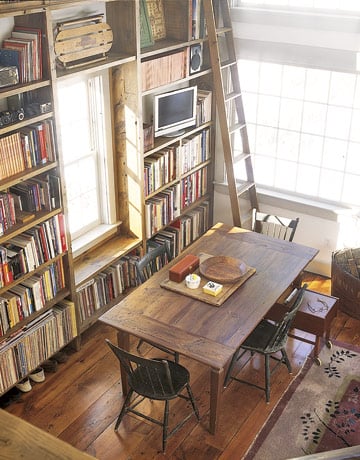
Farmhouse styling is less about turning your living room into a stage set for an imaginary butter-churning competition and more about creating a home that feels useful, warm, honest, and comfortably collected. At its best, farmhouse interior design combines practical furniture, natural materials, familiar patterns, vintage character, and enough breathing room for everyday life. The result can work in a century-old rural house, a suburban new build, or a city apartment where the closest farm animal is a pigeon with confidence issues.
The style has evolved far beyond white shiplap, black hardware, and signs announcing that the kitchen is, indeed, a kitchen. Traditional farmhouse rooms often feature darker woods, aged finishes, sturdy silhouettes, and pieces that appear to have served several generations. Modern farmhouse decor keeps that sense of comfort but introduces cleaner lines, simpler layouts, and more restraint. Today, the freshest rooms borrow from both approaches while adding color, craftsmanship, regional references, and personal objects.
What Defines Farmhouse Styling?
Authentic farmhouse styling begins with function. Farmhouses were working homes, so their furnishings had to survive muddy boots, large meals, and changing seasons. That practical foundation still matters: a farmhouse-style room should invite people to sit, cook, gather, and put down a coffee mug without triggering a household emergency.
Natural and Honest Materials
Wood is the visual backbone of the look, especially when its grain, knots, or hand-finished character remain visible. Stone, brick, iron, brass, cotton, linen, rattan, clay, and ceramic add variation. Reclaimed materials contribute history, but new materials work when chosen for durability and texture rather than fake distressing. One aged table is charming; an entire room of factory-made “weathered” furniture can look as though it lost a fight with a belt sander.
A Collected, Not Coordinated, Appearance
Farmhouse rooms feel strongest when they appear to have developed gradually. A new sofa can sit beside an antique table, and a contemporary lamp can illuminate a vintage quilt. Mixing periods creates contrast, prevents the design from becoming a theme, and lets the home reflect its occupants.
Comfort Without Clutter
Cozy does not require covering every surface with lanterns, ceramic chickens, and miniature windmills. Use fewer objects with more presence: a wooden bowl, well-used cookbooks, an old landscape, a hand-thrown vase, or a basket that actually stores something.
Build a Farmhouse Color Palette That Feels Alive
Warm white, cream, oatmeal, putty, tan, and soft gray remain useful farmhouse colors because they reflect light and create a calm background for wood and textiles. The mistake is assuming every surface must be pale. A room made entirely of beige may be soothing for five minutes and then begin to resemble an unseasoned casserole.
Add depth with olive green, muddy blue, tobacco brown, charcoal, rust, dusty rose, or deep slate. Use these shades on cabinetry, an island, a front door, upholstery, or a powder room. Current guidance increasingly favors richer color, pattern, and regional personality over formulaic all-white schemes.
Let one quiet neutral cover the largest surfaces, introduce wood and earth tones through furniture and flooring, and add one deeper accent. Repeating that accent in three places helps the room feel intentional without appearing aggressively matched.
Use Texture to Create Warmth
Texture is what keeps a neutral farmhouse room from feeling empty. Pair smooth plaster or painted walls with rough wood, woven shades, linen curtains, a nubby wool rug, aged leather, glazed pottery, and softly wrinkled bedding. Contrast matters more than quantity. A sleek stone counter looks warmer beside an oak cutting board; a simple cotton slipcover gains interest next to a vintage trunk; a polished brass sconce feels relaxed against beadboard.
Change textiles with the season: linen, cotton, light quilts, and flat-weave rugs in warm months; wool throws, heavier curtains, and thicker rugs in cold months. Farmhouse style should acknowledge the radical concept that January and July are not the same month.
Room-by-Room Farmhouse Styling Ideas
Farmhouse Living Room
Start with generous, comfortable seating in a durable fabric. A slipcovered sofa, leather chair, spindle-back accent chair, or simple upholstered bench can establish a relaxed foundation. Arrange furniture for conversation rather than pointing every seat toward the television as though it is delivering important agricultural news.
Add a substantial coffee table and a rug large enough to sit beneath the front legs of the main furniture. Mix ambient lighting with task lamps and sconces. A vintage-style chandelier adds character, but scale matters: too large can make guests feel they are dining beneath farm equipment.
Finish with landscape art, family photographs, pottery, books, baskets, and greenery. Preserve beams, fireplaces, built-ins, and original woodwork when they exist, but remember that furnishings and textiles can provide character without expensive architectural imitation.
Farmhouse Kitchen
The farmhouse kitchen should feel like a place where cooking happens, not a showroom where one lonely lemon sits under professional lighting. Shaker cabinets, apron-front sinks, butcher-block details, honed stone, brick, handmade tile, and worktable islands can support the look, but none is mandatory. Prioritize storage, durable surfaces, and one or two memorable materials.
Mix painted cabinets with a wood island, brass hardware with black lighting, or polished stone with reclaimed shelving. Display copper pans, wooden boards, ceramics, and everyday dishes; hide the bulk paper towels and the blender attachment nobody can identify.
Balance rustic details with clean contemporary elements. Reclaimed wood looks fresher beside natural light and uncluttered cabinetry, while an old workbench or trestle table can become an island when its height and surface are practical.
Farmhouse Dining Room
A farmhouse dining room centers on hospitality. Choose a stable, appropriately scaled table, then mix chairs for an accumulated look. A bench adds seating, although adults may discover that climbing over three relatives is less charming than advertised.
Use a pendant to define the dining zone and add a sideboard or antique cabinet for linens. Replace generic signs with a landscape, botanical prints, framed recipes, vintage maps, or collected plates.
Farmhouse Bedroom
In the bedroom, softness should lead. Layer pale sheets with a quilt or patterned blanket. Choose a simple wood, iron, or upholstered bed, then add mismatched nightstands of similar visual weight, linen curtains, bedside sconces, and a vintage rug.
Keep the palette restful, then introduce a floral, stripe, plaid, or small-scale wallpaper. An old chest adds storage, while a bench works at the foot of the bed. Aim for settled and comfortable, not a museum of rural sleeping habits.
Farmhouse Bathroom
A farmhouse bathroom benefits from straightforward fixtures and tactile finishes: beadboard, painted cabinetry, natural stone, penny tile, aged brass, dark bronze, or a furniture-style vanity. Clawfoot tubs add character, but modern showers also fit when paired with warm materials.
Reserve open shelves for towels, soap, and attractive daily items; six years of half-empty travel toiletries do not qualify. A framed mirror, shaded sconce, small rug, and real artwork make the room feel furnished rather than merely equipped.
How to Style a Farmhouse Home on a Budget
Spend first on seating, mattresses, tables, lighting, and storage. Save on accents through estate sales, thrift stores, salvage yards, and local marketplaces. Seek solid construction rather than a perfect finish; loose joints, strong odors, and active insect damage deserve a polite farewell.
Paint can transform walls, doors, hutches, and vanities without major construction. Upgrade builder-grade hardware and lighting gradually, use fuller pillow inserts, frame inexpensive art well, and bring in real branches or seasonal clippings.
Choose DIY projects that solve a need: build a peg rail, add shelves, sew café curtains, or refinish a table. Avoid checklist architecture. A barn door that blocks switches, rattles, and provides no privacy is less “rustic charm” and more “ongoing household grievance.”
Farmhouse Styling Mistakes to Avoid
Using Too Many Clichés
One rustic sign can be playful. Twelve signs explaining how to eat, gather, wash, relax, and live make the house feel as though it hired a motivational speaker. Choose personal or useful objects instead.
Making Everything White and Black
The white-wall, black-window formula can be attractive, but repeating it everywhere feels generic. Add stained wood, aged metals, colored cabinetry, pattern, and locally meaningful art.
Faking Age Everywhere
Real patina develops unevenly. Repeated artificial distressing looks theatrical. Let new pieces look new, and allow a few old pieces to carry the history.
Ignoring the Architecture
A Southwestern home, coastal cottage, bungalow, and urban loft should not receive identical treatment. Respond to local materials, climate, light, and architecture. Current guidance emphasizes retaining original features, using regional references, and limiting overused devices such as shiplap.
How to Keep Farmhouse Style Timeless
Choose quality over labels. A solid table, well-made sofa, wool rug, handmade lamp, or antique cabinet can outlast trends. Build around comfort and function, then add character through material, color, and objects.
Mix in other influences. Coastal farmhouse adds blue and woven texture; industrial farmhouse introduces steel and darker finishes; Scandinavian farmhouse favors pale wood and simplicity; English or French country brings florals, curves, and antiques. Hybrid rooms feel personal because they are not trapped inside one formula.
Let your home show evidence of your life: pottery you use, books you read, art you love, and furniture that supports your routines. The best farmhouse homes do not look untouched. They look cared for.
Conclusion
Farmhouse styling succeeds when comfort, usefulness, and character lead. Start with sturdy furniture and natural materials, layer texture, introduce meaningful color, combine new pieces with genuine vintage finds, and respect the architecture.
You do not need a wraparound porch, exposed beams, or a resident goat. A welcoming table, worn rug, good lighting, useful basket, and one excellent old cabinet can outperform a truckload of themed accessories. Make the home feel grounded, generous, and easy to live in.
Experience Notes: What Farmhouse Styling Teaches You in Real Life
The first practical lesson of farmhouse styling is that a room rarely needs more decor as urgently as it needs better arrangement. Moving a sofa away from the wall, centering a rug correctly, lowering a pendant, or clearing one crowded surface can create a bigger improvement than buying another basket. This is mildly inconvenient news for anyone hoping that a decorative dough bowl will solve everything, but it is excellent news for the budget.
A second lesson is that vintage shopping rewards patience. The best rooms are not assembled during one heroic Saturday at a home store. They grow slowly. You might find the right dining table first, then wait months for chairs that complement it without matching exactly. A flea-market cabinet may need cleaning, a minor repair, or new hardware, but it can contribute more character than several brand-new accent pieces. The waiting period also helps clarify what the room actually needs. Many impulse purchases lose their appeal before they ever reach the checkout screen.
Living with natural materials teaches another useful truth: perfection is a poor long-term roommate. Wood develops marks. Linen wrinkles. Brass changes color. Leather softens. Stone may show variation. In a farmhouse-style home, these changes can become part of the appeal rather than evidence that the house is failing an inspection. That does not mean neglecting maintenance. It means distinguishing graceful wear from actual damage and choosing materials whose aging process you can appreciate.
Farmhouse styling also exposes the difference between visual comfort and physical comfort. A wooden bench may photograph beautifully, but it should not be the only seating offered during a three-hour family dinner. A mountain of pillows can look inviting until someone has to relocate all of them before sitting down. Open shelves are charming until every object becomes coated in cooking residue. Successful styling considers how a room behaves after the photograph is taken.
One of the most reliable experiences is that personal items outperform generic decorations. A framed recipe written by a grandparent, a landscape from a local artist, a repaired family chair, a bowl made by a nearby potter, or a collection connected to travel gives visitors something real to notice. These objects make the room specific. They also prevent farmhouse decor from becoming a costume assembled from the same five retail aisles.
Finally, the best farmhouse homes are forgiving. They accommodate children, pets, guests, hobbies, seasonal changes, and imperfect housekeeping. Washable covers, durable rugs, generous tables, closed storage, and practical entry zones matter because life is messy. A home can still be beautiful while admitting that shoes exist. In practice, farmhouse styling works not because it recreates the past, but because it offers a sensible design philosophy for the present: buy fewer things, choose useful things, repair good things, welcome people, and leave enough room for the house to change with you.