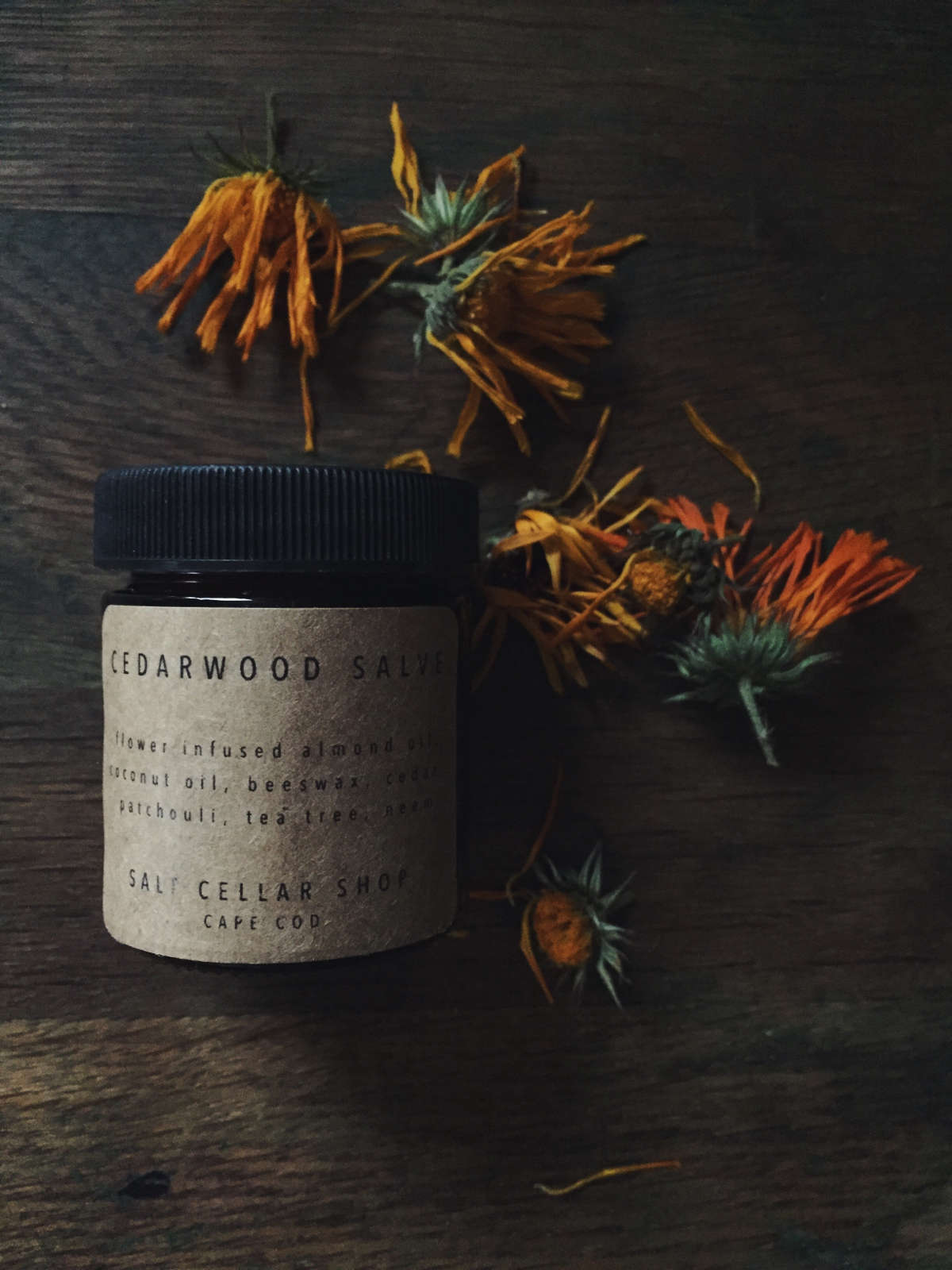
Some interior trends arrive with a drumroll, a neon sign, and a price tag that makes your wallet quietly leave the chat. Others are more enduring. Bringing the outdoors in belongs firmly in the second cate park and more about making your home feel connected to the light, colors, textures, and seasonal rhythm outside.
That is the appeal behind the Gardenista-inspired indoor-outdoor living trend. It favors rooms that feel relaxed rather than overly decorated, practical rather than precious, and alive without looking like a garden center exploded near the sofa. Think sculptural branches in a clay vessel, linen curtains moving in a breeze, weathered wood, a big leafy plant in the right corner, and a patio that feels like a natural continuation of the living room instead of a separate universe with sad plastic chairs.
The best part is that you do not need a glass-walled house in California or a garden designed by someone named Sebastian to make it work. A small apartment, a suburban kitchen, a rental bedroom, or a compact balcony can all borrow ideas from the outdoors. The secret is not adding more stuff. It is choosing the right natural elements and giving them room to breathe.
What “Bringing the Outdoors In” Really Means
Bringing the outdoors in is often described as biophilic design, but you do not need to memorize that phrase unless you enjoy making casual conversations at brunch unexpectedly academic. At its simplest, the approach connects indoor spaces with nature through plants, daylight, views, natural materials, earthy colors, organic shapes, and seasonal details.
Gardenista-style spaces tend to avoid the “buy every green object in one afternoon” strategy. Instead, they create a visual conversation between the home and the landscape. A room might echo the olive green of trees outside, repeat the warm tone of a brick patio, or use oak, stone, rattan, linen, and woven baskets to soften a modern interior.
The point is not to copy nature exactly. Nobody is asking you to install moss on the ceiling or invite a squirrel to supervise your dining room. The goal is to make a home feel less sealed off from the world beyond its walls.
Start with Light Before Buying a Single Plant
Natural light is the quiet overachiever of indoor-outdoor design. It changes the mood of a room, shows off texture, makes colors look more honest, and determines whether your future houseplant becomes a lush roommate or an expensive pile of regret.
Read the Room Like a Plant Would
Before choosing greenery, notice how light moves through your home. A bright south- or west-facing room may be suitable for sun-loving plants, while north-facing or shaded rooms often work better with plants that tolerate lower light. “Low light” does not mean “no light,” however. Even easygoing plants need enough light to function, much like the rest of us before coffee.
Spend a day observing where the sun lands. Notice whether windows receive direct light, filtered light, or mostly reflected light from nearby buildings. This simple step can prevent a very common design mistake: choosing a plant because it looks gorgeous online and then placing it somewhere it cannot realistically thrive.
Use Window Treatments That Work with Daylight
Heavy curtains have their place, especially when privacy matters, but they can make a room feel disconnected from its surroundings. Consider linen panels, woven shades, sheer curtains, or simple blinds that filter light without blocking it completely. These materials add softness while allowing the outdoor view to remain part of the room.
For spaces with beautiful views, resist the urge to crowd every windowsill. A single ceramic vase, a trailing plant, or a small cluster of herbs can frame the view without turning it into a cluttered obstacle course.
Use Plants as Living Architecture
Plants are often treated like accessories: one on a coffee table, one on a shelf, one hovering near a window while silently plotting revenge for inconsistent watering. A more thoughtful approach is to use them as living architecture. Their height, shape, leaf texture, and movement can define a room just as much as a chair or lamp.
Choose One Plant with Presence
A large plant can anchor a room beautifully. A tall palm, ficus, dracaena, rubber plant, or bird-of-paradise can soften a hard corner and draw the eye upward. The key is scale. A small plant on the floor beside a tall sofa can look lost. A larger specimen, placed in a substantial planter, feels intentional.
If your room has limited light, choose a plant suited to it rather than forcing a dramatic sun lover into a dim corner. ZZ plants, snake plants, pothos, and certain philodendrons are often practical choices for lower-light interiors. The “right plant, right place” rule may not sound glamorous, but it is much more glamorous than replacing a plant every three weeks.
Create Layers Instead of a Plant Parade
A convincing indoor garden has variation. Combine a tall plant with a medium tabletop plant and something trailing or hanging. Mix broad leaves with delicate foliage. Pair a rough terracotta pot with a woven basket or a smooth stone planter. This gives the eye a sense of depth, much like a real garden where everything does not grow at exactly the same height.
For small homes, use vertical space. A wall-mounted planter, a slim plant stand, a hanging pothos, or a trailing philodendron on a bookcase can introduce greenery without stealing valuable floor space. A vertical garden can work beautifully, but only if you are ready to maintain it. A neglected living wall has the emotional energy of a sad salad bar.
Bring in Natural Materials, Not Just Greenery
Plants may be the obvious stars of the indoor-outdoor living trend, but natural materials do much of the heavy lifting. Wood, stone, clay, rattan, jute, linen, leather, cotton, cane, and woven fibers add texture that feels grounded and warm.
Choose Materials That Age Gracefully
Gardenista-inspired interiors are not obsessed with keeping every surface perfectly untouched. A wood dining table that develops character, a linen slipcover that relaxes over time, or a clay pot with subtle mineral marks can feel more inviting than something that looks permanently shrink-wrapped.
Use materials that make sense for how you live. A jute rug may add warmth, but it may not be ideal for a home with muddy dogs, messy children, or one adult who treats every glass of red wine like an action movie prop. Natural design should be livable, not a daily test of your stress tolerance.
Mix Texture in a Controlled Way
Natural interiors can become visually flat if everything is beige, smooth, and overly coordinated. Layer warm wood with pale stone, woven baskets, matte ceramics, leafy plants, and soft fabrics. Keep the colors connected, but let textures vary.
A simple living room formula might include a neutral sofa, a wood coffee table, a woven side chair, a clay lamp, a linen throw, and one substantial plant. None of these elements need to shout. Together, they create a room that feels collected rather than staged.
Use Color Like a Landscape Designer
Nature offers an endless color palette, but it rarely uses every color at full volume in the same place. That is a helpful lesson for interiors. Instead of filling a room with obvious leaf-print green, draw from quieter outdoor tones: moss, sage, bark, clay, fog, sand, charcoal, sky blue, muted rose, or the soft gray-green of eucalyptus.
Choose one or two nature-inspired colors as a thread through the room. An olive throw pillow, a faded blue vase, an earthy green wall, or rust-colored ceramics can establish the mood without making the space resemble a themed restaurant.
Botanical wallpaper, floral fabric, and nature-inspired artwork can also work well, especially when used selectively. A powder room, hallway, bedroom alcove, or one accent wall is often enough. The goal is to create atmosphere, not to convince visitors they have wandered into a Victorian conservatory during a thunderstorm.
Make the Indoor-Outdoor Transition Feel Intentional
If you have a porch, deck, patio, balcony, garden room, or even a tiny concrete step outside your back door, use it as part of the home rather than an afterthought. The strongest indoor-outdoor spaces create continuity between the two zones.
Repeat a Few Elements Across Both Spaces
Continuity can be as simple as repeating colors, materials, or shapes. A black metal planter indoors can relate to black metal chairs outside. A warm oak table indoors can be echoed with teak or wood-toned furniture on the patio. Indoor cushions may inspire outdoor pillows in similar colors or patterns.
You do not need matching furniture sets. In fact, a space often looks more relaxed when it is not overly matched. The goal is visual conversation, not a furniture family reunion where every chair wears the same outfit.
Design Outdoor Areas Like Real Rooms
Outdoor spaces feel more inviting when they have a purpose. Create a dining zone, a reading corner, a small coffee spot, or a lounge area with comfortable seating. Use outdoor rugs, planters, lighting, weather-resistant pillows, and side tables to add the same comfort you expect indoors.
Even a small balcony can become a retreat with one chair, a compact table, a few well-chosen plants, and soft lighting. You do not need an enormous yard. You need a reason to step outside and stay there longer than it takes to retrieve a package.
Celebrate the Seasons Indoors
One of the most charming ways to bring nature into the home is to let your interior change with the seasons. This does not require a full decorating overhaul every three months. It simply means paying attention to what is available outside.
In spring, use flowering branches, bulbs, and fresh greens. In summer, bring in herbs, garden roses, hydrangeas, or leafy cuttings. In fall, try dried grasses, seed heads, branches, apples, pumpkins, or warm-toned textiles. In winter, evergreen cuttings, bare branches, paperwhites, and candlelight can create a quiet, natural mood.
Seasonal styling feels better when it is slightly imperfect. A few branches from the yard in a simple vessel can be more compelling than a giant artificial arrangement that looks like it attended a board meeting.
Practical Plant Care: The Part No Mood Board Can Do for You
Beautiful houseplants need care that matches their conditions. Light, temperature, humidity, watering habits, soil, and drainage all matter. The exact needs vary by plant, but a few principles are reliable.
Choose pots with drainage holes whenever possible. Standing water can damage roots, and decorative containers without drainage are best used as cachepots that hold a nursery pot inside. Check soil before watering rather than following a rigid calendar. Some plants prefer to dry slightly between waterings, while others like more consistent moisture.
Dust leaves occasionally so they can receive light more effectively. Rotate plants when needed so growth stays balanced. Watch for pests before bringing outdoor plants inside. And do not fertilize aggressively just because a plant has produced one new leaf and you feel emotionally invested in its career.
Most importantly, buy fewer plants and learn their needs well. A small collection of thriving greenery is more beautiful than a crowded room full of botanical chaos.
Common Mistakes That Make the Trend Feel Forced
Bringing the outdoors in should make a home feel calmer, not more complicated. Avoid filling every horizontal surface with plants, using fake greenery as a substitute for thoughtful design, or choosing natural materials that do not fit your lifestyle.
Another common mistake is ignoring scale. Tiny plants disappear in large rooms, while oversized plants can overwhelm small ones. Give greenery breathing room, use planters that feel proportionate, and let a few meaningful pieces do the work.
Finally, avoid treating the trend as a fixed formula. Your version may include herbs in a kitchen window, vintage garden tools on a wall, a bowl of citrus on the table, a leafy tree in the corner, or simply better access to daylight. The best indoor-outdoor homes look personal, not copied from a showroom.
Experiences with Bringing the Outdoors In: What It Feels Like in Real Life
The most memorable indoor-outdoor spaces rarely begin with a dramatic renovation. They usually begin with a small realization: a room feels better when it has something alive in it. That may be a trailing pothos near the kitchen window, a vase of clipped branches on a dining table, or a balcony chair that finally gives you a reason to sit outside for ten minutes without staring at your phone.
One common experience is discovering that a single large plant can completely change a room. A living room with neutral furniture may feel plain until a tall tree-like plant is placed near a window. Suddenly, the ceiling seems taller, the corner feels less empty, and the whole room gains a sense of movement. It is a small design shift, but it often makes a space feel more finished than adding another pillow ever could.
Another experience comes from using seasonal clippings. A few olive branches, blooming stems, dried grasses, or evergreen cuttings can make a home feel connected to the time of year. These arrangements do not need to be perfect. In fact, the slightly wild look is often the point. A branch that bends awkwardly or a flower that opens at its own pace brings an unplanned quality that manufactured decor cannot imitate.
People also notice how much outdoor access changes their habits. A balcony with a small table becomes a coffee spot. A porch with a lantern and comfortable chair becomes a place to read. A patio with layered lighting becomes a gathering place after dinner. The transformation is not only visual. It can change how a home is used, making people more likely to pause, step outside, notice the weather, and enjoy a slower moment.
There is also the very real learning curve of plant care. Nearly everyone who starts collecting houseplants eventually has a moment of confusion involving yellow leaves, soggy soil, mysterious brown tips, or a plant that appeared perfectly happy at the store but suddenly looks like it has lost faith in humanity. These moments are normal. They teach you to observe light, watering patterns, air circulation, and seasonal changes rather than treating plants like decorative objects.
Small-space dwellers often find that bringing the outdoors in is more about editing than adding. A studio apartment may only have room for one floor plant, two small windowsill herbs, and a woven basket. But that can be enough. The goal is not to recreate a conservatory. It is to create a sense of connection. A little greenery, natural texture, and daylight can make even a compact home feel less boxed in.
The most successful experiences tend to feel personal. Maybe the branches come from a family garden. Maybe the kitchen herbs are used in dinner. Maybe the patio holds an old chair that belonged to a grandparent. These details matter because they make the indoor-outdoor trend feel like a lived-in extension of everyday life, not just a design project with good lighting.
Final Thoughts: Let Nature Do Some of the Decorating
The Gardenista-inspired approach to bringing the outdoors in is not about building a flawless indoor jungle or buying a cart full of decorative rattan in one weekend. It is about creating rooms that feel connected to the natural world through light, greenery, texture, color, and seasonal change.
Start with what your home already offers. Notice the view from the window. Add one plant that suits the light. Bring in a natural material you genuinely like. Create a more welcoming transition to the patio or balcony. Let the room evolve slowly. Nature is patient, and fortunately, good design can be too.
Note: Plant needs and outdoor conditions vary by species, season, climate, and home environment. Choose plants and materials that suit your available light, maintenance routine, household needs, and local weather.