Measles is back in the headlines, and not in a nostalgic “remember lunchboxes and Saturday morning cartoons?” kind of way. Across the United States, measles cases have climbed sharply after years of declining routine vaccination coverage. The pattern is not mysterious: when fewer people receive the measles, mumps, and rubella vaccine, also known as the MMR vaccine, measles finds the gaps. And measles is very good at finding gaps.
This highly contagious virus spreads through the air, can linger after an infected person leaves a room, and is famous among infectious disease experts for being almost unfairly efficient. If measles were a marketing department, it would have terrifying conversion rates. In communities where vaccination levels fall below the protection threshold, one imported or local case can turn into an outbreak before anyone has finished saying, “Was that just allergies?”
The recent increase in measles cases tied to a drop in vaccination rates is a reminder that public health wins are not self-maintaining. The United States declared measles eliminated in 2000, meaning the disease was no longer continuously spreading within the country. That achievement depended on high MMR vaccination coverage. As coverage falls, especially in pockets of undervaccinated communities, the old disease gets a new invitation.
Why Measles Cases Are Rising Again
The most important reason measles cases are rising is simple: vaccination coverage has slipped. National kindergarten MMR coverage has fallen below the 95% target often cited for strong community protection. During the 2024–2025 school year, U.S. kindergarten MMR coverage was reported at about 92.5%, and hundreds of thousands of kindergartners attended school without documentation of completing the MMR series.
That may sound like “only a few percentage points,” but measles does not require a giant opening. It only needs a hallway, a waiting room, a classroom, a church gathering, an airport gate, or a birthday party where enough people are susceptible. A community can look protected on paper while still containing neighborhoods, schools, or social groups with much lower coverage.
The Herd Immunity Problem
Herd immunity is the idea that when enough people are immune, a virus struggles to spread. For measles, that “enough” number is high because the virus is so contagious. Many public health experts point to roughly 95% coverage with two MMR doses as the level needed to prevent sustained outbreaks.
When vaccination rates drop below that level, the community shield gets holes in it. Babies too young to receive their first routine MMR dose, people with severe immune system problems, and individuals who cannot receive live vaccines depend on everyone else’s immunity. In other words, vaccination is not just a personal seat belt. It is also the guardrail on the road.
How Contagious Is Measles?
Measles is one of the most contagious human infections known. Among people without immunity, about 9 out of 10 who are exposed may become infected. The virus spreads through coughing, sneezing, breathing, and contaminated air. It can remain in the air or on surfaces for up to two hours after an infected person leaves.
That means measles does not need dramatic contact to spread. No handshake. No shared fork. No movie-style sneeze directly into someone’s face. A susceptible person can walk into a room after an infected person has left and still be at risk. This is why measles outbreaks often move quickly through schools, healthcare settings, childcare centers, religious communities, and travel hubs.
Why the Rash Is Not the Starting Line
One of the trickiest things about measles is that people can spread it before the classic rash appears. Early symptoms often look like a respiratory illness: fever, cough, runny nose, red or watery eyes, and general misery. The rash usually appears later, often several days after symptoms begin.
By the time measles is obvious, the person may already have exposed others. Public health teams then have to move quickly: identify contacts, check vaccination records, isolate cases, notify exposed people, and protect high-risk individuals. It is detective work, medical response, and calendar management all rolled into one very stressful spreadsheet.
Vaccination Rates and Measles Outbreaks: The Connection
The connection between lower vaccination rates and rising measles cases is not just theoretical. Recent U.S. outbreaks have overwhelmingly involved people who were unvaccinated or whose vaccination status was unknown. In recent CDC summaries, the vast majority of confirmed cases have fallen into those categories.
This does not mean the MMR vaccine fails when a vaccinated person gets measles. No vaccine is perfect. But the MMR vaccine is highly effective: one dose is about 93% effective against measles, and two doses are about 97% effective. Vaccinated people who do become infected often have milder illness and are generally less likely to spread the virus.
The bigger story is that measles spreads best where vaccination coverage is low. A single case in a highly vaccinated community may stop after limited transmission. A single case in an undervaccinated cluster can become an outbreak. That is why local vaccination pockets matter as much as national averages.
What the Recent U.S. Numbers Show
Recent U.S. measles data has been striking. After years with relatively low case numbers, the country saw a major jump in 2025, followed by continued high activity in 2026. The increase has included many outbreak-associated cases, meaning cases connected to chains of transmission rather than isolated one-off infections.
That matters because outbreak-associated measles suggests the virus is not simply being imported and stopped. It is finding enough susceptible people to keep moving. Public health experts watch this closely because prolonged transmission can threaten the country’s measles elimination status.
Children Are Often at the Center of the Risk
Children and teens have made up a large share of recent measles cases. This is not surprising. School settings bring people together indoors for long stretches, and young children may be unvaccinated, partially vaccinated, or too young for full protection. Children under 5 are also at higher risk of complications.
But adults are not magically exempt. Adults without evidence of immunity can get measles too, especially if they travel, work in healthcare, attend large gatherings, or live in communities with low vaccination rates. Measles is an equal-opportunity nuisance with a passport.
Why Some Vaccination Rates Have Dropped
The drop in vaccination rates has several causes. Some families missed routine healthcare visits during and after the COVID-19 pandemic. Others faced access barriers such as transportation, insurance confusion, clinic shortages, or difficulty getting appointments. In some communities, vaccine exemptions have increased. And misinformation has played a loud, glitter-covered role in making simple decisions feel complicated.
Online vaccine myths often move faster than accurate information because fear is more clickable than nuance. Claims about the MMR vaccine and autism, for example, have been repeatedly studied and rejected by scientific evidence, yet the myth still wanders the internet like a zombie in a lab coat.
Access and Trust Both Matter
It is easy to blame every missed shot on hesitancy, but that would be too simple. Some families want vaccines and still struggle to get them. They may live far from clinics, work hourly jobs with little flexibility, or lack a regular pediatrician. Others may distrust public health messages because of past experiences, confusing guidance, or political noise.
Improving vaccination rates means doing more than repeating “get vaccinated” louder. It means making vaccines easy to access, answering questions respectfully, offering clear information, and rebuilding trust one conversation at a time.
What Measles Actually Does to the Body
Measles is sometimes dismissed as “just a rash,” which is a bit like calling a house fire “just some unexpected lighting.” Measles can cause high fever, cough, runny nose, red eyes, Koplik spots inside the mouth, and a rash that spreads from the face downward. Many people recover, but the illness can be severe.
Complications can include ear infections, diarrhea, dehydration, pneumonia, and encephalitis, which is inflammation of the brain. Pneumonia is one of the most common serious complications and can be life-threatening. Encephalitis can lead to seizures, hearing loss, intellectual disability, or death.
Measles can also weaken immune memory, making people more vulnerable to other infections after recovery. That means the trouble does not always end when the rash fades. The virus may leave the immune system looking like someone deleted important files and forgot to empty the trash.
Who Is Most at Risk?
Anyone without immunity can get measles, but some groups face higher risk of severe outcomes. These include infants too young for routine vaccination, children under 5, adults over 20, pregnant people, and people with weakened immune systems.
Pregnancy adds special concern because measles infection can increase the risk of complications such as miscarriage, premature birth, and low birth weight. People with severe immunocompromise may not be able to receive the MMR vaccine because it is a live attenuated vaccine, which makes community protection even more important.
Travelers Should Pay Attention
International travel can bring measles into the United States, especially from countries experiencing outbreaks. But recent U.S. patterns show that importation is only part of the story. The bigger question is what happens after measles arrives. If it lands in a highly vaccinated community, it may stop. If it lands in an undervaccinated one, it may unpack its suitcase.
Families planning international travel should check MMR recommendations before departure. In some situations, infants 6 through 11 months may be advised to receive an early MMR dose before travel, though they still need the routine two-dose series later.
What Parents Should Know About the MMR Vaccine
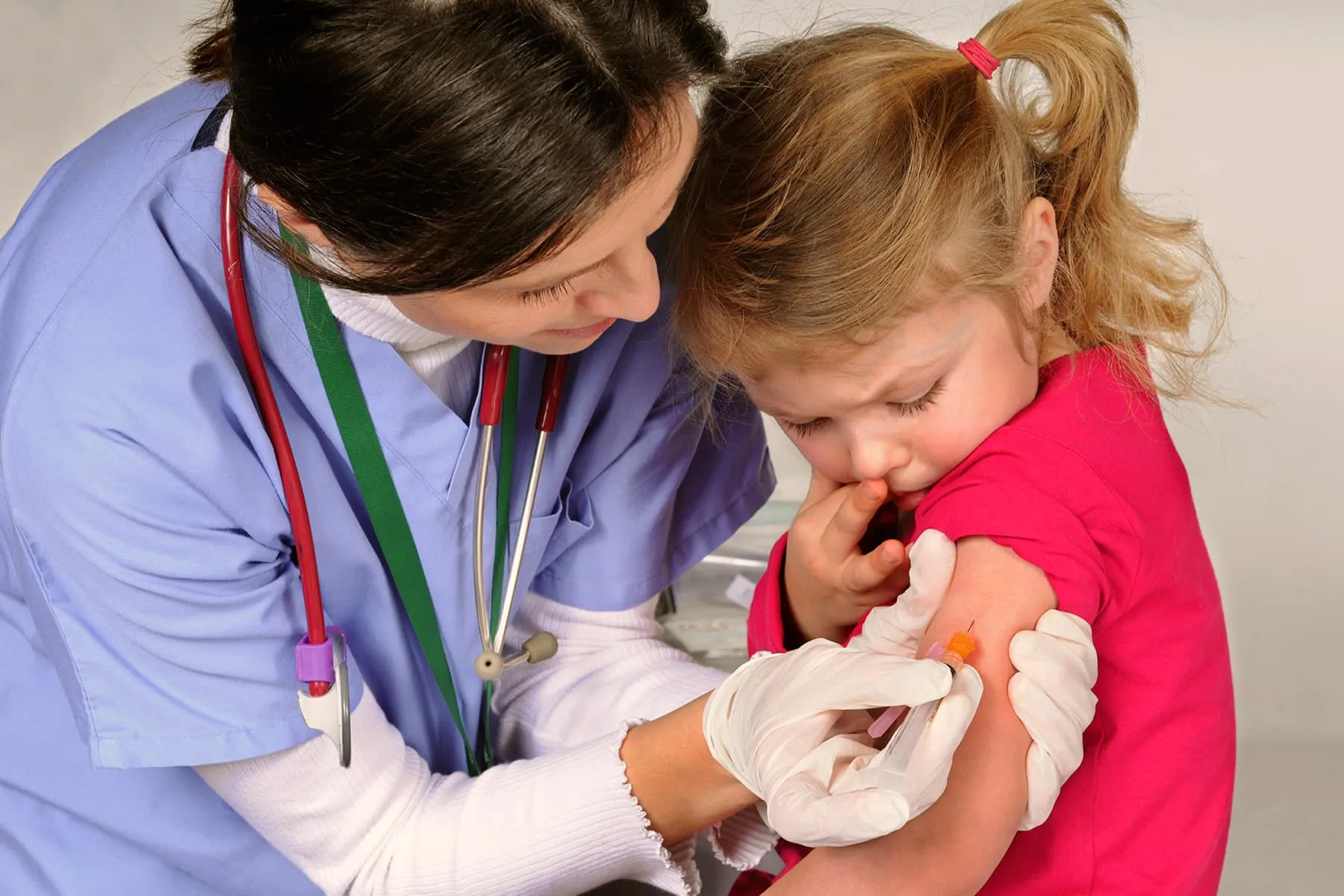
The routine MMR schedule in the United States recommends the first dose at 12 through 15 months and the second dose at 4 through 6 years. The vaccine protects against measles, mumps, and rubella. Some children receive MMRV, which also includes varicella protection.
The MMR vaccine has been used for decades and is considered safe and effective. Common side effects are usually mild, such as soreness at the injection site, fever, or a mild rash. Serious reactions are rare. People with specific medical conditions, severe allergies to vaccine components, pregnancy, or severe immune suppression should talk with a healthcare provider about whether and when vaccination is appropriate.
What If Someone Is Exposed?
If someone is exposed to measles and is not immune, timing matters. MMR vaccination within 72 hours of exposure may provide protection or make illness milder. Immune globulin may be recommended within six days for certain high-risk people, such as infants, pregnant people without immunity, or people with weakened immune systems.
Anyone who thinks they may have measles should call a healthcare provider before going to a clinic, urgent care, or emergency department. Walking into a waiting room while contagious can expose babies, cancer patients, pregnant people, and others at high risk. Calling first gives the clinic time to arrange safe evaluation.
Why “Personal Choice” Has Community Consequences
Vaccination decisions can feel personal because they involve a child, a family, and a medical choice. But measles turns individual decisions into community outcomes. When many people in the same area skip vaccination, the risk does not stay neatly inside each household. It spreads to classrooms, playgrounds, grocery stores, worship services, and pediatric waiting rooms.
This is the public health math that measles forces us to confront: one family’s risk tolerance can become another family’s emergency. A newborn cannot choose vaccination. A child receiving chemotherapy cannot simply “boost their immune system.” A pregnant person exposed in a waiting room cannot rewind the day.
How Communities Can Stop the Trend
The good news is that measles prevention is not a mystery. The MMR vaccine works. Outbreak response works. Clear communication works. Communities can reduce measles risk by improving routine vaccination coverage, catching up children who missed doses, strengthening school vaccine record systems, and responding quickly to exposure alerts.
Healthcare providers also play a major role. Parents often trust their child’s doctor more than national institutions, social media influencers, or comment sections that appear to be powered by caffeine and panic. A calm, respectful conversation with a clinician can help families sort facts from fear.
Practical Steps for Families
- Check your child’s MMR record and confirm both doses are complete.
- Ask your healthcare provider about catch-up vaccination if any doses were missed.
- Review vaccine needs before international travel.
- Call ahead before visiting a clinic if measles symptoms appear after exposure.
- Use trusted sources such as pediatricians, local health departments, and established medical organizations.
Experience-Based Reflections: What Rising Measles Cases Feel Like in Real Life
Behind every measles statistic is a very human scene. Picture a parent getting a school email that says a child in the building may have exposed others to measles. Suddenly, the afternoon plan changes from “buy bananas and survive homework” to “find the immunization record from 2019.” The record is probably in a folder, or an app, or a portal with a password last used during a lunar eclipse. Stress arrives before the rash does.
For pediatric clinics, a measles alert can transform an ordinary day. Staff must identify who may have been exposed, separate potentially contagious patients, protect infants in the waiting room, and answer worried calls. The phone rings. Then it rings again. Then it rings with the emotional intensity of a smoke alarm. Most callers are not anti-vaccine activists or public health experts. They are parents asking, “Is my child safe?”
Teachers and school nurses experience the tension too. Schools are built for learning, not outbreak management, yet vaccination gaps pull them into the front line. A school nurse may have to review records, contact families, explain exclusion rules, and reassure staff. Meanwhile, teachers try to keep math class moving while half the adults in the building are quietly wondering whether a cough is “just a cough.”
Families with babies too young to be vaccinated often feel especially exposed. A parent of a 7-month-old cannot simply schedule the routine first dose early without medical guidance unless there is a travel or outbreak recommendation. That parent depends on community immunity. When vaccination rates drop, their baby’s safety net gets thinner through no choice of their own.
Then there are families with immune-compromised children. For them, measles is not a headline. It is a threat that can change daily routines: avoiding crowded places, calling clinics before appointments, checking exposure notices, and hoping strangers make responsible decisions. The emotional burden is heavy because protection depends partly on people they will never meet.
Public health workers experience another side of the story. During an outbreak, they trace contacts, verify vaccination records, coordinate testing, issue alerts, and sometimes face anger for delivering inconvenient news. Their work is invisible when prevention succeeds and painfully visible when prevention fails. Nobody throws a parade for the outbreak that did not happen, though honestly, maybe we should. There could be confetti shaped like tiny immune cells.
The lesson from these experiences is not that people should panic. Panic is a poor strategy and terrible at paperwork. The lesson is that measles prevention is practical, proven, and shared. Checking vaccination records, catching up on missed doses, and listening to qualified medical guidance are ordinary actions with extraordinary effects. They keep classrooms open, protect babies, reduce hospitalizations, and prevent families from learning the hard way that measles is much more than a rash.
Conclusion
The increase in measles cases tied to lower vaccination rates is a warning sign, but it is also a solvable problem. Measles returned not because the virus became magical, but because immunity gaps widened. The MMR vaccine remains the strongest protection, and high community coverage remains the best way to stop outbreaks before they grow.
When vaccination rates fall, measles spreads. When vaccination rates rise, measles runs out of places to go. That is the whole plot, and thankfully, we already know the ending we want.