Winter has a sneaky talent. One minute you are lighting a cinnamon candle and promising yourself “just one cookie,” and the next minute your jeans are negotiating terms like a tiny labor union. Winter weight gain is common, but it is not some mysterious seasonal curse delivered by snowflakes. In most cases, it happens because cold weather, shorter days, holiday food, stress, sleep changes, and lower activity quietly team up.
The good news? Winter weight gain is not inevitable. You do not need to live on celery sticks, cancel every party, or jog through a blizzard like a fitness commercial with questionable judgment. The goal is to understand why weight tends to creep up during colder months and build realistic habits that keep you healthy, satisfied, and still able to enjoy a warm bowl of soup without treating it like a moral crisis.
What Is Winter Weight Gain?
Winter weight gain refers to the extra pounds some people notice during late fall and winter, especially from November through January. For many adults, the increase is modest, often closer to one or two pounds than the dramatic “five-pound holiday myth.” Still, small seasonal gains can matter if they happen every year and are never fully lost.
It is also important to separate true fat gain from normal scale fluctuation. Your weight can change from day to day because of water retention, sodium, carbohydrates, digestion, alcohol, menstrual cycles, stress, and sleep. A salty holiday dinner may make the scale jump the next morning, but that does not automatically mean you gained body fat overnight. Your body is not that efficient, even if your aunt’s mashed potatoes are suspiciously powerful.
Why Do People Gain Weight in Winter?
Winter weight gain usually comes from a combination of environment and behavior. Cold weather can influence appetite and motivation, but the main drivers are often simple: we move less, eat more calorie-dense foods, sleep differently, and spend more time indoors near snacks that seem to whisper from the pantry.
1. Shorter Days Can Reduce Physical Activity
When the sun sets early, outdoor activity becomes less convenient. Morning walks feel colder, evening runs feel darker, and the couch begins marketing itself as a wellness destination. Less daylight can also affect mood and energy, making workouts feel harder to start.
The issue is not only missed gym sessions. Daily movement outside formal exercise matters too. Walking to errands, taking stairs, doing yard work, commuting, and casual movement all contribute to energy use. In winter, this non-exercise activity often drops. If your food intake stays the same while your movement decreases, weight gain becomes easier.
2. Holiday Eating Creates a Calorie-Dense Environment
Winter brings Thanksgiving, Christmas, New Year’s gatherings, office parties, family dinners, cookie swaps, and the annual appearance of desserts shaped like friendly snowmen. None of these foods are “bad,” but the season makes rich food more frequent and more available.
Holiday meals often contain larger portions, more added sugar, more refined carbohydrates, more alcohol, and more high-fat dishes than typical weekday meals. The problem is not one dinner. It is the “holiday season” mindset that can stretch from late November to early January, turning occasional treats into a six-week buffet with tinsel.
3. Comfort Food Becomes More Appealing
Cold weather naturally makes warm, hearty meals more attractive. Creamy casseroles, hot chocolate, macaroni and cheese, buttery bread, stews, pies, and baked goods feel emotionally correct when it is freezing outside. The trick is that comfort food can be very calorie dense, especially when it is low in fiber and protein.
You do not have to abandon comfort food. A better approach is to upgrade it. Add beans to chili, vegetables to soups, lentils to stews, Greek yogurt to creamy sauces, roasted vegetables to pasta, and lean protein to warm grain bowls. Winter meals can be cozy without being a calorie avalanche in a ceramic bowl.
4. Seasonal Mood Changes Can Affect Appetite
Some people experience winter-pattern seasonal affective disorder, or SAD, which may include low mood, low energy, oversleeping, social withdrawal, increased appetite, carbohydrate cravings, and weight gain. Even people without clinical SAD may notice they feel more tired or snack more during darker months.
If winter mood changes are severe, persistent, or interfere with daily life, it is worth speaking with a healthcare professional. Nutrition and exercise can help support mood, but they are not a substitute for mental health care when symptoms are serious.
5. Sleep Changes Can Increase Hunger
Winter routines often disrupt sleep. Holiday travel, late parties, alcohol, stress, screen time, and darker mornings can throw off your sleep schedule. Poor sleep is linked with increased appetite and stronger cravings, especially for high-calorie foods rich in sugar and fat.
Sleep loss also makes planning harder. When you are tired, “I will prepare salmon, vegetables, and brown rice” can quickly become “I will eat cereal from a mug while standing in the kitchen.” Winter weight management often starts the night before, with a bedtime that gives your future self a fighting chance.
6. Stress and Busy Schedules Encourage Mindless Eating
Winter is not always peaceful, despite what greeting cards suggest. Many people juggle family expectations, work deadlines, travel, gift shopping, financial pressure, and end-of-year responsibilities. Stress can increase snacking, emotional eating, alcohol intake, and cravings for fast comfort.
When schedules get crowded, healthy habits are often the first guests kicked out of the house. Meal planning disappears. Workouts get postponed. Grocery lists become vague. Suddenly dinner is whatever can be eaten with one hand while answering emails. A little planning can prevent winter chaos from becoming a nutrition demolition derby.
7. Alcohol and Sweet Drinks Add Up Quickly
Holiday cocktails, wine, beer, eggnog, hot chocolate, flavored coffee drinks, and sweet teas can add hundreds of calories without creating much fullness. Alcohol can also lower inhibition around food choices and disrupt sleep, which may lead to more cravings the next day.
You do not need to avoid every festive drink. Try alternating alcoholic beverages with water, choosing smaller servings, using unsweetened mixers, or deciding in advance which drink is truly worth it. The peppermint mocha should not be allowed to run your calendar.
How to Avoid Winter Weight Gain Without Becoming Miserable
The best winter weight strategy is not punishment. It is structure. You want habits that are simple enough to survive cold mornings, busy nights, holiday leftovers, and that one coworker who brings fudge “just because.”
1. Build a Winter Movement Plan Before You Need It
Do not wait for motivation. Motivation in January is often buried under three blankets. Create a cold-weather activity plan that works indoors and outdoors. Aim for regular aerobic activity, such as brisk walking, cycling, dancing, swimming, or using a treadmill. Add strength training at least twice a week to support muscle, metabolism, balance, and long-term weight management.
Make movement easy to start. Keep walking shoes by the door. Save a 20-minute workout video. Use resistance bands. Walk indoors at a mall or large store. Take a ten-minute walk after meals. If you cannot do a full workout, do a short one. A ten-minute session is not a failure; it is a vote for consistency.
2. Use the “Protein + Fiber” Rule
Protein and fiber are two winter weight-control heroes wearing very practical shoes. Protein helps with fullness and supports muscle. Fiber slows digestion, supports gut health, and helps meals feel more satisfying. Together, they reduce the odds of grazing through the kitchen like a raccoon with a mortgage.
For meals, combine protein with high-fiber carbohydrates and produce. Examples include eggs with vegetables and whole-grain toast, turkey chili with beans, chicken soup with barley, salmon with roasted Brussels sprouts, tofu stir-fry with brown rice, or Greek yogurt with berries and nuts. For snacks, try apple slices with peanut butter, cottage cheese with fruit, hummus with carrots, or a boiled egg with whole-grain crackers.
3. Keep Comfort Food, But Make It Smarter
Winter eating should feel satisfying. A plan that bans every warm, delicious food will usually collapse the moment someone says “fresh cinnamon rolls.” Instead, keep comfort food in your life and adjust the formula.
Make soups thicker with blended beans or vegetables instead of heavy cream. Use lean meat or lentils in chili. Add extra vegetables to casseroles. Choose baked potatoes with chili and Greek yogurt instead of loading them with butter, cheese, and bacon every time. Enjoy dessert slowly and intentionally rather than eating random sweets while distracted. Comfort food should comfort you, not leave you feeling like you lost a duel.
4. Stop “Saving Calories” for Big Meals
Skipping breakfast and lunch before a holiday dinner sounds logical, but it often backfires. By the time you arrive, you are so hungry that appetizers become a survival event. Instead, eat lighter balanced meals earlier in the day with protein, vegetables, and water.
Before parties, consider a small snack such as yogurt, fruit, soup, or vegetables with hummus. You will still enjoy the meal, but you will be less likely to eat as if the buffet personally insulted you.
5. Practice the One-Plate Strategy
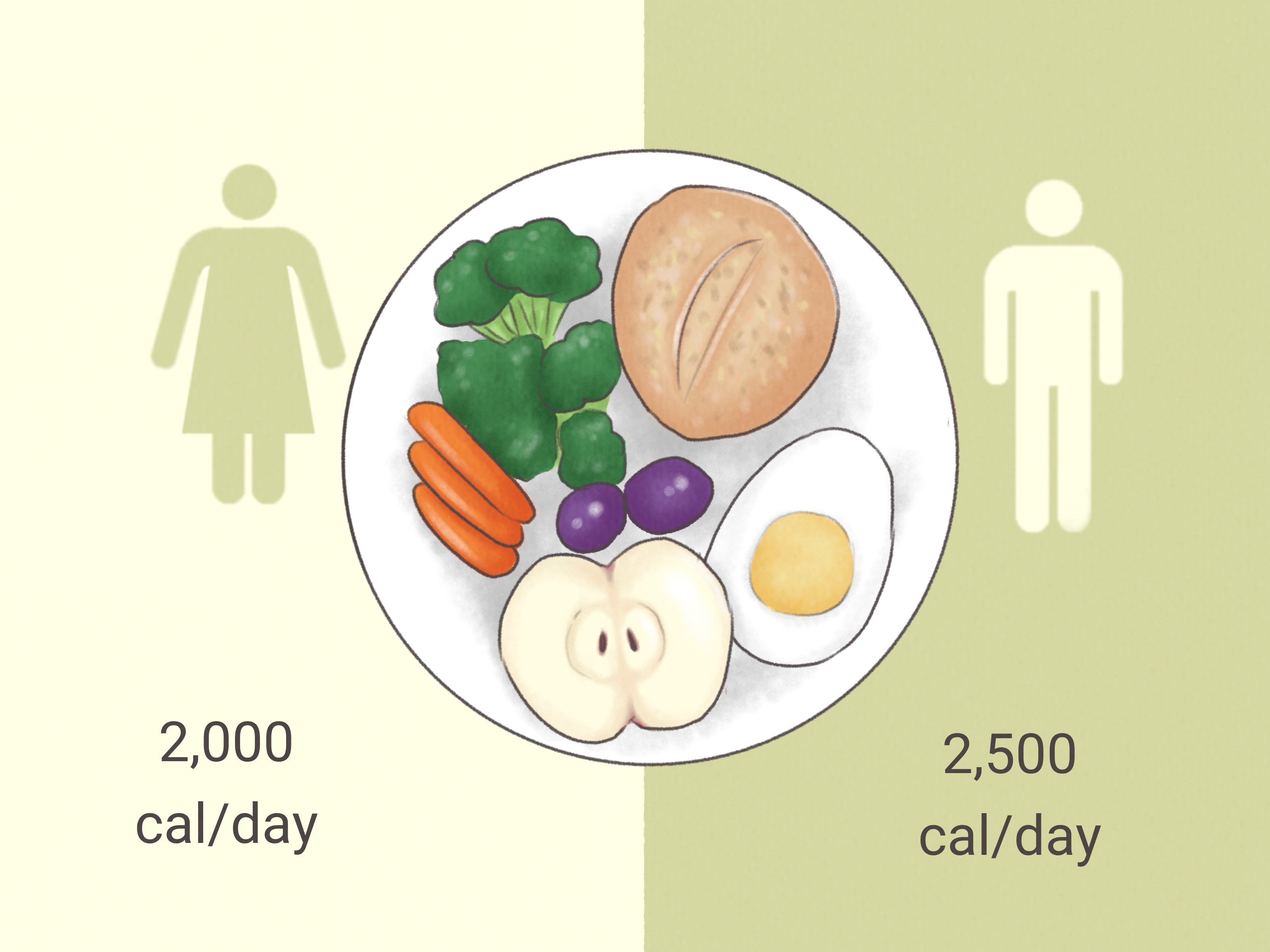
At holiday meals, use one plate as your main decision-making tool. Fill half with vegetables or salad if available, one quarter with protein, and one quarter with starchier favorites. Then add a small portion of the special dish you truly want. This approach creates structure without requiring you to weigh stuffing at the table, which is generally frowned upon by relatives.
Eat slowly. Put your fork down between bites. Give your body time to register fullness. If you still want seconds after ten or fifteen minutes, choose what you genuinely enjoyed most instead of automatically repeating the whole plate.
6. Manage the Snack Environment
Willpower is easier when your environment is not actively working against you. Keep everyday snacks simple and nourishing: fruit, nuts, yogurt, popcorn, vegetables, cheese sticks, roasted chickpeas, or whole-grain crackers. Put holiday treats in a cabinet rather than on the counter. Visible food gets eaten faster, especially during boring winter afternoons.
If you bake, share portions with neighbors, coworkers, or family. Freezing treats can also help. A cookie in the freezer is still available, but it is less likely to leap into your mouth during a commercial break.
7. Hydrate Even When You Are Not Sweating
People often feel less thirsty in cold weather, but hydration still matters. Heated indoor air, salty foods, alcohol, and busy days can leave you mildly dehydrated. Thirst can also be mistaken for hunger.
Keep water visible. Drink a glass before meals. Try herbal tea, sparkling water, or warm water with lemon if plain water feels too summery. You do not need to carry a gallon jug with motivational timestamps, but consistent hydration helps energy, digestion, and appetite awareness.
8. Protect Your Sleep Like It Is a Health Appointment
Sleep is not lazy; it is metabolic maintenance. Set a realistic bedtime, reduce late caffeine, limit alcohol close to bedtime, and keep screens from stealing the last hour of your night. Morning light exposure can also help stabilize your body clock, especially during darker months.
If holiday events run late, return to your normal schedule as soon as possible. One short night is manageable. A month of short nights can make hunger, cravings, and low motivation much harder to control.
9. Weigh Yourself Strategically, Not Emotionally
The scale can be useful, but only if you treat it like data instead of a daily performance review. Weigh at the same time of day, preferably in the morning, and watch the trend over weeks rather than reacting to one number. Daily changes can reflect water, sodium, digestion, and hormones.
If weighing triggers anxiety or unhealthy behavior, use other markers: how your clothes fit, energy levels, workout consistency, waist measurement, meal quality, or sleep habits. Health is bigger than a number, even when the number is being dramatic.
Best Winter Foods for Weight Management
Winter weight management is easier when meals are warm, filling, and nutrient-dense. Good choices include oats, lentils, beans, eggs, poultry, fish, tofu, Greek yogurt, cottage cheese, apples, citrus fruit, squash, sweet potatoes, leafy greens, carrots, cabbage, mushrooms, whole grains, nuts, seeds, and broth-based soups.
These foods help because they provide protein, fiber, water, vitamins, minerals, and satisfying volume. A big bowl of vegetable-bean soup can feel more filling than a tiny handful of chips, and it will not leave you searching the pantry thirty minutes later like a detective in fuzzy socks.
A Simple Winter Weight-Gain Prevention Plan
Here is a practical weekly plan that works for most busy adults:
- Plan three simple dinners before the week starts.
- Keep two high-protein breakfasts ready.
- Walk for 10 to 20 minutes after at least one meal per day.
- Do two short strength workouts each week.
- Keep treats portioned instead of eating from large containers.
- Drink water before coffee, alcohol, or sweet drinks.
- Choose one or two holiday foods you truly love and skip the ones you eat only because they are there.
This plan is not flashy, but flashy plans often melt faster than snow on a windshield. Consistency beats intensity, especially in winter.
When to Talk to a Professional
Occasional winter weight gain is common, but sudden or unexplained weight gain deserves attention. Speak with a healthcare professional if you gain weight rapidly, notice swelling, experience severe fatigue, feel depressed for weeks, have major appetite changes, or suspect a medication or health condition may be involved.
It is also wise to seek help if your relationship with food feels stressful, obsessive, or out of control. A registered dietitian, physician, or mental health professional can help create a plan that supports your body without shame.
Experience-Based Winter Weight Gain Tips That Actually Feel Realistic
One of the most useful lessons about winter weight gain is that it rarely happens because of one dramatic meal. Most people do not wake up heavier because they ate pie on Thanksgiving. The real issue is the quiet pattern around the pie: fewer walks, more leftovers, shorter sleep, extra drinks, more snacking, and the belief that healthy routines can restart “after the holidays.” That phrase is dangerous because “after the holidays” can become January, then after the Super Bowl, then after Valentine’s Day, and suddenly your sneakers are decorative.
A realistic winter experience looks more like this: You start the week with good intentions, but it gets dark before dinner. You feel tired, so you skip your walk. Dinner becomes takeout because the fridge looks uninspiring. Later, you want something sweet because the evening feels long. None of these choices is terrible by itself. But repeated over several weeks, they create a calorie surplus and reduce energy expenditure. The solution is not to become perfect. The solution is to make the better choice easier than the default choice.
For example, many people do better when they keep a “winter emergency meal” ready at all times. This might be frozen vegetables, rotisserie chicken, canned beans, microwave brown rice, eggs, tuna, soup ingredients, or pre-chopped salad kits. When the day goes sideways, the emergency meal prevents the classic winter dinner spiral: too tired to cook, too hungry to think, too cold to care. A fast, decent meal can save hundreds of calories compared with an oversized delivery order.
Another real-world strategy is to lower the workout barrier. In warmer months, a full gym session may feel normal. In winter, a 12-minute home workout may be the habit that keeps you from quitting entirely. Squats, wall push-ups, step-ups, lunges, planks, resistance-band rows, or a brisk indoor walk can maintain momentum. The body responds to consistency, not to whether your workout outfit matches.
Social eating also needs a plan. At parties, it helps to scan the table before filling your plate. Pick the foods that are special, not the foods that are merely present. You can eat crackers any Tuesday in April; your grandmother’s once-a-year dessert may deserve a spot. This mindset reduces random nibbling and increases enjoyment. Oddly enough, when people give themselves permission to enjoy selected treats, they often eat less overall because they are not trapped in the “I already blew it” cycle.
Finally, winter weight management works best when it includes warmth, pleasure, and flexibility. A person who eats satisfying meals, sleeps enough, walks when possible, manages stress, and enjoys holiday foods with intention is far more likely to maintain weight than someone trying to survive on guilt and lettuce. Winter is not the enemy. It simply requires a different operating system.
Conclusion
Winter weight gain is common, but it is not guaranteed. The biggest causes are usually lower activity, richer foods, holiday routines, sleep disruption, stress, seasonal mood changes, and mindless snacking. The best way to avoid it is not extreme dieting; it is building a winter-friendly routine that includes regular movement, protein-rich meals, fiber, hydration, smart portions, satisfying comfort food, and enough sleep.
Think of winter weight management as gentle steering, not emergency braking. You can enjoy the season, eat the foods you love, and still protect your health. Keep your habits simple, repeatable, and forgiving. Your body does not need a January punishment plan. It needs steady support through the cold months, preferably with soup.
Note: This article is for general educational purposes and should not replace personalized medical advice. Anyone with unexplained weight changes, symptoms of depression, or concerns about diet, medications, or health conditions should consult a qualified healthcare professional.