If you have ever stared at a tiny egg-shaped screen and whispered, “Please become a cute adult and not a pixelated disaster,” congratulations: you are officially a Tamagotchi parent. These tiny virtual pets may look simple, but raising one well takes attention, timing, and the emotional stamina to hear one beep from across the room and immediately panic.
The good news is that making your Tamagotchi grow is not magic. It is a pattern. Your character grows through life stages based on care, including feeding, happiness, hygiene, sleep, discipline, health, and how quickly you respond when it calls. Different Tamagotchi models have different menus and growth charts, but the core idea stays the same: a well-fed, happy, clean, rested Tamagotchi usually grows better than one abandoned under a couch cushion next to a fossilized cheese puff.
This guide breaks the process into 15 practical steps for beginners and returning fans. Whether you are raising an Original Tamagotchi, a Connection, Pix, Uni, On, or another model, these tips will help you understand how Tamagotchi growth works, how to avoid common care mistakes, and how to keep your digital buddy alive long enough to develop a personality that is probably more organized than yours.
Note: Growth requirements vary by version. Always check your model’s manual or character chart if you are trying to raise one specific character. This guide focuses on general care habits that help most Tamagotchi characters grow successfully.
How Tamagotchi Growth Works
A Tamagotchi begins as an egg, hatches into a baby, then grows through several stages such as child, teen, and adult. Some versions include special stages, senior stages, careers, marriage, travel features, or character-specific evolution conditions. The device tracks your care through meters and hidden behavior data. Your feeding habits, games, discipline choices, health care, and response time all shape the final result.
In simple terms, your Tamagotchi grows when enough time passes and the basic needs are managed. It grows well when you consistently answer those needs. If you ignore calls, let meters empty, leave messes on the screen, forget medicine, or allow repeated care mistakes, your Tamagotchi may evolve into a different character, become sick, run away, or die. Dramatic? Yes. But that is the contract you sign when you hatch a needy alien in a keychain.
How to Make Your Tamagotchi Grow: 15 Steps
1. Start by Setting the Clock Correctly
Your Tamagotchi’s internal clock controls sleep, wake time, aging, and daily routines. If the time is wrong, your pet may sleep while you are ready to play or beep for dinner during your actual bedtime. Set the clock carefully when you first activate the device. For most models, you will use the three main buttons to choose the hour, minute, date, and sometimes your name or birthday.
A correct clock helps your Tamagotchi follow a healthy rhythm. That rhythm matters because growth happens over time. If your pet sleeps properly, wakes properly, and receives care during its active hours, you are already giving it a strong start.
2. Learn the Buttons Before Panic Mode Begins
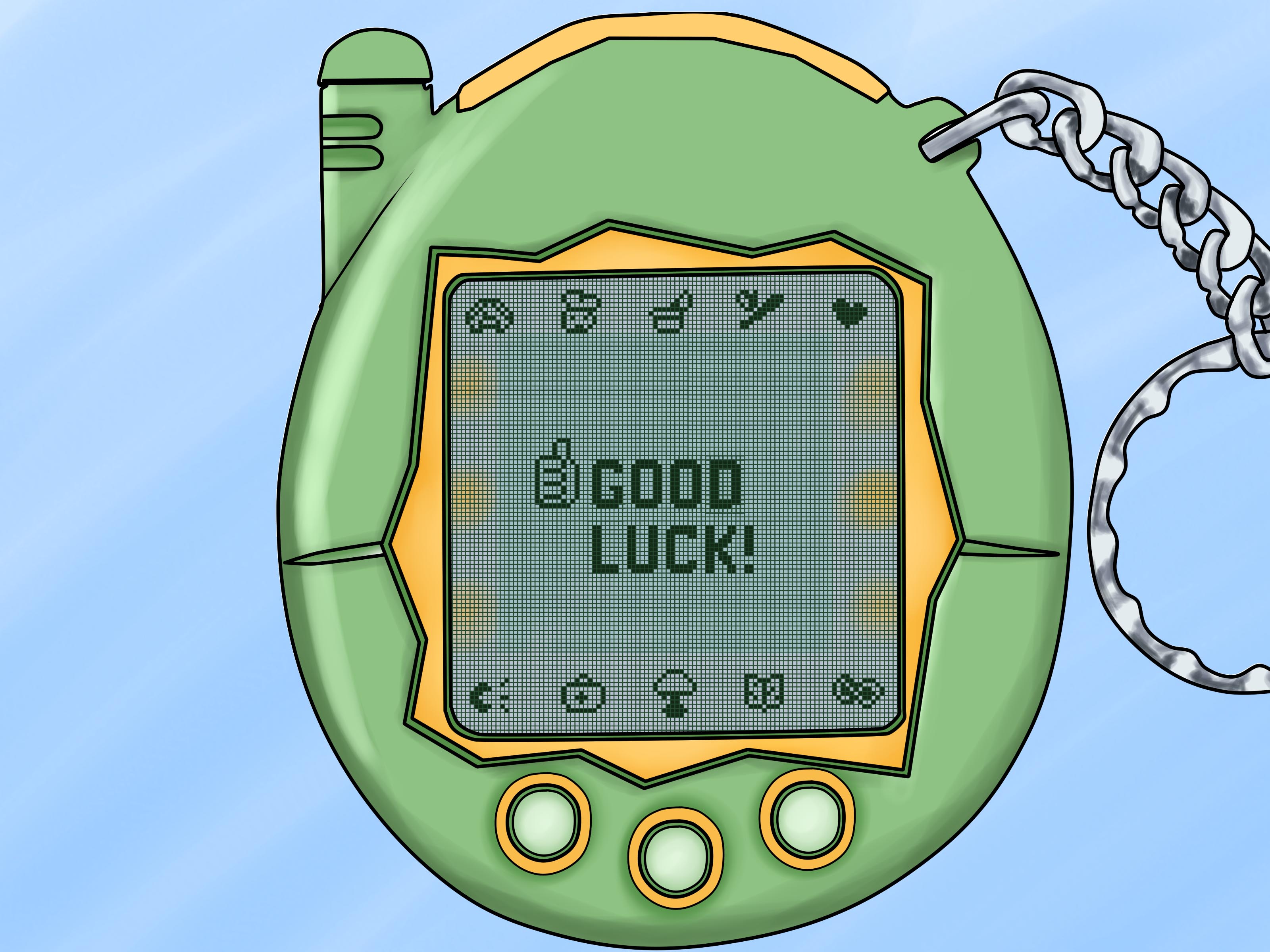
Most classic Tamagotchi devices use three buttons: A to scroll, B to select, and C to cancel or go back. Newer color models may add extra menus, touch features, cameras, Wi-Fi, or mini-apps, but the principle is the same: learn where the care options are before the emergency beep begins.
Spend a few minutes exploring the icons. Find the status screen, food menu, game area, bathroom or cleaning option, medicine, light or sleep setting, discipline or training menu, and connection features if your model has them. Knowing the layout keeps you from frantically feeding snacks when your Tamagotchi actually needs medicine. We have all made worse decisions under pressure.
3. Check the Status Screen Often
The status or check screen is your Tamagotchi’s dashboard. It usually shows hunger, happiness, age, weight, discipline or training, and sometimes generation, gender, friendship level, or additional stats. If you want your Tamagotchi to grow, this screen should become your best friend.
Check it when your Tamagotchi wakes up, after meals, after games, and whenever the attention icon appears. Do not guess. A hungry Tamagotchi and an unhappy Tamagotchi may both look dramatic, but the solution is different. Meals usually fill hunger. Games, snacks, outings, toys, or interactions usually raise happiness. The status screen tells you which problem to fix.
4. Feed Meals to Fill Hunger
Feeding is the most basic part of Tamagotchi care. When the hunger meter drops, give your Tamagotchi a meal. On many classic models, meals might be simple foods like bread, rice, or a burger. On newer models, you may choose food from a fridge, restaurant, delivery menu, or travel area.
Do not feed blindly. Check hunger first, then feed enough to restore the meter. Overfeeding may increase weight, and on some versions, too many snacks or poor habits can contribute to illness. A good rule is simple: use meals for hunger and use games or activities for happiness whenever possible. Snacks are fun, but they are not a long-term parenting philosophy.
5. Raise Happiness Without Turning Snacks Into a Lifestyle
Happiness matters because it affects health, behavior, and in many versions, evolution. A sad Tamagotchi is more likely to call for attention, refuse activities, or become difficult to manage. You can raise happiness by playing games, giving appropriate snacks, using favorite items, going outside, visiting locations, connecting with friends, or completing model-specific activities.
For classic devices, games are usually the safest way to build happiness because they may also manage weight. Newer devices may reward you for going on walks, decorating rooms, cooking, crafting, taking photos, or visiting digital locations. If your Tamagotchi could talk, it would probably say, “I need enrichment.” Then it would immediately poop on the floor.
6. Play Games Regularly
Games do more than entertain. They often raise happiness, help control weight, earn Gotchi Points, and unlock new options as your Tamagotchi grows. Some devices increase available games as your pet develops from child to teen to adult. Winning is nice, but regular play matters more than perfection.
Set a habit of playing a few rounds whenever happiness dips. If your model uses points, games can help you buy better food, toys, accessories, or room items later. Think of games as exercise, bonding, and a tiny side hustle rolled into one. Your Tamagotchi gets joy; you get imaginary money. Capitalism has entered the egg.
7. Clean Up Messes Quickly
When your Tamagotchi makes a mess, clean it as soon as you notice. Many models show droppings or dirty-room indicators. Leaving messes too long can make the character sick or unhappy. On some versions, using the toilet at the right time before the mess appears may train your Tamagotchi into better bathroom behavior.
Hygiene is an easy care win because it takes only a moment. Check the screen throughout the day and clean messes before they pile up. A clean Tamagotchi is healthier, happier, and less likely to look at you with the pixelated disappointment of a tiny landlord inspecting a college apartment.
8. Use Medicine When Your Tamagotchi Gets Sick
If a skull, bug, dark cloud, or illness icon appears, use the medicine option. Sometimes one dose is enough. Sometimes your Tamagotchi needs more than one treatment. Do not ignore sickness, because illness can interrupt feeding, games, growth, and survival.
Your Tamagotchi may get sick from neglect, empty meters, messes, too many unhealthy choices, or random events depending on the model. The best strategy is prevention: keep hunger and happiness stable, clean the room, and respond to alerts. But if sickness happens, treat it immediately. Digital medicine is much easier than explaining to friends that your virtual pet passed away because you were “just checking one more video.”
9. Turn Off the Lights or Follow the Sleep Routine
Sleep is part of the growth cycle. Classic Tamagotchi models often need the lights turned off when the character goes to bed. Newer models may manage sleep differently, but bedtime still matters. Let your Tamagotchi rest during its scheduled sleep period and avoid unnecessary clock tricks unless your model specifically supports pausing or sitter features.
A rested Tamagotchi wakes ready for care and continues aging normally. If your schedule is busy, learn your model’s pause, sitter, travel, daycare, or clock-adjustment options carefully. Use them responsibly so you do not accidentally disrupt growth or miss important calls.
10. Respond to Attention Calls Promptly
The attention icon or call signal means your Tamagotchi needs something. It may be hungry, unhappy, sick, dirty, sleepy, or asking for discipline. Responding quickly is one of the biggest secrets to healthy growth.
Many care systems count a mistake when your Tamagotchi calls and you fail to solve the problem within a certain window. Care mistakes can influence evolution, especially on models where specific characters require low, medium, or high care. If you want a strong, healthy adult, answer calls as soon as possible. If you are aiming for a specific evolution that requires mistakes, do that deliberately, not accidentally because your Tamagotchi was buried in a backpack during lunch.
11. Discipline or Train at the Right Time
Discipline, training, or praise systems vary by model, but they often affect growth. On classic Tamagotchi devices, discipline may be needed when the character beeps even though it is full and happy, refuses food when hungry, or refuses play when unhappy. Selecting the discipline option at the correct time can fill the training meter.
Do not discipline randomly. Check the status first. If hunger and happiness are low, meet those needs. If the Tamagotchi calls even though its needs are fine, then discipline may be appropriate. Good training helps some characters evolve better and may reduce future behavior problems. It is firm parenting, not pixel bullying.
12. Avoid Too Many Care Mistakes
A care mistake generally happens when your Tamagotchi calls for help and you fail to respond correctly in time. The exact definition differs by model, but missed hunger calls, missed happiness calls, ignored sickness, or missed training calls may all matter depending on the device.
If your goal is to make your Tamagotchi grow into a healthy adult, keep care mistakes low. Check meters often, respond quickly, and plan around busy periods. If you are collecting specific characters, look up your model’s growth chart. Some characters require excellent care, while others require a certain number of care mistakes. This is the rare parenting situation where neglect can be part of a strategy, but only if you know what you are doing.
13. Manage Weight With Games and Smart Feeding
Many Tamagotchi versions track weight. Meals and snacks may increase it, while games may reduce or balance it. A Tamagotchi that is constantly stuffed with snacks may become unhealthy or less likely to follow your desired growth path.
Use meals to fill hunger, games to raise happiness, and snacks sparingly. If your Tamagotchi is unhappy but already heavy, play games instead of feeding cake until the screen looks like a tiny bakery crime scene. Healthy routines usually produce better long-term growth than quick fixes.
14. Use Model-Specific Features to Boost Growth
Newer Tamagotchi models include features that older devices never had: outings, rooms, accessories, photos, cooking, crafting, careers, travel, online areas, friends, and marriage. These features may influence happiness, personality, items, or evolution conditions. For example, a character might require certain foods, specific games, travel actions, item use, or connection events.
If you own a modern Tamagotchi, do not treat it exactly like a 1997 Original. Explore the menus. Try favorite foods, decorate rooms, use items, visit locations, and connect when possible. Growth is often deeper on newer models, and your Tamagotchi may reward curiosity with special characters or events.
15. Be Consistent Until the Adult Stage
The final step is patience. Your Tamagotchi will not become an adult instantly. It needs time to pass through baby, child, and teen stages. The early baby stage often requires the most attention, while later stages may become easier or follow more predictable routines.
Consistency is the real secret. Check the status, feed meals, play games, clean messes, treat sickness, answer calls, handle sleep, and train at the right moments. Do this over several days, and your Tamagotchi should grow successfully. It may not become the exact character you imagined, but that is part of the charm. Sometimes you raise a perfect little angel. Sometimes you get a weird blob with legs and a suspicious grin. Either way, you made it.
Common Mistakes That Stop a Tamagotchi From Growing Well
The most common mistake is ignoring the attention icon. A Tamagotchi is not a decorative keychain with beeps; it is a commitment with buttons. If it calls, check why. Another common mistake is relying too much on snacks. Snacks are convenient, but games usually build happiness more safely.
Players also forget about hygiene. Messes can lead to sickness, and sickness can become serious if untreated. Some beginners discipline at the wrong time, which wastes opportunities and may not improve training. Others change the clock constantly without understanding how their model handles time, sleep, or pausing. When in doubt, use the manual and build a steady routine.
Best Daily Routine for Tamagotchi Growth
In the morning, check hunger and happiness first. Feed a meal if hunger is low. Play one or two games if happiness needs a boost. Clean any messes and treat sickness immediately. During the day, check in whenever you can, especially if you hear a call. In the evening, play games, adjust food, clean the room, and follow the sleep routine when your Tamagotchi goes to bed.
A simple routine prevents most problems. You do not need to stare at the screen every second. You just need to be present enough that your Tamagotchi does not feel like it has been adopted by a very forgetful ghost.
How Long Does It Take for a Tamagotchi to Grow?
Growth time depends on the model. Many Tamagotchi characters move from baby to child quickly, then spend more time as children and teens before becoming adults. Some versions may reach adulthood in a few days, while others have longer or more complex development paths. Sleep time, pause features, sitter functions, and model-specific mechanics can affect how the process feels.
If your Tamagotchi does not evolve exactly when expected, do not panic. Make sure the clock is correct, the device is not paused, and your character has been receiving normal care. Also remember that some models evolve at wake-up or after a specific number of active hours, not simply because the calendar changed.
Personal Experiences and Practical Lessons From Raising a Tamagotchi
Raising a Tamagotchi teaches you very quickly that tiny things can create big feelings. The first lesson is that the baby stage is chaos wearing a cute face. New players often think, “How hard can this be?” Then the baby hatches, gets hungry, gets sad, makes a mess, gets sick, and demands attention in what feels like the same three-minute period. The best move is to stay calm and treat the first hour like orientation day. Feed it, play with it, clean up, and watch the meters carefully. Once it grows into a child, the pace usually becomes less frantic.
Another lesson is that games are your secret weapon. When I first started using virtual pets, I relied too heavily on snacks because they were fast. The result was a heavier, needier Tamagotchi that seemed happy for about five seconds before needing something else. Switching to games made care smoother. Games raised happiness, gave me something active to do, and helped manage weight. Even when I lost the mini-game, the habit of interacting regularly made the Tamagotchi easier to raise.
Discipline is also one of the most misunderstood parts of growth. It feels strange to discipline a cute digital creature, especially when it is bouncing around like a pixel marshmallow. But discipline is not punishment for existing. It is a specific response to specific behavior. If the Tamagotchi calls even though it is not hungry or unhappy, discipline may be the correct answer. Checking the status first prevents mistakes. The status screen is basically your parenting clipboard.
One practical habit that helps is keeping the Tamagotchi where you can hear it. If you leave it in a bag, drawer, or another room, you may miss calls and collect care mistakes without realizing it. A desk, nightstand, or keychain near you works better. If your model has a sitter or pause-like function, use it during school, work, travel, or meetings. There is no shame in using built-in help. Even digital parents need boundaries.
It is also helpful to accept that not every evolution will match your plan. Sometimes you do everything “right” and still get a character you did not expect because your model has hidden requirements. Maybe you used the wrong item, missed one call, played too few games, or forgot a special condition. That is not failure. That is replay value. Tamagotchi collecting is part care routine, part science experiment, and part comedy show starring a creature that needs dinner at the least convenient moment.
The most satisfying experience is reaching the adult stage after several days of steady care. By then, the Tamagotchi feels less like a toy and more like a tiny roommate with a strict meal schedule. You remember the messy baby stage, the random sickness scare, the game wins, the calls you answered just in time, and the moment it finally evolved. That little transformation is why Tamagotchi remains charming. It turns small daily actions into a story. Feed, play, clean, rest, repeatand suddenly your egg has grown into a character with history.
Conclusion
Making your Tamagotchi grow is all about consistent care. Feed it meals when hungry, raise happiness with games and activities, clean messes quickly, treat sickness, respect sleep, respond to attention calls, and use discipline only when appropriate. Avoid accidental care mistakes unless you are intentionally following a specific growth chart. Most of all, be patient. A Tamagotchi grows through time, attention, and the tiny drama of daily digital pet care.
The best Tamagotchi owners are not perfect. They are observant. They learn the meters, listen for calls, adjust routines, and laugh when their carefully raised pet becomes something unexpected. Keep your Tamagotchi healthy and happy, and it will grow from a mysterious egg into a memorable little companion. It may beep at inconvenient times, but honestly, so do most important things in life.