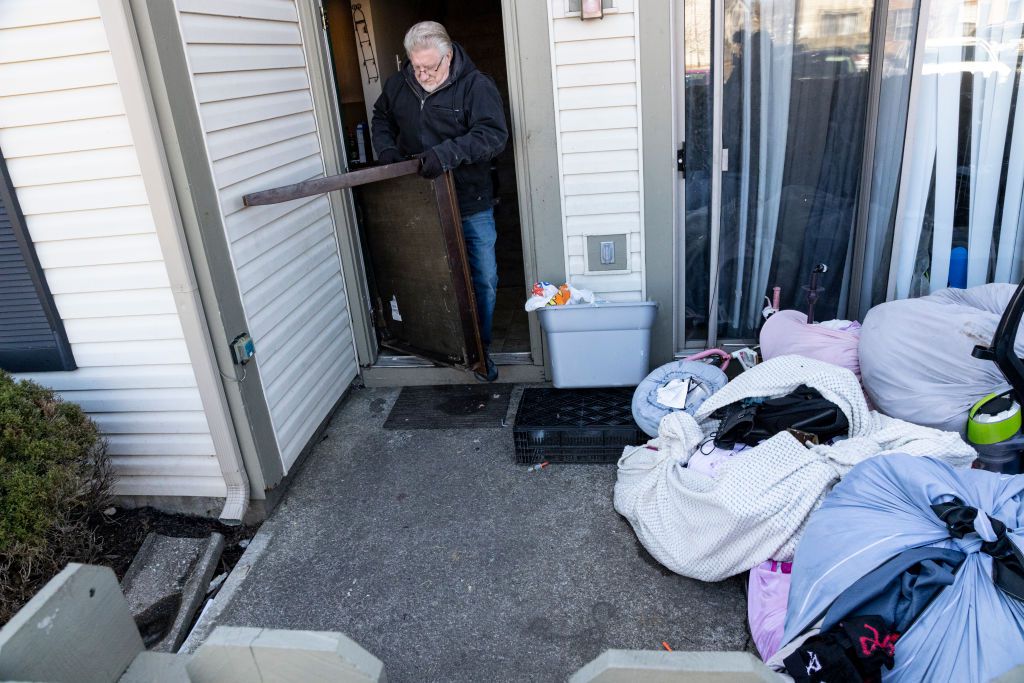
When rent is late, the clock does not politely sip coffee and wait for paperwork. It races. Court notices arrive. Landlords call. Families start packing “just in case.” Meanwhile, eviction relief aidthe very help designed to keep people housedcan get tangled in forms, portals, missing documents, landlord signatures, ID checks, and rules that feel like they were assembled by a committee of printers, lawyers, and one very suspicious stapler.
Across the United States, emergency rental assistance has proven that it can prevent displacement, stabilize families, and help landlords recover unpaid rent. The federal Emergency Rental Assistance program, created during the COVID-19 crisis, sent billions of dollars to states, counties, cities, territories, and tribal governments. It helped millions of households pay rent, utility bills, arrears, and related housing costs. Yet the story of eviction relief aid is not only a story of funding. It is also a story of access.
The central problem is simple: aid that exists on paper does not help if renters cannot actually get it before an eviction moves forward. Red tape can turn a lifeline into a waiting room. And for households facing eviction, waiting is not a small inconvenienceit can be the difference between sleeping at home and sleeping in a car.
What Is Eviction Relief Aid?
Eviction relief aid usually refers to short-term financial assistance and related services that help renters stay housed. It may cover back rent, current rent, utilities, late fees, relocation costs, security deposits, legal help, mediation, or case management. During the pandemic, the largest example was the U.S. Treasury’s Emergency Rental Assistance program, often called ERA.
ERA was not a tiny pilot program tucked away in a dusty government drawer. It was one of the most significant renter-support efforts in modern U.S. history. Treasury reported that its ERA programs collectively provided communities with more than $46 billion to support housing stability. ERA1 was funded with $25 billion, while ERA2 added $21.55 billion for rent, arrears, utility costs, housing stability services, and certain eviction prevention activities.
The need was enormous. Many renters lost work, saw hours cut, faced medical expenses, or fell behind as rents rose faster than paychecks. Landlords, especially smaller property owners, also needed rent payments to cover mortgages, taxes, insurance, repairs, and utilities. In theory, rental assistance was a win-win: tenants stayed housed, landlords got paid, and courts avoided a flood of eviction cases.
In practice, the aid often had to travel through a maze.
How Red Tape Slows Down Eviction Relief
Red tape is not one single villain wearing a cape made of office forms. It is a stack of small barriers that, together, become a wall. A renter may need proof of income, a lease, a landlord ledger, a photo ID, proof of hardship, utility bills, bank statements, court documents, and signatures from a landlord who may or may not answer the phone.
For a stable household with a printer, scanner, laptop, email access, flexible work schedule, English fluency, and a patient landlord, that process is annoying. For a renter working two jobs, caring for children, using a prepaid phone, or living with limited internet access, it can be nearly impossible.
1. Documentation Requirements Can Become a Barrier
Programs need safeguards. Public money should be protected from fraud, duplication, and misuse. But when documentation rules are too strict, they can block the very people the program was created to help.
Consider a renter who is paid in cash, recently lost work, or moved in without a formal lease. They may owe real rent and face a real eviction, but they may not have the paperwork a portal demands. Another renter may have a lease but no scanner. Someone else may have income documents but cannot upload them because the application system keeps timing out. If the system says “missing file,” the court may still say “hearing next Tuesday.”
Treasury guidance eventually allowed more flexible tools such as self-attestation and categorical eligibility, meaning renters could sometimes certify their situation without producing every traditional document. That flexibility mattered. It recognized a basic truth: in an emergency, the perfect file should not become the enemy of the housed family.
2. Digital Portals Exclude People Without Digital Access
Many rental assistance programs relied on online applications. Digital systems can speed up processing, but only when they are designed for real people. A portal that works beautifully on a government laptop may collapse on an older phone with a cracked screen and limited data.
Renters without reliable internet, email, document upload tools, or English-language navigation often struggled. Older adults, people with disabilities, immigrants, rural households, and low-income workers were especially vulnerable to digital exclusion. If the only door to assistance is a website, the program has effectively locked out anyone who cannot get through that door.
3. Landlord Participation Can Make or Break a Case
Some programs required landlord cooperation before aid could be paid. That sounds reasonable because landlords are the ones owed rent. But if a landlord refused to participate, ignored emails, disliked the paperwork, or preferred to proceed with eviction, the tenant could be stuck.
Direct-to-tenant assistance helped solve part of this problem. Instead of making renters wait for landlord approval forever, some programs allowed money to go directly to tenants when landlords did not cooperate. That approach was not perfect, but it addressed a major bottleneck. After all, an eviction prevention program should not give one party a silent veto over another family’s housing stability.
4. Local Rules Created a Patchwork System
One of the strengths of ERA was local flexibility. Cities and states could design programs around local needs. But flexibility also created confusion. A renter in one county might face a streamlined application, while a renter across the county line might need more documents, wait longer, or encounter a closed program.
Patchwork systems are especially hard for tenants in crisis. People do not always know whether to apply through a city, county, state, tribal government, nonprofit partner, court program, or community organization. They may apply in the wrong place, miss a deadline, or receive contradictory instructions. By the time they find the right program, the eviction case may have already moved forward.
Why Speed Matters in Eviction Relief Aid
Eviction is not just a housing problem. It can disrupt employment, schooling, health care, transportation, credit, mental health, and family stability. A court filing alone can follow a renter long after the immediate crisis is resolved. Even when a tenant is not physically removed, the filing may appear in tenant screening reports and make future housing harder to secure.
That is why timing is everything. Relief aid delivered after eviction is like arriving with an umbrella after the storm has already moved the furniture into the street. It may still help, but it missed the most important moment.
The strongest eviction prevention systems connect rental assistance with courts, legal aid, mediation, and community outreach. If a tenant receives an eviction notice, they should not have to search the internet like a detective in a low-budget mystery movie. The court, landlord, tenant hotline, legal services provider, and assistance program should all be part of a coordinated pathway.
The Data Shows Both Success and Friction
Emergency rental assistance reached an impressive scale. Treasury reported more than 12.3 million household payments through the second quarter of 2023, and communities had spent nearly 85% of total ERA award funding by that point. NLIHC reported that ERA2 funds served many renters with the lowest incomes, with nearly two-thirds of households served classified as extremely low income.
Those numbers matter. They show that rental assistance was not merely symbolic. It put money into real households and helped many renters avoid displacement. It also reached many renters of color and female-headed households, groups that have often faced disproportionate housing instability.
But oversight reports also show the administrative challenge. GAO found that Treasury did not have complete ERA2 data on expenditures, demographics, and household payments as of June 30, 2023. Some grantees did not report required data, and GAO highlighted ongoing concerns about payment oversight and improper payment risk. In plain English: the government was trying to move fast, help people, and track billions of dollars at the same time. That is a difficult juggling acteven before you add local politics, old software, staffing shortages, and emergency-level demand.
Common Types of Red Tape in Rental Assistance Programs
Complicated Applications
Applications that ask too many questions can discourage participation. When a renter is asked to explain hardship repeatedly, upload documents in multiple formats, and interpret technical terms, the process becomes exhausting. Simple language, multilingual access, mobile-friendly design, and help from trained navigators can dramatically improve completion rates.
Slow Verification
Verification is important, but slow verification can defeat the purpose of emergency aid. Programs should use trusted data sources, self-attestation, and risk-based review whenever possible. A renter facing a hearing in ten days cannot wait ten weeks for someone to confirm a document that may not change the basic eligibility decision.
Poor Communication
Many applicants do not know whether their case is pending, approved, denied, or waiting for one missing item. Silence creates panic. Programs should send clear updates by text, email, phone, and mail. “Your application needs one document by Friday” is much better than “Status: pending,” which is bureaucratic poetry for “good luck guessing.”
Limited Staffing
Even well-designed programs struggle without enough trained staff. During the height of ERA, many local governments had to build systems quickly, hire workers, train nonprofit partners, and process huge caseloads. Understaffed programs created backlogs, and backlogs created evictions that might have been prevented.
Disconnected Courts and Aid Programs
If eviction courts keep moving while aid applications are pending, tenants can lose housing before assistance arrives. Stronger coordination can allow judges to pause cases, refer tenants to rental assistance, connect families with legal help, and encourage repayment agreements before displacement occurs.
Who Is Most Hurt by Red Tape?
Red tape is not equally annoying for everyone. It is hardest on people with the fewest resources. Low-income renters, workers with unpredictable schedules, people without internet access, seniors, people with disabilities, families with children, immigrants, and renters with limited English proficiency are more likely to fall through the cracks.
Administrative burden also deepens racial inequality. Black and Latino renters have historically faced higher rates of rent burden, eviction filings, housing discrimination, and wealth gaps. When aid programs require extra time, technology, and documentation, they may unintentionally favor households that already have more stability.
That does not mean programs should abandon accountability. It means accountability should be smart. A system can prevent fraud without treating every desperate renter like a suspect in a courtroom drama. Risk-based auditing, data matching, clear eligibility rules, and post-payment review can protect public funds while still moving quickly enough to prevent eviction.
What Better Eviction Relief Aid Looks Like
The best eviction relief systems are fast, flexible, and easy to understand. They reduce unnecessary steps while keeping essential safeguards. They coordinate courts, landlords, tenants, nonprofits, and government agencies. They treat housing stability as the main goal, not as a side effect of successful paperwork.
Use Plain Language
Every application should be readable, translated, and tested with actual renters before launch. If a form sounds like it was written by a law school exam generator, rewrite it.
Allow Self-Attestation
Self-attestation can help renters who lack traditional documentation. Programs can combine it with auditing and data checks rather than forcing every applicant to prove hardship through hard-to-find paperwork.
Pay Landlords or Tenants Quickly
Programs should encourage landlord participation but not let landlord silence freeze an application indefinitely. Direct-to-tenant payment options can keep aid moving when cooperation breaks down.
Connect Aid to Eviction Court
Courts should be able to refer tenants to assistance immediately. Judges and clerks should know when an application is pending. Legal aid and mediation services should be available before a lockout becomes unavoidable.
Fund Local Infrastructure Before the Next Crisis
One major lesson from ERA is that governments should not wait for a national emergency to build rental assistance systems. Staff, technology, community partnerships, and court coordination should already exist before the next wave of hardship arrives.
Why Eviction Relief Still Matters After Pandemic Aid
Although the main ERA spending period has ended, the housing affordability crisis has not packed its bags. Eviction Lab data showed that eviction filings in many tracked jurisdictions have returned near or above pre-pandemic norms. In 2024, landlords filed just over one million eviction cases in the jurisdictions tracked by Eviction Lab, and several citiesespecially in fast-growing Sunbelt marketssaw elevated filing rates.
That makes eviction prevention a long-term policy issue, not a temporary emergency leftover. Renters still face high housing costs, limited affordable units, rising utility bills, and thin savings. A single car repair, medical bill, job loss, or childcare disruption can push a household behind on rent.
For landlords, especially small landlords, unpaid rent can also create real financial pressure. Effective rental assistance is not anti-landlord. It is a practical bridge between tenants who need time and owners who need income. The alternativeeviction court, vacancy, repairs, lost rent, and homelessness servicesis often more expensive for everyone.
Real-World Experiences: What Red Tape Feels Like on the Ground
To understand why red tape holds back eviction relief aid, imagine a renter named Marisol. She works hourly shifts at a nursing home, raises two children, and fell behind after missing work during a family illness. She hears about rental assistance from a neighbor, but the application requires proof of income, a copy of her lease, a rent ledger, a photo ID, and a statement from her landlord.
Marisol has some documents, but not all. Her lease is in a drawer somewhere, the rent ledger must come from the property manager, and her work schedule changes every week. The assistance portal works best on a desktop computer, but she only has a phone. She starts the application during a lunch break, gets interrupted, and the page resets. Somewhere in America, a tiny violin plays for user experience design.
Now imagine a renter named Darnell. He is a rideshare driver whose income changes month to month. He qualifies for help, but his income documentation looks messy. The program asks for bank statements and tax documents. He worries that one wrong upload will lead to denial. His landlord is willing to accept payment but wants confirmation quickly. The court date is coming. Darnell does not need a lecture about responsibility. He needs a system that can process real-life income without pretending everyone receives neat pay stubs every other Friday.
Or consider an older tenant named Ruth. She has lived in the same apartment for 18 years. Her rent rose, her medication costs increased, and she fell behind after helping a family member. She receives an eviction notice and calls a hotline. The hotline tells her to apply online. Ruth does not use email often, and her phone is not built for document uploads. She needs an in-person navigator, a paper option, or a trusted community partner. Without that help, “available assistance” is available in the same way a treadmill is available to a goldfish.
These examples are fictional, but the experiences are familiar to tenant advocates, legal aid attorneys, landlords, court staff, and housing counselors. The pain point is rarely one giant obstacle. It is the accumulation: one missing document, one confusing email, one unanswered landlord request, one court deadline, one portal error, one bus ride to an office that closed early.
Landlords have their own version of the story. A small landlord may own one duplex and depend on rent to pay the mortgage. They may be asked to register in a portal, submit tax information, verify arrears, agree to conditions, and wait. Some comply gladly because payment is better than eviction. Others give up because the process seems uncertain. When landlord participation drops, tenants suffer too.
Community organizations often become the human glue holding the system together. They help renters complete forms, gather documents, contact landlords, translate instructions, and communicate with courts. But nonprofits cannot fix everything if the underlying program is underfunded, understaffed, or designed around paperwork instead of people.
The best experiences happen when aid is visible, fast, and coordinated. A tenant receives an eviction notice and immediately gets information in plain language. A hotline answers. A navigator helps complete the application. The court knows the application is pending. The landlord receives a clear timeline. Payment arrives before the case becomes a lockout. Nobody throws a parade, but a family stays homeand that is the quiet victory eviction relief aid is supposed to deliver.
Conclusion: Cut the Red Tape, Keep the Roof
Eviction relief aid works best when it moves at the speed of a housing crisis. The United States has already learned that rental assistance can keep families housed, help landlords recover arrears, reduce pressure on courts, and support community stability. But the same programs can fail when paperwork outruns urgency.
The lesson is not that rules are bad. The lesson is that rules should serve the mission. Programs need safeguards, but they also need speed, simplicity, accessibility, and compassion. A renter facing eviction should not need to become a part-time benefits attorney just to apply for help. A landlord should not need to chase five agencies for a status update. A judge should not have to choose between moving a case forward and hoping aid arrives someday.
Red tape holds back eviction relief aid when it treats emergencies like ordinary paperwork. The smarter path is clear: simplify applications, allow flexible documentation, coordinate courts and assistance programs, fund local housing infrastructure, and keep people at the center of the process. Because in the end, eviction prevention is not about forms. It is about homes.
Note: This article is written for web publication in standard American English and is based on synthesized U.S. government, housing-policy, legal-aid, and eviction-research information.