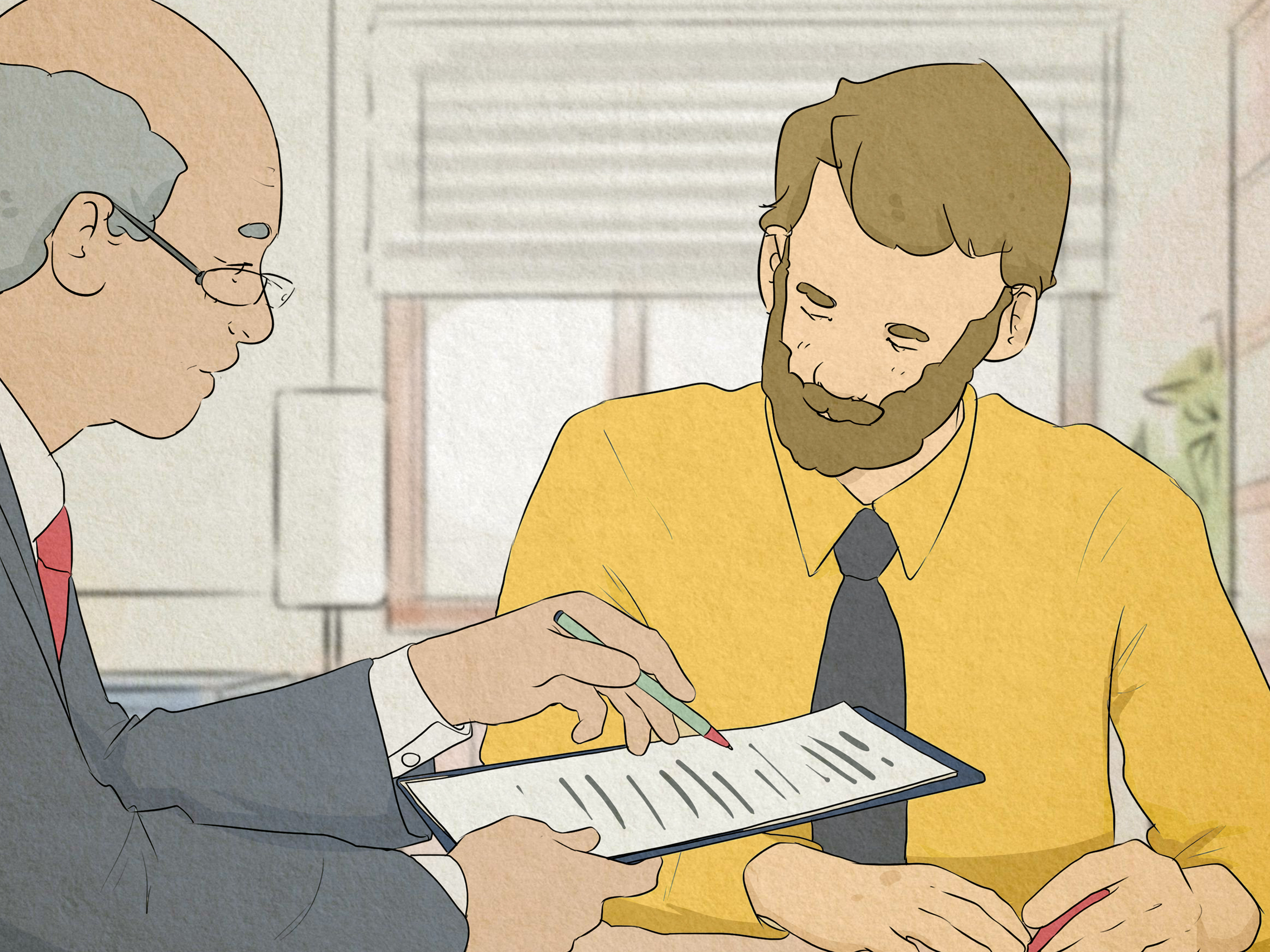
Shyness at work can feel like trying to send an email with no Wi-Fi: your thoughts are ready, your ideas are solid, and yet nothing quite leaves the building. You sit in meetings thinking, “That plan has three holes in it,” but by the time you decide to speak, someone has already said, “Great, we’re aligned,” and everyone is opening their laptops like the meeting just won an award.
The good news is that being shy does not mean you are weak, unqualified, or doomed to nod professionally forever. Many quiet employees are observant, thoughtful, and deeply prepared. The challenge is not becoming the loudest person in the room. The challenge is learning how to speak up at work in a way that feels authentic, respectful, and useful.
This guide shares 11 practical ways to overcome shyness at work, build workplace confidence, and communicate your ideas without feeling like you have to transform into a motivational speaker wearing a headset microphone. Whether you freeze during meetings, avoid small talk, hesitate to ask questions, or struggle to advocate for yourself, these strategies can help you become more visible while still being yourself.
Why Speaking Up at Work Matters
Speaking up is not just about getting attention. It affects collaboration, problem-solving, career growth, and team trust. When employees feel safe to share ideas, raise concerns, ask questions, and admit uncertainty, teams make better decisions. Silence, on the other hand, can let small problems grow into large ones wearing a tiny fake mustache.
For shy professionals, speaking up can also change how others understand your value. Your manager may not know how much you notice, solve, or improve unless you give them a window into your thinking. The goal is not to talk constantly. The goal is to contribute clearly when your voice can help.
11 Ways to Speak Up and Overcome Shyness at Work
1. Start With Low-Stakes Conversations
If speaking up in a large meeting feels terrifying, do not make that your first mountain. Start with smaller hills. Say hello to a coworker in the break room. Ask one follow-up question during a one-on-one. Comment briefly in a team chat. These moments may seem small, but they train your brain to see speaking as normal rather than dangerous.
Low-stakes conversations help reduce the pressure of “performing.” You are not delivering a keynote speech; you are simply participating. Try one simple sentence per day, such as, “I liked your point about the timeline,” or “Can you clarify what success looks like for this task?” Over time, these small interactions build confidence at work.
2. Prepare One Point Before Every Meeting
Shyness often gets worse when your brain tries to improvise under pressure. Preparation is your secret weapon. Before a meeting, write down one question, one idea, or one observation you could share. Keep it short enough to say in 20 seconds.
For example, instead of planning a full speech, prepare something like: “One risk I see is the handoff between sales and support. Should we assign one person to own that transition?” This gives you a clear entry point, reduces mental scrambling, and makes it easier to speak before the conversation moves on.
Think of it as packing a snack before a hike. You may not need it, but if you do, future-you will be very grateful.
3. Use the “Question First” Method
If making a bold statement feels uncomfortable, start with a question. Questions are powerful because they invite discussion without sounding confrontational. They also show curiosity, critical thinking, and engagement.
Try phrases like:
- “Can I ask how we’re measuring success for this?”
- “What would happen if the deadline moves?”
- “Have we considered the customer support impact?”
- “Would it help if I shared what I noticed in the last project?”
Questions are especially helpful for shy employees because they let you enter the conversation naturally. You are not interrupting with a grand announcement. You are opening a door.
4. Practice Assertive Communication, Not Aggressive Communication
Many shy people avoid speaking up because they fear sounding rude. But assertiveness is not aggression. Assertive communication means expressing your thoughts, needs, and boundaries clearly while respecting other people. Aggression pushes. Passivity disappears. Assertiveness stands calmly in the middle and says, “Here is what I think, and I’m open to discussing it.”
A useful formula is: fact + impact + request. For example: “The report was assigned yesterday and is due today. I’m concerned the short timeline may affect accuracy. Can we either extend the deadline or reduce the scope?”
This structure keeps your message professional. It also prevents you from apologizing for having a reasonable thought, which is a workplace habit many shy people accidentally collect like coffee mugs.
5. Speak Early in Meetings
The longer you wait, the bigger speaking can feel. Your heart starts negotiating with your brain. Your brain starts drafting 47 versions of the same sentence. By minute 30, saying “I agree” feels like launching a satellite.
Try speaking within the first 10 minutes, even if it is something simple. You might say, “That context helps,” or “I have one question when we get to the timeline.” Speaking early breaks the silence barrier. Once your voice has entered the room, it becomes easier to contribute again later.
This strategy works because it reduces anticipation. Often, the fear before speaking is worse than the speaking itself. Once you participate, your nervous system gets evidence that the world did not explode. Very rude of anxiety to suggest otherwise.
6. Build a Few Go-To Phrases
When you feel shy, searching for the perfect words can make you freeze. Go-to phrases give you a reliable starting point. They are like communication training wheels, except no one can see them.
Use phrases such as:
- “I’d like to add one thought.”
- “Can I offer a different angle?”
- “I may be missing something, but…”
- “One thing worth considering is…”
- “I agree with the direction, and I have a concern about…”
- “Before we move on, can we revisit…”
These phrases help you enter conversations politely and confidently. They also make you sound thoughtful rather than hesitant. With practice, they become natural.
7. Use Active Listening as a Bridge to Speaking
Quiet professionals often have a hidden advantage: they listen. Active listening can become your bridge into speaking up. Instead of trying to jump into a conversation cold, reflect what someone said and then add your point.
For example: “I hear that speed is the priority for this launch. Building on that, I think we should decide which features are must-haves and which can wait.”
This approach works because it connects your contribution to the discussion already happening. It also shows respect. People are more likely to listen when they feel heard first. In other words, listening is not the opposite of speaking. It is often the runway.
8. Ask for Space From Your Manager
If you rarely speak in meetings, your manager may assume you prefer staying quiet. A simple conversation can change that. During a one-on-one, say something like: “I’m working on speaking up more in team discussions. If you notice a moment where my input would help, could you invite me in?”
This is not asking for special treatment. It is asking for support while you build a skill. A good manager wants useful input from the whole team, not just from the three people who treat every meeting like open mic night.
You can also ask for agendas in advance, volunteer for a small update, or request time to think before giving an answer. These adjustments help shy employees contribute more effectively.
9. Reframe Nervousness as Energy
Nervousness is not always a sign that something is wrong. Sometimes it is your body preparing to do something important. Your pulse rises, your attention sharpens, and yes, your hands may suddenly forget they are hands. But that energy can be useful.
Before speaking, take a slow breath and remind yourself: “This is energy. I can use it.” Then focus outward. Look at the person you are addressing. Pay attention to the topic, not your internal scoreboard. Shyness often grows when you monitor yourself too closely: How do I sound? Is my face weird? Did I just say “um” in three accents?
Shift your attention to the value of your message. You are not performing perfection. You are helping the conversation.
10. Practice Outside of High-Pressure Moments
Confidence grows through repetition. If the only time you practice speaking is during a tense meeting with senior leaders, your nervous system will file speaking under “dangerous activities, right next to juggling knives.”
Practice in safer environments. Join a public speaking group, rehearse with a trusted coworker, record yourself explaining an idea, or practice giving a two-minute update at home. Yes, listening to your recorded voice may feel strange at first. Almost everyone thinks they sound like a surprised voicemail. Keep going.
The more you practice, the less unfamiliar speaking becomes. You learn your natural rhythm, notice filler words, and build comfort with being heard. Practice does not remove every nerve, but it gives your confidence a place to stand.
11. Know When Shyness May Be More Than Shyness
Some workplace shyness is normal. Many people feel nervous before presentations, difficult conversations, or meetings with senior leaders. But if fear of judgment causes intense distress, panic symptoms, avoidance, or problems with daily work, it may be connected to social anxiety rather than ordinary shyness.
There is no shame in getting help. Cognitive behavioral therapy, gradual exposure, coaching, and other professional supports can help people manage anxiety and communicate more freely. Speaking up at work is a skill, but mental health matters too. You do not have to “just get over it,” which is possibly the least helpful advice ever placed in a sentence.
How to Speak Up Without Feeling Like You Are Interrupting
One common fear among shy employees is interrupting. The trick is to enter the conversation with timing and clarity. Look for natural pauses, transitions, or moments when a decision is about to be made. Then use a concise opening phrase: “Before we decide, I have one concern,” or “Can I add a quick point?”
If someone talks over you, do not automatically retreat. Try calmly saying, “I’ll finish this thought quickly,” or “Just to complete the point…” You do not need to be forceful; you need to be steady. Your idea deserves enough room to land.
Common Mistakes Shy Professionals Make
Waiting Until the Perfect Moment
The perfect moment is often imaginary. Good enough timing is usually enough. If your point is relevant, respectful, and brief, share it.
Over-Apologizing
There is nothing wrong with being polite, but phrases like “Sorry, this is probably dumb” weaken your message before it begins. Replace them with “I have a question” or “One possibility is…”
Assuming Everyone Is Judging You
Most people are busy thinking about their own work, deadlines, coffee supply, or whether they accidentally replied all. Your nervousness feels more visible to you than it usually is to others.
Trying to Become Someone Else
You do not need to become loud to be influential. Calm, concise, thoughtful communication can be powerful. The workplace needs more than one communication style.
Experience-Based Notes: What Speaking Up at Work Often Feels Like in Real Life
In real workplaces, overcoming shyness rarely looks dramatic. There is usually no movie scene where a shy employee stands on a conference table, delivers a flawless speech, and everyone claps while the printer finally works. More often, progress is quiet. It looks like asking one question in a meeting where you normally say nothing. It looks like telling your manager, “I’d like to take the first draft of that.” It looks like disagreeing respectfully even though your stomach is doing interpretive dance.
One common experience is the “meeting replay.” A shy employee leaves a discussion and immediately thinks of five excellent points they could have made. This can feel frustrating, but it is also useful data. Instead of using the replay to criticize yourself, write those points down. Bring them to the next meeting, send a follow-up message, or use them to prepare for future conversations. A thoughtful follow-up can still show leadership.
Another real-world pattern is that confidence often grows after one supportive response. You speak up, expecting disaster, and someone says, “Good point.” That tiny moment can be surprisingly powerful. It teaches your nervous system that your voice can be received well. The next time may still feel uncomfortable, but the fear has less evidence to stand on.
There is also the awkward middle stage. You are no longer completely silent, but you are not fully comfortable yet. You may speak too quickly, forget part of your point, or start with “I don’t know if this makes sense…” That is normal. Skill-building is messy. Nobody becomes confident by waiting until they are already confident. You become confident by acting with a little courage while still feeling unsure.
Many shy professionals discover that written communication can support spoken communication. Sending a short agenda note before a meeting, posting a summary in a team channel, or emailing a recommendation afterward can help you become known for your ideas. Over time, this makes speaking easier because your coworkers already see you as someone who contributes.
It is also helpful to notice which situations make shyness worse. Some people freeze with senior leaders but feel fine with peers. Some feel comfortable in one-on-one conversations but panic in group calls. Some speak easily when prepared but struggle with spontaneous discussion. Once you understand your pattern, you can train strategically instead of vaguely telling yourself to “be more confident,” which is about as useful as telling a laptop to “be more battery.”
Finally, remember that speaking up does not always mean saying more. Sometimes it means saying the important thing sooner. Sometimes it means asking the question everyone else is secretly wondering about. Sometimes it means setting a boundary: “I can take this on, but I’ll need to move the other deadline.” These moments build professional credibility because they show judgment, honesty, and ownership.
Overcoming shyness at work is not about deleting your quiet side. Your thoughtfulness, listening skills, and careful observation are strengths. The goal is to give those strengths a voice. Start small, prepare well, practice often, and treat every attempt as evidence that you are learning. You do not have to speak perfectly. You just have to begin.
Conclusion
Learning how to speak up and overcome shyness at work is a gradual process, not a personality transplant. Start with small conversations, prepare one point before meetings, use questions as an entry point, and practice assertive communication. Build supportive habits with your manager, reframe nervousness as energy, and give yourself repeated opportunities to be heard.
Your voice does not need to be the loudest to matter. In fact, thoughtful voices often bring the clarity, caution, creativity, and calm that teams need most. The next time you have an idea, question, concern, or useful observation, try sharing it before the moment passes. Your future self may look back and say, “Finally, we started talking.”