A cabinet knob is a tiny object with an unusually large ego. It gets touched dozens of times a day, catches the light when guests walk in, and can make perfectly decent cabinets look either thoughtfully finished or strangely unfinished. The Classic Brass Lido Flat Top 1 1/4 in. Knob belongs to that rare category of hardware that feels quietly important: simple enough to work almost anywhere, yet distinctive enough to make cabinetry look intentional.
With its compact scale, flat-top silhouette, and antique-brass appearance, this cabinet knob is a practical choice for kitchen doors, bathroom vanities, built-ins, furniture updates, and small drawers that need a polished finishing touch. It does not scream for attention. It simply stands there looking composed, like the best-dressed person at a dinner party who never mentions where they bought their jacket.
What Is the Classic Brass Lido Flat Top 1 1/4 in. Knob?
The Classic Brass Lido Flat Top knob is a round cabinet knob with a clean, low-profile top surface. The available product listing identifies it as having a 1 1/4-inch diameter (32 mm), a 3/4-inch base diameter, and a 15/16-inch projection. The finish shown is antique brass, which gives the piece a warmer, softer appearance than shiny yellow brass.
Those measurements matter more than they may seem. A 1 1/4-inch cabinet knob is large enough to feel substantial in the hand without turning every cabinet door into a tiny piece of jewelry. The 15/16-inch projection provides useful finger clearance, while the smaller base keeps the overall appearance neat and proportional.
Its defining feature is the flat top. Instead of a rounded mushroom profile or a sharply faceted silhouette, the Lido knob has a calm, architectural shape. It feels traditional without becoming fussy and modern without looking cold. In other words, it avoids the two common cabinet-hardware extremes: “grandma’s heirloom drawer” and “airport restroom fixture.”
Why This Flat Top Brass Knob Works So Well
It Has a Balanced Shape
The flat-top form gives this antique brass cabinet knob a pleasing sense of order. It introduces a little geometry to cabinet fronts without making the room feel overly rigid. That balance makes it especially useful in spaces where the cabinetry already has visual detail, such as Shaker doors, framed panels, beadboard cabinets, or furniture with decorative trim.
It Adds Warmth Without Becoming Flashy
Brass hardware is often described as the jewelry of a kitchen or bathroom, and that comparison is fair. A well-chosen knob can add shine, contrast, and personality in the same way a watch or bracelet finishes an outfit. Antique brass tends to feel more relaxed than polished brass because its warmer, softened tone works well with painted cabinetry, natural wood, stone countertops, and aged finishes.
This makes the Classic Brass Lido Flat Top knob a flexible choice for homeowners who want a more collected, less showroom-perfect look. It can bring warmth to crisp white cabinets, create contrast on charcoal or black cabinetry, and add a subtle metallic accent to navy, sage green, mushroom, taupe, or walnut finishes.
It Is Small but Not Too Small
Cabinet hardware should be easy to grasp, not merely nice to photograph. The 1 1/4-inch diameter gives this knob enough surface area for everyday use on cabinet doors and modest-size drawers. It is especially well suited to upper cabinets, bathroom vanity doors, linen closets, built-ins, bedside tables, and furniture refinishing projects.
For very wide, very heavy, or frequently used drawers, a single small knob may not provide enough leverage. In those places, consider using two matching knobs or pairing the Lido knob on doors with coordinating brass pulls on drawers. That combination creates visual consistency while giving heavy storage drawers the grip they deserve.
Best Places to Use the Classic Brass Lido Flat Top Knob
Kitchen Cabinets
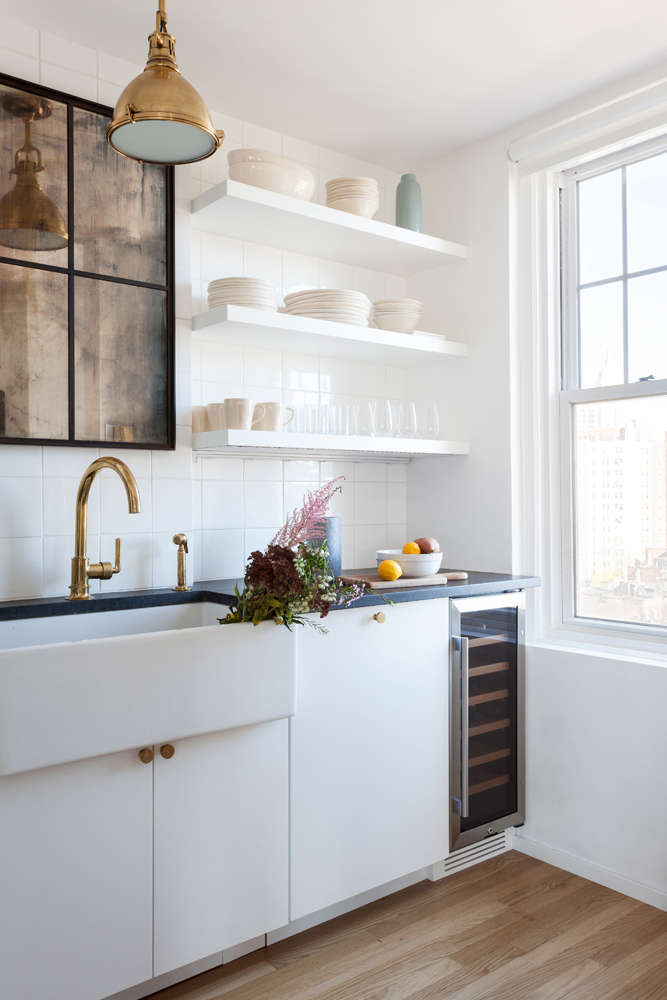
Kitchen cabinet knobs have to work hard. They deal with floury fingers, greasy hands, late-night snack raids, and the occasional frustrated tug when a drawer is stuffed with enough spatulas to open a small restaurant. The Lido Flat Top knob is a strong choice for cabinet doors because its simple profile does not compete with backsplash tile, countertops, faucets, or lighting.
Try it on white Shaker cabinets for a fresh classic look, dark painted cabinets for warm contrast, or natural oak cabinetry for a layered vintage-modern feel. In a kitchen with both doors and drawers, use the knobs on doors and coordinate them with antique brass bar pulls or cup pulls on wider drawers.
Bathroom Vanities
A bathroom vanity is one of the easiest places to upgrade with cabinet hardware. A flat-top brass knob can make a plain vanity feel more tailored, especially when paired with warm lighting, a framed mirror, or brass-toned faucet details. Antique brass is particularly attractive against white, pale gray, deep green, navy, cream, and warm wood finishes.
Because bathrooms are humid environments, routine wiping matters. Dry the knob after cleaning splashes and avoid harsh cleaners unless the manufacturer specifically recommends them for the finish.
Built-Ins, Bookcases, and Storage Cabinets
Built-in cabinets often benefit from understated hardware. The Lido knob adds visual polish without making tall bookcases or media cabinets look busy. It works beautifully on library cabinets, mudroom lockers, pantry doors, laundry-room storage, and office credenzas.
If your built-ins have a formal or vintage-inspired style, the antique brass finish can reinforce that character. If they are sleek and contemporary, the flat top keeps the look grounded and clean.
Furniture Makeovers
One of the most satisfying DIY upgrades involves replacing tired furniture hardware. A dresser with dated knobs, a thrifted nightstand, or an inherited cabinet can look dramatically different after a hardware swap. The Classic Brass Lido Flat Top knob works best when the existing hole configuration matches a single-screw knob installation.
Before ordering a full set, remove one old knob and measure the existing hole, screw length, cabinet thickness, and available clearance around the drawer or door. A five-minute measurement session can prevent a two-week emotional relationship with wood filler.
How to Choose the Right Cabinet Hardware Layout
There is no single cabinet-hardware rulebook carved into stone tablets. Still, proportional placement makes a major difference. For cabinet doors, knobs are usually installed near the corner opposite the hinge. On base cabinets, that typically means the upper outer corner. On wall cabinets, the lower outer corner is the usual starting point.
For small drawers, one centered Lido knob can look balanced and intentional. For wider drawers, two knobs often create a stronger visual rhythm and make the drawer easier to open. As a general design approach, use one knob on lightweight drawers and doors, then move to two knobs or a pull when drawer width, weight, or daily use increases.
When mixing knobs and pulls, maintain at least one point of connection: use the same finish, similar proportions, or a related shape. A flat-top knob pairs naturally with streamlined brass pulls, modest cup pulls, or lightly detailed handles. The goal is coordination, not a hardware family reunion where every relative wears the same sweater.
Installing a Classic Brass Lido Flat Top Knob
A single-screw cabinet knob is one of the friendliest home-improvement projects around. The hard part is not tightening the screw. The hard part is putting the hole in exactly the right place before tightening the screw.
Tools You May Need
- Measuring tape or combination square
- Cabinet hardware template or drilling jig
- Pencil
- Painter’s tape
- Drill and an appropriately sized drill bit
- Manual screwdriver
- Scrap wood for testing, if needed
Simple Installation Steps
- Choose the placement. Hold one knob against the cabinet door or drawer front before drilling. Step back several feet and check whether the position looks balanced.
- Use a template. A cabinet hardware template or jig helps keep every knob aligned. This is especially useful when installing a dozen knobs, because “close enough” develops a suspiciously crooked personality after the sixth door.
- Mark the drill point. Place painter’s tape over the area, then mark the center point. Tape can help reduce surface splintering and makes pencil marks easier to see.
- Test the drill bit. Check the screw size supplied with the knob and test the bit on scrap wood when possible. Hardware instructions should always take priority over general drilling advice.
- Drill straight through. Keep the drill perpendicular to the cabinet face. A crooked hole can cause the knob to sit unevenly or feel loose.
- Insert the screw from the inside. Slide the mounting screw through the cabinet door or drawer front, then thread the knob onto it from the outside.
- Tighten gently. Use a manual screwdriver and tighten only until the knob is secure. Over-tightening can damage cabinet doors, strip threads, or crack painted finishes.
After installation, open and close every cabinet door and drawer. Check for clearance against nearby cabinets, appliances, trim, or walls. A beautiful knob that catches on the refrigerator handle is still a tiny inconvenience wearing fancy brass.
How to Care for Antique Brass Cabinet Knobs
Before using a brass cleaner, determine what kind of finish you have. “Antique brass” can describe different surface treatments, and some hardware may be plated, sealed, lacquered, or designed to develop a changing patina. The safest everyday approach is gentle care.
For regular cleaning, wipe the knob with a soft, dry microfiber cloth. If grease or fingerprints build up, use a lightly dampened cloth with a small amount of mild dish soap, then dry the hardware thoroughly. Avoid soaking cabinet knobs or allowing water to sit around the base, especially in kitchens and bathrooms.
Do not reach immediately for abrasive cleaners, vinegar, lemon juice, steel wool, or strong metal polish. These products can alter a protective finish, remove intentional aging, or create uneven bright spots. If you want to restore shine or remove tarnish, first confirm the product’s finish and follow the current manufacturer or retailer care instructions.
A little wear is not always a flaw. On many brass-toned pieces, subtle variation can make the hardware feel warmer and more established over time. Think of it as character, not chaos.
What to Check Before Buying
- Diameter: Confirm that a 1 1/4-inch knob looks proportionate on your cabinet doors or drawers.
- Projection: Make sure the 15/16-inch projection provides enough finger clearance near adjacent doors, appliances, and trim.
- Finish: Compare the antique brass tone against faucets, lighting, hinges, and existing hardware in your space.
- Quantity: Count every door and drawer twice. Then count once more, because kitchens have a remarkable ability to produce a surprise drawer when checkout is already open.
- Screw length: Cabinet doors, drawer fronts, and furniture panels vary in thickness. Confirm that the included screw length works for your project.
- Existing holes: Single-hole knobs are easiest when replacing other single-hole knobs. Switching from pulls may require filling and refinishing old holes.
Final Thoughts: A Classic Brass Knob With Everyday Appeal
The Classic Brass Lido Flat Top 1 1/4 in. Knob proves that practical hardware can still have personality. Its compact dimensions, flat-top profile, useful projection, and antique brass appearance make it versatile enough for kitchens, bathrooms, furniture projects, and built-ins.
It is not a giant statement pull, and that is exactly the point. This is cabinet hardware for people who appreciate detail, proportion, warmth, and the small daily pleasure of opening a door with something that feels thoughtfully chosen.
Real-World Experiences With the Classic Brass Lido Flat Top 1 1/4 in. Knob
The following examples describe realistic design and DIY experiences rather than individual customer reviews.
One of the most common experiences with a knob like the Classic Brass Lido Flat Top is surprise at how much visual change such a small item can create. A homeowner may spend weeks debating paint colors, backsplashes, lighting, and countertops, then install new cabinet knobs in an afternoon and suddenly feel as though the room has finally introduced itself properly. Hardware has that effect. It is a finishing detail, but it also creates the first physical interaction people have with cabinets every day.
In a white kitchen, the antique brass finish can soften an otherwise bright, crisp palette. The cabinets may still look clean and modern, but the brass adds warmth that prevents the room from feeling sterile. This is particularly noticeable in kitchens with white quartz counters, pale wood floors, or cream-colored walls. The flat top helps the brass feel restrained, so the finish reads as elegant rather than overly shiny.
On dark cabinetry, the experience is different. Navy, forest green, charcoal, and black cabinet doors can make the antique brass tone appear richer and more dramatic. The knob becomes a visible point of contrast, especially in rooms with natural light. Many homeowners discover that the hardware catches the sun differently throughout the day: muted in the morning, warmer in the afternoon, and more jewel-like under evening lighting.
DIY installers often appreciate that a single-hole knob does not require the measuring gymnastics associated with multi-hole pulls. A template still matters, but one correctly placed hole is much less intimidating than aligning two holes across twenty drawers. The confidence boost is real. After installing the first two knobs successfully, even a nervous DIYer may begin to feel suspiciously qualified to renovate the entire house.
There can be a learning curve with screw length. A screw that is too short will not catch the threads. A screw that is too long may bottom out before the knob tightens against the cabinet face. This is why experienced installers test one piece before drilling every door. It may feel slow at first, but it is much faster than explaining to yourself why a cabinet knob is now permanently tilted at a 12-degree angle.
Over time, the tactile experience matters as much as the appearance. A 1 1/4-inch knob is generally comfortable for everyday cabinet doors and smaller drawers. The flat top gives fingers a natural resting point, while the projection creates enough space to grip without scraping knuckles against the cabinet. For heavier drawers, users may prefer two knobs or a coordinating pull, but on doors and light drawers, this scale feels practical and pleasant.
Finally, antique brass hardware tends to reward people who are comfortable with a little variation. Fingerprints, subtle darkening, and changes in sheen are part of the lived-in quality that gives brass-toned hardware its appeal. A perfectly untouched knob may look nice in a catalog. A gently used knob often looks better in a real home, where the cabinets are opened, meals are cooked, guests gather, and the room earns its personality one small touch at a time.
Note: Confirm current dimensions, finish description, included mounting hardware, availability, and care instructions with the retailer or manufacturer before purchasing, as product details and packaging can change.